
Royal Tunbridge Wells
· GB

Royal Tunbridge Wells

Royal Tunbridge Wells, Kent, United Kingdom

Escape to the Elegant Charm of Royal Tunbridge Wells Step back in time and into the elegant embrace of Royal Tunbridge Wells, a historic spa town nestled in the picturesque Kent countryside. More than just a pretty faca…

#Historic town#Spa town#Gardens#Shopping#Cultural events
1/1

Top hotels & flights

Hand-picked stays and the best fares into Royal Tunbridge Wells.

Top Hotels in Royal Tunbridge Wells

Top Flights to Royal Tunbridge Wells

Location videos

Real reels from travelers, plus longer watches to get the full picture.

From travelers
Watch & explore

Practical info

The essentials for planning your time in Royal Tunbridge Wells.

Currency
£ | GBP | Pound Sterling
Population
62,000
Languages
English, English
Average weather
Royal Tunbridge Wells
Jan
rain
7°1°
Feb
cloud
8°1°
Mar
rain
11°3°
Apr
cloud
14°5°
May
sun
18°8°
Jun
sun
21°11°
Jul
sun
23°13°
Aug
sun
23°13°
Sep
cloud
20°11°
Oct
rain
15°8°
Nov
rain
10°4°
Dec
rain
8°2°

Local guide

What travelers love, what to watch for, and a deeper read on Royal Tunbridge Wells.

What people love

Royal Tunbridge Wells, located in Kent, United Kingdom, is a popular tourist destination known for its stunning architecture, picturesque parks, and rich history. Here are some pros of traveling to Royal Tunbridge Wells:

  1. Historic Chalybeate Spring: Royal Tunbridge Wells is famous for its Chalybeate Spring, which has been a popular attraction since the 17th century. Visitors can still sample the mineral water from the spring and learn about its historical significance.

  2. Pantiles: The Pantiles is a historic colonnaded walkway lined with shops, cafes, and galleries. It is a great place to stroll, shop for unique gifts, and enjoy a meal or a cup of tea at one of the many charming cafes.

  3. Beautiful Parks and Gardens: Royal Tunbridge Wells is home to several beautiful parks and gardens, including Dunorlan Park and Calverley Grounds. These green spaces offer a peaceful retreat from the hustle and bustle of city life and are perfect for picnics, walks, and relaxation.

  4. Architectural Heritage: The town boasts a wealth of stunning architecture, including the elegant Georgian and Victorian buildings in the town center. Visitors can admire the historic buildings, such as The Assembly Hall, Trinity Theatre, and the Tunbridge Wells Museum.

  5. Cultural Events: Royal Tunbridge Wells has a vibrant cultural scene, with a variety of events and festivals held throughout the year. From music concerts and art exhibitions to food festivals and theater performances, there is always something exciting happening in the town.

Overall, traveling to Royal Tunbridge Wells offers a blend of history, culture, and natural beauty, making it a delightful destination for tourists seeking a peaceful and charming getaway.

What to know

Some potential cons of traveling to Royal Tunbridge Wells in Kent, United Kingdom, could include:

  1. Limited public transportation: While Royal Tunbridge Wells is well-connected by train and bus services, some areas may be harder to reach without a car. This could be a challenge for those who rely on public transportation.

  2. High cost of living: Being a popular tourist destination, Royal Tunbridge Wells can be relatively expensive in terms of accommodations, dining, and activities. Travelers on a budget may find it challenging to find affordable options.

  3. Crowds during peak tourist seasons: Royal Tunbridge Wells attracts a large number of visitors, especially during the summer months and on weekends. This could result in crowded attractions, restaurants, and accommodations, making it less enjoyable for those seeking a quieter experience.

  4. Weather: The weather in the UK can be unpredictable, with frequent rain and overcast skies. Travelers to Royal Tunbridge Wells should be prepared for variable weather conditions, especially if planning outdoor activities.

  5. Limited nightlife options: While Royal Tunbridge Wells offers a variety of restaurants, bars, and pubs, the town may not have a vibrant nightlife scene compared to larger cities. Those looking for a lively nightlife experience may be disappointed.

Please note that these are general considerations and individual experiences may vary.

Royal Tunbridge Wells is a historic town located in Kent, United Kingdom, known for its Georgian and Victorian architecture, as well as its history as a spa town. Here is a detailed history of Royal Tunbridge Wells:

Early History and Founding

  • 17th Century Origins: The history of Tunbridge Wells begins in the early 17th century when Dudley, Lord North, a courtier to James I, discovered the Chalybeate Spring in 1606. The iron-rich waters of the spring were believed to have health benefits, which led to the development of the area as a spa town.

Development as a Spa Town

  • Royal Patronage: The town started to gain popularity in the late 17th and early 18th centuries. Queen Henrietta Maria, wife of Charles I, visited in 1630, which helped to establish its reputation. It continued to attract nobles and royalty, including Queen Anne.
  • 18th Century Growth: The Pantiles, originally known as "The Walks," became a social hub where visitors would promenade and take the waters. The area was named 'The Pantiles' after a type of square tile used for paving, which was introduced in 1700.

19th Century Expansion

  • Royal Tunbridge Wells: In 1909, King Edward VII granted the town its "Royal" prefix, in recognition of its royal patronage over the years.
  • Transport Links: The arrival of the railway in the 19th century made the town more accessible and contributed to its growth. The London and Dover Railway opened a line to Tunbridge Wells in 1845.

Notable Historical Figures

  • Beau Nash: Richard "Beau" Nash, a famous dandy and master of ceremonies in Bath, also played a similar role in Tunbridge Wells. He was instrumental in organizing events and social activities in the town.
  • Queen Victoria: The town was a favorite of Queen Victoria during her childhood, and she visited frequently with her mother, the Duchess of Kent.

Important Landmarks

  • The Pantiles: A historic colonnade and the heart of the town’s spa culture, known for its shops, galleries, and cafes.
  • Chalybeate Spring: The original spring discovered by Lord North, which visitors can still see and taste today.
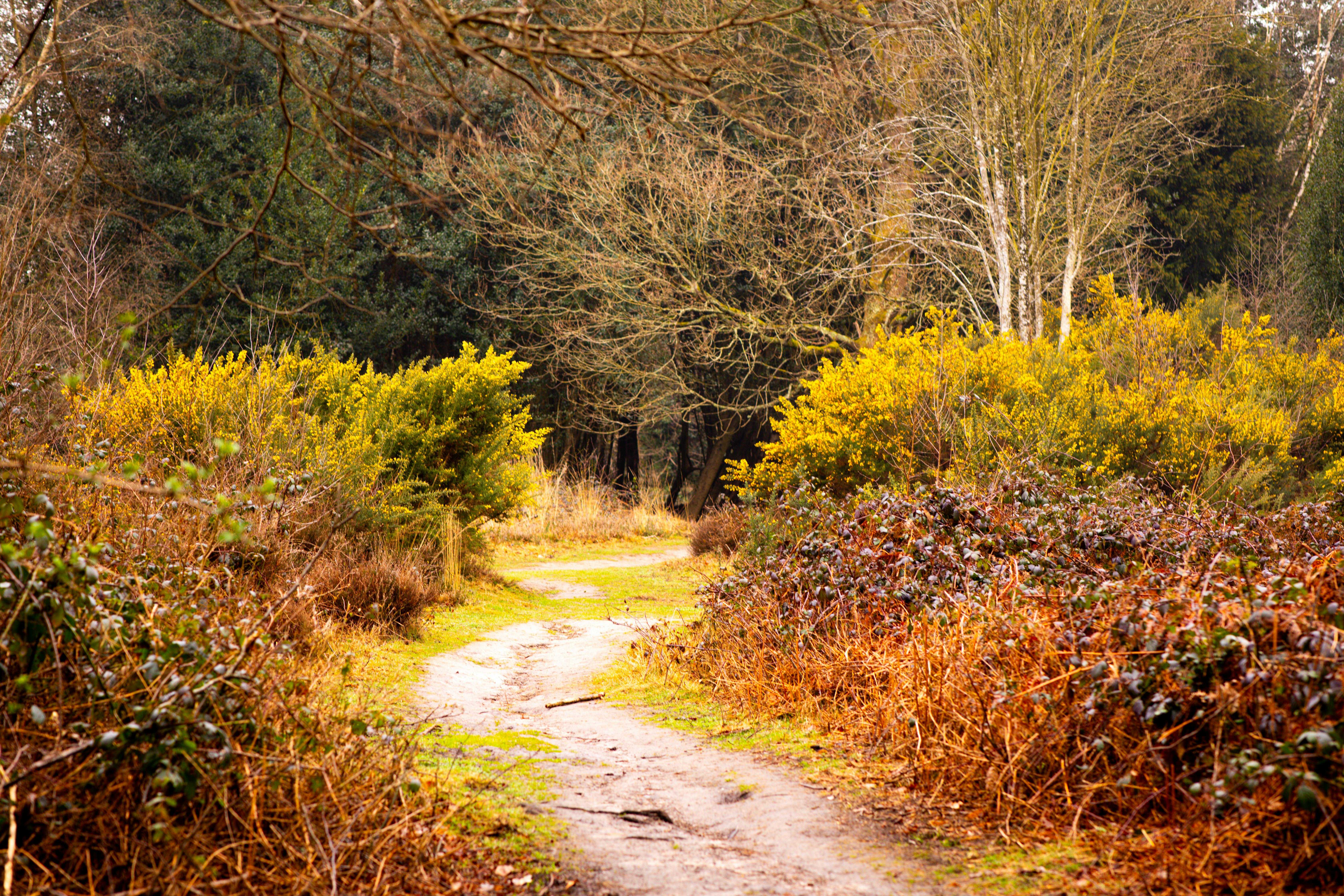
  • Tunbridge Wells Common: An area of open land close to the town center, offering picturesque walks and views.
  • High Rocks: A site of special scientific interest, known for its impressive sandstone rock formations.
  • Dunorlan Park: A stunning park with a lake, boating facilities, and wide lawns, originally part of the Dunorlan estate.

Modern Era

  • 20th and 21st Century: Royal Tunbridge Wells has continued to thrive as a commuter town with a strong cultural presence, blending its historical roots with modern amenities. The town hosts numerous cultural events, such as the Tunbridge Wells International Music Festival.

Overall, Royal Tunbridge Wells remains a charming town, steeped in history and offering a unique blend of heritage, culture, and natural beauty.