
Rostock
· DE

Rostock

Rostock, Mecklenburg-Western Pomerania, Germany

Rostock: Where Hanseatic History Meets Baltic Breeze Step into a captivating blend of history and maritime charm in Rostock, a vibrant city nestled on Germany's Baltic coast. As one of the oldest members of the mighty H…

#Rostock#Mecklenburg-Western Pomerania#Germany#Baltic Sea#Historic City
1/3

Top hotels & flights

Hand-picked stays and the best fares into Rostock.

Top Hotels in Rostock

Top Flights to Rostock

Location videos

Real reels from travelers, plus longer watches to get the full picture.

From travelers

Practical info

The essentials for planning your time in Rostock.

Currency
€ | EUR | Euro
Population
207,000
Languages
Rostock
Average weather
Rostock
Jan
snow
3°-1°
Feb
cloud
4°-1°
Mar
rain
8°1°
Apr
cloud
12°4°
May
sun
17°8°
Jun
sun
20°12°
Jul
sun
22°14°
Aug
sun
22°14°
Sep
cloud
18°11°
Oct
rain
13°7°
Nov
cloud
8°3°
Dec
snow
4°0°

Local guide

What travelers love, what to watch for, and a deeper read on Rostock.

What people love

Rostock, located in Mecklenburg-Western Pomerania, Germany, offers a variety of attractions and experiences that make it a desirable travel destination. Here are some pros of traveling to Rostock:

  1. Historic Old Town: Rostock's Old Town is a beautifully preserved area with charming cobblestone streets, historic buildings, and landmarks such as St. Mary's Church and the Town Hall. Visitors can explore the narrow alleyways, admire the architecture, and learn about the city's history.

  2. Hanseatic City: Rostock is a Hanseatic city with a rich maritime history. Travelers can visit the city harbor, see historic ships, and learn about Rostock's role in the Hanseatic League, a medieval trading alliance.

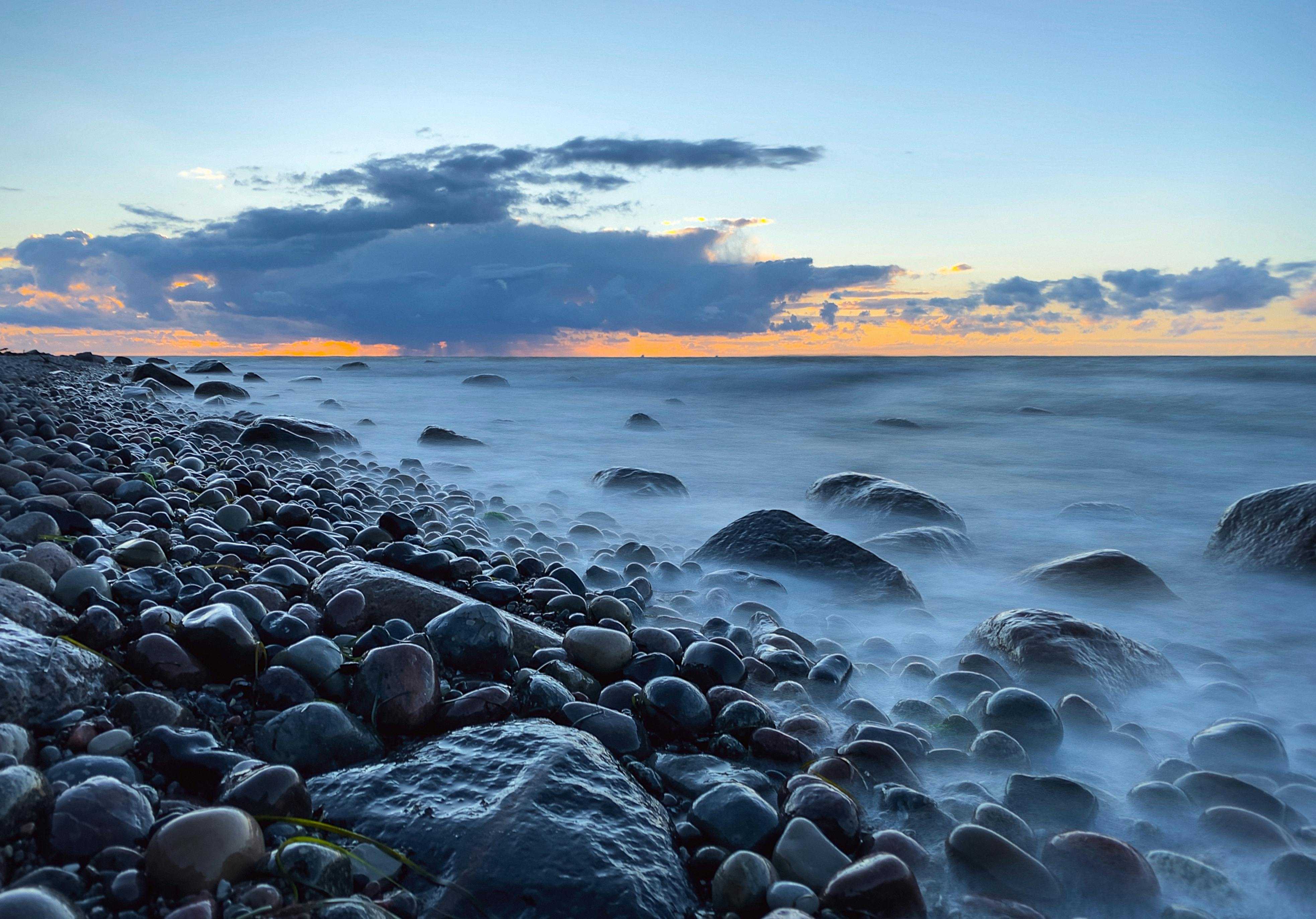
  3. Beaches: Rostock is located on the Baltic Sea coast, offering visitors the opportunity to relax on sandy beaches, swim in the sea, and enjoy water sports such as sailing and windsurfing. The nearby Warnemünde beach is a popular spot for sunbathing and seaside activities.

  4. Warnemünde: This seaside resort town is part of Rostock and is known for its picturesque lighthouse, vibrant promenade, and fresh seafood restaurants. Visitors can stroll along the waterfront, watch ships pass by, and soak up the maritime atmosphere.

  5. Cultural Events: Rostock hosts various cultural events throughout the year, including music festivals, art exhibitions, and theater performances. Travelers can immerse themselves in the local arts scene and experience the city's creative energy.

  6. Day Trips: Rostock serves as a convenient base for exploring the surrounding region, including the scenic Mecklenburg Lake District, historic towns such as Wismar and Schwerin, and the picturesque countryside of Mecklenburg-Western Pomerania.

Overall, traveling to Rostock offers a mix of history, culture, nature, and seaside charm, making it a rewarding destination for travelers seeking a diverse and enriching experience.

What to know

There are several potential cons to traveling to Rostock, Germany. Some of these may include:

  1. Weather: Rostock experiences cold winters and mild summers. If you prefer warmer climates, you may find the weather in Rostock to be a con.

  2. Language barrier: While many people in Rostock speak English, German is the primary language. If you do not speak German, you may encounter some difficulty communicating with locals.

  3. Limited tourist infrastructure: While Rostock is a popular tourist destination, it may not have as many tourist amenities and services as larger cities in Germany.

  4. Crowds: During peak tourist seasons, Rostock can become crowded with visitors, especially around popular attractions and events.

  5. Distance from major cities: Rostock is located in the northeastern part of Germany, which may make it less convenient to reach compared to cities in the western or southern parts of the country.

Overall, Rostock is a beautiful city with a rich history and culture, but like any destination, it may have its drawbacks depending on your preferences and travel needs.

Rostock, located in Mecklenburg-Western Pomerania, Germany, has a rich and varied history that dates back over eight centuries. Here's a detailed account of its historical development, significant events, notable figures, and important landmarks:

Early History and Medieval Era

  • Founding and Hanseatic League: Rostock's origins trace back to the Slavic settlement of Roztoc, which was destroyed by the Danish King Valdemar I in 1161. The town was re-established by German merchants and received city rights in 1218. Rostock became a member of the Hanseatic League in the 14th century, which was a powerful economic and defensive alliance of merchant guilds and market towns in Northwestern and Central Europe. The city prospered as a major trading hub within the League, dealing extensively in grain, timber, and fish.

  • University of Rostock: Founded in 1419, the University of Rostock is one of the oldest universities in the world and the oldest in the Baltic Sea region. It has been a center of learning and culture for centuries and continues to be a significant part of the city's identity.

Early Modern Period

  • Reformation and Thirty Years' War: The Reformation brought significant changes to Rostock, which became predominantly Protestant. During the Thirty Years' War (1618–1648), the city suffered occupation and destruction, which impacted its economic and political standing.

  • 18th Century: Rostock recovered gradually and expanded its economic activities beyond the Hanseatic trade, engaging in shipbuilding and manufacturing.

19th and 20th Centuries

  • Industrialization: The Industrial Revolution brought new industries to Rostock, including the establishment of shipyards and the development of a railway connection in the mid-19th century, which spurred growth and modernization.

  • World War II: Rostock was heavily bombed during World War II due to its industrial importance, particularly the Heinkel aircraft manufacturing plant. Much of the city center was destroyed, including many historical buildings.

  • Post-War Era and GDR Period: After WWII, Rostock became part of the German Democratic Republic (East Germany). The city was rebuilt, with new residential areas and industrial facilities, including the Warnow shipyards, being established. The University of Rostock expanded during this time, contributing to scientific and technological advancements.

Recent History

  • Reunification and Beyond: With German reunification in 1990, Rostock underwent considerable economic and social transformations. The city's shipbuilding industry faced challenges, but there was a shift towards service industries and tourism.

Notable Figures

  • Joachim Jungius (1587–1657): A mathematician and scientist born in Rostock, he made significant contributions to the development of scientific methodology.

  • Walter Kempowski (1929–2007): A renowned author who depicted life in Rostock and East Germany through his literary works.

Important Landmarks

  • St. Mary's Church (Marienkirche): A prime example of Brick Gothic architecture, this church is one of Rostock's most significant landmarks. Its astronomical clock, dating back to 1472, is a notable feature.

  • Kerkhofhaus: A historic merchant's house in Rostock, dating back to the late 15th century, showcasing the city’s Hanseatic past.

  • Rostock City Hall (Rathaus): Originally built in the 13th century, the City Hall blends Gothic and Baroque architectural styles, reflecting various reconstructions over the centuries.

  • Kröpeliner Straße: The main shopping street in Rostock, lined with historical buildings and modern shops, representing the city's vibrant commercial life.

Rostock continues to be a significant city in northeastern Germany, balancing a respect for its historical heritage with modern growth and innovation.