
Rojales
· ES

Rojales

Rojales, Valencia, Spain

Located in the Valencia region of Spain, Rojales is a charming town that offers a perfect blend of history, culture, and natural beauty. Situated along the Segura River, Rojales is known for its picturesque landscapes, t…

#Rojales#Valencia#Spain#historic town#cultural heritage
1/2

Top hotels & flights

Hand-picked stays and the best fares into Rojales.

Top Hotels in Rojales

Top Flights to Rojales

Location videos

Real reels from travelers, plus longer watches to get the full picture.

Watch & explore

Practical info

The essentials for planning your time in Rojales.

Currency
€ | EUR | Euro
Population
The approximate estimated total population of Rojales, Valencia, Spain is 'Not Available'.
Languages
Spanish, Spanish, English, German, Dutch
Average weather
Rojales
Jan
clear
16°6°
Feb
clear
17°7°
Mar
clear
19°9°
Apr
sun
21°11°
May
sun
24°14°
Jun
hot
28°18°
Jul
hot
31°21°
Aug
hot
32°22°
Sep
sun
29°20°
Oct
sun
25°16°
Nov
clear
20°11°
Dec
clear
17°7°

Local guide

What travelers love, what to watch for, and a deeper read on Rojales.

What people love

Rojales is a picturesque town located in the province of Alicante, in the Valencian Community of Spain. Here are some of the pros of traveling to Rojales:

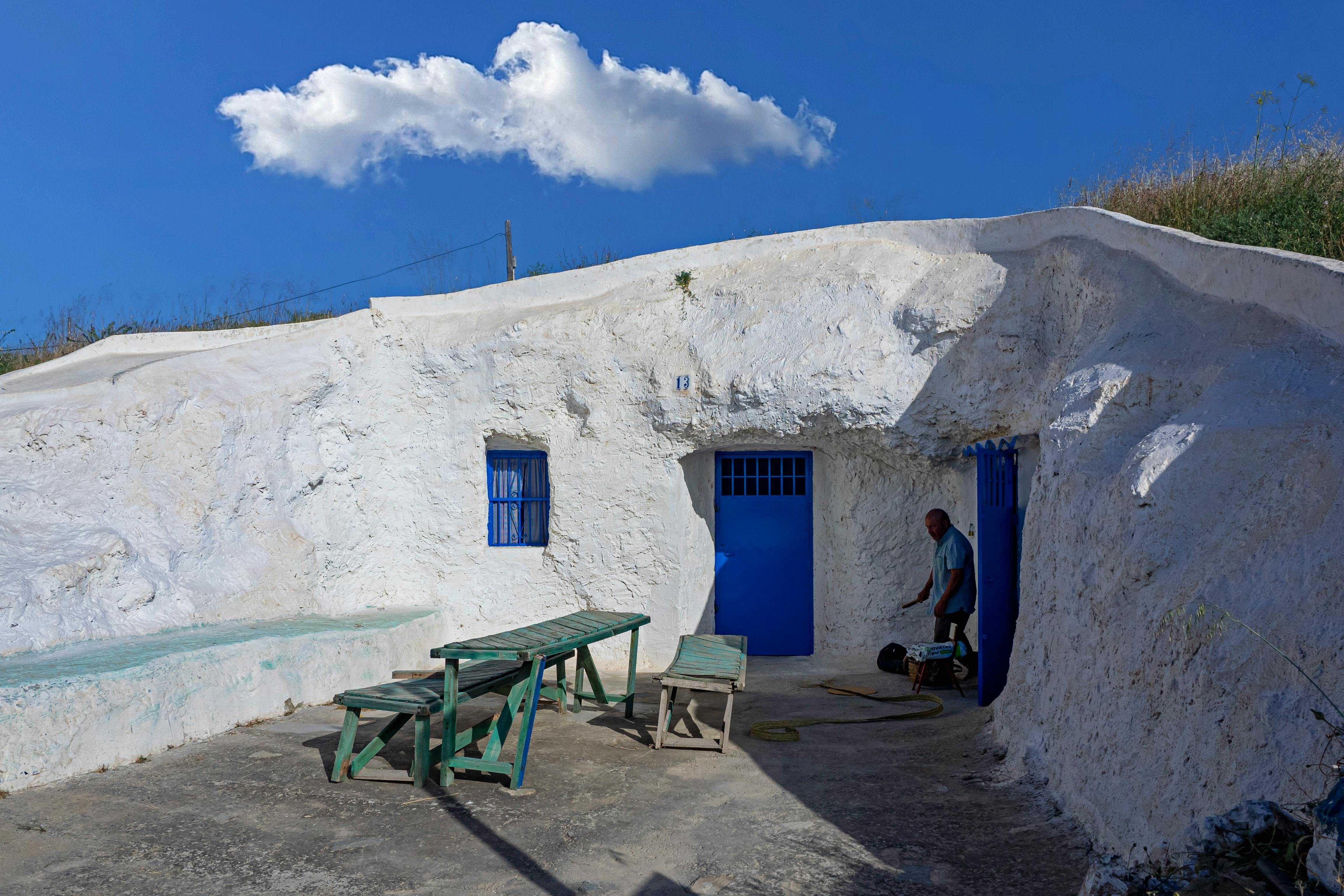
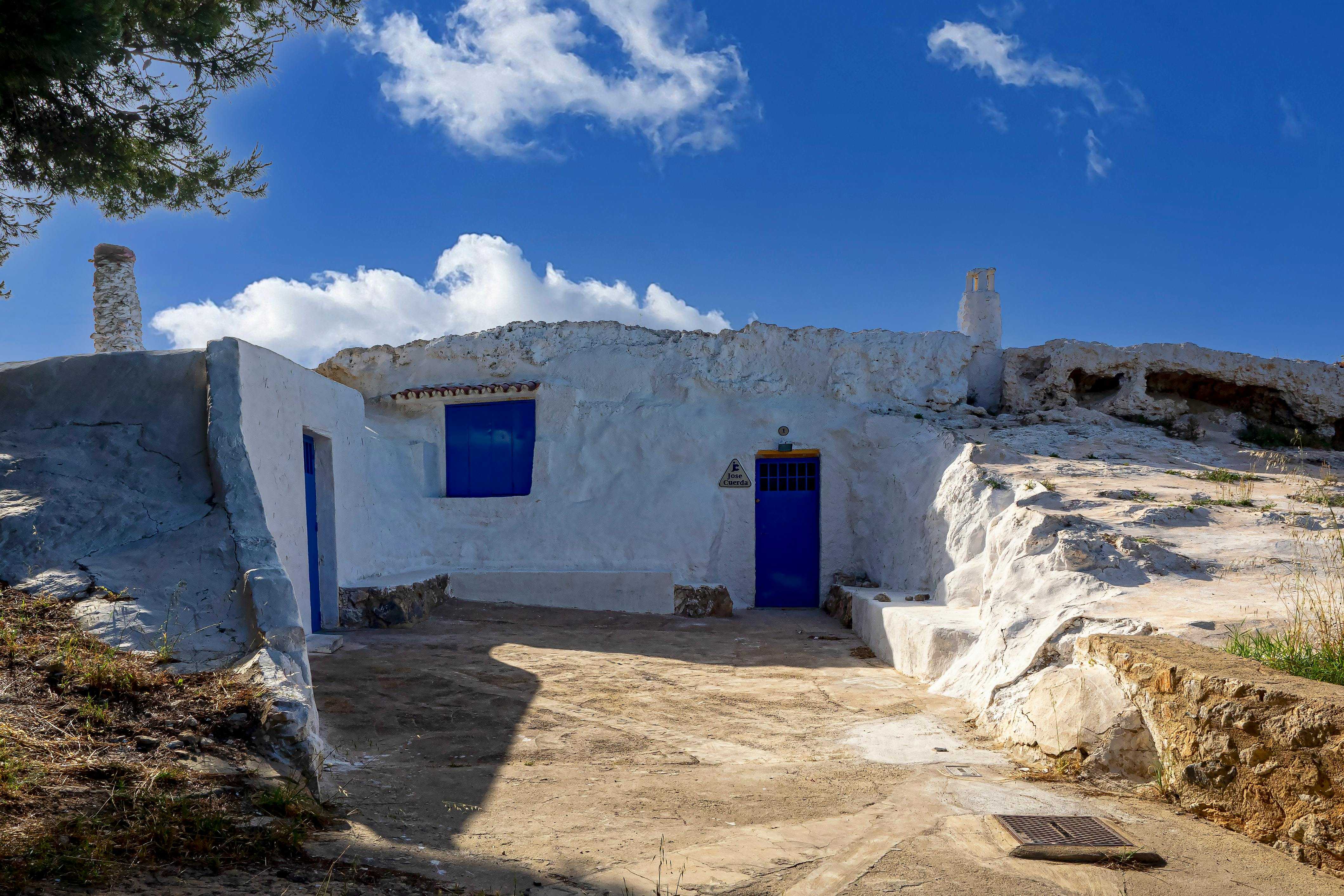
  1. Rich history and culture: Rojales has a long history dating back to ancient times, with traces of different civilizations visible throughout the town. Visitors can explore historical sites such as the cave houses, the old town center, and the Moorish caves, which provide insights into the region's past.

  2. Natural beauty: Rojales is situated in a beautiful setting, surrounded by stunning landscapes, including the Segura River and the nearby salt lakes. Nature lovers can enjoy hiking, cycling, and birdwatching in the area.

  3. Local cuisine: Visitors to Rojales can savor delicious traditional Spanish cuisine in the town's restaurants and bars. From tapas to paella, there are plenty of options to tantalize your taste buds.

  4. Festivals and events: Rojales hosts various cultural events and festivals throughout the year, offering visitors the opportunity to experience local traditions and celebrations. The weekly market is a great place to sample local products and immerse yourself in the vibrant atmosphere.

  5. Accessibility: Rojales is well-connected by road and public transportation, making it easy to travel to and from the town. It is also conveniently located near popular tourist destinations such as the beaches of Guardamar del Segura and the city of Alicante.

Overall, Rojales is a charming destination with a mix of history, culture, nature, and culinary delights, making it a great choice for travelers looking to experience the authentic essence of Spain.

What to know

Rojales is a beautiful town located in the province of Alicante in the Valencian Community of Spain. While Rojales has many positive aspects for travelers, there are a few cons to consider as well:

  1. Limited public transportation options: Rojales is a small town, and public transportation options within the town and to nearby areas may be limited. Renting a car or relying on taxis may be necessary for getting around.

  2. Limited nightlife and entertainment options: Rojales is a quiet town with a more relaxed atmosphere, so if you're looking for vibrant nightlife and entertainment options, you may need to travel to nearby cities like Alicante or Torrevieja.

  3. Language barrier: While many locals in Rojales may speak some English, the primary language spoken is Spanish. If you don't speak Spanish, you may encounter some language barriers, especially in more rural areas.

  4. Seasonal tourism: Rojales, like many coastal towns in Spain, experiences fluctuations in tourism depending on the season. Some restaurants, shops, and attractions may have limited hours or be closed during the off-peak season.

  5. Limited tourist infrastructure: Rojales is not as developed for tourism as some other popular Spanish destinations. You may find fewer tourist amenities, such as information centers or guided tours, compared to larger cities.

Overall, Rojales is a charming town with a lot to offer, but it may not be the ideal destination for travelers looking for a bustling city atmosphere or extensive tourist infrastructure.

Rojales is a municipality located in the province of Alicante, within the autonomous community of Valencia, Spain. It is part of the comarca (county) of Vega Baja del Segura. Here is a detailed history of Rojales, including significant events, historical figures, and important landmarks:

Historical Background

  1. Origins and Early History:

    • The area around Rojales has been inhabited since prehistoric times, with evidence of early settlements in the region. The fertile lands along the Segura River made it attractive for early agricultural communities.
    • During the Moorish period, the area was under Muslim control, which influenced its culture, architecture, and agricultural practices. The Moors constructed intricate irrigation systems that are still in use today.
  2. Christian Reconquest:

    • In the 13th century, the region was reconquered by Christian forces. The Treaty of Almizra in 1244 defined the borders of the Kingdom of Valencia, under which Rojales fell.
    • After the reconquest, the area saw the establishment of Christian agricultural settlements.
  3. Development in the Modern Era:

    • Rojales experienced significant growth during the 18th and 19th centuries, especially with the expansion of agriculture.
    • The construction of the Carlos III Bridge in the late 18th century was a significant development, facilitating trade and communication across the Segura River.

Historical Figures

  • While specific historical figures from Rojales may not be widely recognized on a national or international level, local leaders and landowners during various periods played crucial roles in the development of the town and its agriculture.

Significant Landmarks

  1. Carlos III Bridge:

    • This bridge is a notable example of 18th-century engineering and architecture. It was constructed over the Segura River and is an important symbol of Rojales’ historical development.
  2. La Noria Water Wheel:

    • A traditional water wheel that highlights the historical agricultural practices of the region. It represents the Moorish influence on local irrigation techniques.
  3. Parroquia de San Pedro Apóstol:

    • The parish church of Rojales, dedicated to Saint Peter, is an important religious and cultural site in the town.
  4. Cave Houses (Cuevas del Rodeo):

    • These are unique cave dwellings that have been converted into art studios and cultural spaces. They reflect the historical adaptability and creativity of the local population.
  5. El Recorral Park:

    • A natural park area that showcases the local landscape and is popular for recreational activities.

Cultural Aspects

  • Rojales has a rich cultural heritage with traditional festivals such as the Moors and Christians festival, which reflects the historical coexistence of different cultures in the region.

Modern Developments

  • In recent years, Rojales has become a popular destination for tourists and expatriates, particularly from Northern Europe, drawn by the climate and lifestyle. This has led to further developments in housing and local amenities.

Overall, Rojales is a town with a rich historical backdrop rooted in agricultural and cultural diversity, shaped by its geographical location along the Segura River.