
Roermond
· NL

Roermond

Roermond, Limburg, Netherlands

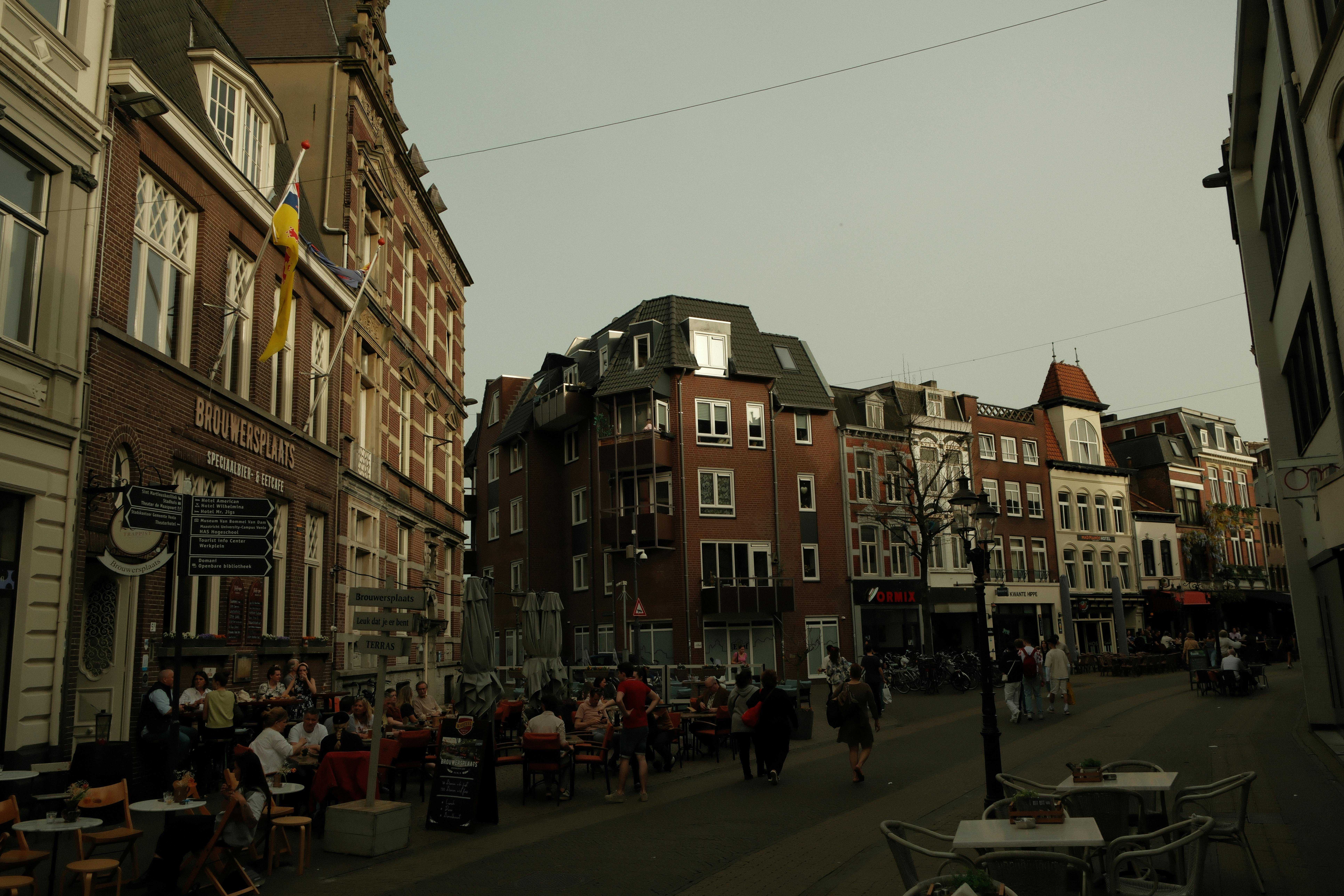
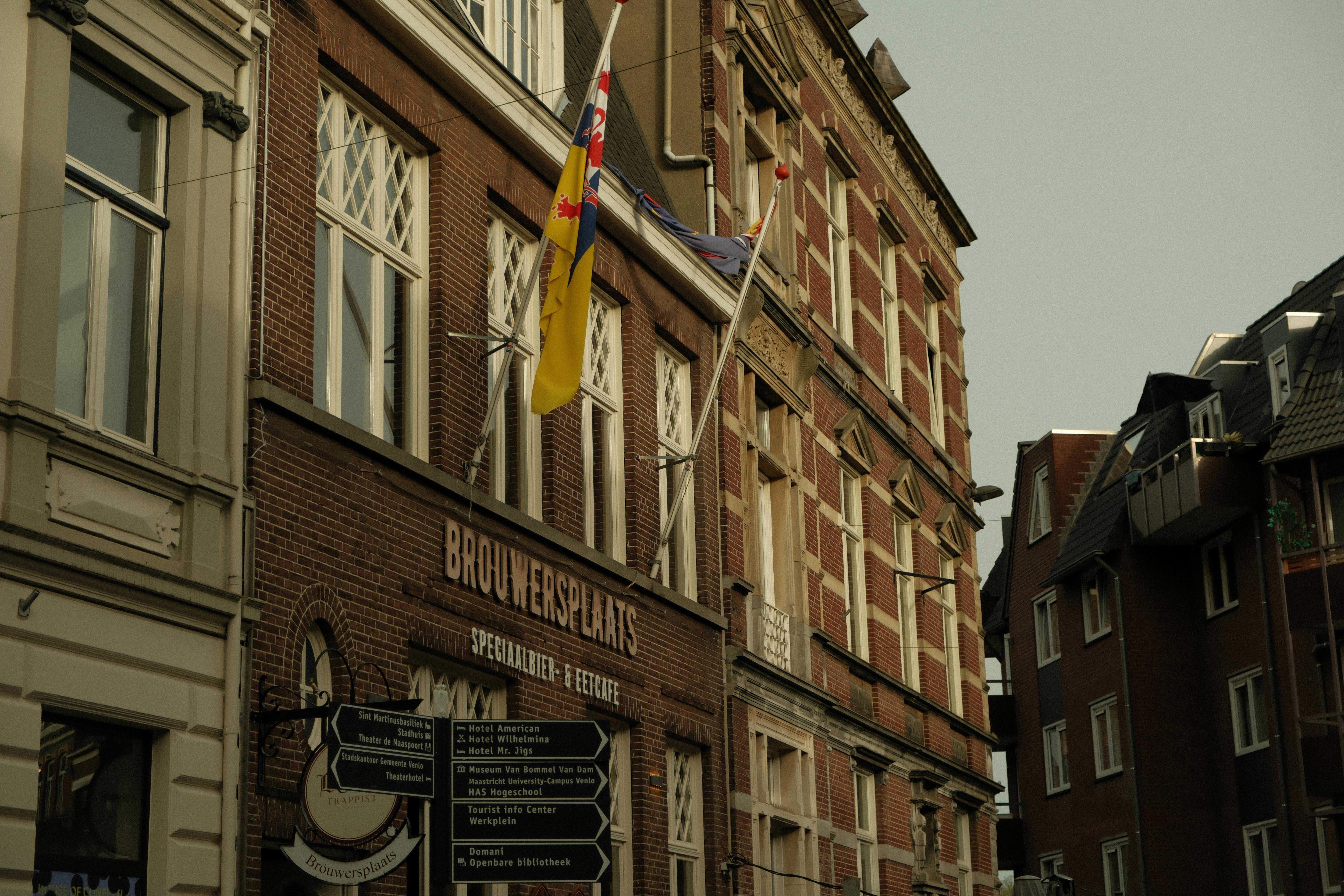
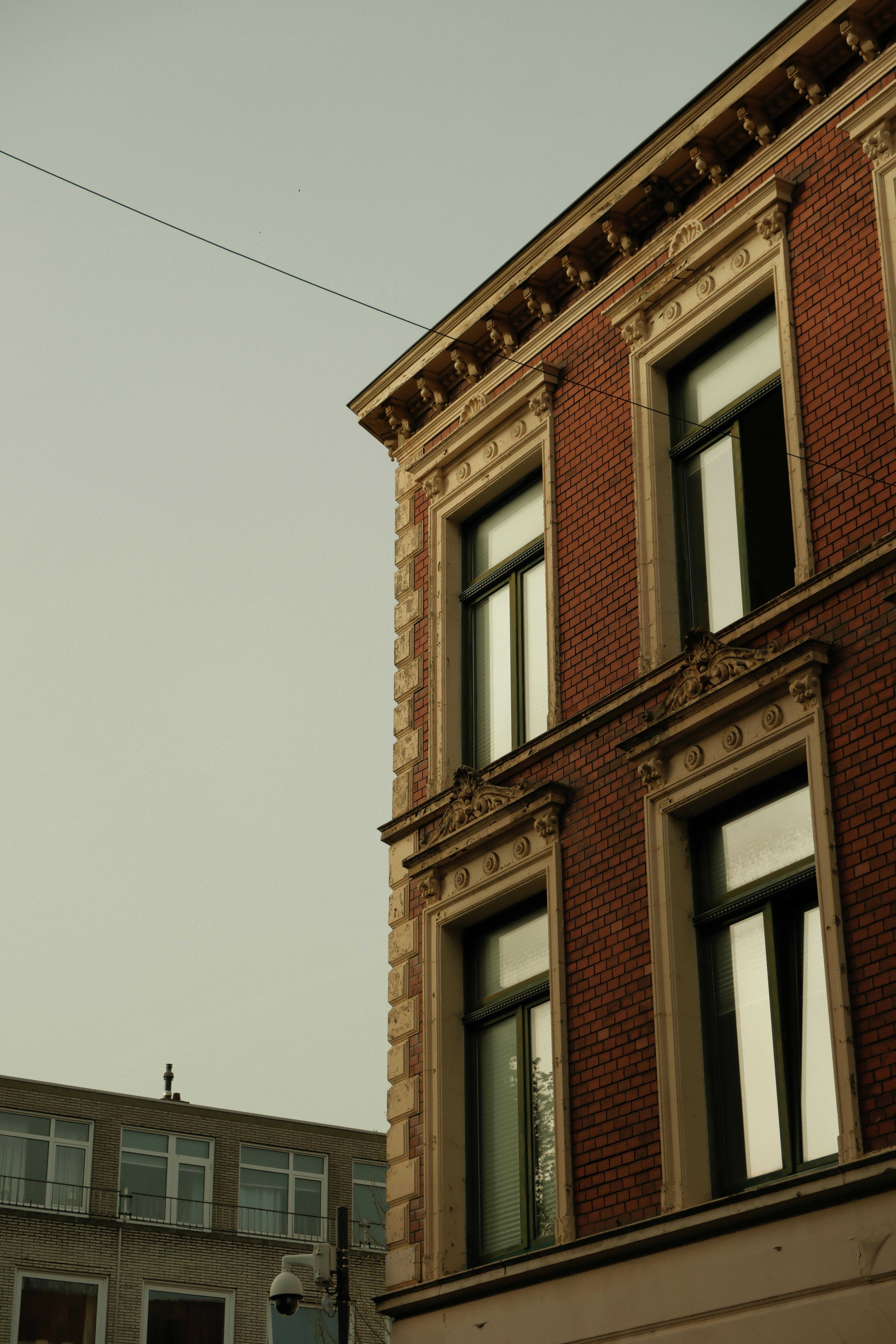
Roermond: Where History Meets Modernity on the Banks of the Meuse Nestled on the banks of the majestic River Meuse in the southern Netherlands, Roermond (Limburg) is a city that effortlessly blends its rich history with …

#Roermond#Limburg#Netherlands#Historic city#Shopping destination
1/12

Top hotels & flights

Hand-picked stays and the best fares into Roermond.

Top Hotels in Roermond

Top Flights to Roermond

Location videos

Real reels from travelers, plus longer watches to get the full picture.

From travelers

Practical info

The essentials for planning your time in Roermond.

Currency
€ | EUR | Euro
Population
57308.0
Languages
Dutch, Dutch, Limburgish
Average weather
Roermond
Jan
cold
5°0°
Feb
cold
6°0°
Mar
cloud
10°2°
Apr
cloud
14°4°
May
rain
18°8°
Jun
sun
21°11°
Jul
sun
23°13°
Aug
sun
23°13°
Sep
cloud
19°10°
Oct
rain
14°7°
Nov
rain
9°3°
Dec
cold
6°1°

Local guide

What travelers love, what to watch for, and a deeper read on Roermond.

What people love

Roermond, located in the Limburg province of the Netherlands, has several attractions and features that make it a great destination for travelers. Here are some pros of traveling to Roermond:

  1. Shopping: Roermond is home to the popular Designer Outlet Roermond, which offers a wide range of designer brands at discounted prices. It is one of the largest outlet centers in Europe and a paradise for shopaholics.

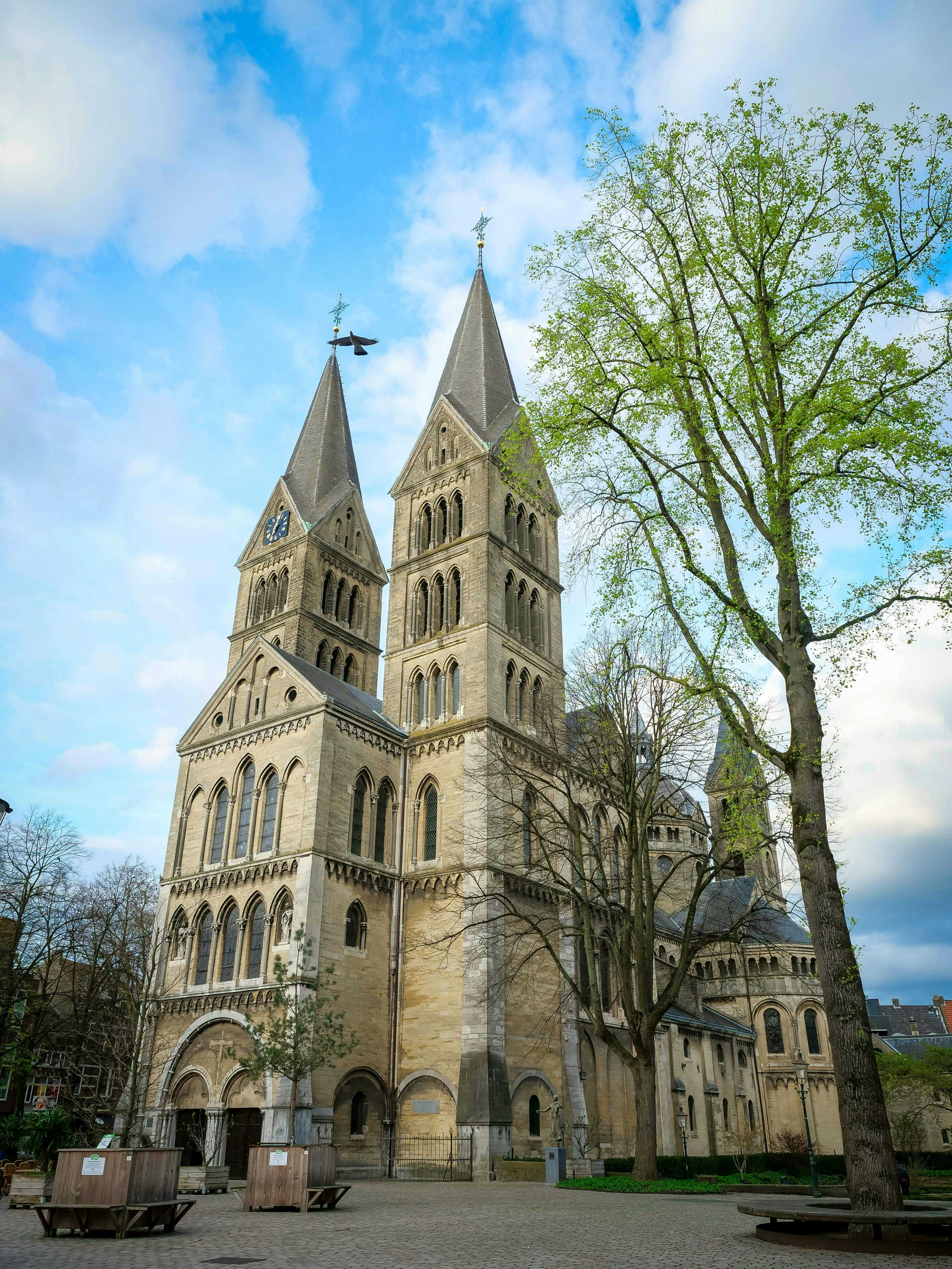
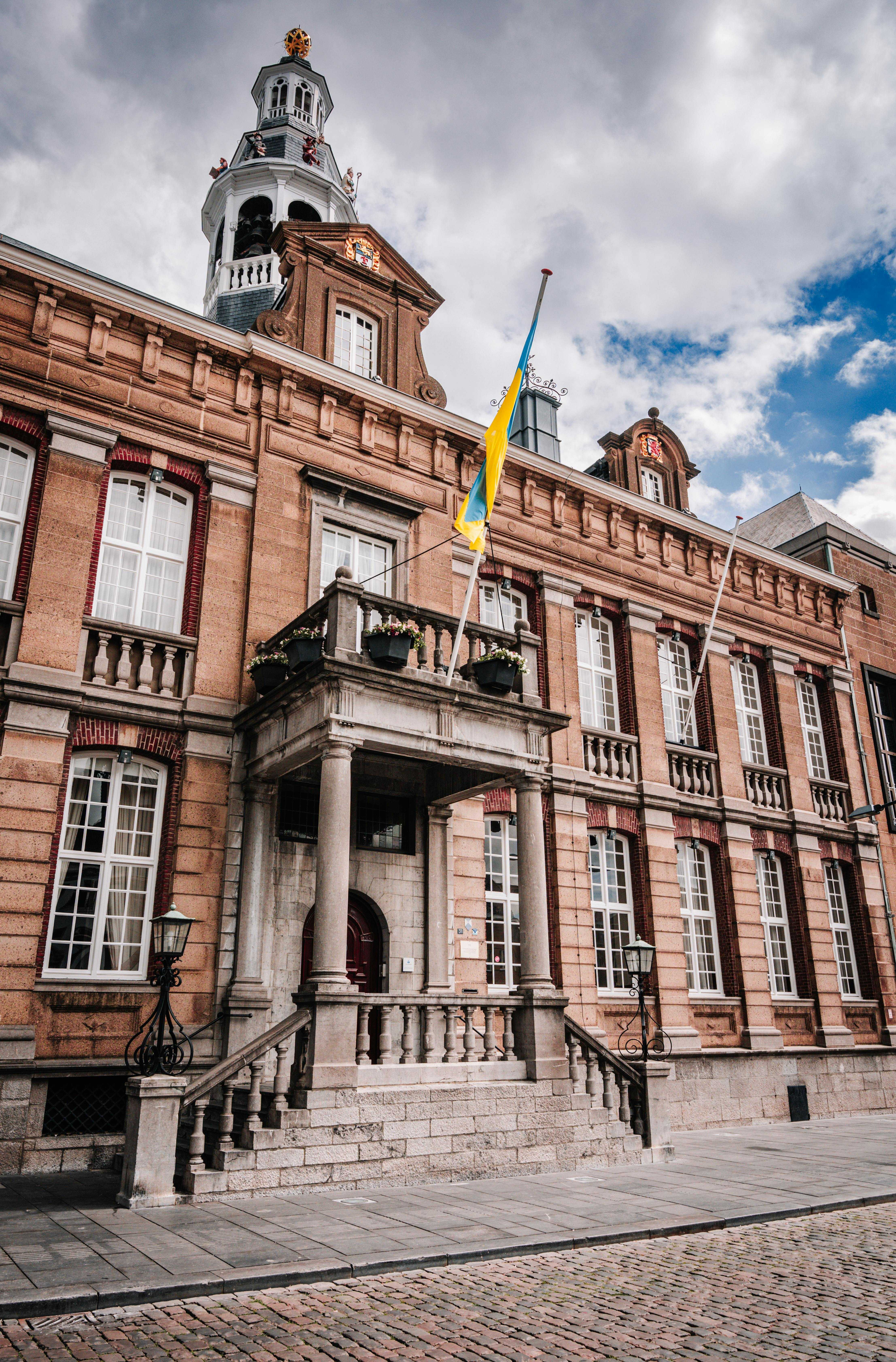
  2. Historical sites: The city has a rich history dating back to Roman times, and you can explore historical sites such as the Munsterkerk (Romanesque church), St. Christopher's Cathedral, and the Roermond City Hall.

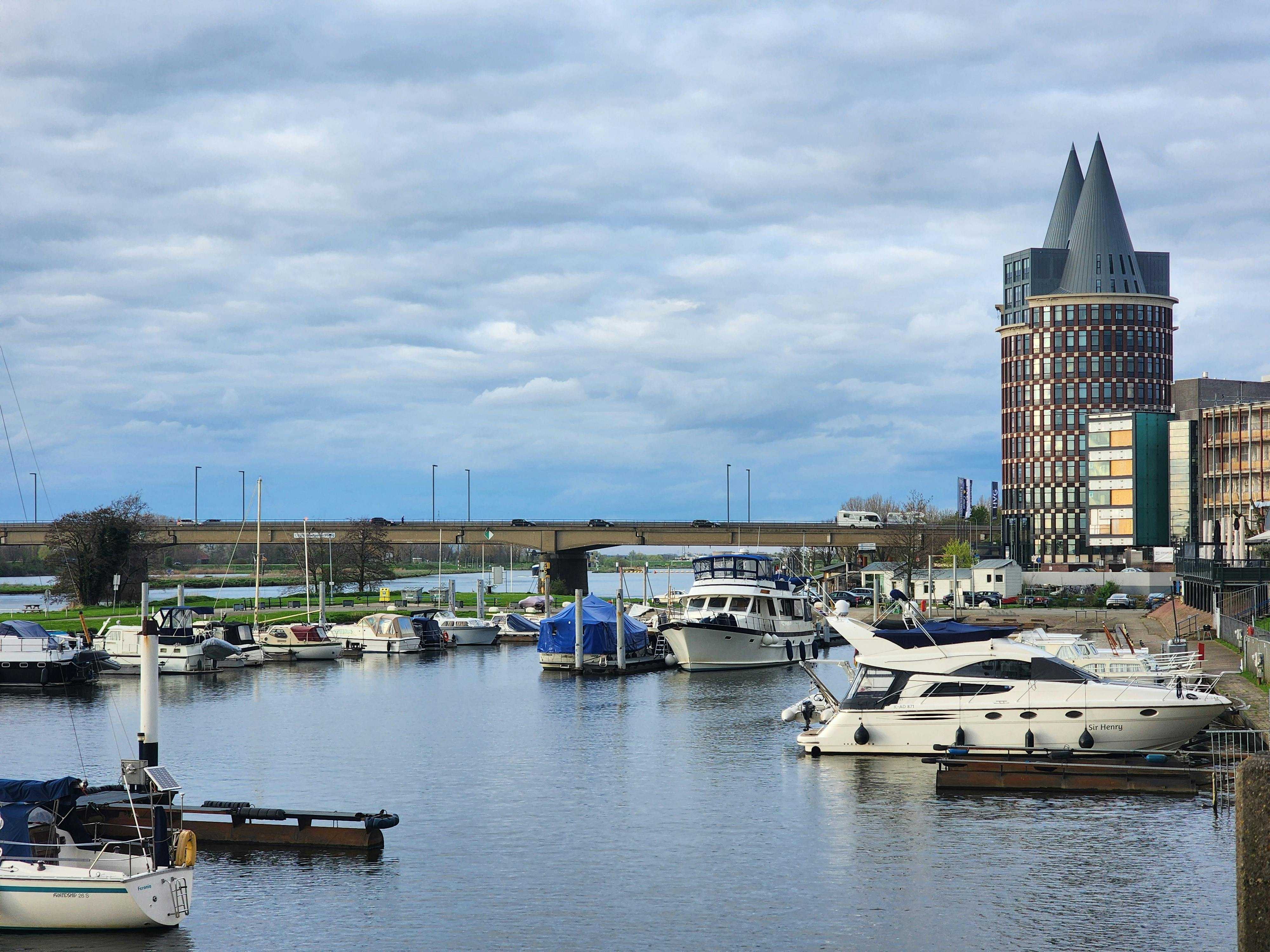
  3. Natural beauty: Roermond is situated on the banks of the Meuse River and surrounded by beautiful countryside, making it a great destination for nature lovers. You can enjoy scenic walks, cycling routes, and boat tours in the area.

  4. Culture and arts: The city has a vibrant cultural scene with museums, art galleries, and theaters. The Cuypershuis museum, dedicated to the work of the famous architect Pierre Cuypers, is a must-visit for art enthusiasts.

  5. Water sports: With its location near the Meuse River and several lakes, Roermond offers opportunities for water sports such as sailing, kayaking, and fishing.

Overall, Roermond offers a mix of shopping, history, nature, and culture, making it a well-rounded destination for travelers.

What to know

Roermond, located in the province of Limburg in the Netherlands, is a beautiful and charming city with a lot to offer visitors. However, like any destination, it also has some drawbacks. Some potential cons of traveling to Roermond may include:

  1. Limited public transportation options: Roermond is not as well-connected by public transportation compared to larger cities in the Netherlands. This may make it more challenging to get around if you don't have access to a car.

  2. Limited nightlife: While Roermond has some bars and restaurants, the nightlife scene may not be as vibrant as in larger cities like Amsterdam or Rotterdam. If you're looking for a bustling nightlife, Roermond may not be the best choice.

  3. Seasonal crowds: Roermond is a popular destination, especially during peak tourist seasons. This may result in crowded attractions, longer wait times at restaurants, and higher prices for accommodations.

  4. Limited English spoken: While many people in the Netherlands speak English, you may encounter more language barriers in smaller cities like Roermond. It's always helpful to have some basic knowledge of Dutch or use a translation app to communicate effectively.

  5. Weather: The weather in Roermond, as in the rest of the Netherlands, can be unpredictable, with frequent rain and cooler temperatures. Be prepared for varying weather conditions during your visit.

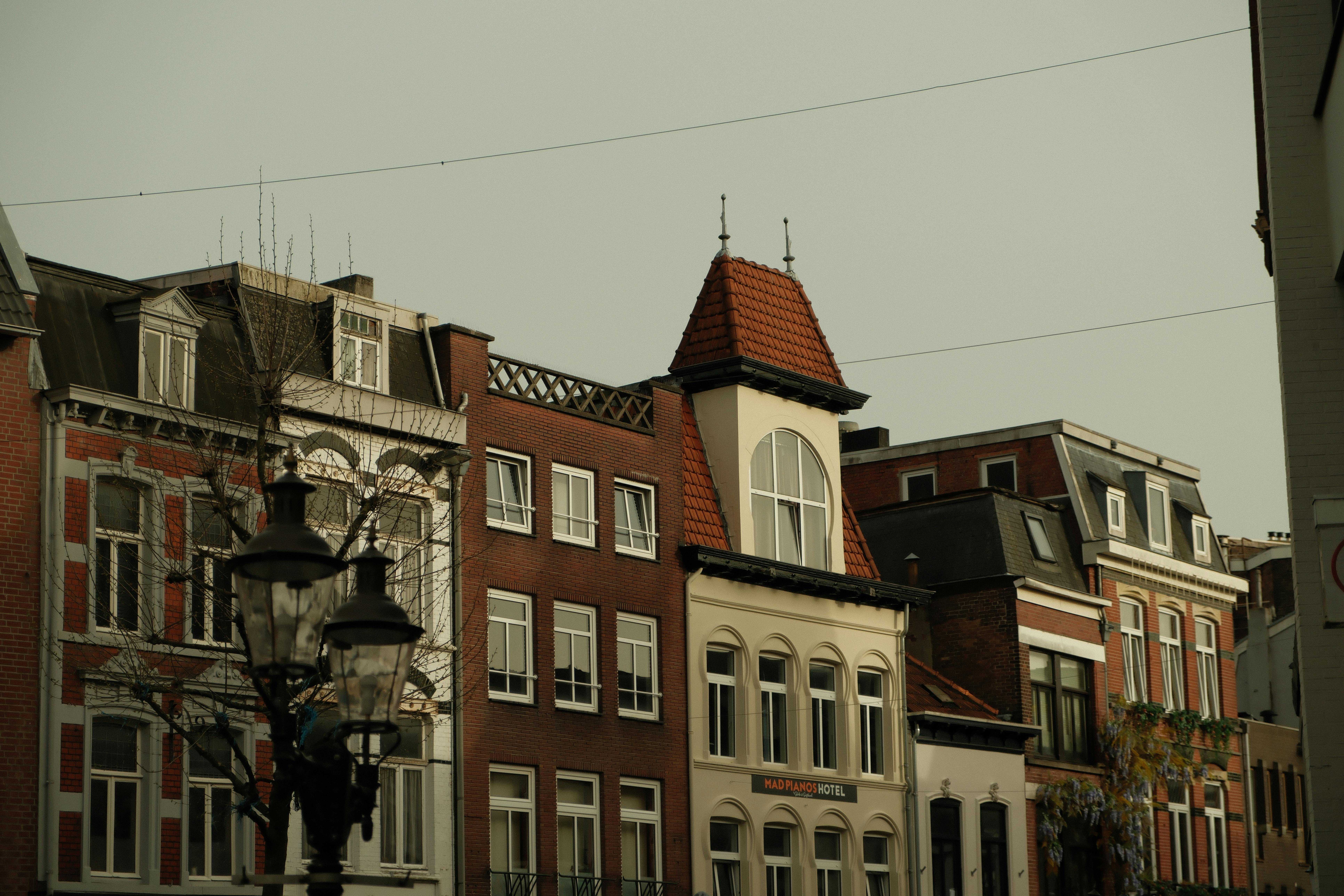
Overall, while Roermond has its drawbacks, it is still a lovely destination with picturesque architecture, beautiful nature, and a rich history. It's essential to weigh these potential cons against the many positive aspects of visiting Roermond when planning your trip.

Roermond is a city in the province of Limburg, in the southeastern part of the Netherlands. It has a rich history that reflects its strategic location and cultural significance over the centuries.

Early History

  • Roman Era: The area around Roermond was inhabited during Roman times, as evidenced by archaeological finds. The region was part of the Roman province of Germania Inferior.

Middle Ages

  • First Mention: Roermond was first mentioned in a document in 1130 and was granted city rights in 1231, which helped it grow in importance.
  • Bishopric: In 1559, Roermond became the seat of a new diocese, the Diocese of Roermond, making it an ecclesiastical center. The Munsterkerk (Munster Church), built in the 13th century, is one of the most significant religious buildings from this period.

16th and 17th Century

  • Spanish Rule: During the Eighty Years' War, Roermond was under Spanish control, and the city was an important Catholic stronghold.
  • Sieges: Roermond was besieged several times due to its strategic location on the Maas River, notably in 1572 by the Geuzen and later in 1632 when it was captured by Frederick Henry, Prince of Orange.

18th Century

  • Austrian and French Rule: In the 18th century, Roermond was part of the Austrian Netherlands and later came under French control during the Napoleonic Wars.

19th Century

  • Incorporation into the Netherlands: After the defeat of Napoleon, Roermond became part of the United Kingdom of the Netherlands in 1815.

20th Century

  • World War II: Roermond suffered significant damage during World War II, particularly during the German occupation and the subsequent liberation battles.
  • Post-War Reconstruction: After the war, Roermond underwent extensive reconstruction and modernization.

Modern Day

  • Cultural and Economic Center: Today, Roermond is known for its vibrant cultural scene, historical architecture, and as a shopping destination with the Designer Outlet Roermond.

Notable Landmarks

  • Munsterkerk (Munster Church): A fine example of Romanesque architecture, the church dates back to the 13th century and is one of the prominent landmarks.
  • St. Christopher's Cathedral: The Gothic-style cathedral was originally built in the 15th century and is the seat of the Diocese of Roermond.
  • Roer and Maas Rivers: The city's location at the confluence of these rivers has historically contributed to its importance as a trade and transport hub.

Significant Figures

  • Pierre Cuypers: A famous Dutch architect born in Roermond, known for designing the Rijksmuseum and the Central Station in Amsterdam.
  • Jozef van Roey: The Cardinal Archbishop of Mechelen, known for his influence in the Catholic Church.

Roermond's historical and cultural heritage is reflected in its architecture, events, and the vibrant life that continues to flourish there today.