
Riyadh
· SA

Riyadh

Riyadh, Ar Riyad, Saudi Arabia

Riyadh, the vibrant capital of Saudi Arabia, is a bustling metropolis that seamlessly blends tradition and modernity. As the heart of the kingdom, Riyadh is a hub of commerce, culture, and history. Immerse yourself in th…

#capital city#urban#modern#Middle Eastern#hot climate
1/6

Top hotels & flights

Hand-picked stays and the best fares into Riyadh.

Top Hotels in Riyadh

Top Flights to Riyadh

Location videos

Real reels from travelers, plus longer watches to get the full picture.

From travelers
Watch & explore

Practical info

The essentials for planning your time in Riyadh.

Currency
ر.س | SAR | Saudi Riyal
Population
The approximate estimated total population of Riyadh, Ar Riyad, Saudi Arabia is 7.7 million.
Languages
Arabic, Arabic
Average weather
Riyadh
Jan
clear
20°9°
Feb
clear
23°11°
Mar
clear
27°15°
Apr
sun
33°20°
May
hot
39°25°
Jun
hot
42°28°
Jul
hot
43°29°
Aug
hot
43°29°
Sep
hot
40°26°
Oct
sun
35°21°
Nov
clear
28°16°
Dec
clear
22°11°

Local guide

What travelers love, what to watch for, and a deeper read on Riyadh.

What people love

Riyadh, the capital city of Saudi Arabia, offers a unique and intriguing travel experience with several pros for visitors:

  1. Rich History and Culture: Riyadh is steeped in history and culture, with numerous museums, historic sites, and cultural attractions that showcase the heritage of Saudi Arabia.

  2. Modern Infrastructure: As a rapidly developing city, Riyadh boasts modern infrastructure including luxurious hotels, shopping malls, and entertainment venues, providing visitors with a comfortable and convenient stay.

  3. Authentic Arabian Cuisine: Visitors can savor authentic Arabian cuisine in Riyadh, with a wide range of traditional dishes and culinary delights to explore, from succulent kebabs to fragrant rice dishes.

  4. Traditional Souks and Markets: Riyadh is home to vibrant souks and markets where visitors can shop for traditional handicrafts, textiles, spices, and other local products, offering a unique shopping experience.

  5. Desert Adventures: Riyadh is surrounded by expansive deserts, providing opportunities for desert safaris, camel rides, and other desert adventures for those seeking a taste of the Arabian wilderness.

  6. Warm Hospitality: Saudi Arabian hospitality is renowned for its warmth and generosity, and visitors to Riyadh can expect to be welcomed with open arms and experience the traditional hospitality of the region.

Overall, traveling to Riyadh can offer an enriching and unforgettable experience for those interested in exploring the history, culture, and traditions of Saudi Arabia.

What to know

Traveling to Riyadh, Saudi Arabia, has some potential challenges that visitors should be aware of. Here are some cons of traveling to Riyadh:

  1. Strict Laws and Cultural Practices: Saudi Arabia has strict laws and regulations based on Islamic Sharia law. Visitors must adhere to these laws, including restrictions on public behavior, dress code, and interactions between men and women. Violating these laws can result in severe penalties.

  2. Climate: Riyadh has a desert climate with extremely high temperatures, especially during the summer months. The heat can be intense and may be challenging for those not accustomed to such conditions.

  3. Limited Entertainment Options: Compared to some other international cities, Riyadh may have limited entertainment options, especially for those looking for nightlife or alcohol-related activities. The city is more conservative in nature, and entertainment choices may be more limited.

  4. Language Barrier: Arabic is the official language in Saudi Arabia, and while English is widely spoken in business and tourist areas, there may still be a language barrier when traveling to Riyadh, especially in more local or rural areas.

  5. Gender Segregation: Riyadh follows strict gender segregation in public places, such as restaurants, cafes, and public transportation. It's important for visitors to be aware of and respect these cultural norms during their stay.

  6. Health and Safety Concerns: Like any travel destination, Riyadh has its health and safety considerations. Visitors should be mindful of the local healthcare system, potential health risks like the extreme heat, and security issues that may arise.

  7. Visa Requirements: Travelers to Saudi Arabia may need to obtain a visa before arrival, depending on their nationality. The visa application process can be complex, and travelers should ensure they have the necessary documentation in order.

It's essential for visitors to Riyadh to research and prepare adequately for their trip to ensure a smooth and enjoyable experience.

Riyadh, the capital city of Saudi Arabia, has a rich history that reflects the broader evolution of the Arabian Peninsula. Here's a detailed history of Riyadh, including significant events, historical figures, and important landmarks:

Early History

  • Pre-Islamic Era: The area where Riyadh is located was historically part of the region known as Najd. It was a center for Arab tribes and a site of trade and commerce.
  • Islamic Era: With the rise of Islam in the 7th century, the region became part of the Islamic caliphates. However, Riyadh itself was a small settlement until later periods.

Foundation and Growth

  • 18th Century: The town of Riyadh began to rise in prominence in the 18th century when it became part of the First Saudi State (1744-1818). The Al Saud family, led by Muhammad ibn Saud, allied with the Islamic scholar Muhammad ibn Abd al-Wahhab, creating a religious-political alliance that would form the basis of the Saudi state.
  • 1824: Turki bin Abdullah bin Muhammad reestablished the Saudi rule in Riyadh, making it the capital of the Second Saudi State after the fall of Diriyah.

Modern Era

  • 1902: A pivotal event in Riyadh's history occurred when Abdulaziz Ibn Saud recaptured the city from the rival Al Rashid family, marking the beginning of the modern Saudi state. This event is known as the Raid of Riyadh.
  • 1932: Abdulaziz Ibn Saud established the Kingdom of Saudi Arabia, with Riyadh as its capital. This marked the unification of the country and set the stage for its modern development.

Development and Expansion

  • 20th Century: Throughout the 20th century, Riyadh transformed from a small town into a modern metropolis. The discovery of oil in Saudi Arabia in 1938 brought wealth and rapid development to the city.
  • 1970s-1980s: The city underwent significant urban development, with massive infrastructure projects, including roads, telecommunications, and modern buildings.

Significant Landmarks

  • Masmak Fortress: A 19th-century clay and mudbrick fort that was the site of the 1902 Battle of Riyadh, where Ibn Saud's forces captured the city.
  • Riyadh's Diplomatic Quarter: Home to numerous embassies and consulates, showcasing modern architectural styles.
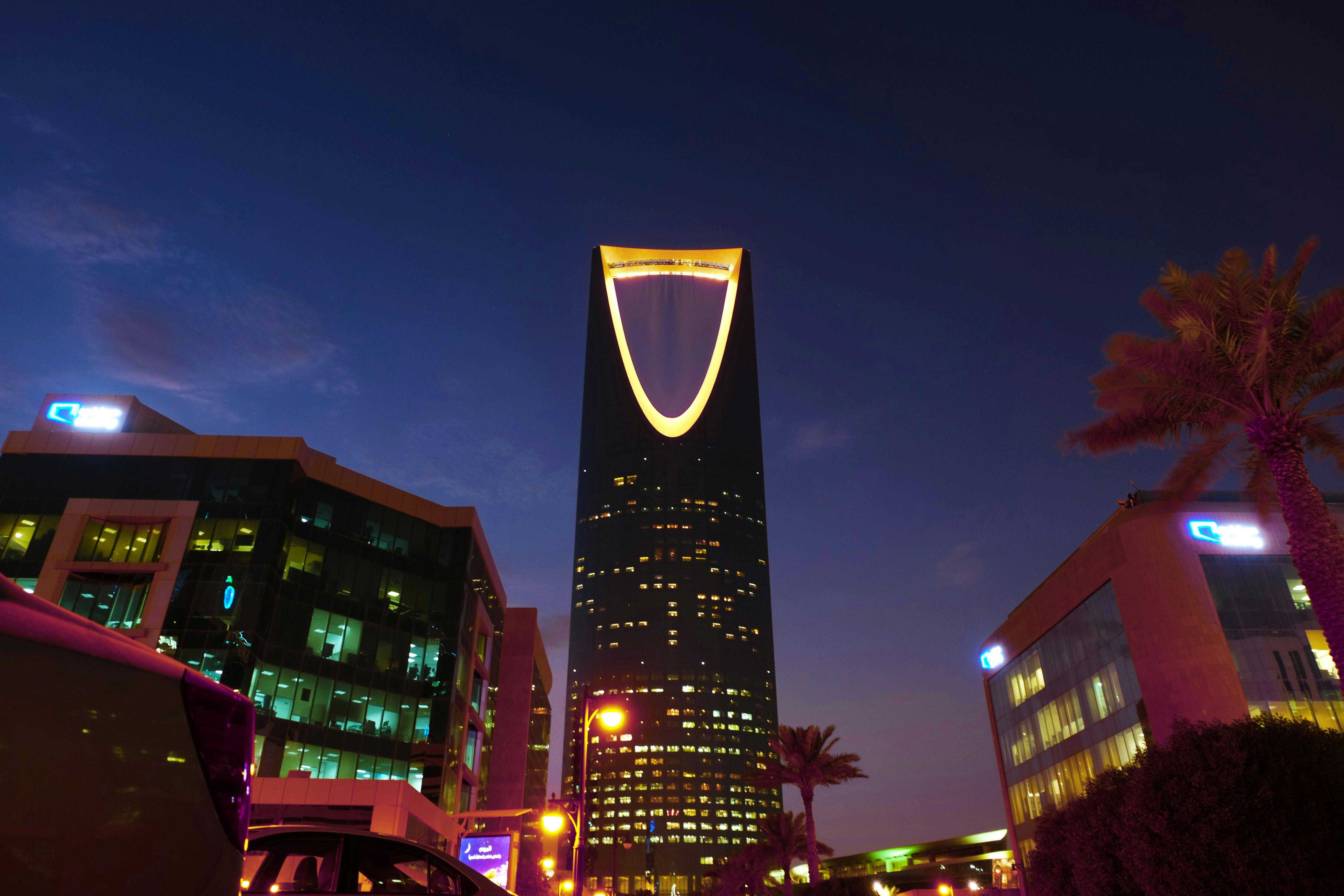
  • Kingdom Centre: A landmark skyscraper featuring a sky bridge and one of the most recognizable structures in the city.
  • Al Faisaliyah Center: Another iconic skyscraper in Riyadh, known for its distinctive ball-shaped top.

Recent Developments

  • 21st Century: Riyadh continues to expand and modernize. The city has hosted numerous international events and conferences as part of Saudi Arabia's Vision 2030 initiative, which aims to diversify the economy and reduce dependence on oil.
  • Cultural and Social Reforms: Recent years have seen significant cultural and social changes, including the introduction of entertainment venues, cinemas, and various cultural festivals.

Historical Figures

  • Abdulaziz Ibn Saud: The founder of modern Saudi Arabia, who played a crucial role in recapturing Riyadh and establishing the kingdom.
  • Muhammad ibn Abd al-Wahhab: An influential Islamic scholar whose alliance with the Al Saud family was instrumental in the formation of the Saudi state.

Riyadh today is a symbol of both tradition and modernity, balancing its rich historical heritage with ambitious plans for the future.