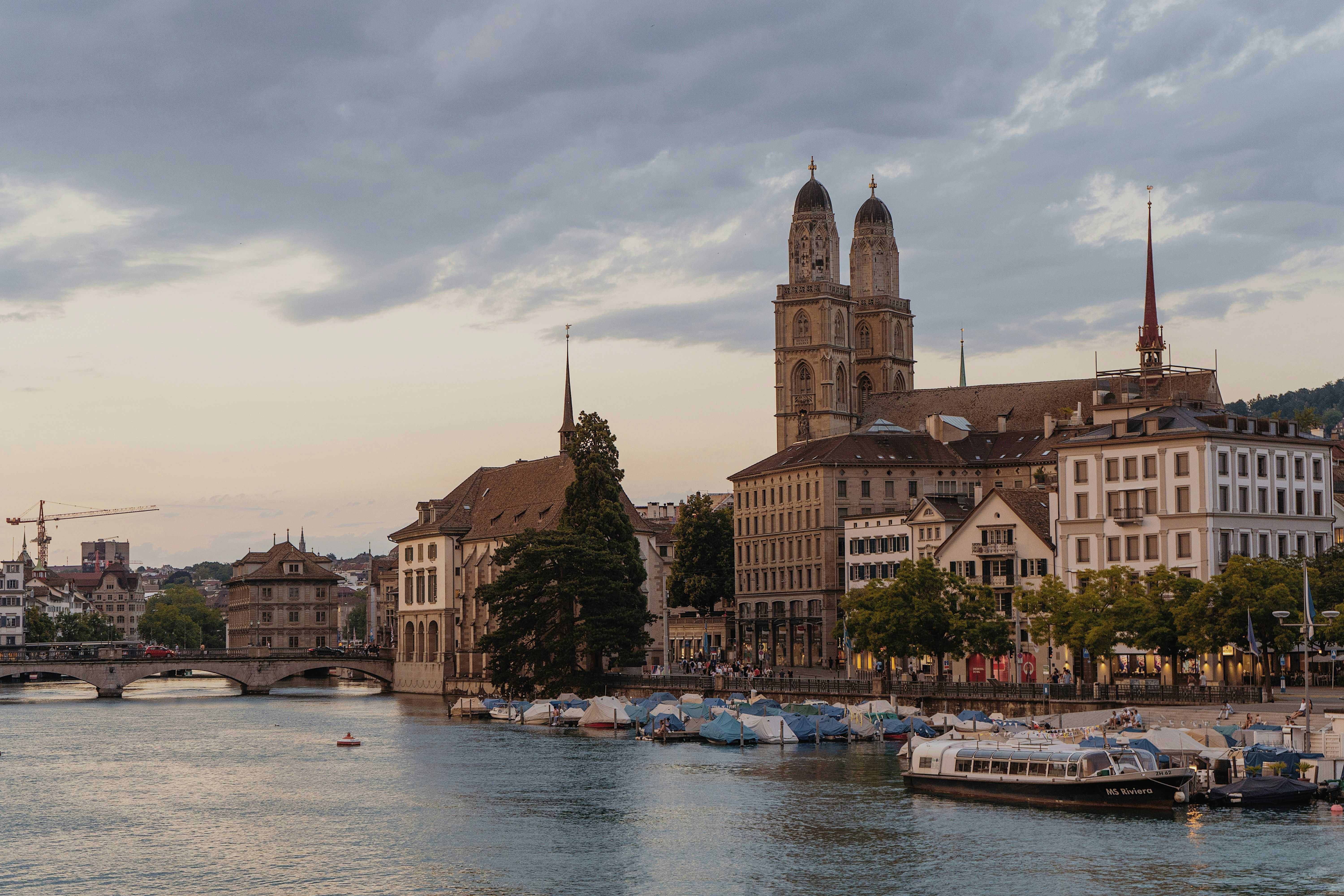

Richterswil
· CH

Richterswil

Richterswil, Zurich, Switzerland

Richterswil, located in the canton of Zürich, Switzerland, is a charming town nestled along the shores of Lake Zürich. This picturesque destination offers a perfect blend of natural beauty, rich history, and vibrant cult…

#Richterswil#Zürich#Switzerland#Scenic views#Lake Zurich
1/5

Top hotels & flights

Hand-picked stays and the best fares into Richterswil.

Top Hotels in Richterswil

Top Flights to Richterswil

Location videos

Real reels from travelers, plus longer watches to get the full picture.

From travelers

Practical info

The essentials for planning your time in Richterswil.

Currency
Fr. | CHF | Swiss Franc
Population
The approximate estimated total population of Richterswil, Zurich, Switzerland, is '14.5 thousand'.
Languages
German, Swiss German
Average weather
Richterswil
Jan
snow
3°-1°
Feb
cold
5°-1°
Mar
cloud
10°1°
Apr
rain
14°4°
May
cloud
19°8°
Jun
sun
23°12°
Jul
sun
25°14°
Aug
sun
24°14°
Sep
cloud
20°11°
Oct
rain
14°6°
Nov
rain
8°2°
Dec
snow
4°-1°

Local guide

What travelers love, what to watch for, and a deeper read on Richterswil.

What people love

Richterswil is a charming town located in the canton of Zürich in Switzerland. Here are some pros of traveling to Richterswil:

  1. Scenic Beauty: Richterswil is situated on the picturesque Lake Zurich, offering stunning views of the lake and the surrounding mountains. Visitors can enjoy leisurely walks along the lakeshore or even take a boat cruise to explore the area.

  2. Outdoor Activities: The region around Richterswil offers numerous opportunities for outdoor activities such as hiking, biking, and water sports. There are well-marked hiking trails that lead through the beautiful Swiss countryside, perfect for nature lovers and outdoor enthusiasts.

  3. Cultural Attractions: Richterswil is home to several cultural attractions, including the Richterswil Castle and the Richterswil Museum. Visitors can explore the history and heritage of the town through these attractions, gaining insight into the local culture.

  4. Proximity to Zurich: Richterswil is conveniently located near the city of Zurich, Switzerland's largest city. This makes it easy for visitors to explore the vibrant city life, shopping, dining, and cultural attractions that Zurich has to offer while enjoying a peaceful retreat in Richterswil.

  5. Relaxing Atmosphere: Richterswil is known for its tranquil and laid-back atmosphere, making it an ideal destination for those looking to unwind and relax. The peaceful surroundings and the fresh mountain air contribute to a rejuvenating experience for travelers.

Overall, Richterswil offers a perfect blend of natural beauty, outdoor activities, cultural attractions, and relaxation, making it a great destination for travelers seeking a peaceful yet enriching experience in Switzerland.

What to know

Information not available.

Richterswil is a charming municipality located on the shores of Lake Zurich in the canton of Zurich, Switzerland. Its history is rich and varied, reflecting the broader historical trends of the region.

Early History

Richterswil's history can be traced back to Roman times when the area was part of the Roman Empire. Evidence of Roman settlements has been found in the region, indicating its early habitation. However, the first documented mention of Richterswil dates back to 1265, when it was referred to as "Richtliswile."

Medieval Period

During the Middle Ages, Richterswil was under the control of various local lords. The region was part of the County of Kyburg, which was later absorbed by the Habsburgs. In the 14th century, Zurich acquired control over the area, incorporating it into its territories. This period was marked by the gradual development of small farming communities.

Reformation and Early Modern Period

The Protestant Reformation of the 16th century significantly impacted Richterswil, as it did the rest of the canton. The area became predominantly Protestant, which shaped its cultural and religious life. In the early modern period, Richterswil developed as a center for agriculture and viticulture, benefiting from its fertile lands and favorable climate.

18th to 19th Century

Richterswil experienced growth in the 18th century as part of the broader economic expansion within the Swiss Confederation. The introduction of the textile industry, particularly cotton spinning and weaving, contributed to the local economy. By the 19th century, the construction of the railways connected Richterswil more closely with Zurich, facilitating further economic development and integration.

20th Century to Present

The 20th century saw Richterswil transforming from an agricultural and industrial community into a more suburban residential area, as improved transportation links made commuting to Zurich feasible. The population grew, and the municipality expanded its infrastructure and services to accommodate this growth.

Notable Events

One of the most notable traditional events in Richterswil is the "Räbechilbi," a festival that takes place annually on the second Saturday of November. It is famous for its parade of illuminated turnips and dates back to the 19th century. The festival is a significant cultural event and attracts visitors from all over.

Landmarks

Several landmarks highlight Richterswil’s historical and cultural heritage:

  • Church of St. Martin: A prominent Protestant church in the village, reflecting the religious history of the area.
  • Old Town: The historic center of Richterswil, with charming streets and traditional Swiss architecture.
  • Lake Zurich: Offering scenic views and recreational opportunities, the lake is integral to Richterswil's identity.
  • Hütten Zoo: A small zoo in the vicinity, popular with families.

Historical Figures

While Richterswil does not have widely recognized historical figures of international fame, it is home to many families and individuals who have contributed to the local culture and economy over the centuries.

In summary, Richterswil's history is characterized by its transition from a medieval farming community to a modern suburban municipality, with a rich cultural heritage and strong ties to the city of Zurich.