
Reston
· US

Reston

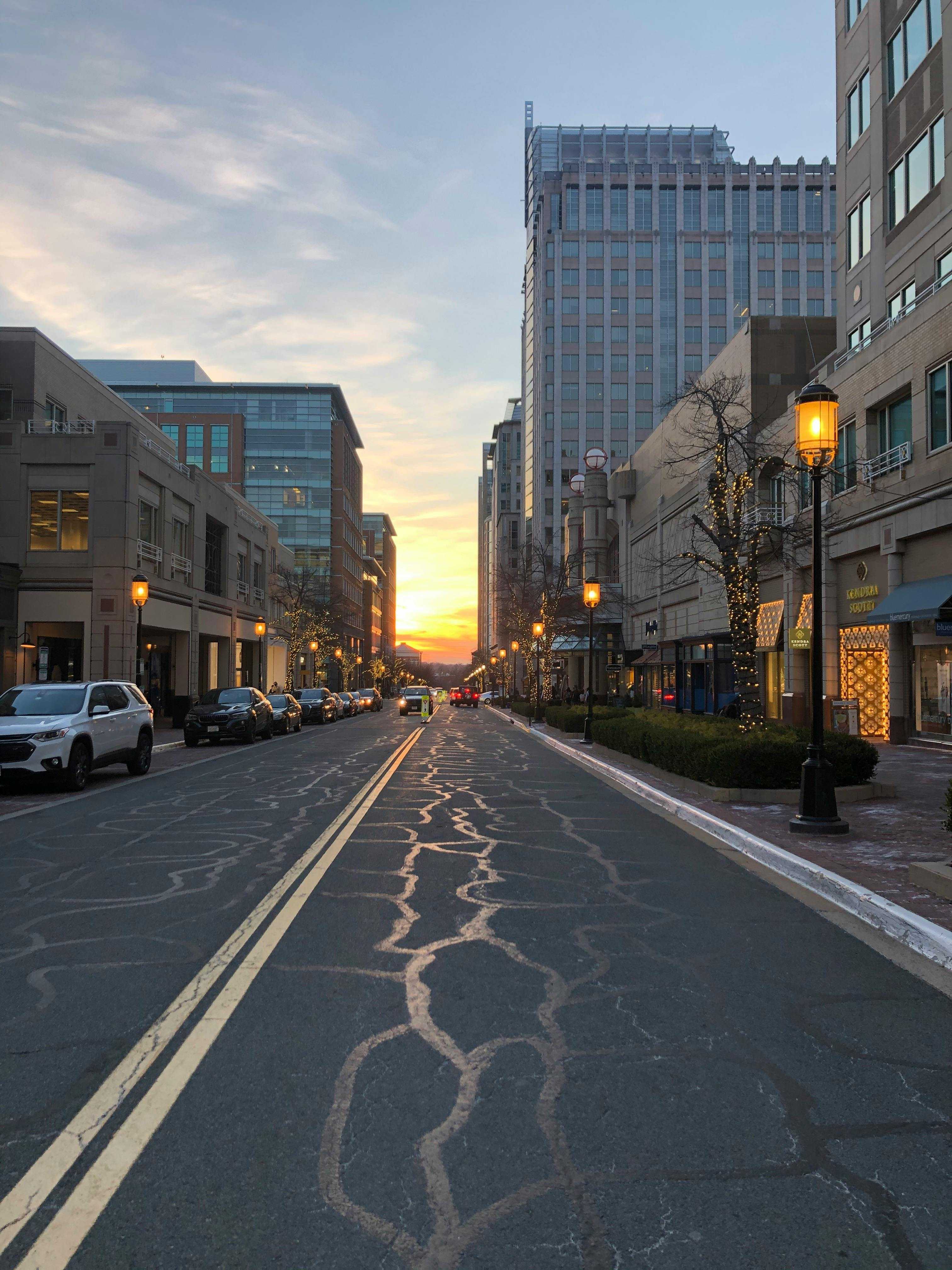
Reston, Virginia, United States

Escape the Ordinary in Reston, Virginia Reston, Virginia isn't your typical suburb. Nestled amidst the rolling hills just 20 miles outside Washington, D.C., it offers a unique blend of vibrant urban energy and serene nat…

#Suburban#Tech hub#Lakefront#Planned community#Diverse
1/4

Top hotels & flights

Hand-picked stays and the best fares into Reston.

Top Hotels in Reston

Top Flights to Reston

Location videos

Real reels from travelers, plus longer watches to get the full picture.

Watch & explore

Practical info

The essentials for planning your time in Reston.

Currency
$ | USD | US Dollar
Population
As of the most recent estimates, the population of Reston, Virginia is approximately 60,000.
Languages
English, English
Average weather
Reston
Jan
cold
5°-4°
Feb
cold
7°-3°
Mar
cloud
12°1°
Apr
rain
18°6°
May
sun
24°12°
Jun
sun
29°17°
Jul
hot
31°20°
Aug
hot
30°19°
Sep
sun
26°15°
Oct
clear
19°8°
Nov
cloud
13°3°
Dec
cold
7°-2°

Local guide

What travelers love, what to watch for, and a deeper read on Reston.

What people love

Reston, Virginia, is a planned community located in Northern Virginia, just outside of Washington, D.C. Here are some pros of traveling to Reston:

  1. Natural Beauty: Reston is known for its lush greenery, parks, and lakes. The town was designed with a focus on preserving natural surroundings, making it a picturesque destination for nature lovers.

  2. Outdoor Activities: Reston offers a wide range of outdoor activities, including hiking and biking trails, water sports on Lake Anne and Lake Fairfax, and golf courses. There are also numerous parks and green spaces for picnicking and enjoying the outdoors.

  3. Shopping and Dining: Reston Town Center is a popular destination for shopping, dining, and entertainment. The area features a variety of shops, restaurants, cafes, and bars, providing plenty of options for visitors to explore.

  4. Cultural Attractions: Reston has a vibrant arts community, with galleries, public art installations, and performance spaces. The Reston Community Center offers a variety of cultural events and activities for residents and visitors alike.

  5. Convenient Location: Reston is located near major highways and public transportation, making it easy to access other attractions in the Washington, D.C. metropolitan area. Visitors can easily explore nearby cities like Arlington, Alexandria, and D.C. itself.

Overall, Reston offers a mix of natural beauty, outdoor activities, cultural attractions, and convenient location, making it a great destination for travelers looking to relax and explore.

What to know

Reston, Virginia is a beautiful and vibrant community, but like any destination, there are some cons to consider when traveling there:

  1. Traffic: Reston is located in the Washington, D.C. metropolitan area, which means it can experience heavy traffic congestion, especially during rush hours. This could impact travel time and cause delays when trying to get around the area.

  2. Cost of living: Reston is known for being an affluent community, so the cost of living, including accommodations, dining, and other expenses, can be higher compared to other areas. Travelers may find that their budget doesn't stretch as far in Reston as in other destinations.

  3. Weather: Reston experiences all four seasons, with hot and humid summers and cold winters. Depending on personal preferences, travelers may find the weather uncomfortable at certain times of the year.

  4. Limited public transportation: While Reston does have public transportation options like buses and the Washington Metro Silver Line, the system may not be as extensive or convenient as in other cities. Renting a car or relying on rideshare services may be necessary for getting around.

  5. Crowds: Reston is a popular destination for both tourists and locals, especially during weekends and holidays. This could lead to crowded attractions, restaurants, and other facilities, impacting the overall travel experience.

Overall, while Reston has many attractions and amenities to offer, travelers should consider these potential cons when planning their trip to ensure a smooth and enjoyable visit.

Reston, Virginia, is a planned community in Fairfax County, founded with the vision of creating a balanced community with residential, commercial, and recreational spaces. Its development and evolution have made it a significant model for modern urban planning. Here is a detailed history of Reston, including significant events, historical figures, and important landmarks:

Founding and Early History

  • 1961: The land for Reston was purchased by Robert E. Simon Jr., a New York real estate developer, who bought approximately 6,750 acres of land, which was part of the A. Smith Bowman Distillery.
  • 1964: Reston was officially founded on April 10, 1964. Simon's plan was to create a new town where people could live, work, and play without having to travel long distances. This was a significant departure from the typical suburban developments of the time.
  • Robert E. Simon Jr.: As the founder of Reston, Simon's vision was guided by seven key principles that focused on mixed-use development, residential diversity, and abundant green space. His influence is still evident in the community's layout and amenities.

Development and Growth

  • 1960s-1970s: Reston's early development included the creation of Lake Anne Village Center, which served as the community's first village center and remains a central landmark. The village center was designed by architect James Rossant and is known for its Brutalist architecture.
  • 1970: Reston was one of the first modern, post-war planned communities in the United States that integrated residential development with commercial and recreational facilities.
  • Reston Town Center: Opened in 1990, this became a central hub for business, shopping, and entertainment, marking a significant phase in Reston's growth as a commercial destination.

Significant Events and Developments

  • 1978: Reston was recognized with a Department of Housing and Urban Development award for its innovative planning and development.
  • 1989: The opening of the Reston Town Center signified a shift towards more urban development within the community.

Landmarks and Infrastructure

  • Lake Anne Village Center: A notable historic district, it was listed on the National Register of Historic Places in 2017. It includes residential buildings, shops, and the iconic Heron House.
  • Reston Town Center: A landmark of mixed-use urban planning featuring offices, retail stores, and residential spaces, with open plazas for events and community gatherings.
  • Dulles Toll Road and Metro Silver Line: The infrastructure developments like the Dulles Toll Road and the extension of the Washington Metro's Silver Line have significantly improved accessibility and connectivity, fostering further growth in Reston.

Present Day

Reston is regarded as a successful example of a planned community that accommodates growth while maintaining green spaces and a high quality of life for its residents. It continues to grow and evolve, adapting to modern needs while staying true to the principles set out by its founder, Robert E. Simon Jr.

Reston's history and development have made it an important case study in urban planning and community development. Its emphasis on mixed-use development and community amenities has influenced urban planning practices beyond the region.