
Puyang
· CN

Puyang

Puyang, Henan, China

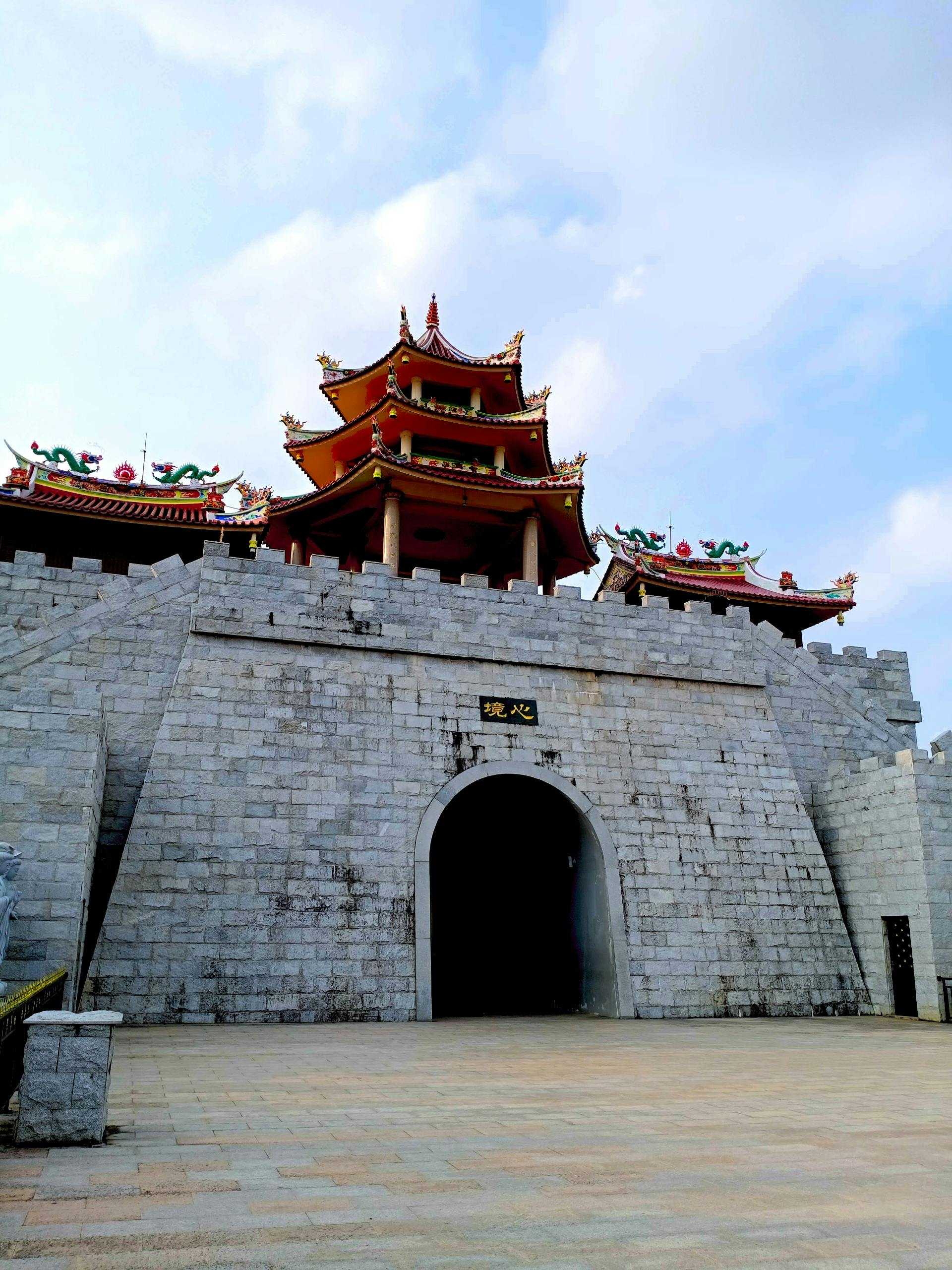
Step Back in Time and Discover the Charm of Puyang, China Puyang, nestled in the heart of Henan Province, China, offers a captivating blend of ancient history, fascinating culture, and warm hospitality. While not as well…

#Puyang#Henan#China#City#Urban
1/7

Top hotels & flights

Hand-picked stays and the best fares into Puyang.

Top Hotels in Puyang

Top Flights to Puyang

Location videos

Real reels from travelers, plus longer watches to get the full picture.

From travelers
Watch & explore

Practical info

The essentials for planning your time in Puyang.

Currency
¥ | CNY | Chinese Yuan
Population
The approximate estimated total population of Puyang, Henan, China is 3.6 million.
Languages
Chinese, Mandarin
Average weather
Puyang
Jan
cold
5°-4°
Feb
cold
8°-2°
Mar
cloud
14°3°
Apr
cloud
21°10°
May
clear
27°16°
Jun
hot
31°21°
Jul
hot
32°25°
Aug
hot
31°24°
Sep
clear
27°19°
Oct
cloud
21°12°
Nov
cloud
13°5°
Dec
cold
7°-2°

Local guide

What travelers love, what to watch for, and a deeper read on Puyang.

What people love

Puyang, located in Henan, China, offers a unique travel experience with several notable attractions and activities. Here are some pros of traveling to Puyang:

  1. Long history and culture: Puyang has a rich history dating back over 5,000 years, with archaeological sites such as the Xiadu Relic Site and the Tangyong Cultural Site providing insight into the region's ancient past.

  2. Yuntai Mountain: Located near Puyang, Yuntai Mountain is known for its stunning natural scenery, including waterfalls, canyons, and lush forests. Outdoor enthusiasts can enjoy activities such as hiking, rock climbing, and exploring the various scenic spots.

  3. Puyang Museum: The Puyang Museum houses a diverse collection of artifacts and exhibits related to the region's history, culture, and archaeology. Visitors can learn about the development of Puyang and its significance in Chinese history.

  4. Local cuisine: Puyang is known for its delicious local cuisine, with specialties such as Puyang beef noodles, braised pork belly, and various street foods. Food lovers can indulge in a culinary adventure and savor the authentic flavors of the region.

  5. Festivals and events: Puyang hosts various traditional festivals and events throughout the year, offering visitors the opportunity to experience local customs, performances, and celebrations. The lively atmosphere and cultural activities make for a memorable travel experience.

Overall, traveling to Puyang can provide a blend of history, nature, culture, and gastronomy, making it a worthwhile destination for those seeking a unique and immersive travel experience in China.

What to know

Information not available.

Puyang, located in the northeastern part of Henan Province, China, has a rich history that spans several millennia. Here’s a detailed look at its history, significant events, historical figures, and important landmarks:

Historical Overview:

  • Ancient Times: Puyang is known to have been inhabited since ancient times. It is part of the Central Plains region, which is considered the cradle of Chinese civilization. Archeological findings, such as the Hemudu Culture artifacts, indicate early human activities in the area.

  • Spring and Autumn Period (770–476 BC): During this era, the area was part of the State of Wei. It was an important location due to its strategic position.

  • Warring States Period (475–221 BC): Puyang continued to play a role in regional power struggles. The city was part of the territory of the influential State of Wei.

  • Han Dynasty (206 BC–220 AD): The region became more developed during this time, with improvements in agriculture and infrastructure.

  • Three Kingdoms Period (220–280 AD): The area experienced turmoil and changing control between rival kingdoms.

  • Tang Dynasty (618–907 AD): Puyang saw significant cultural and economic development. The region was part of the important canal system that facilitated trade and transportation.

  • Song Dynasty (960–1279 AD): The area continued to prosper, benefiting from advances in technology, agriculture, and commerce.

Significant Events:

  • Yellow River Floods: Puyang has historically been affected by the flooding of the Yellow River, which has shaped its landscape and influenced its development patterns.

  • Modern Era Developments: In the 20th century, Puyang experienced industrial growth, particularly in the oil and petrochemical sectors.

Historical Figures:

  • Wu Qi (440–381 BC): A notable military general and strategist who served during the Warring States period. He was associated with the State of Wei and contributed to military reforms.

Important Landmarks:

  • Qicheng Ruins: These ancient ruins are linked to the early development of civilization in Puyang and provide insights into the early urban planning and architecture of the region.

  • Puyang Museum: This museum offers a comprehensive look at the local history, culture, and archeological findings from the area, showcasing artifacts from various periods, including the Neolithic era.

  • Yuntai Mountain Scenic Area: While not directly in Puyang, it is a significant natural landmark in the nearby region, offering scenic views and historical significance.

Puyang's history is marked by its strategic location, which made it a focal point for early Chinese civilizations and subsequent historical developments. The city continues to blend its rich past with modern growth, maintaining its significance in Henan Province.