
Pudong
· CN

Pudong

Pudong, Shanghai, China

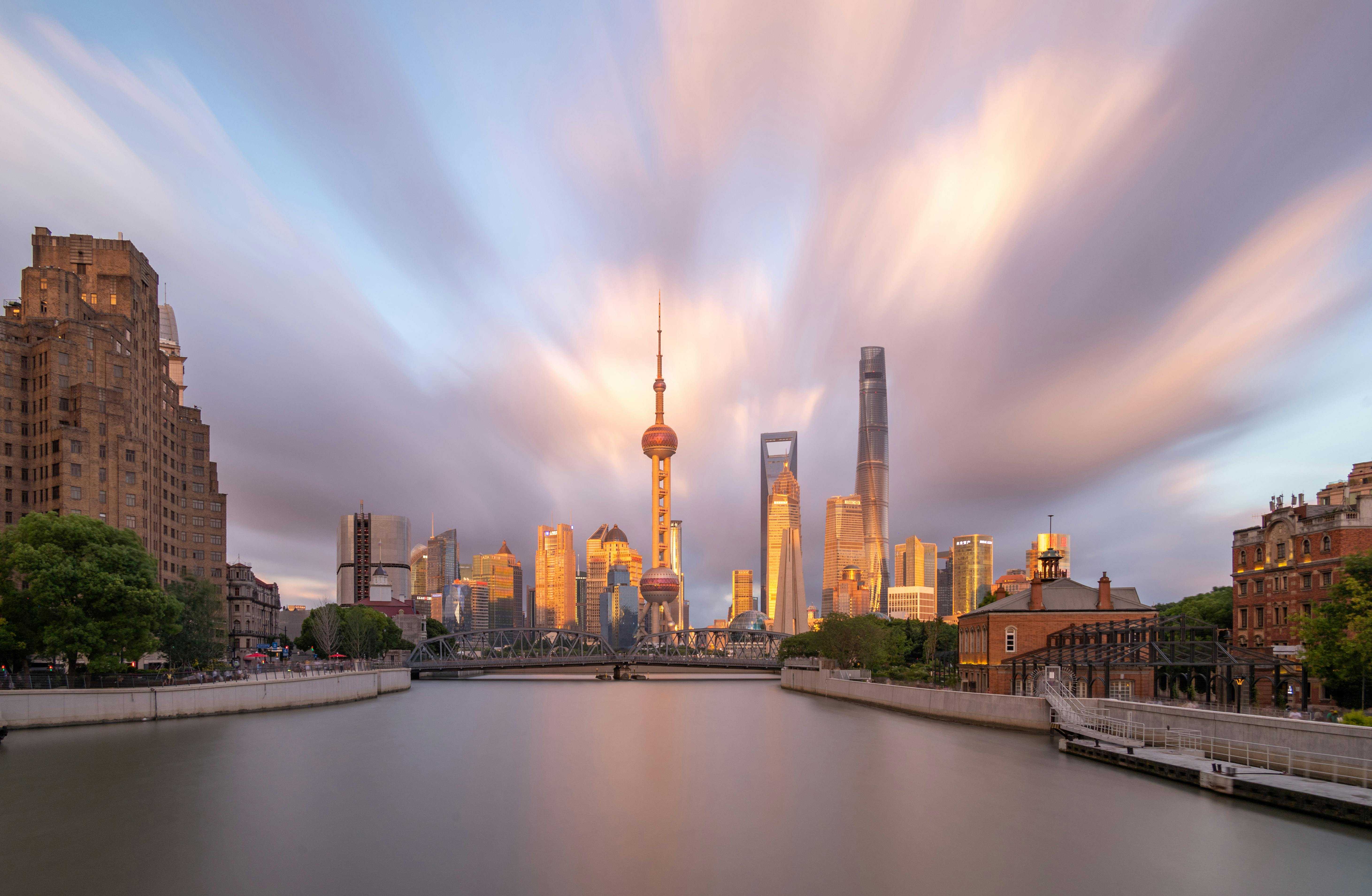
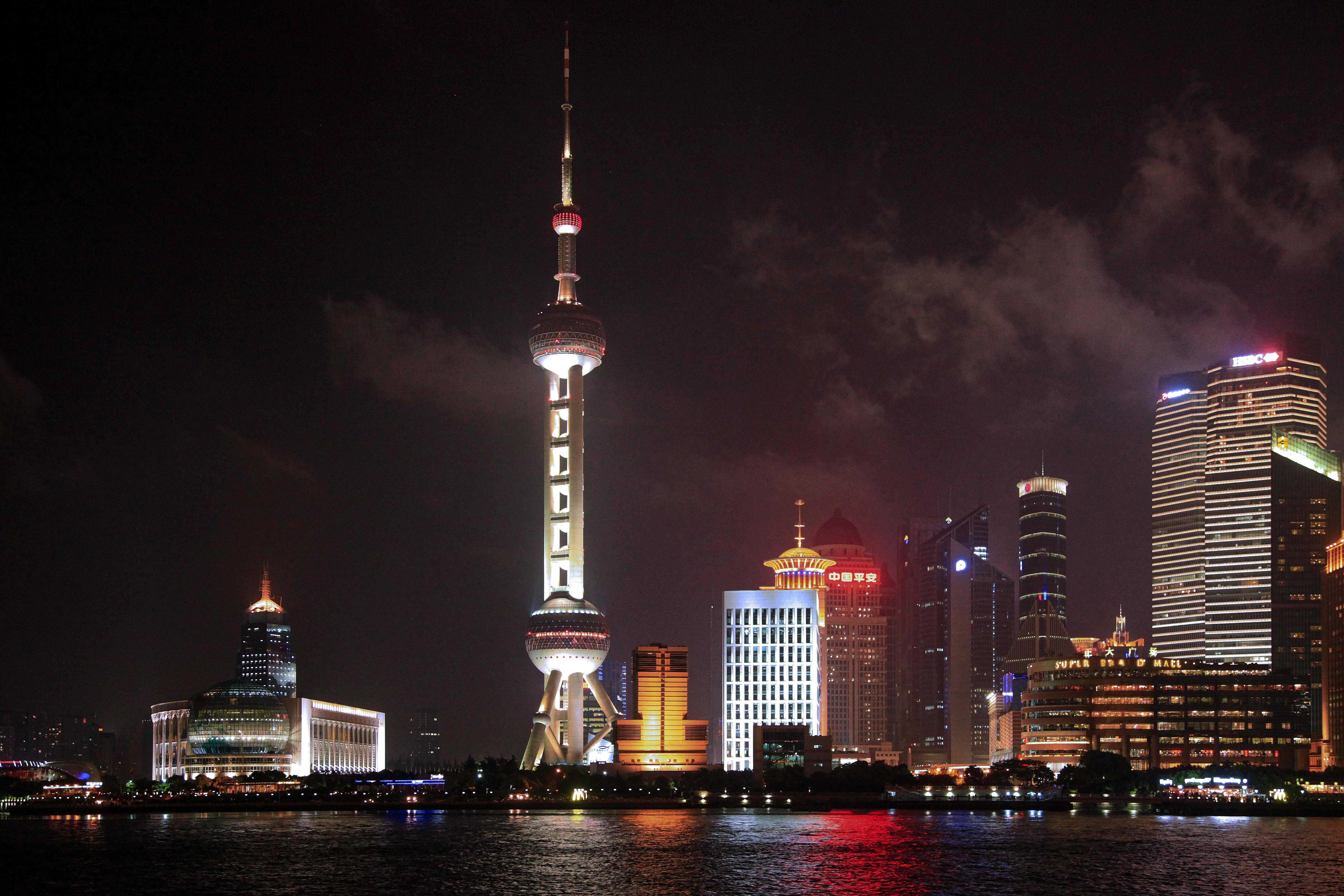
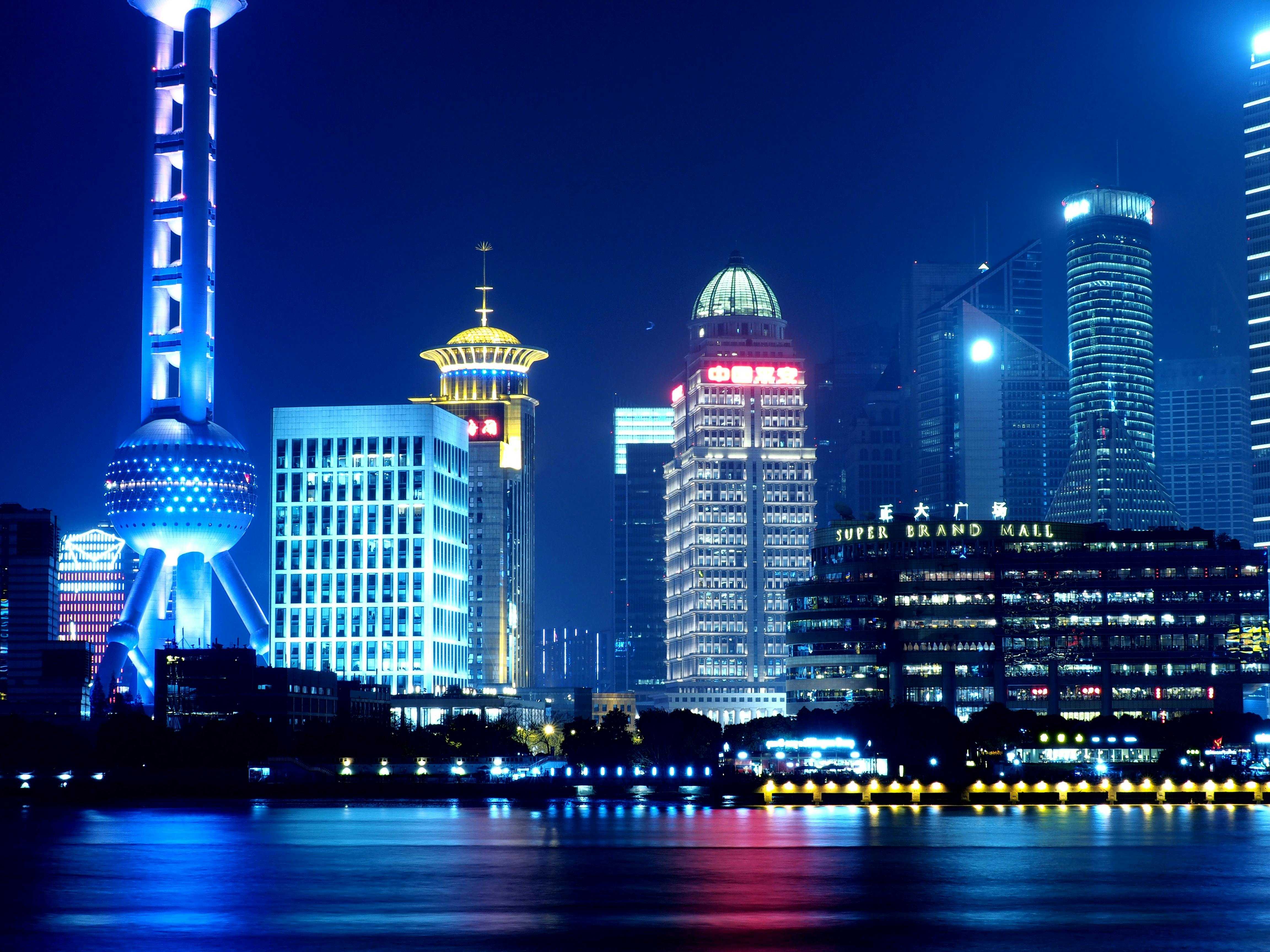
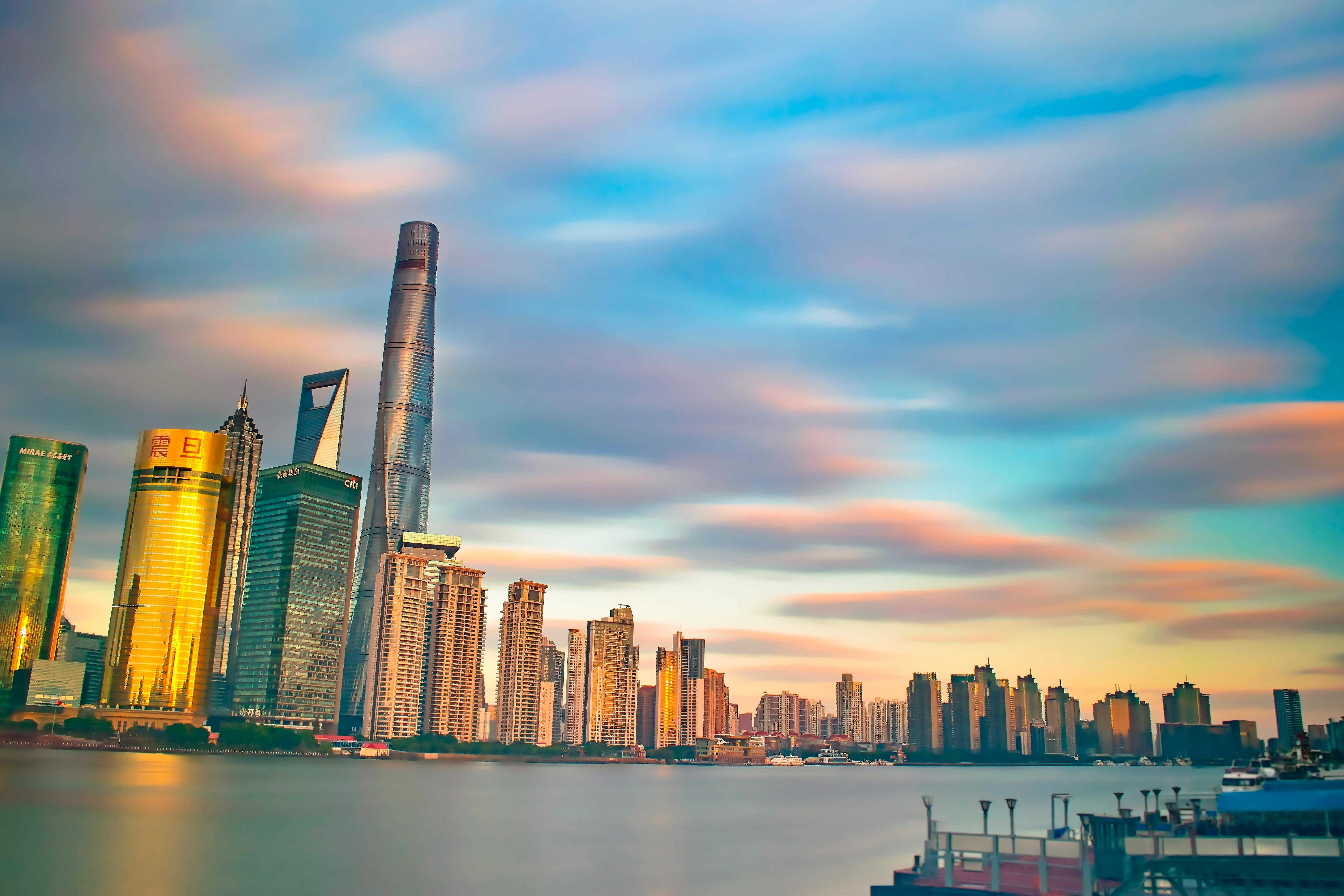
Pudong: Shanghai's Futuristic Playground Awaits Across the Huangpu River from Shanghai's historic Bund, a skyline unlike any other rises from the ground. This is Pudong, a testament to China's rapid modernization and a d…

#Financial district#Skyscrapers#Modern architecture#Business hub#Riverfront
1/39

Top hotels & flights

Hand-picked stays and the best fares into Pudong.

Top Hotels in Pudong

Top Flights to Pudong

Location videos

Real reels from travelers, plus longer watches to get the full picture.

From travelers
Watch & explore

Practical info

The essentials for planning your time in Pudong.

Currency
¥ | CNY | Chinese Yuan Renminbi
Population
As of the most recent estimates, the population of Pudong, Shanghai, is approximately 5.7 million.
Languages
Chinese, Chinese, Shanghainese
Average weather
Pudong
Jan
cold
8°1°
Feb
cold
10°3°
Mar
cloud
14°7°
Apr
rain
20°12°
May
cloud
25°17°
Jun
rain
28°21°
Jul
hot
32°25°
Aug
hot
32°25°
Sep
rain
28°21°
Oct
cloud
23°16°
Nov
cloud
17°10°
Dec
cold
11°4°

Local guide

What travelers love, what to watch for, and a deeper read on Pudong.

What people love

Pudong, located in Shanghai, China, is a vibrant district known for its modern skyline, bustling financial center, and cultural attractions. Here are some pros of traveling to Pudong:

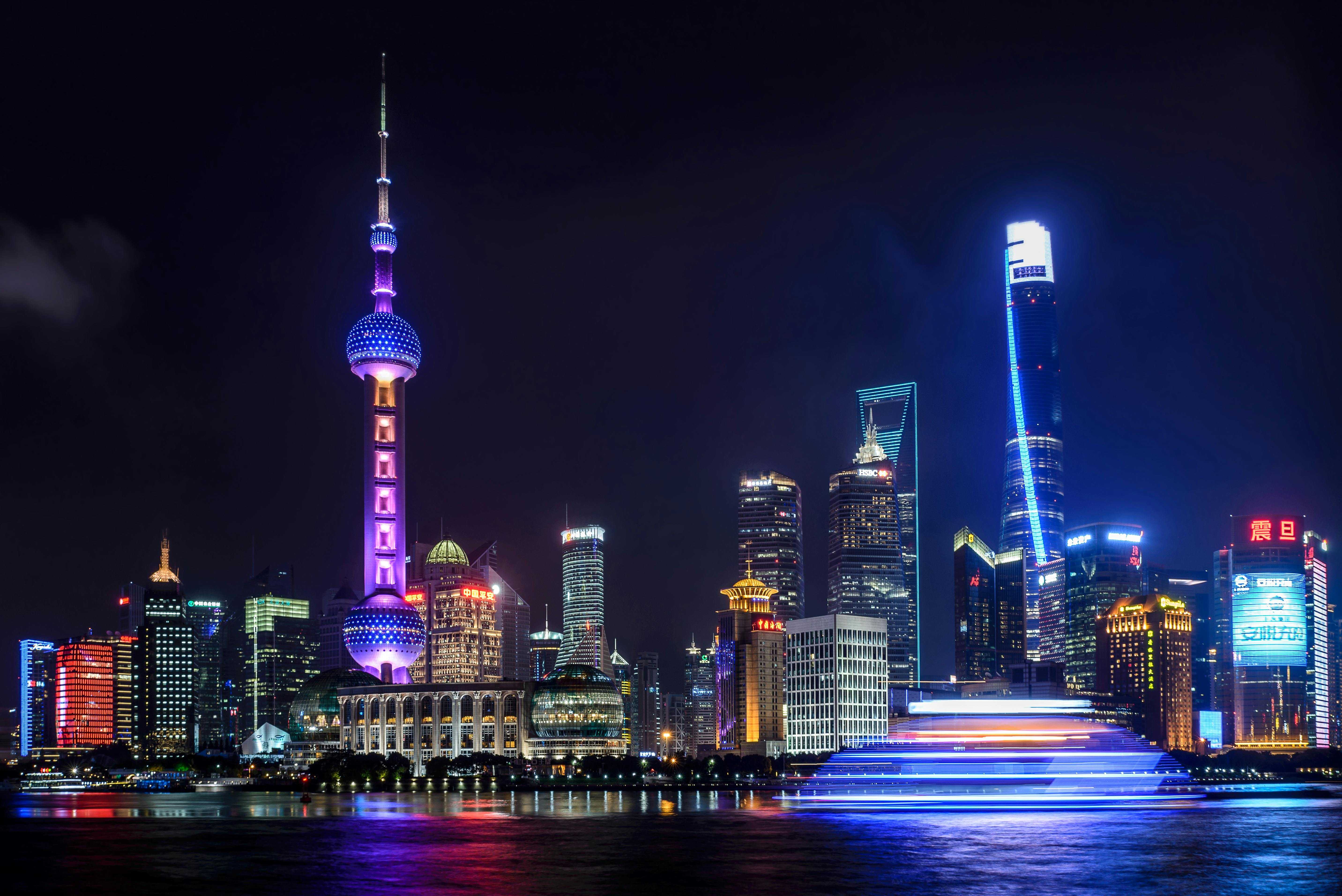
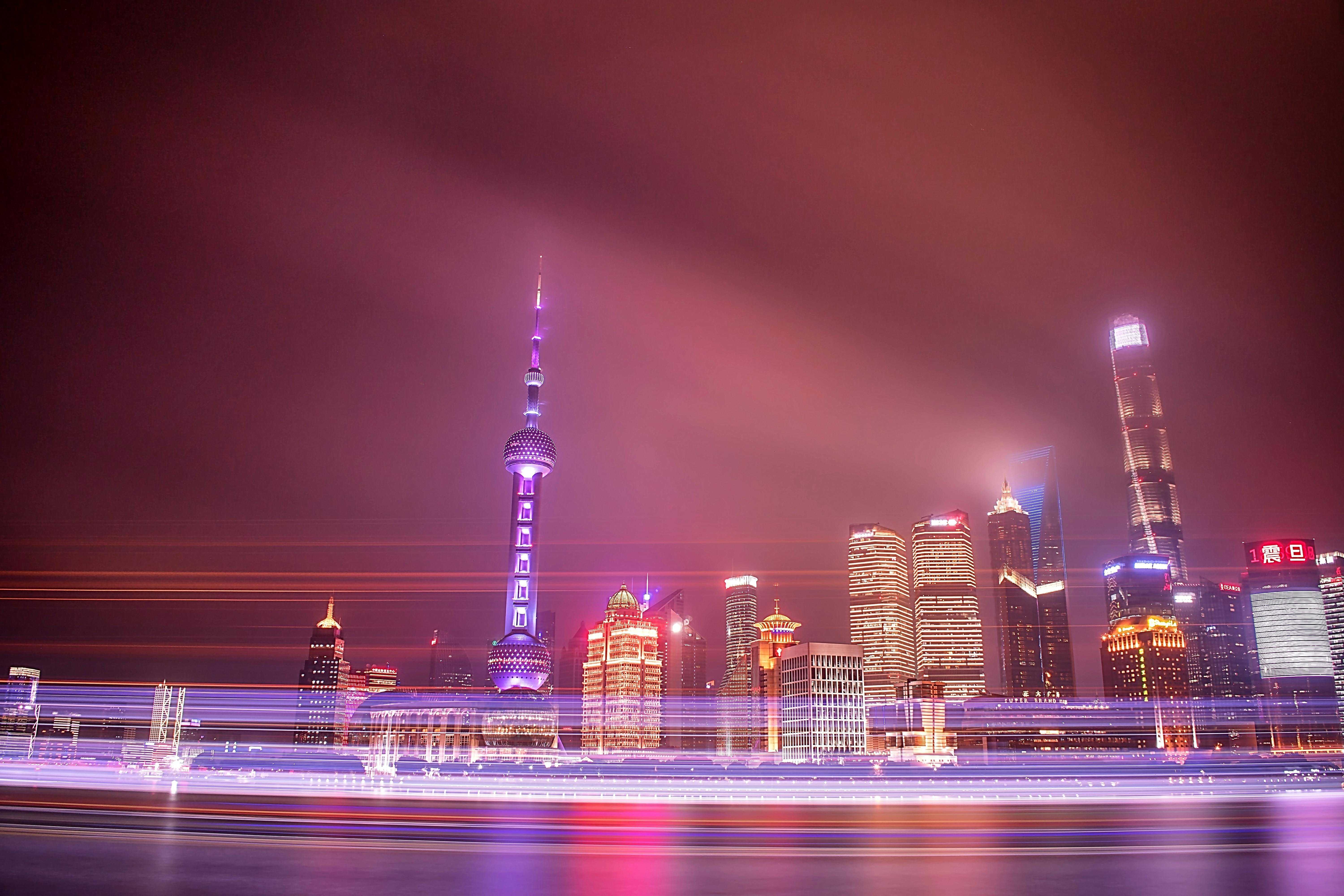
  1. Iconic Skyline: Pudong is home to the iconic Lujiazui skyline, dominated by futuristic skyscrapers such as the Shanghai Tower, Shanghai World Financial Center, and Jin Mao Tower. Visitors can enjoy panoramic views of the city from observation decks in these skyscrapers.

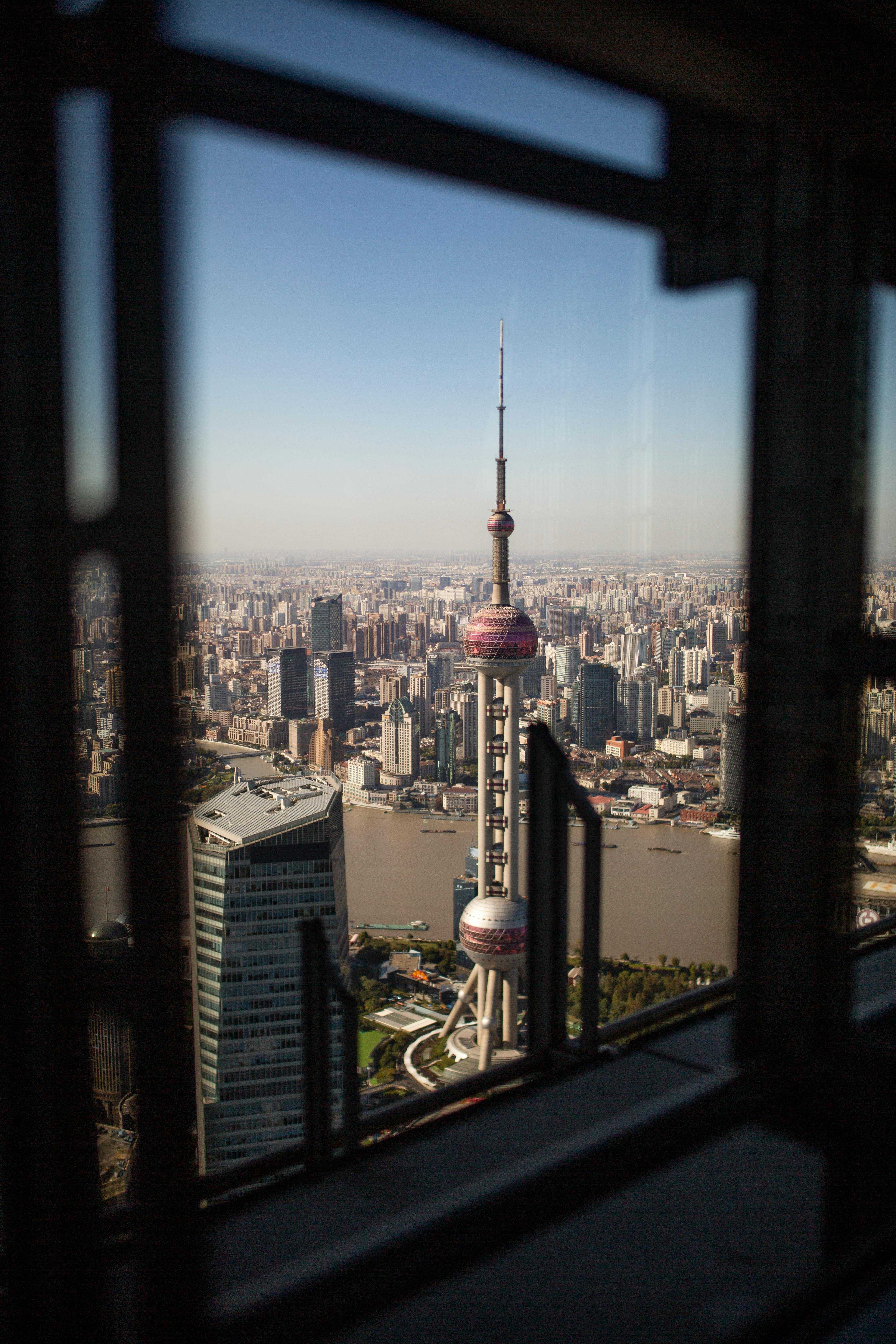
  2. Cultural Attractions: Pudong is not just about modernity; it also boasts cultural attractions such as the Shanghai Oriental Pearl TV Tower, which offers a unique architectural design and a museum inside. The nearby Shanghai Science and Technology Museum is a great place for families and science enthusiasts.

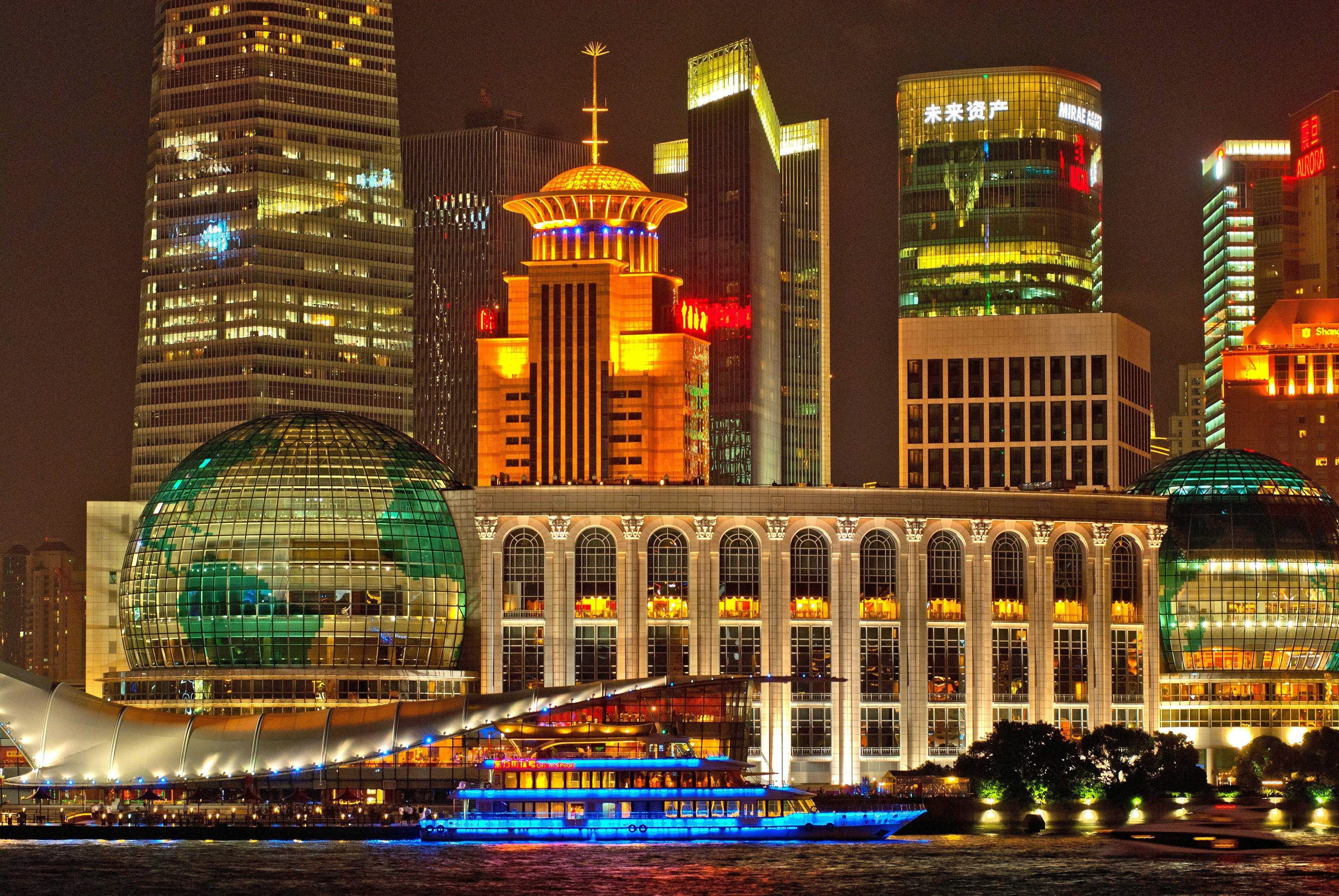
  3. Shopping and Dining: Pudong offers a wide range of shopping options, from luxury boutiques in malls like IFC Mall and Super Brand Mall to local markets where you can find unique souvenirs. The district also has a diverse culinary scene, with restaurants serving both international and local cuisine.

  4. Transportation Hub: Pudong is a major transportation hub in Shanghai, with two international airports (Pudong International Airport and Hongqiao Airport) serving the city. The district is well-connected by metro, buses, and taxis, making it easy to explore other parts of Shanghai from here.

  5. Green Spaces: Despite its urban development, Pudong also offers green spaces where visitors can relax and unwind. Century Park, the largest park in Shanghai, is located in Pudong and provides a peaceful retreat from the city's hustle and bustle.

Overall, traveling to Pudong in Shanghai offers a blend of modernity, culture, and convenience, making it a great destination for both leisure and business travelers.

Enjoy your trip to Pudong!

What to know

There are several cons to traveling to Pudong, located at Pudong, Shanghai, China:

  1. Heavy Traffic: Pudong is known for its heavy traffic congestion, especially during rush hours. Navigating the busy streets can be a challenge and may lead to delays in reaching your destination.

  2. Air Pollution: Shanghai, including the Pudong area, has been experiencing high levels of air pollution due to industrial activities and traffic. This can have negative effects on your health, especially if you have respiratory issues.

  3. Language Barrier: While English is spoken in some tourist areas, the majority of locals in Pudong may not be fluent in English. This language barrier can make communication difficult and may lead to misunderstandings or confusion.

  4. High Cost of Living: Shanghai is known for its high cost of living compared to other cities in China. This can be reflected in the prices of accommodation, food, transportation, and entertainment in Pudong, making it an expensive destination for travelers.

  5. Limited Tourist Attractions: Pudong is more of a business district with skyscrapers and commercial centers rather than a tourist hotspot. While it offers some attractions like the Oriental Pearl Tower and the Shanghai Disney Resort, there may be fewer traditional cultural sites to explore compared to other parts of Shanghai.

Please note that these cons are general observations and may vary based on individual experiences. It's always recommended to conduct thorough research and plan accordingly before traveling to Pudong, Shanghai, China.

Pudong, officially known as Pudong New Area, is a district of Shanghai, China, located on the eastern bank of the Huangpu River, opposite the historic city center of Shanghai. Its development over the past few decades is a remarkable story of rapid urbanization and economic growth, transforming from rural farmland into a major financial and commercial hub.

Early History

  • Pre-1990s: Before its major development, Pudong was primarily agricultural land with small villages and was not as economically developed as the Puxi side of Shanghai. The region lagged in infrastructure and economic activity compared to the bustling city across the river.

Modern Development

  • 1990: The turning point came in April 1990 when the Chinese government, led by then-Premier Li Peng, declared the opening up of Pudong as a special economic zone. This decision was part of China's broader strategy to open up and reform its economy, similar to earlier initiatives in Shenzhen and other coastal cities.

  • 1990s: The development began with significant investments in infrastructure, including the construction of bridges and tunnels linking Pudong with Puxi. The Lujiazui area was designated as the new financial district.

  • Landmarks and Infrastructure:

    • Oriental Pearl Tower: Completed in 1994, this iconic TV tower became a symbol of modern Shanghai.
    • Jin Mao Tower: Completed in 1999, it was one of the tallest buildings in China at the time.
    • Pudong International Airport: Opened in 1999, it greatly enhanced the connectivity of Shanghai with the world.

21st Century Developments

  • 2000s: Pudong continued to grow with the establishment of the Shanghai World Financial Center (completed in 2008), further cementing its status as a global financial center.

  • Shanghai Tower: Completed in 2015, it is currently the tallest building in China and the second tallest in the world, showcasing the district's architectural ambitions.

  • Zhangjiang Hi-Tech Park: This area became a hub for technology and innovation, attracting numerous domestic and international companies.

Cultural and Economic Impact

  • Pudong has played a critical role in Shanghai’s transformation into a global metropolis. It hosts the Shanghai Stock Exchange, numerous multinational corporations, and a burgeoning tech industry.

  • The district has also developed cultural sites, such as the China Art Museum and the Shanghai Science and Technology Museum.

Important Figures

  • Zhu Rongji: As the Mayor of Shanghai from 1988 to 1991 and later as Premier of China, he played a significant role in advocating for Pudong's development.

  • Jiang Zemin: As the General Secretary of the Communist Party of China and a former Mayor of Shanghai, his leadership was instrumental in the initial decision to develop Pudong.

Challenges and Future Prospects

  • Pudong continues to face challenges such as urban congestion and environmental sustainability. However, it remains a dynamic area with ongoing development projects aimed at making it a model for sustainable urban living.

Pudong's transformation over the past few decades is a testament to China's rapid urban development and economic reform, making it a symbol of modern China's economic success.