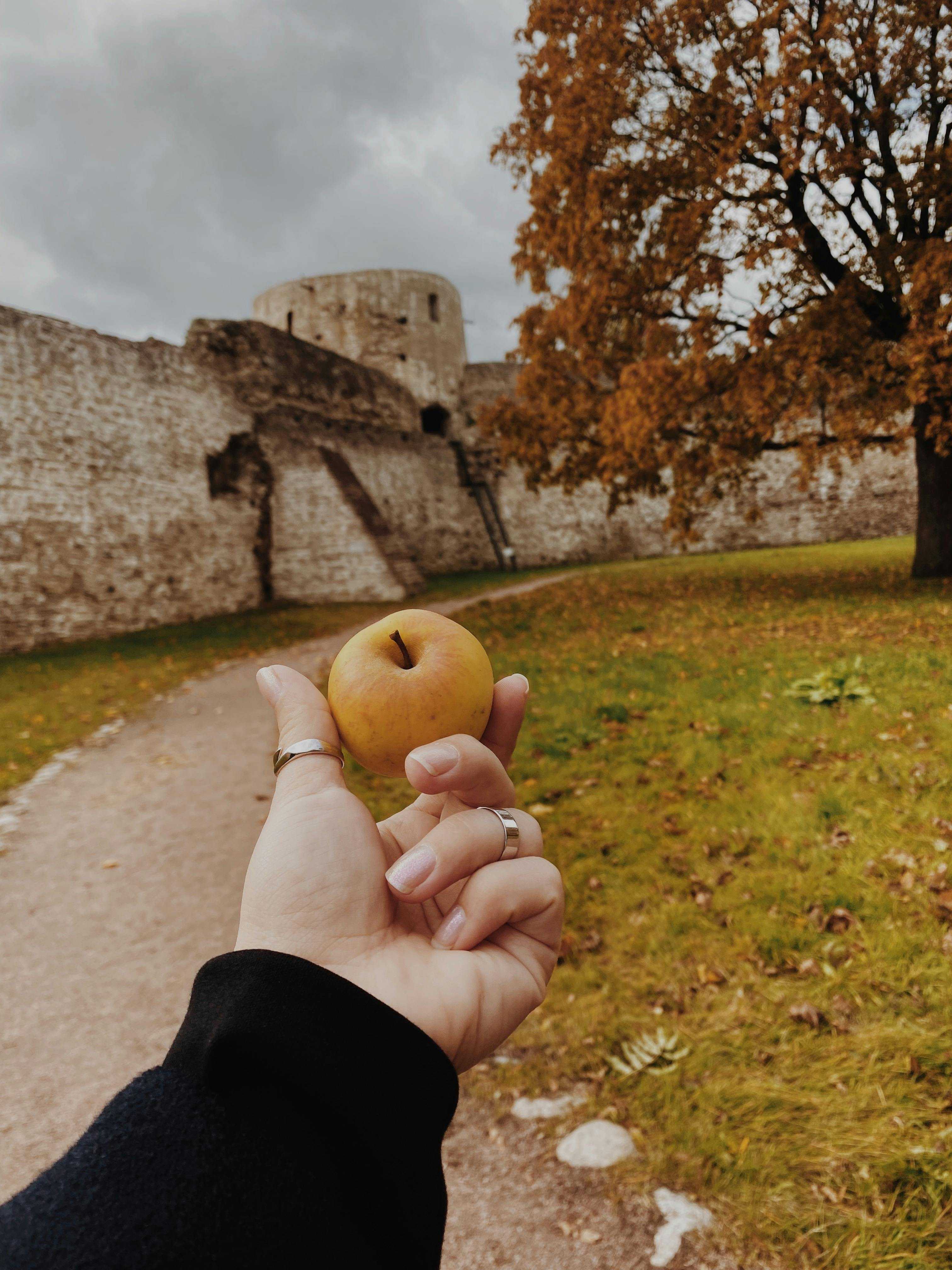

Pskov
· RU

Pskov

Pskov, Pskovskaya Oblast', Russia

Journey Back in Time to Pskov: Where Ancient Russia Unfolds Escape the ordinary and step into the heart of Russian history and culture in Pskov, a city that whispers tales of bygone eras. Nestled on the banks of the Veli…

#Historic city#Medieval architecture#Russian culture#Pskov Kremlin#Pskovskaya Oblast
1/3

Top hotels & flights

Hand-picked stays and the best fares into Pskov.

Top Hotels in Pskov

Top Flights to Pskov

Location videos

Real reels from travelers, plus longer watches to get the full picture.

Watch & explore

Practical info

The essentials for planning your time in Pskov.

Currency
₽ | RUB | Russian Ruble
Population
209840.0
Languages
Russian, Ukrainian, Belarusian
Average weather
Pskov
Jan
snow
-4°-9°
Feb
snow
-3°-10°
Mar
cloud
2°-6°
Apr
cloud
10°0°
May
rain
17°6°
Jun
rain
21°11°
Jul
sun
23°13°
Aug
sun
22°12°
Sep
cloud
16°8°
Oct
rain
9°3°
Nov
cloud
2°-2°
Dec
snow
-2°-7°

Local guide

What travelers love, what to watch for, and a deeper read on Pskov.

What people love

Pskov, located in Pskovskaya Oblast', Russia, is a historic city with a rich cultural heritage and several attractions that make it a worthwhile destination for travelers. Some of the pros of traveling to Pskov include:

  1. Historical sites: Pskov is home to a number of well-preserved historical sites, including the Pskov Kremlin, Trinity Cathedral, and the Church of the Intercession of the Holy Virgin. These sites offer a glimpse into the city's past and its importance in Russian history.

  2. Natural beauty: Pskov is surrounded by picturesque landscapes, including forests, rivers, and lakes. Nature lovers will enjoy exploring the area and taking in the scenic views.

  3. Cultural events: Pskov hosts various cultural events and festivals throughout the year, providing visitors with an opportunity to experience traditional Russian music, dance, and cuisine.

  4. Unique architecture: The city is known for its distinctive architecture, including its medieval churches, colorful wooden houses, and stone fortifications. Architectural enthusiasts will appreciate the opportunity to explore these unique buildings.

  5. Local cuisine: Pskov offers a variety of dining options, ranging from traditional Russian dishes to international cuisine. Visitors can sample local specialties and experience the flavors of the region.

Overall, traveling to Pskov can offer a blend of history, culture, nature, and culinary experiences that appeal to a wide range of travelers.

What to know

Pskov, located in Pskovskaya Oblast, Russia, is a historically rich city known for its ancient architecture, medieval fortresses, and cultural heritage. However, there are some cons to consider when traveling to Pskov:

  1. Limited transportation options: Pskov is not as well-connected by transportation as some other major cities in Russia. The city has a small airport with limited flight options, and the train connections may not be as frequent or convenient as in larger cities.

  2. Language barrier: English is not widely spoken in Pskov, and you may encounter difficulties communicating with locals if you do not speak Russian. This can make it challenging to navigate the city, ask for directions, or seek help in case of emergencies.

  3. Weather extremes: Pskov experiences cold winters with heavy snowfall and mild summers. If you are not accustomed to extreme weather conditions, you may find it uncomfortable to travel to Pskov during winter months.

  4. Limited tourist infrastructure: Pskov is not as popular among tourists as some other Russian cities like Moscow or St. Petersburg. As a result, the city may have limited tourist infrastructure, including fewer hotels, restaurants, and guided tour options.

  5. Safety concerns: While Pskov is generally considered safe for tourists, it is always advisable to remain vigilant and take necessary precautions against petty crimes like pickpocketing, especially in crowded tourist areas.

It's important to note that these cons should be considered alongside the numerous historical and cultural attractions that Pskov has to offer. With proper planning and awareness of the potential challenges, you can still have a rewarding travel experience in this unique city.

Pskov, located in Pskovskaya Oblast', Russia, is a city with a rich history that dates back over a millennium. Here is a detailed history of Pskov, including significant events, historical figures, and important landmarks:

Early History and Foundation

  • 9th Century: The area around Pskov has been inhabited since ancient times, but the city itself was first mentioned in the chronicles in 903. It is believed that Pskov was founded by Princess Olga, a significant figure in Russian history and a future saint of the Orthodox Church.

Medieval Period

  • 12th Century: Pskov became part of the Novgorod Republic, an important medieval Russian state. During this period, it developed as a major trading hub due to its strategic location near the Baltic Sea.
  • 13th Century: Pskov faced several invasions, including attacks by the Livonian Order. The city built strong fortifications to protect itself from these threats.
  • 1348: Pskov gained independence from Novgorod and became a self-governing republic, known as the Pskov Republic. It maintained this status until it was annexed by the Grand Duchy of Moscow in the 16th century.

Pskov Republic

  • Late 14th to Early 15th Century: Pskov was a significant center of trade and culture, with a robust system of governance and a strong military.
  • Battle of Rakvere (1268): Pskovians, alongside Novgorodians, fought against the Livonian Order and secured victory, enhancing the city's prestige.

Integration into Moscow

  • 1510: Pskov was annexed by the Grand Duchy of Moscow under Vasili III. This ended its status as an independent republic but integrated it into a growing centralized Russian state.

Modern Period

  • 16th Century: During Ivan the Terrible's reign, Pskov suffered from numerous sieges, notably the Siege of Pskov (1581–1582) by Polish forces during the Livonian War, which the city successfully withstood.
  • 17th Century: Pskov continued to be a key military and trading center. However, it faced challenges from both internal strife and external threats.
  • World War II: The city was occupied by Nazi Germany from 1941 to 1944, during which it sustained significant damage.

Post-War and Contemporary Era

  • Post-War Reconstruction: After World War II, Pskov was rebuilt, and many of its historical monuments were restored.
  • Today: Pskov is known for its well-preserved medieval architecture, including the Pskov Krom (Kremlin), Trinity Cathedral, and numerous churches that reflect its rich Orthodox heritage.

Significant Landmarks

  • Pskov Krom (Kremlin): The fortress is a symbol of Pskov and a testament to its military history. It houses the Trinity Cathedral, a significant religious site.
  • Trinity Cathedral: Originally built in the 10th century, the current structure dates back to the 17th century and is a masterpiece of Russian ecclesiastical architecture.
  • Mirozhsky Monastery: Known for its 12th-century frescoes, this monastery is a UNESCO World Heritage site.
  • Pskov-Caves Monastery (Pechory Monastery): Located nearby, it is one of the most important and oldest monasteries in Russia, known for its historical and spiritual significance.

Historical Figures

  • Princess Olga: Regarded as the founder of Pskov, she played a crucial role in its early history.
  • Alexander Nevsky: A legendary Russian prince who had connections with Pskov and is celebrated for his military victories.

Pskov's history is marked by its resilience, strategic importance, and cultural contributions to Russia. It remains a city of historical and architectural significance, attracting visitors interested in its past and its role in Russian history.