
Primorskiy Kray
· RU

Primorskiy Kray

Primorskiy Kray, Russia

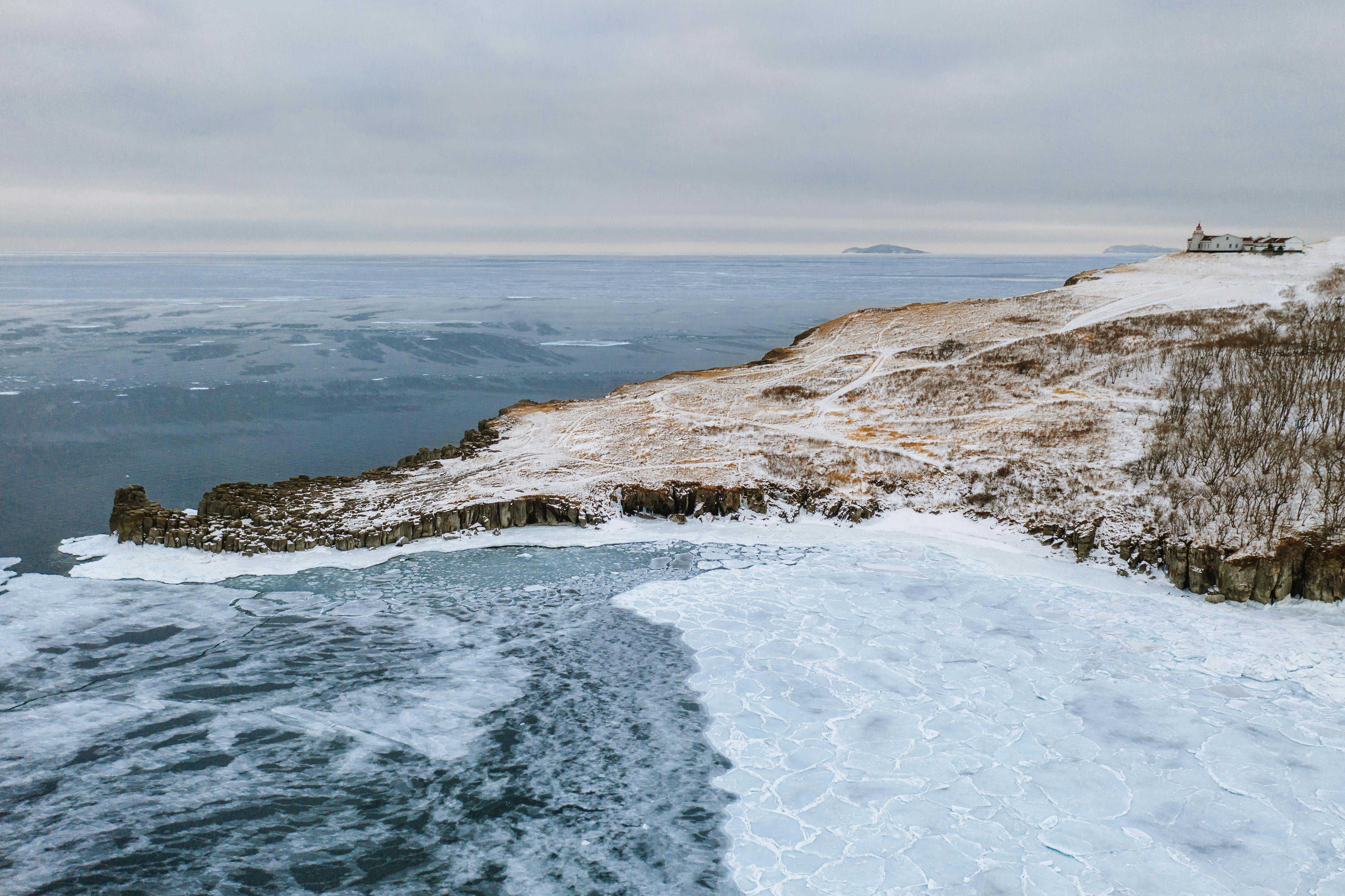
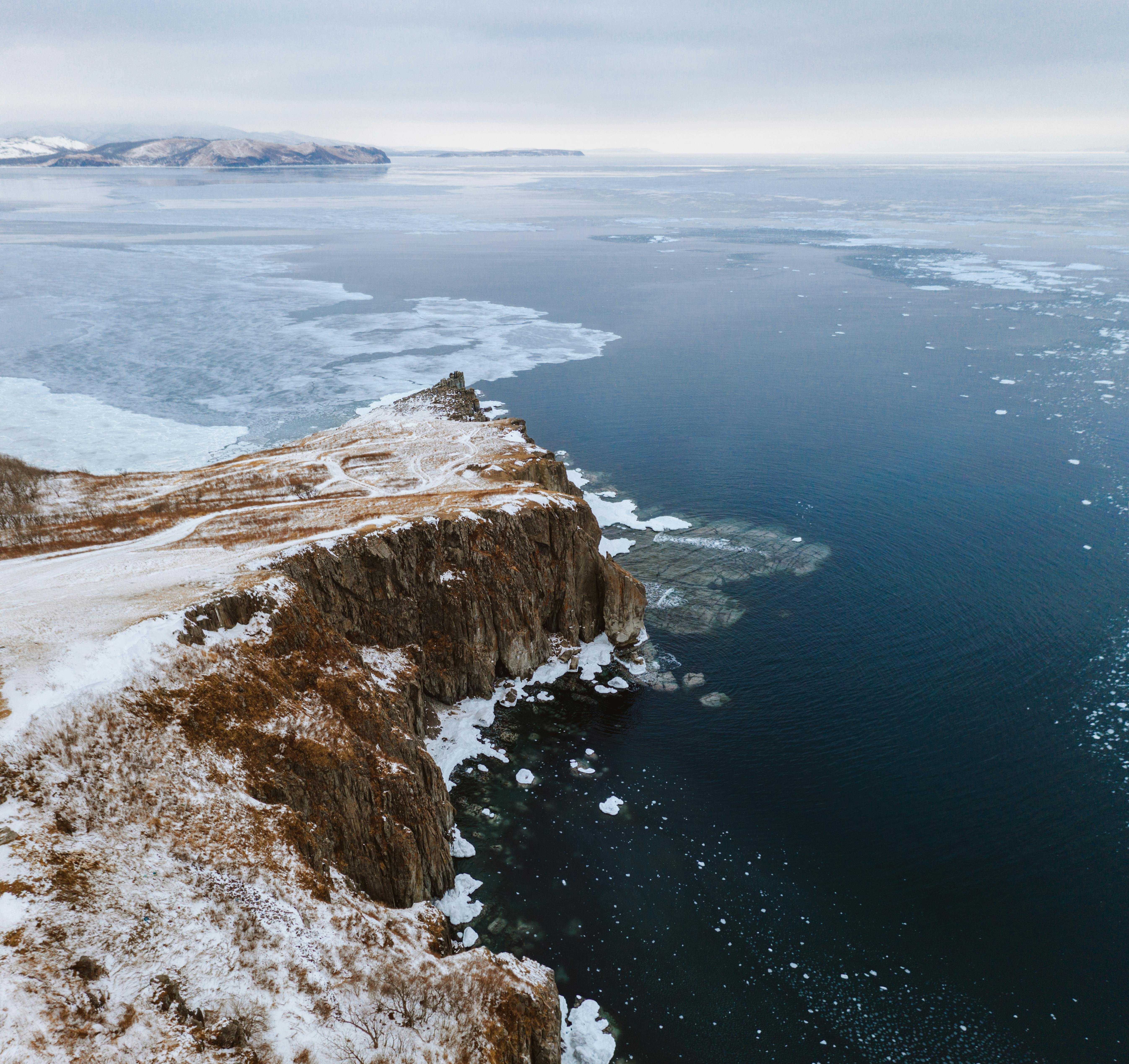
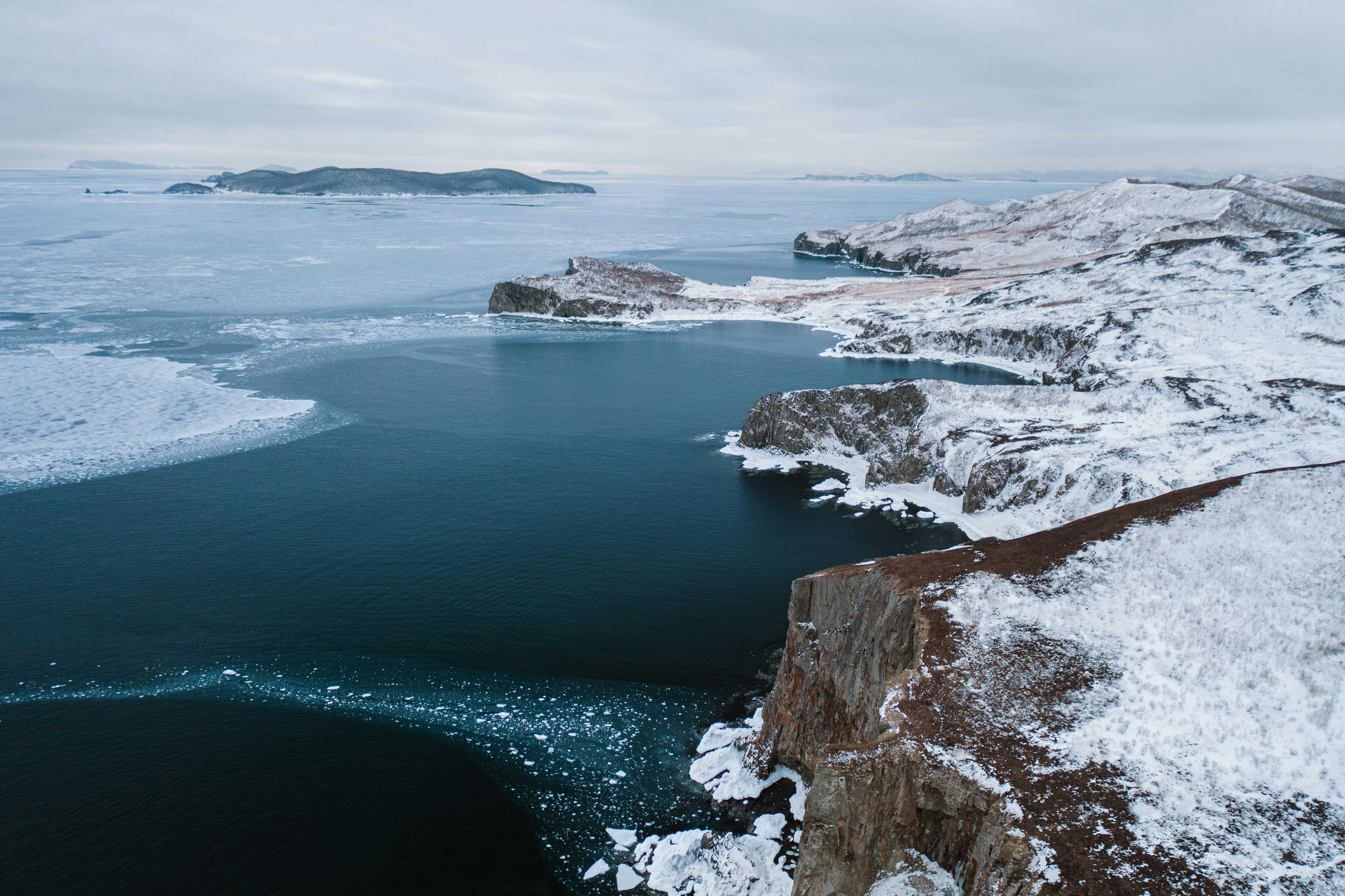
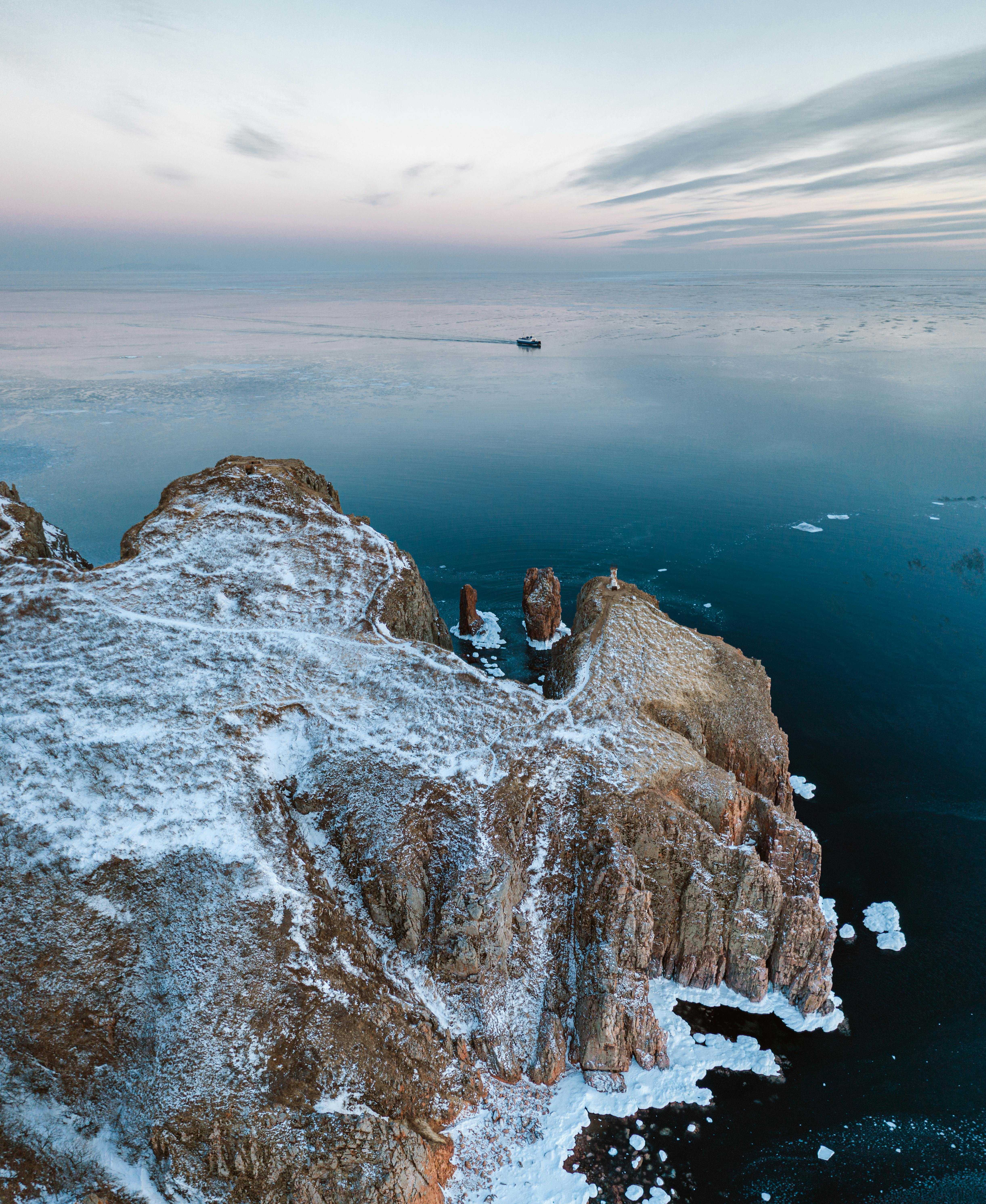
Primorsky Krai: Russia's Untamed Frontier Awaits Nestled in the Russian Far East, Primorsky Krai, or Primorye, is a land of captivating contrasts. Here, rugged mountains meet the vast Pacific Ocean, ancient forests teem …

#coastal region#Russian Far East#Vladivostok#maritime climate#nature reserves
1/15

Top hotels & flights

Hand-picked stays and the best fares into Primorskiy Kray.

Top Hotels in Primorskiy Kray

Top Flights to Primorskiy Kray

Location videos

Real reels from travelers, plus longer watches to get the full picture.

From travelers
Watch & explore

Practical info

The essentials for planning your time in Primorskiy Kray.

Currency
₽ | RUB | Russian Ruble
Population
The approximate estimated total population of Primorskiy Kray, Russia is 1.8 million.
Languages
Russian, Ukrainian, Korean

Local guide

What travelers love, what to watch for, and a deeper read on Primorskiy Kray.

What people love

Primorskiy Kray, located in Russia's Far East, offers a unique and diverse travel experience with its stunning natural beauty, rich cultural heritage, and fascinating wildlife. Here are some pros of traveling to Primorskiy Kray:

  1. Nature and Wildlife: Primorskiy Kray is home to the famous Sikhote-Alin Nature Reserve, a UNESCO World Heritage Site known for its diverse flora and fauna. Visitors can explore pristine forests, majestic mountains, and encounter rare species such as the Amur tiger, Himalayan bear, and Amur leopard.

  2. Vladivostok: As the largest city in Primorskiy Kray, Vladivostok is a vibrant port city with a mix of modern and historic attractions. Visitors can explore the city's scenic waterfront, visit historical sites like the Vladivostok Fortress, and enjoy fresh seafood at local markets.

  3. Cultural Heritage: Primorskiy Kray has a rich cultural heritage influenced by its location near the border with China and North Korea. Visitors can explore traditional Russian villages, Buddhist temples, and learn about the indigenous cultures of the region.

  4. Outdoor Activities: The region offers a wide range of outdoor activities such as hiking, fishing, kayaking, and skiing. Visitors can also relax on beautiful beaches along the Sea of Japan coast or take a cruise to explore the picturesque coastline.

  5. Local Cuisine: Primorskiy Kray is known for its unique culinary traditions, combining Russian, Chinese, and Korean influences. Visitors can enjoy delicious seafood dishes, hearty soups, and local specialties like pelmeni (dumplings) and borscht.

Overall, traveling to Primorskiy Kray offers a fascinating blend of nature, culture, and adventure that is sure to leave a lasting impression on any visitor.

What to know

Traveling to Primorskiy Kray, located in the Far East of Russia, does have some potential cons that travelers should be aware of:

  1. Remote Location: Primorskiy Kray is located in a remote region of Russia, far from major cities. This can result in limited access to amenities and services that travelers may be accustomed to.

  2. Language Barrier: English may not be widely spoken in Primorskiy Kray, so communicating with locals and navigating the area could be challenging for travelers who do not speak Russian.

  3. Harsh Climate: Primorskiy Kray experiences cold winters and humid summers. Travelers should be prepared for extreme weather conditions, especially if visiting during the winter months.

  4. Wildlife Encounters: Primorskiy Kray is home to a diverse range of wildlife, including bears, tigers, and other potentially dangerous animals. Travelers should take precautions and be aware of their surroundings when exploring the region.

  5. Limited Infrastructure: The infrastructure in Primorskiy Kray may not be as developed as in more urban areas, leading to potential challenges with transportation, accommodations, and other services.

  6. Visa Requirements: Travelers to Russia, including Primorskiy Kray, may be required to obtain a visa in advance, which can be a time-consuming and bureaucratic process.

Overall, while Primorskiy Kray offers unique natural beauty and cultural experiences, travelers should be prepared for the challenges that come with visiting a remote and less touristy region.

Primorskiy Kray, often referred to as "Primorye," is a federal subject of Russia located in the Far East, along the coast of the Sea of Japan. Its administrative center is Vladivostok. Here is a detailed history of the region:

Early History

  • Prehistoric Times: The region has been inhabited since ancient times, with archaeological evidence suggesting the presence of Neolithic cultures as early as the 6th millennium BCE.

  • Early Settlements: Over the centuries, various nomadic tribes, such as the Mohe and Jurchen, inhabited the area. These groups were primarily hunter-gatherers and fishermen.

Medieval Period

  • Bohai Kingdom: From the 7th to the 10th centuries, the area was part of the Bohai (Balhae) Kingdom, which was known for its advanced culture and trade networks.

  • Jin Dynasty: Later, the region fell under the influence of the Jurchen-led Jin Dynasty (1115–1234).

Mongol Empire and Ming Dynasty

  • Mongol Rule: In the 13th century, the area was incorporated into the Mongol Empire under Genghis Khan and his successors.

  • Ming Dynasty: Following the decline of Mongol power, the region came under the influence of the Ming Dynasty, though direct control was limited due to the region's remoteness.

Russian Exploration and Settlement

  • 17th Century: Russian explorers, including Ivan Moskvitin and Yerofey Khabarov, reached the area in the mid-1600s, establishing the first Russian presence.

  • Treaty of Nerchinsk (1689): This treaty between Russia and China established borders, with Primorye remaining outside Russian control.

19th Century

  • Treaty of Aigun (1858) and Treaty of Beijing (1860): These treaties with China allowed Russia to formally annex Primorskiy Kray, expanding the Russian Far East significantly.

  • Foundation of Vladivostok (1860): Vladivostok was founded as a military outpost and later developed into a key port and administrative center.

20th Century

  • Russo-Japanese War (1904-1905): Although Primorye was not a primary battlefield, the war highlighted the strategic importance of the region.

  • Soviet Era: During the Soviet period, Primorskiy Kray was industrialized, with significant development in fishing, shipping, and military sectors. Vladivostok became a closed city due to its military significance.

  • World War II: The region played a role in the Soviet war effort, particularly as a supply and transit point for materials and troops.

Post-Soviet Period

  • 1991 Onwards: After the dissolution of the Soviet Union, Vladivostok was reopened to foreign visitors. The region has since developed economically, focusing on trade, shipping, and tourism.

Significant Landmarks

  • Russky Bridge: Completed in 2012, this is one of the longest cable-stayed bridges in the world, connecting Vladivostok to Russky Island.

  • Vladivostok Fortress: A series of fortifications built from the late 19th to the early 20th century, showcasing the military history of the area.

  • Zolotoy Rog Bay: A natural harbor in Vladivostok, known for its picturesque views and strategic importance.

Historical Figures

  • Nikolay Muravyov-Amursky: A Russian statesman instrumental in the expansion of Russian territory in the Far East, including Primorye.

  • Vladimir Arsenyev: A notable explorer and ethnographer who documented the cultures and geography of Primorskiy Kray in the early 20th century.

Primorskiy Kray continues to be a region of strategic importance and cultural diversity, with a rich history influenced by various Asian cultures and Russian expansion.