
Praha
· CZ

Praha

Praha, Czechia

Fall Under the Spell of Prague: Where Fairytales Meet History Prague. The very name conjures images of medieval castles, winding cobblestone streets, and gothic spires piercing a dramatic skyline. This isn't just a city,…

#capital city#historic architecture#tourist destination#cultural hub#European charm
1/8

Top hotels & flights

Hand-picked stays and the best fares into Praha.

Top Hotels in Praha

Top Flights to Praha

Location videos

Real reels from travelers, plus longer watches to get the full picture.

From travelers
Watch & explore

Practical info

The essentials for planning your time in Praha.

Currency
Kč | CZK | Czech Koruna
Population
The approximate estimated total population of Praha (Prague), Czechia is '1.3 million'.
Languages
Czech, Czech, English, German

Local guide

What travelers love, what to watch for, and a deeper read on Praha.

What people love

There are many pros to traveling to Prague, Czechia (Praha in Czech). Here are some detailed reasons why you should visit this beautiful city:

  1. Historical Architecture: Prague is known for its stunning architecture, with a mix of Gothic, Baroque, and Renaissance buildings. The city's historic center is a UNESCO World Heritage Site, featuring landmarks such as Prague Castle, Charles Bridge, and the Old Town Square.

  2. Cultural Attractions: Prague is a cultural hub with numerous museums, galleries, and theaters to explore. The city is also famous for its classical music scene, with concerts held in beautiful venues like the Municipal House and the Estates Theatre.

  3. Affordability: Compared to other European capitals, Prague is relatively affordable for travelers. Accommodation, food, and transportation are reasonably priced, making it a great destination for budget-conscious tourists.

  4. Beer Culture: Czechia is renowned for its beer, and Prague is no exception. The city is home to many traditional pubs and beer halls where you can sample a variety of local brews, including the famous Pilsner Urquell.

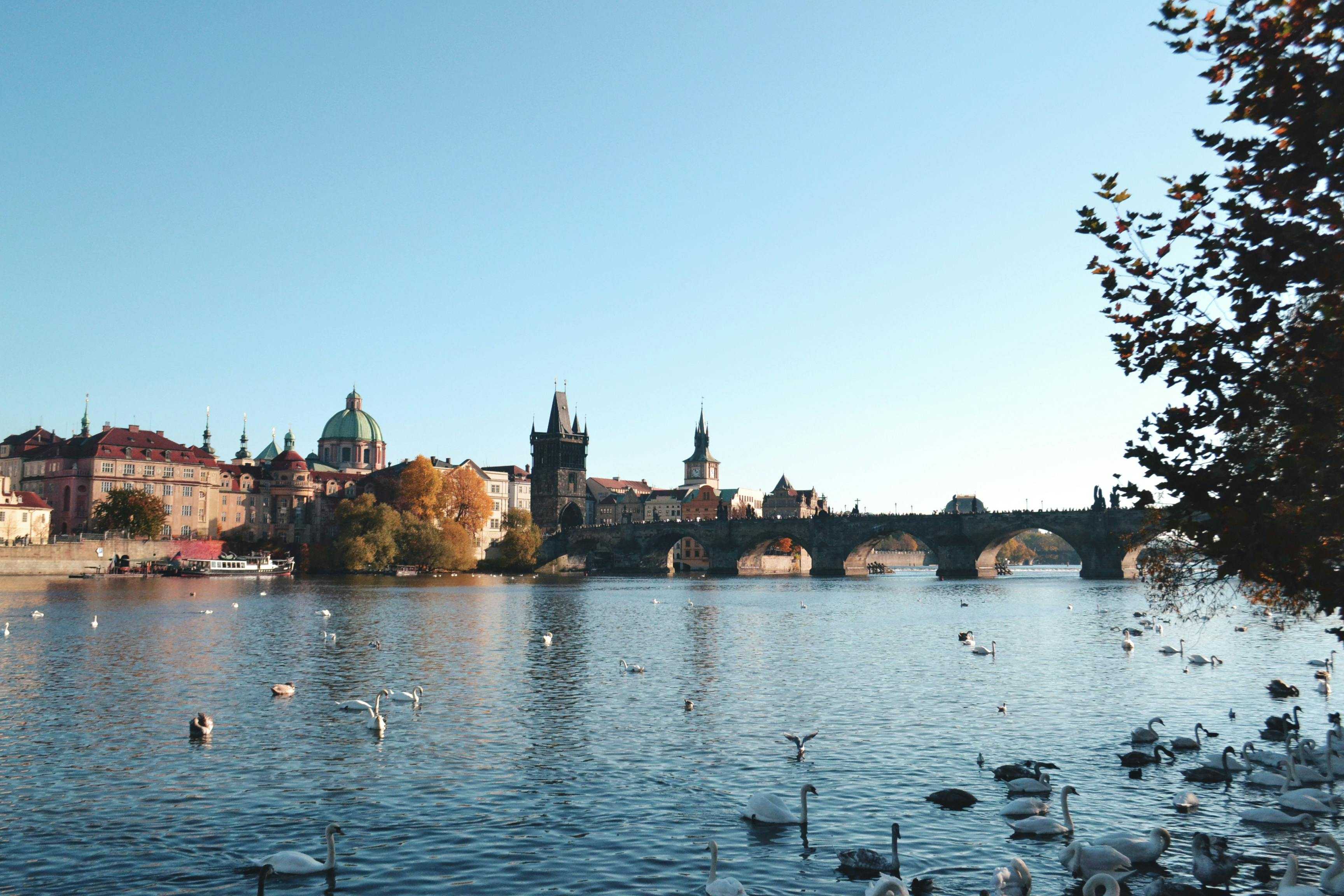
  5. Picturesque Landscapes: Prague is situated on the Vltava River, offering picturesque views from various vantage points around the city. Whether you're strolling along the riverbanks or climbing up to Petrin Hill for panoramic views, there are plenty of scenic spots to enjoy.

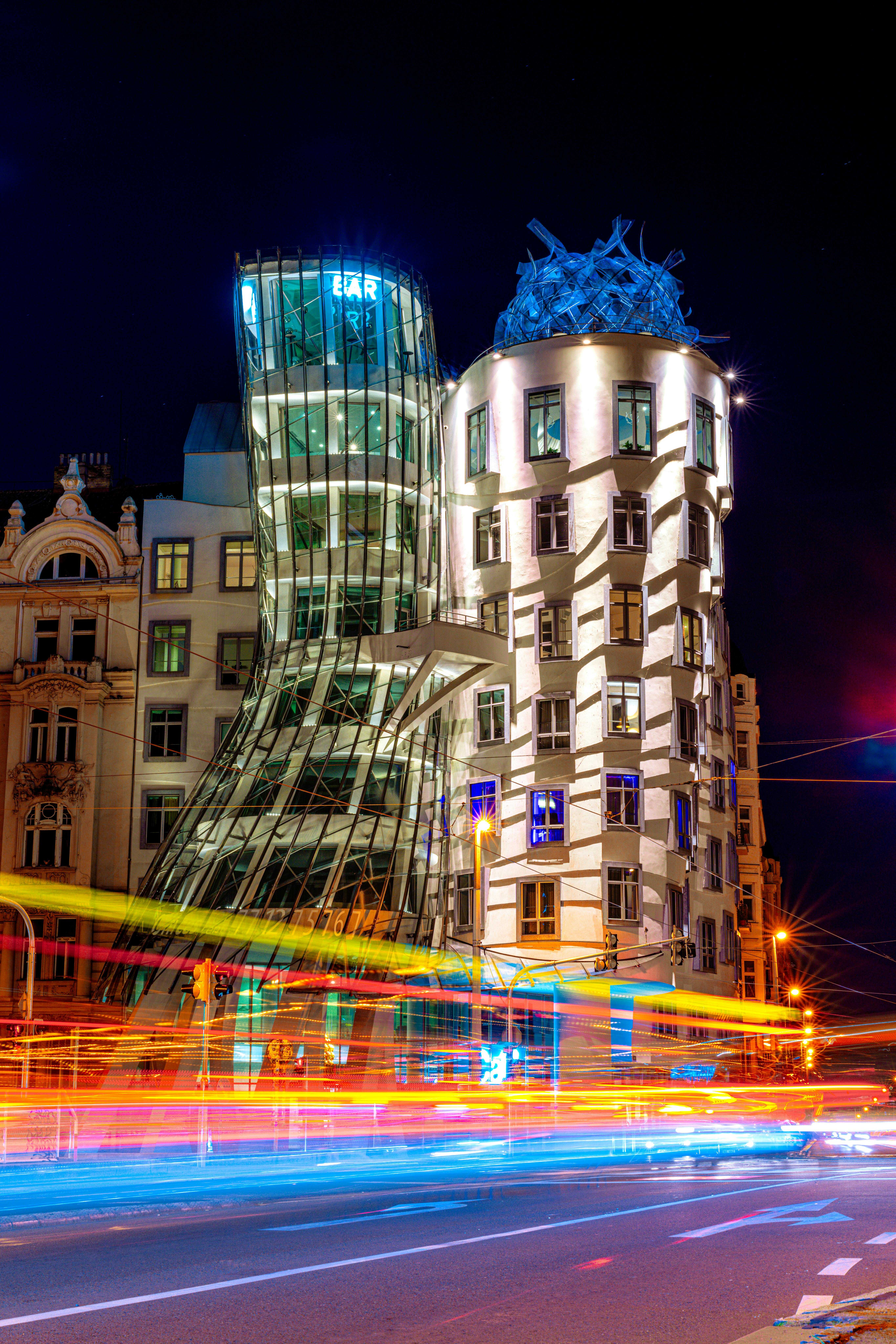
  6. Vibrant Nightlife: Prague has a lively nightlife scene, with a wide range of bars, clubs, and music venues to suit all tastes. Whether you prefer sipping cocktails in a trendy bar or dancing the night away in a club, Prague has something for everyone.

Overall, Prague is a charming and vibrant city with a rich history, stunning architecture, and plenty of attractions to explore. It's a perfect destination for travelers interested in culture, history, and beautiful landscapes.

What to know

There are a few potential cons of traveling to Prague, Czechia that travelers should be aware of:

  1. Crowds: Prague is a popular tourist destination, especially during the peak summer months. This can lead to crowded streets, long lines at attractions, and difficulty finding accommodations at a reasonable price.

  2. Over-tourism: The high number of tourists visiting Prague has led to concerns about over-tourism, which can have negative impacts on the local environment, infrastructure, and quality of life for residents.

  3. Scams and pickpocketing: Like any major tourist destination, Prague has its share of scams and pickpocketing incidents targeting unsuspecting travelers. Visitors should be cautious and aware of their surroundings to avoid falling victim to these types of crimes.

  4. Language barrier: While many people in Prague speak English, there may still be some language barriers, especially when venturing outside of the main tourist areas. Learning a few basic Czech phrases can be helpful in navigating the city and interacting with locals.

  5. Pricey tourist attractions: Some of Prague's major tourist attractions, such as Prague Castle, Charles Bridge, and Old Town Square, can be quite expensive to visit. Travelers on a budget may need to prioritize which attractions they want to see or look for discounted tickets.

Overall, while Prague is a beautiful and historic city with much to offer visitors, it's important to be aware of these potential drawbacks and plan accordingly to make the most of your trip.

Praha, commonly known as Prague, is the capital and largest city of the Czech Republic. It has a rich and complex history that spans over a millennium, with significant events and historical figures shaping its development. Here is a detailed history of Prague, including its key landmarks:

Early History

  • Foundation and Early Settlement
    • The area of Prague has been inhabited since the Paleolithic Age. However, the city's history as a settlement began in the 9th century with the establishment of Prague Castle by Prince Bořivoj of the Přemyslid dynasty around 870 AD. This castle became the seat of the Czech rulers.

Medieval Era

  • The Golden Age of Czech Kingdom

    • In the 14th century, Prague flourished under the rule of Charles IV, Holy Roman Emperor and King of Bohemia. He made Prague the capital of the Holy Roman Empire and established many significant structures, including Charles University in 1348, the first university in Central Europe.
    • The construction of the iconic Charles Bridge began in 1357 under Charles IV, connecting the Old Town with the Lesser Town (Malá Strana).
  • Hussite Wars

    • The early 15th century saw religious upheaval with the rise of the Hussites, followers of reformer Jan Hus, who was executed in 1415. The Hussite Wars between Hussites and Catholics had a profound impact on Prague, leading to significant social and political changes.

Renaissance and Baroque Period

  • Habsburg Influence

    • In 1526, the Habsburgs took control of the Bohemian Crown, and Prague became part of the Habsburg Monarchy.
    • The Defenestration of Prague in 1618 triggered the Thirty Years' War, which devastated much of Europe. Prague was occupied by various forces during this period.
  • Cultural Flourishing

    • Despite the turmoil, Prague experienced a cultural and architectural renaissance in the late 16th and 17th centuries, with the construction of many Baroque churches and palaces.

19th and Early 20th Century

  • National Revival

    • The 19th century was marked by the Czech National Revival, a movement aimed at reviving Czech language, culture, and national identity, often in opposition to the dominant German culture within the Austro-Hungarian Empire.
  • Modernization

    • Prague underwent significant modernization, with the establishment of new infrastructure, including the National Museum (founded in 1818) and the National Theatre (opened in 1883).

20th Century

  • Czechoslovakia

    • After World War I and the collapse of the Austro-Hungarian Empire, Prague became the capital of the newly formed Czechoslovakia in 1918.
  • World War II

    • During World War II, Prague was occupied by Nazi Germany. The city was liberated by Soviet and Czech resistance forces in May 1945.
  • Communist Era

    • After the war, Czechoslovakia fell under Soviet influence and became a communist state in 1948. The Prague Spring of 1968 was a brief period of political liberalization that ended with a Soviet-led invasion.
  • Velvet Revolution

    • The Velvet Revolution of 1989, a peaceful protest movement, led to the end of communist rule in Czechoslovakia. Václav Havel, a key figure in the movement, became the first president of a democratic Czechoslovakia.

Modern Era

  • Czech Republic
    • In 1993, Czechoslovakia peacefully split into two countries: the Czech Republic and Slovakia. Prague remained the capital of the Czech Republic.

Important Landmarks

  • Prague Castle

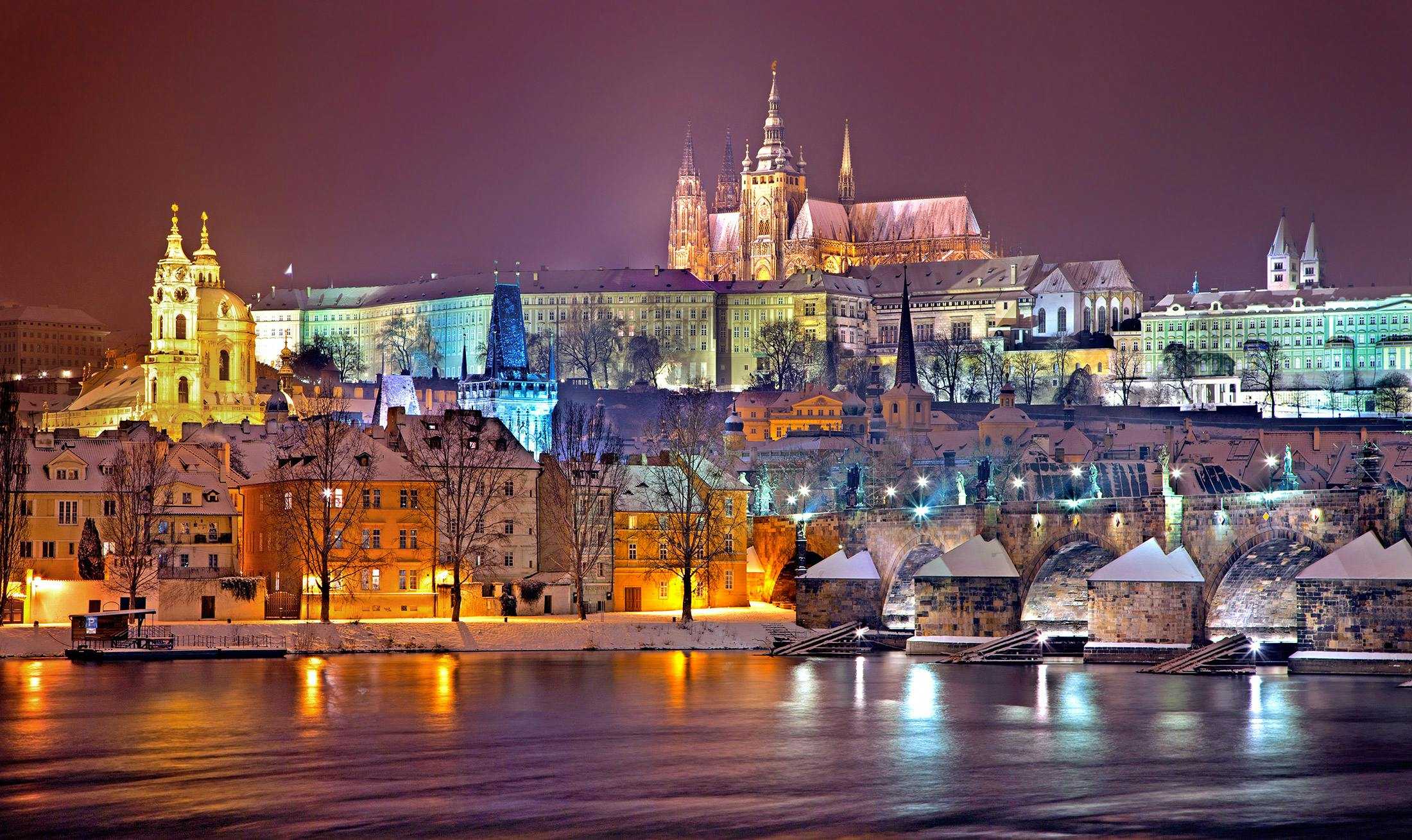
    • The largest ancient castle complex in the world, home to the Czech president, and a symbol of Czech history.
  • St. Vitus Cathedral

    • A stunning example of Gothic architecture, located within Prague Castle.
  • Old Town Square

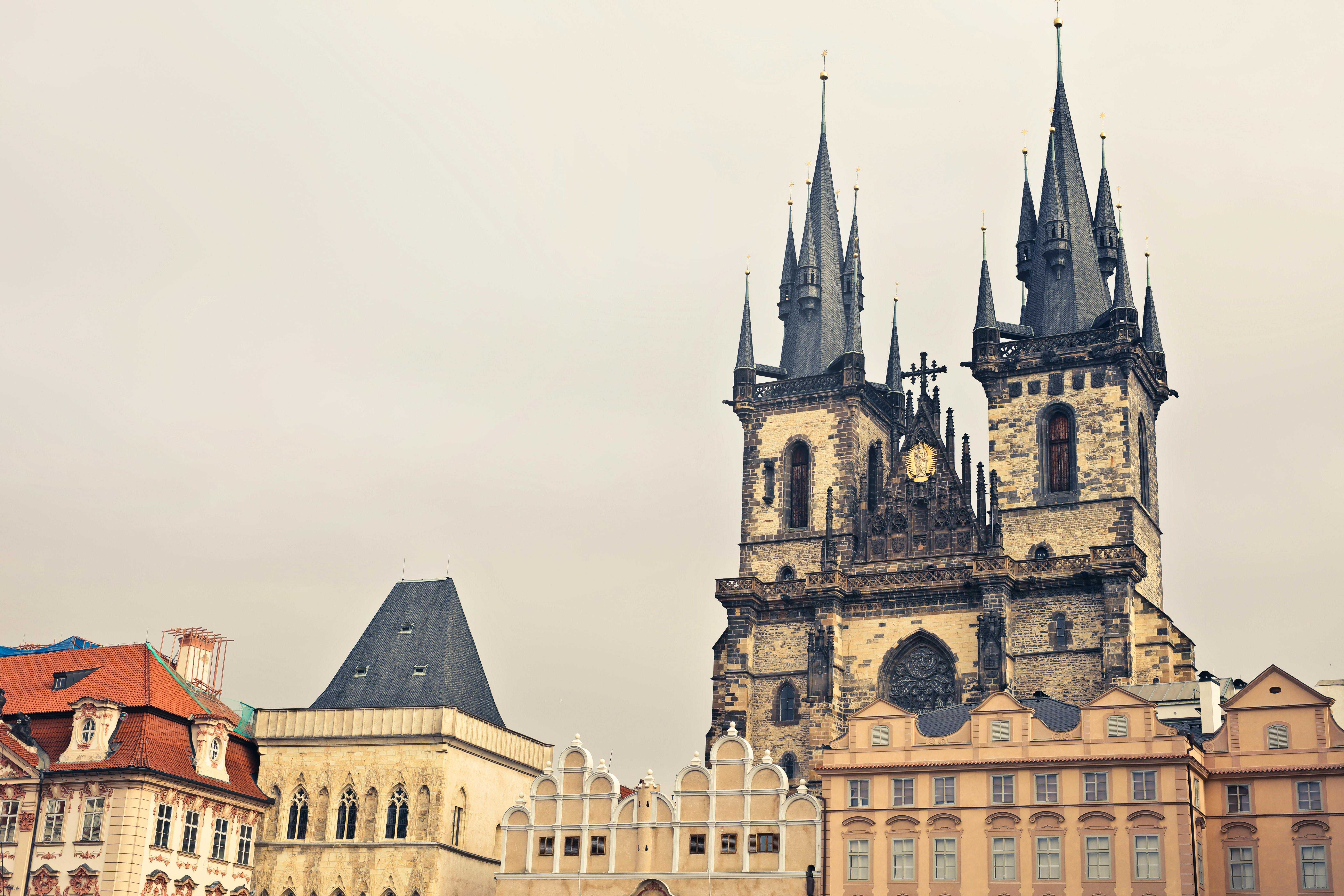
    • Known for its medieval architecture, the astronomical clock, and the Church of Our Lady before Týn.
  • Charles Bridge

    • A historic stone bridge adorned with statues, connecting Old Town and Lesser Town.
  • Wenceslas Square

    • A cultural and commercial center, it has been the site of many historic events, including protests during the Velvet Revolution.

Prague continues to be a vibrant city that attracts millions of tourists annually, drawn by its rich history, stunning architecture, and cultural significance.