
Portsmouth
· GB

Portsmouth

Portsmouth, Portsmouth, United Kingdom

Dive into Maritime History and Coastal Charm in Portsmouth Portsmouth, a vibrant waterfront city on England's south coast, pulsates with maritime history and modern energy. More than just a port, it's a place where cent…

#Historic city#Coastal#Port city#Maritime history#Cultural hub
1/12

Top hotels & flights

Hand-picked stays and the best fares into Portsmouth.

Top Hotels in Portsmouth

Top Flights to Portsmouth

Location videos

Real reels from travelers, plus longer watches to get the full picture.

From travelers
Watch & explore

Practical info

The essentials for planning your time in Portsmouth.

Currency
£ | GBP | Pound Sterling
Population
Portsmouth, United Kingdom, has an approximate estimated total population of 0.2 million.
Languages
English, English
Average weather
Portsmouth
Jan
rain
8°2°
Feb
rain
8°2°
Mar
cloud
10°3°
Apr
cloud
13°5°
May
cloud
16°8°
Jun
sun
19°11°
Jul
sun
22°14°
Aug
sun
22°14°
Sep
cloud
19°12°
Oct
rain
15°9°
Nov
rain
11°5°
Dec
rain
8°3°

Local guide

What travelers love, what to watch for, and a deeper read on Portsmouth.

What people love

Portsmouth, located in the United Kingdom, has several attractions and features that make it a popular destination for travelers. Here are some pros of traveling to Portsmouth:

  1. Historic significance: Portsmouth is a historic naval city with a rich maritime heritage. Visitors can explore historic sites such as the Portsmouth Historic Dockyard, which is home to famous ships like HMS Victory and the Mary Rose.

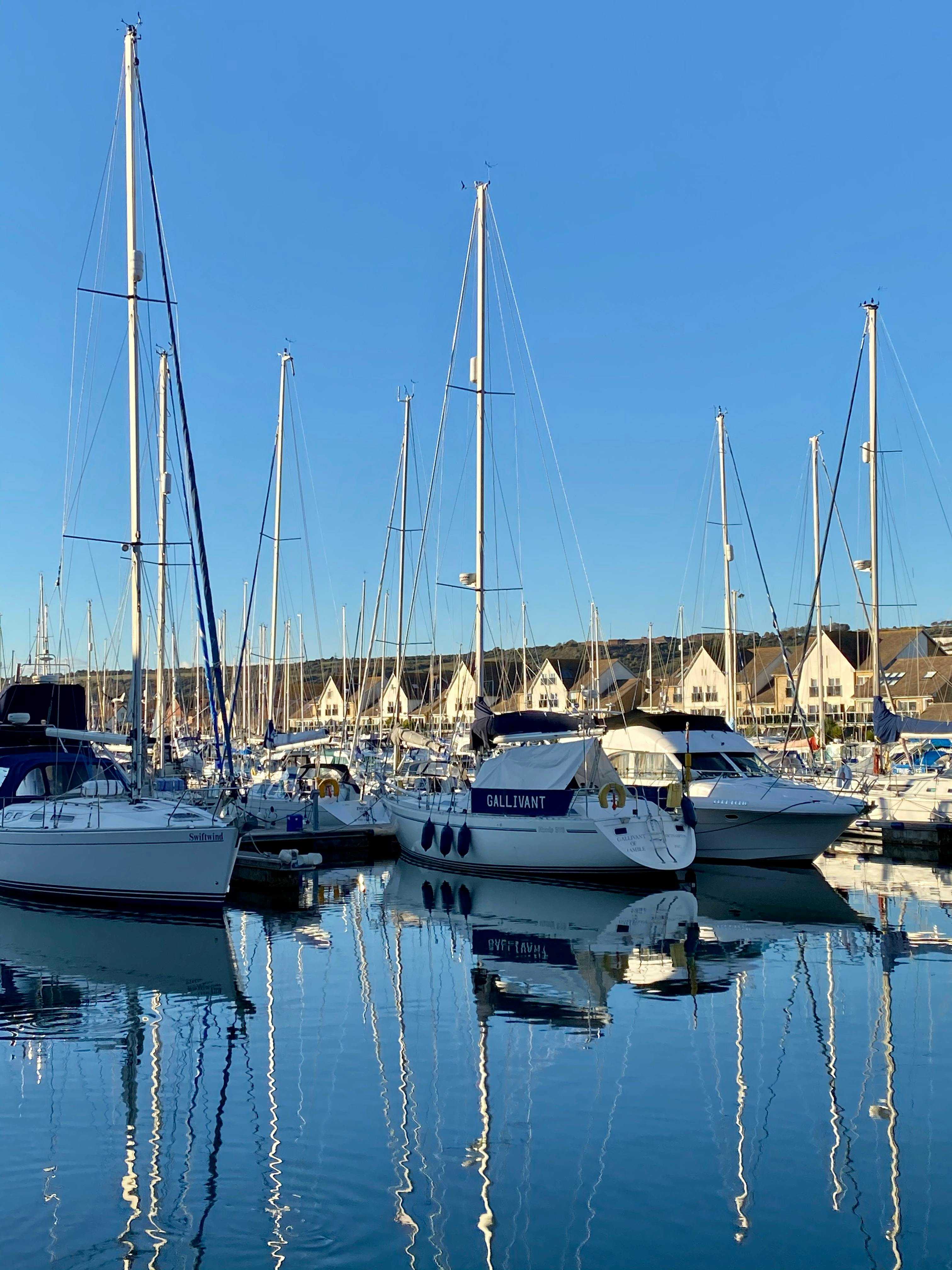
  2. Stunning waterfront views: Portsmouth is situated on the coast, offering beautiful waterfront views and opportunities for seaside activities such as sailing, kayaking, and beachcombing.

  3. Diverse cultural scene: The city has a vibrant cultural scene with museums, art galleries, theaters, and music venues. Visitors can immerse themselves in the local arts and entertainment scene.

  4. Shopping and dining: Portsmouth offers a variety of shopping options, from high street brands to independent boutiques. The city also has a wide range of dining options, including traditional British pubs, international cuisines, and seafood restaurants.

  5. Easy access to other destinations: Portsmouth is well-connected by rail, road, and sea, making it a convenient base for exploring other parts of the UK. Visitors can easily take day trips to nearby cities like Southampton, Winchester, and Chichester.

Overall, Portsmouth offers a mix of history, culture, scenic beauty, and convenience, making it a compelling destination for travelers.

What to know

Traveling to Portsmouth, United Kingdom, like any destination, may have some cons. Here are a few potential drawbacks to consider:

  1. Weather: Portsmouth, being a coastal city, can experience unpredictable weather patterns, including rain and wind. Visitors may need to pack accordingly and be prepared for changing weather conditions.

  2. Crowds: During peak tourist seasons, Portsmouth can get crowded, especially around popular attractions such as the Historic Dockyard. This may lead to longer wait times and difficulty finding accommodations.

  3. Traffic: Portsmouth can experience heavy traffic congestion, especially during rush hours or when events are taking place in the city. Navigating through the city by car may be challenging at times.

  4. Cost of Living: The cost of living in Portsmouth, particularly in terms of accommodation and dining, may be higher compared to other cities in the UK. Visitors should budget accordingly to avoid overspending.

  5. Limited Public Transportation: While Portsmouth does have a public transportation system, it may not be as extensive or efficient as in some larger cities. Visitors relying on public transport should plan their journeys carefully.

  6. Potential for Seasickness: Given Portsmouth's coastal location, visitors planning to take boat tours or ferries may be susceptible to seasickness. It's advisable to take precautions if you are sensitive to motion sickness.

Please note that these are general considerations, and your experience in Portsmouth may vary. It's always a good idea to research further and plan accordingly based on your preferences and needs.

Portsmouth is a historic port city located on the south coast of England, within the ceremonial county of Hampshire. Its full address is Portsmouth, Portsmouth, United Kingdom. The city has a rich maritime history, having served as a significant naval port for centuries. Below is a detailed history of Portsmouth, highlighting key events, historical figures, and important landmarks.

Early History:

  • Roman Period: The area around Portsmouth has been inhabited since Roman times. The Romans used the natural harbor for their ships.
  • Foundation: Portsmouth was officially founded in 1180 by Jean de Gisors, a Norman lord.

Medieval Period:

  • Royal Charter: In 1194, King Richard I (Richard the Lionheart) granted Portsmouth a Royal Charter, recognizing its importance as a naval base.
  • Dockyard Establishment: In 1495, under King Henry VII, the first permanent dry dock in the world was constructed in Portsmouth, marking the beginning of its naval significance.

Tudor and Stuart Eras:

  • Mary Rose: In 1545, the Mary Rose, a warship of the English Tudor navy, sank in the Solent during a battle with the French fleet. The ship was raised in 1982 and is now a museum in Portsmouth.
  • Civil War: During the English Civil War, Portsmouth was a Royalist stronghold. It was besieged by Parliamentary forces in 1642.

18th and 19th Centuries:

  • Nelson's Flagship: HMS Victory, Lord Nelson's flagship at the Battle of Trafalgar in 1805, is preserved in Portsmouth and remains a significant historical attraction.
  • Industrial Growth: The Portsmouth Dockyard expanded significantly during the 18th and 19th centuries, becoming one of the largest and most advanced in the world.

20th Century:

  • World Wars: Portsmouth was heavily bombed during World War II due to its strategic importance as a naval port. The city played a vital role in the preparations for the D-Day landings.
  • Post-War Era: In the post-war period, Portsmouth underwent significant rebuilding and redevelopment.

Modern Era:

  • Portsmouth Harbour: The modern harbor is a hub for both naval and commercial shipping. The Royal Navy continues to have a strong presence in Portsmouth.
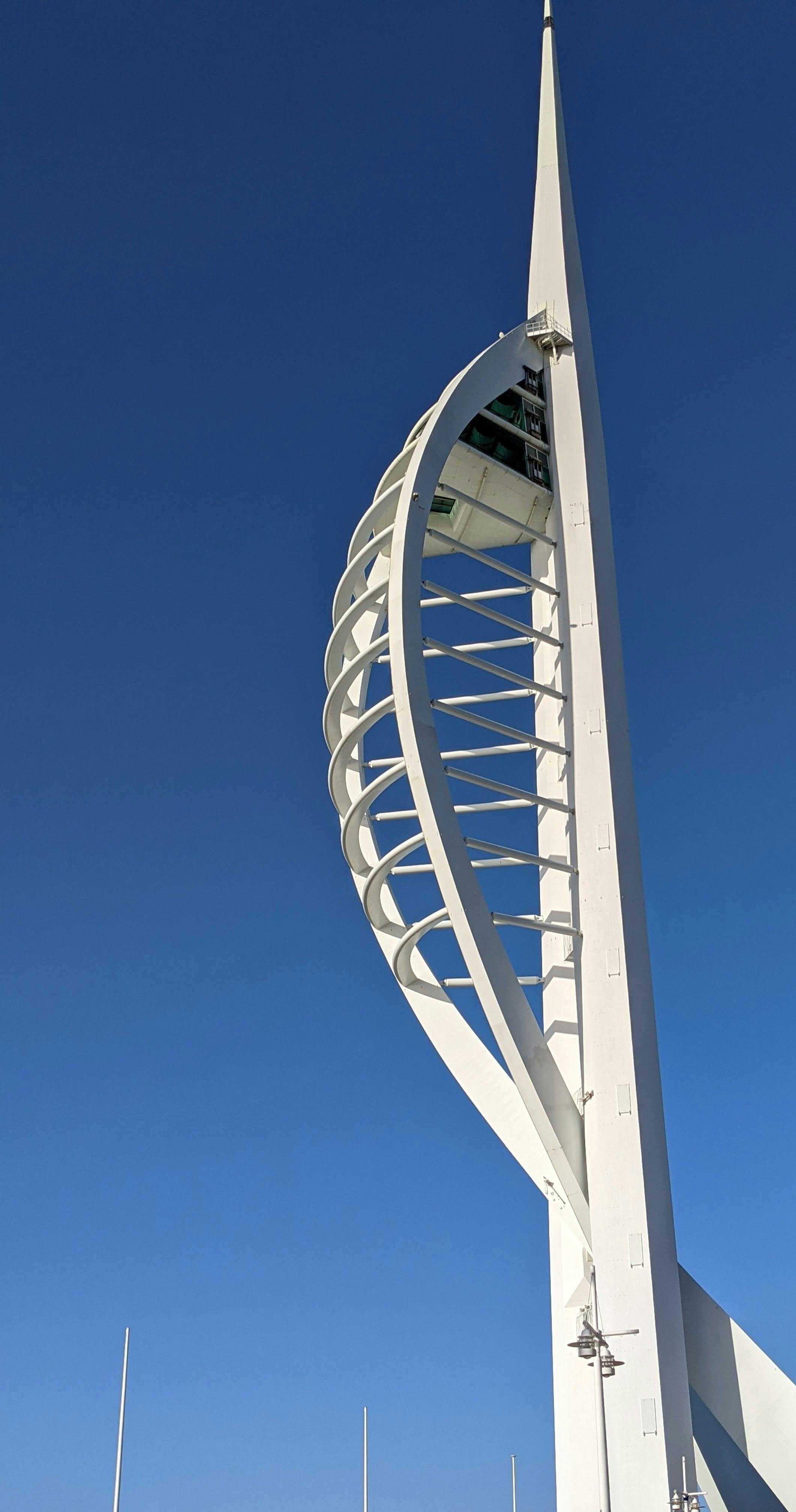
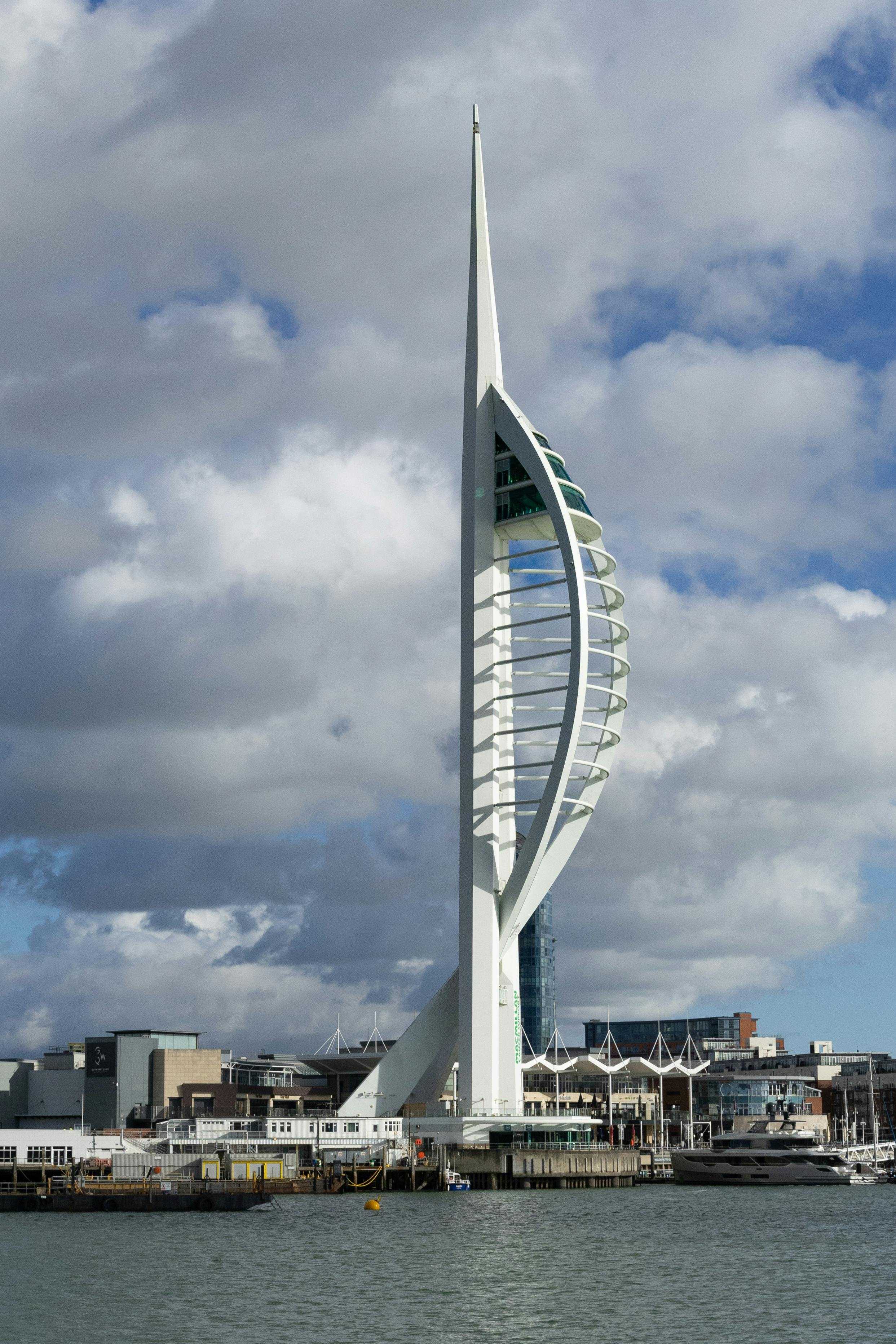
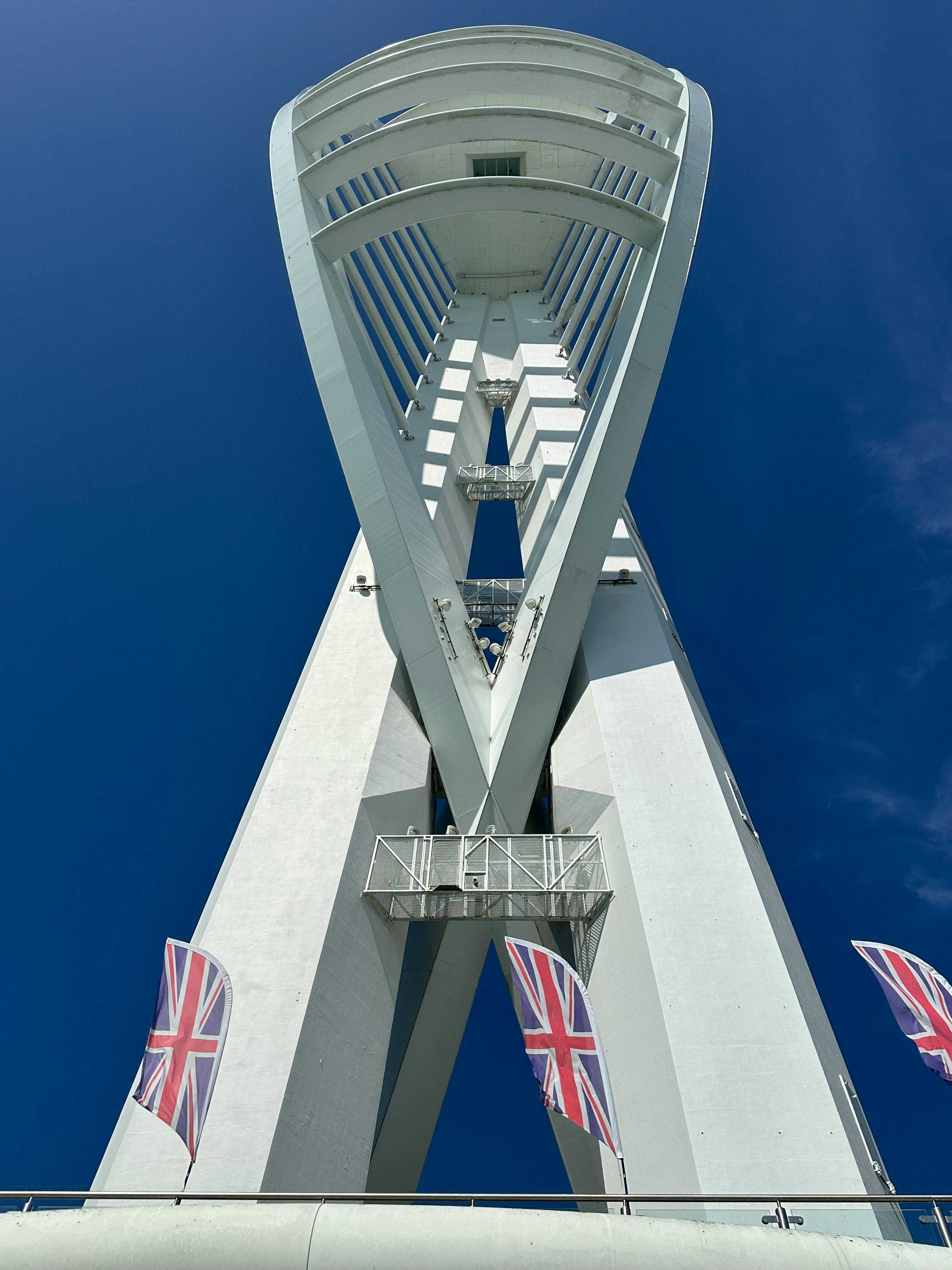
  • Spinnaker Tower: Opened in 2005, the Spinnaker Tower is a prominent landmark and symbol of Portsmouth's regeneration efforts.

Important Landmarks:

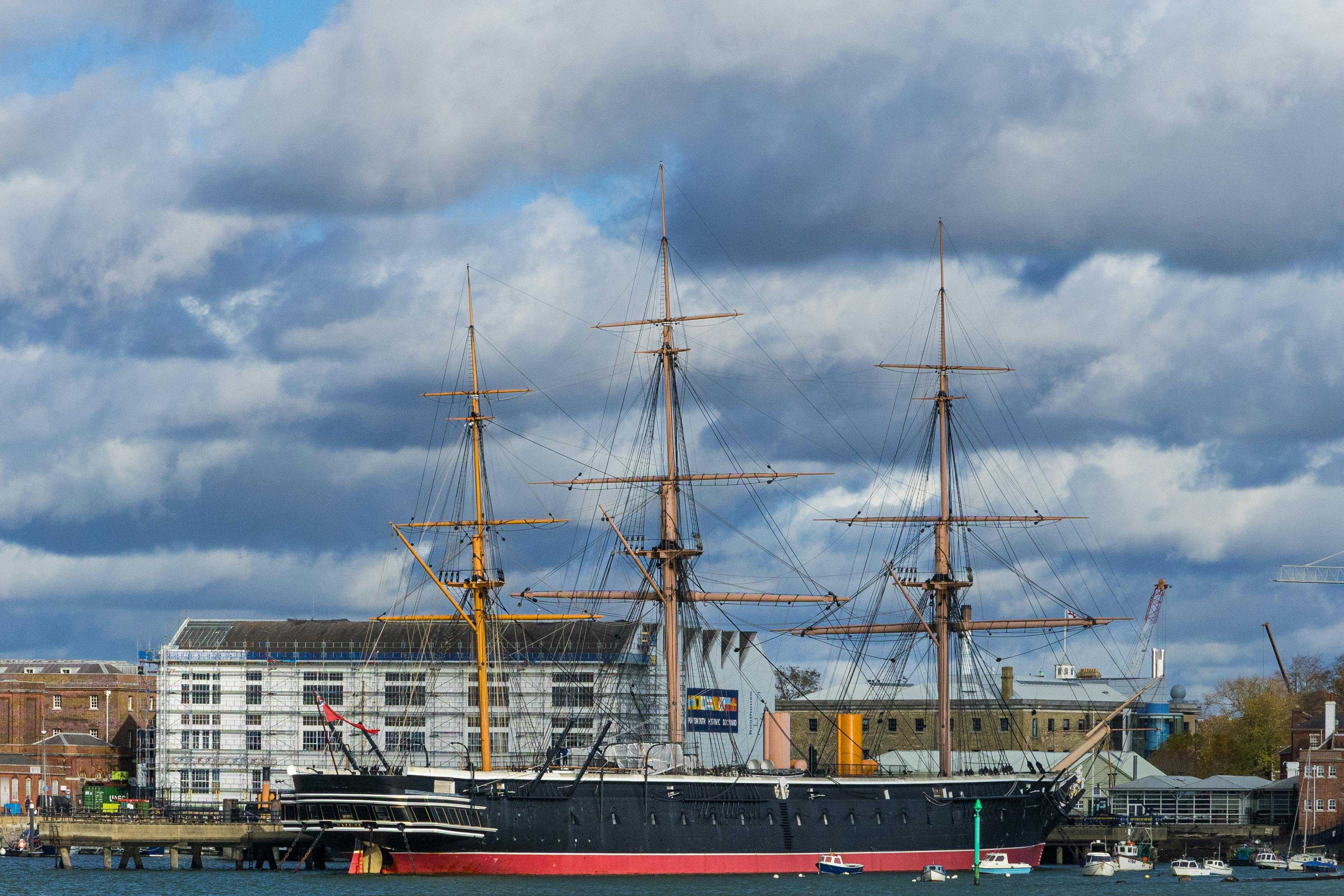
  • Portsmouth Historic Dockyard: Home to HMS Victory, the Mary Rose Museum, and HMS Warrior 1860.
  • Spinnaker Tower: A 170-meter tall observation tower offering panoramic views of the city and the Solent.
  • Portsmouth Cathedral: The cathedral church of St. Thomas of Canterbury, showcasing fine examples of Norman and Gothic architecture.
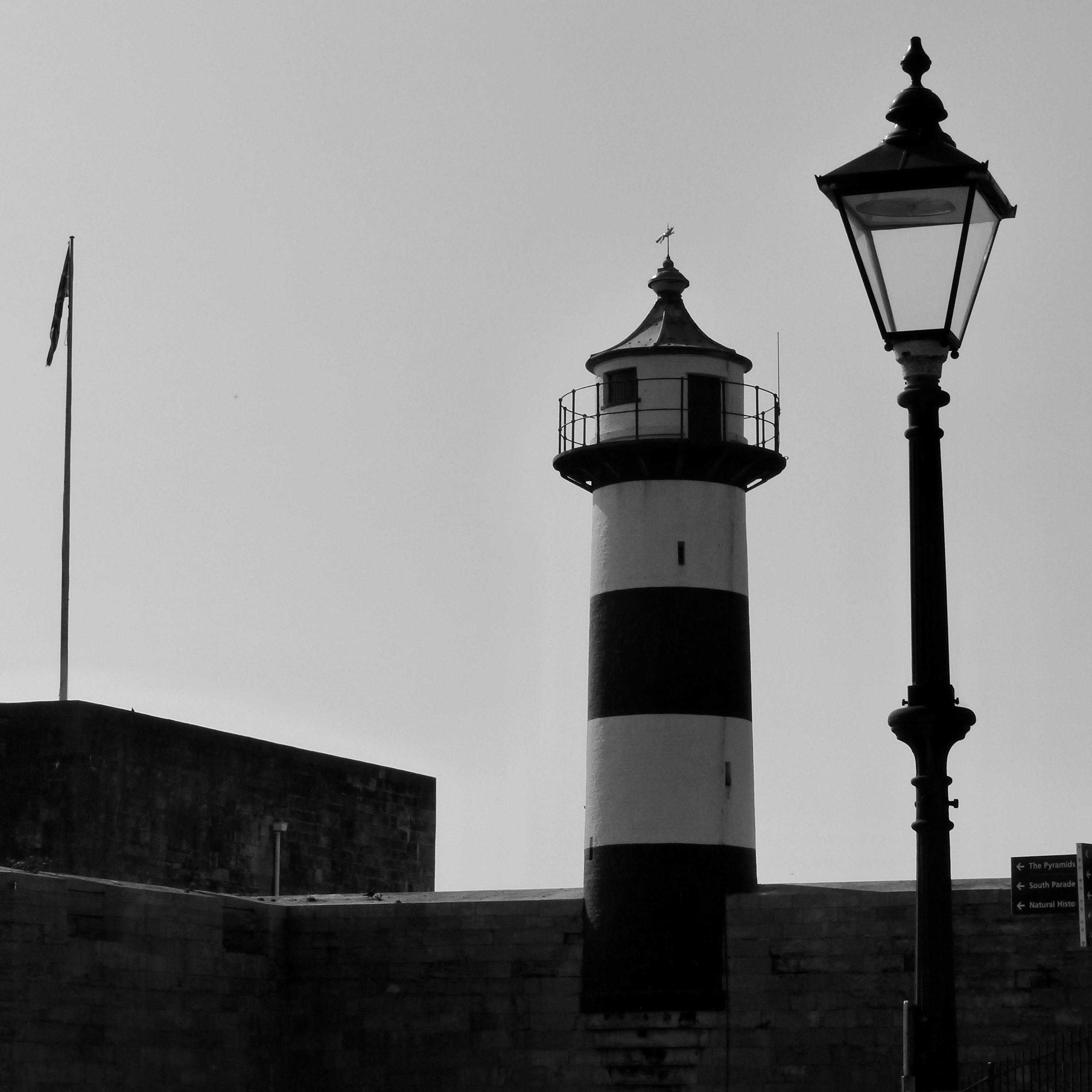
  • Southsea Castle: Built by Henry VIII in 1544, it played a crucial defensive role throughout history.
  • Charles Dickens Birthplace Museum: The birthplace of the famous author, Charles Dickens, in 1812, is now a museum dedicated to his life and works.

Notable Figures:

  • Charles Dickens: Renowned author, born in Portsmouth.
  • Isambard Kingdom Brunel: The famous engineer worked in the Portsmouth Dockyard early in his career.

Portsmouth continues to be a vibrant city with a rich blend of historic and modern influences, maintaining its maritime heritage while evolving into a dynamic cultural and economic center.