

Pontevedra
· ES

Pontevedra

Pontevedra, Galicia, Spain

Step into Pontevedra: Where History Meets Modern Charm in Green Galicia Nestled on the verdant northwest coast of Spain, Pontevedra is a hidden gem in the heart of Galicia. This charming city effortlessly blends a rich h…

#Historic city#Coastal town#Galician culture#Medieval architecture#Pontevedra province
1/7

Top hotels & flights

Hand-picked stays and the best fares into Pontevedra.

Top Hotels in Pontevedra

Top Flights to Pontevedra

Location videos

Real reels from travelers, plus longer watches to get the full picture.

From travelers
Watch & explore

Practical info

The essentials for planning your time in Pontevedra.

Currency
€ | EUR | Euro
Population
The approximate estimated total population of Pontevedra, Galicia, Spain is 'Not Available'.
Languages
Galician, Spanish, Galician
Average weather
Pontevedra
Jan
rain
13°5°
Feb
rain
14°6°
Mar
rain
16°7°
Apr
rain
17°8°
May
cloud
20°11°
Jun
sun
23°13°
Jul
sun
25°15°
Aug
sun
26°15°
Sep
cloud
24°14°
Oct
rain
20°11°
Nov
rain
16°8°
Dec
rain
13°6°

Local guide

What travelers love, what to watch for, and a deeper read on Pontevedra.

What people love

Pontevedra, located in Galicia, Spain, has several pros for travelers:

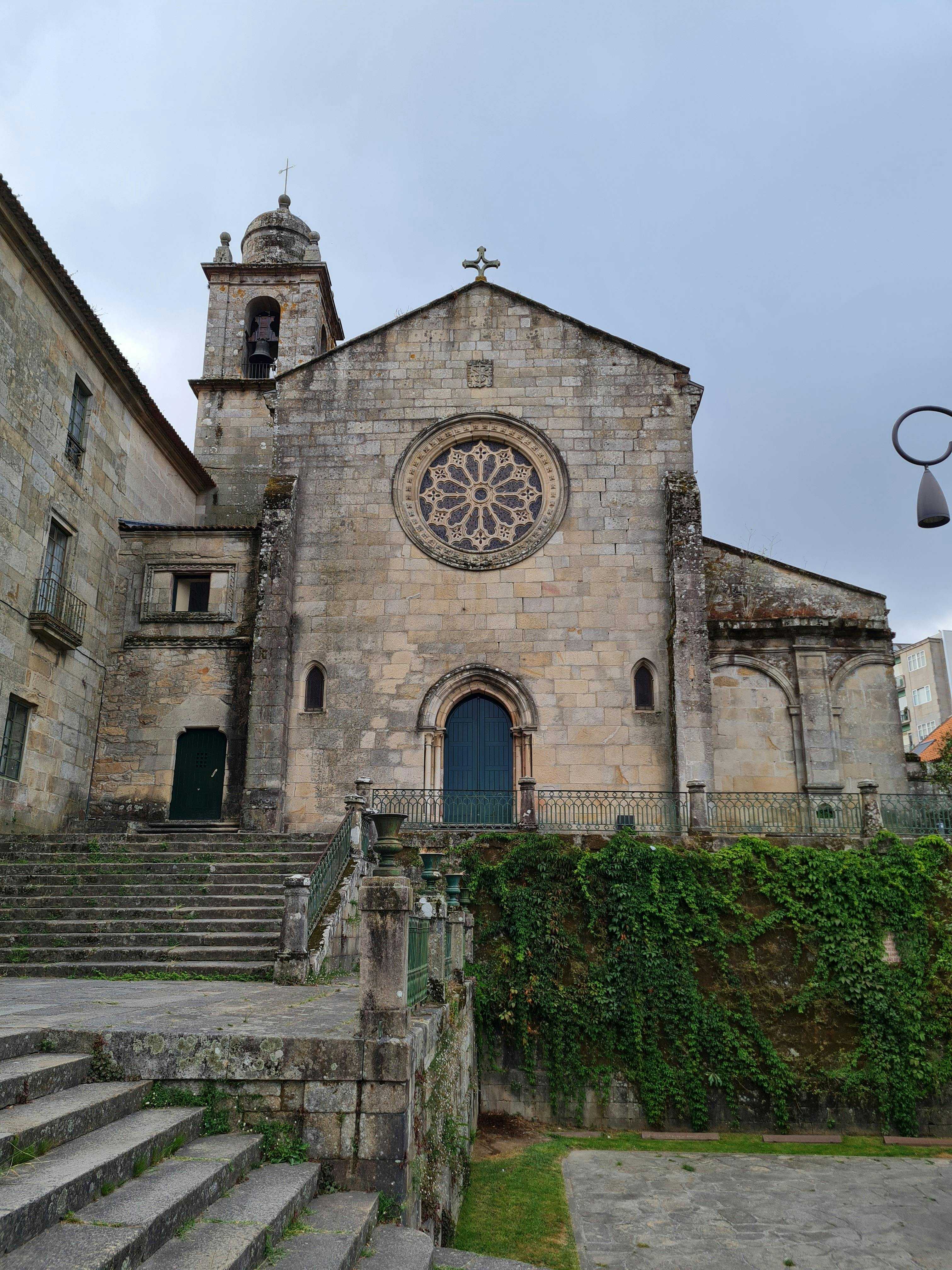
  1. Architectural Beauty: Pontevedra is known for its well-preserved historic district with charming cobblestone streets, picturesque squares, and beautiful monuments such as the Church of the Pilgrim and the Sanctuary of the Virgen Peregrina.

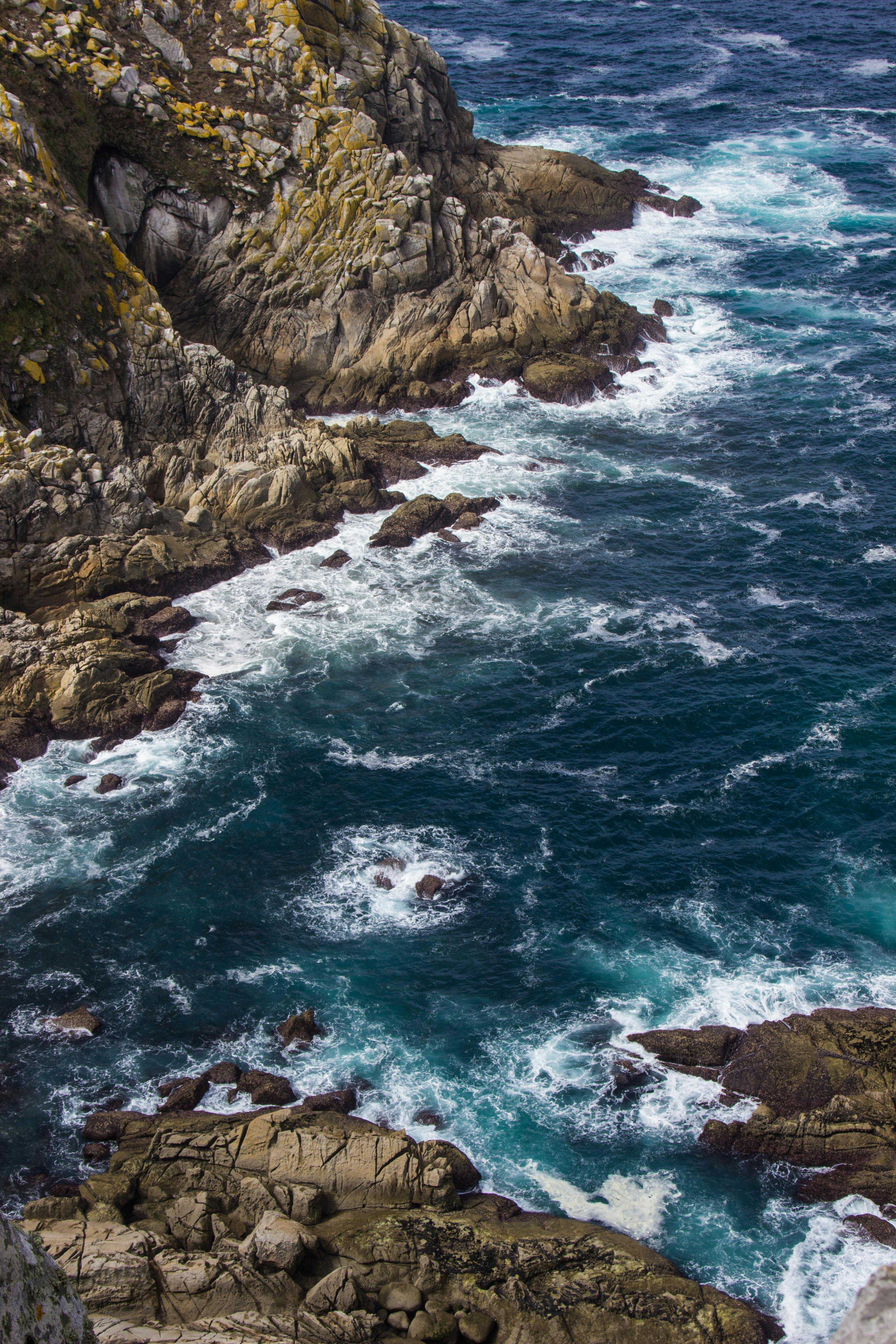
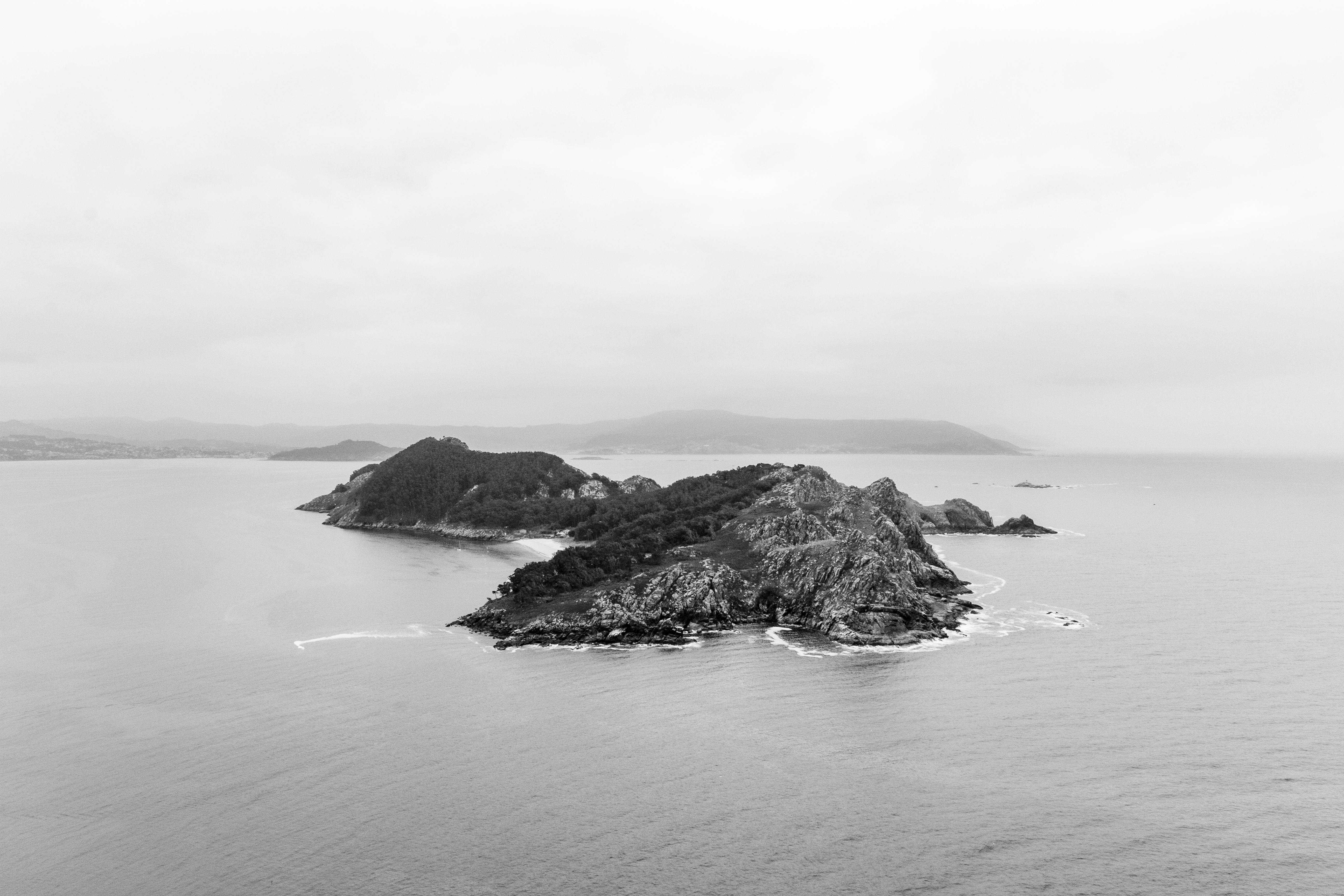
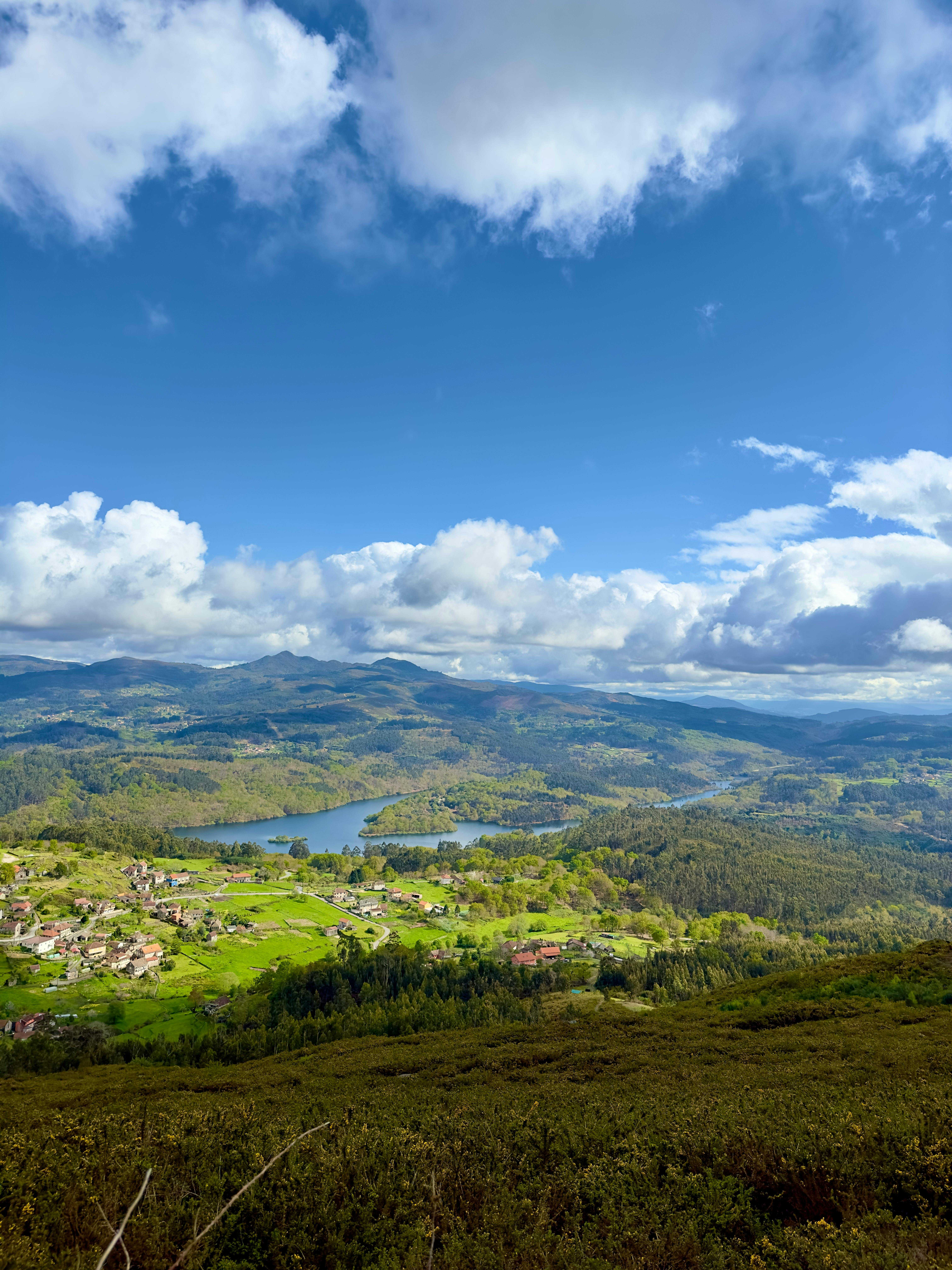
  2. Natural Beauty: The region surrounding Pontevedra is characterized by lush green landscapes, stunning coastline, and nearby beaches. Visitors can enjoy outdoor activities such as hiking, cycling, and exploring the Rias Baixas region.

  3. Gastronomy: Galicia is renowned for its delicious seafood, particularly fresh fish and shellfish. Pontevedra offers a wide range of restaurants and tapas bars where travelers can savor traditional Galician cuisine.

  4. Festivals and Events: Pontevedra hosts various cultural events and festivals throughout the year, including the Feast of Pilgrims, the Festa da Arribada, and the International Jazz Festival. These events provide opportunities to experience the local culture and traditions.

  5. Tranquility and Authenticity: Pontevedra is known for its relaxed and authentic atmosphere, making it a perfect destination for travelers seeking a peaceful and genuine Spanish experience away from the crowds.

Overall, Pontevedra offers a mix of cultural, natural, and culinary experiences that make it a unique and memorable destination for travelers.

What to know

Some potential cons of traveling to Pontevedra, Galicia, Spain, could include:

  1. Weather: The weather in Pontevedra can be quite rainy, especially during the fall and winter months. This may affect outdoor activities and sightseeing plans.

  2. Language barriers: While many people in Pontevedra may speak English, the primary language is Galician and Spanish. If you are not familiar with these languages, communication may be a challenge at times.

  3. Limited transportation options: Pontevedra is a smaller city, so public transportation options may be limited compared to larger cities. This could make it more difficult to get around and explore the area.

  4. Crowds: During peak tourist seasons, Pontevedra may experience an influx of visitors, leading to crowded attractions and restaurants. This could impact the overall experience of your trip.

  5. Limited nightlife: Pontevedra is known for its laid-back and traditional atmosphere, so if you are looking for a vibrant nightlife scene, you may be disappointed in the options available.

Overall, while Pontevedra is a beautiful and historic city to visit, these potential cons should be considered when planning your trip.

Pontevedra, located in the autonomous community of Galicia in northwest Spain, has a rich and varied history that dates back to ancient times. The city is the capital of the province of the same name and has long been an important cultural and economic center in the region.

Ancient and Medieval History:

  • Roman Era: Pontevedra's origins can be traced back to its days as a Roman settlement. The Romans recognized the strategic importance of the area due to its proximity to the Lérez River and the Atlantic Ocean. The settlement was known during this time as "Ad Duos Pontes" because of its location between two bridges.

  • Middle Ages: During the Middle Ages, Pontevedra grew significantly due to trade and its strategic location. It became an important commercial hub, especially known for its fishing industry. The city was granted several privileges and charters that encouraged growth and prosperity.

Renaissance to the 19th Century:

  • 16th Century: The city enjoyed a golden age during the 16th century when its shipbuilding industry flourished. Pontevedra became one of the most important ports in Galicia, with a bustling maritime trade.

  • Decline: Following its peak, the city experienced a decline caused by several factors, including competition from other ports, siltation of its harbor, and political changes. By the 18th century, Pontevedra had lost much of its former prominence.

19th and 20th Century:

  • Revival: In the 19th century, Pontevedra began to recover, aided by infrastructural improvements and the development of new industries. The arrival of the railway in the late 19th century further boosted the local economy.

  • 20th Century: The 20th century saw significant urban development. Pontevedra played a vital role during the Spanish Civil War, with various political and social changes affecting its course.

Significant Events and Figures:

  • Columbus Connection: There is a local legend that Christopher Columbus had Galician roots, and some theories suggest that Pontevedra could have played a role in his voyages, though this is not widely accepted by historians.

  • Alexander Bóveda: A notable figure from Pontevedra is Alexandre Bóveda, an important Galician nationalist and intellectual who was executed during the Spanish Civil War. He is remembered for his contributions to the Galician cultural and political movement.

Important Landmarks:

  • Basilica of Santa María la Mayor: This is one of the most significant religious sites in Pontevedra, showcasing Gothic architecture with Renaissance influences. It reflects the city's rich maritime history.

  • Pazo de Mugartegui: A baroque palace located in the heart of the city, which now serves as the headquarters for the Rías Baixas Wine Regulatory Council.

  • The Ruins of Santo Domingo: These are the remains of what was once a grand Dominican convent, now preserved as a historic site.

  • Teatro Principal: A central cultural venue in the city, hosting various performances and cultural events.

Pontevedra today is known for its pedestrian-friendly urban design, vibrant cultural life, and as a center of Galician language and heritage. The city has successfully blended its historical legacy with modern developments, making it a unique and attractive destination in Spain.