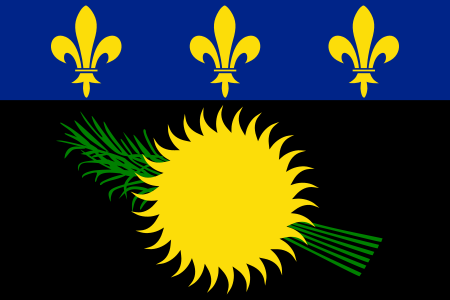
Pointe-à-Pitre
· GP

Pointe-à-Pitre

Pointe-à-Pitre, Guadeloupe

Pointe-à-Pitre: Vibrant Heart of Guadeloupe Pointe-à-Pitre, the largest city in Guadeloupe, pulsates with a unique blend of French sophistication and Caribbean soul. More than just a port town, Pointe-à-Pitre is a cultur…

#Caribbean#Island#Tropical#Historic#Port city
1/2

Top hotels & flights

Hand-picked stays and the best fares into Pointe-à-Pitre.

Top Hotels in Pointe-à-Pitre

Top Flights to Pointe-à-Pitre

Popular activities

Tours, tickets and experiences travelers book most in Pointe-à-Pitre.

Tours

Explore the Historical Sites of Pointe-à-Pitre

Discover the rich history of Pointe-à-Pitre by visiting its iconic landmarks and museums.

Shopping

Caribbean Shopping Spree

Experience the vibrant shopping scene of Pointe-à-Pitre, from local markets to luxury boutiques.

Outdoor

Coastal Adventure and Watersports

Enjoy the sun and sea with exhilarating watersports along Pointe-à-Pitre's shores.

Location videos

Real reels from travelers, plus longer watches to get the full picture.

From travelers
Watch & explore

Practical info

The essentials for planning your time in Pointe-à-Pitre.

Currency
€ | EUR | Euro
Population
Not Available
Languages
French, French, Antillean Creole
Average weather
Pointe-à-Pitre
Jan
sun
29°21°
Feb
sun
29°21°
Mar
sun
30°22°
Apr
sun
31°23°
May
rain
31°24°
Jun
rain
31°24°
Jul
rain
31°24°
Aug
rain
31°24°
Sep
rain
31°24°
Oct
rain
31°23°
Nov
rain
30°23°
Dec
sun
29°22°

Local guide

What travelers love, what to watch for, and a deeper read on Pointe-à-Pitre.

What people love

Pointe-à-Pitre is a vibrant city located in Guadeloupe, a French overseas region in the Caribbean. Traveling to Pointe-à-Pitre offers numerous advantages, including:

  1. Rich Culture: Pointe-à-Pitre is a melting pot of cultures, with influences from Europe, Africa, and the Caribbean. Visitors can explore the city's museums, markets, and historic sites to learn about its diverse heritage.

  2. Beautiful Beaches: Guadeloupe is known for its stunning beaches, and Pointe-à-Pitre is no exception. Visitors can relax on the white sandy shores, swim in the crystal-clear waters, and enjoy water sports like snorkeling and diving.

  3. Delicious Cuisine: Guadeloupean cuisine is a delightful blend of French, African, and Caribbean flavors. In Pointe-à-Pitre, visitors can sample local dishes like accras (cod fritters), boudin (blood sausage), and fresh seafood at the city's restaurants and food markets.

  4. Shopping Opportunities: Pointe-à-Pitre is a great place to shop for unique souvenirs and local handicrafts. Visitors can browse the colorful markets and boutiques for items like spices, rum, handmade jewelry, and traditional textiles.

  5. Outdoor Activities: Nature lovers will appreciate the outdoor activities available in and around Pointe-à-Pitre. From hiking in the lush rainforest to exploring waterfalls and botanical gardens, there are plenty of opportunities to enjoy the natural beauty of Guadeloupe.

Overall, traveling to Pointe-à-Pitre offers a wonderful mix of culture, nature, and relaxation, making it a fantastic destination for those looking to experience the best of the Caribbean.

What to know

Some potential cons of traveling to Pointe-à-Pitre, Guadeloupe, include:

  1. High humidity and temperatures: Pointe-à-Pitre has a tropical climate with high humidity and temperatures, which may be uncomfortable for some travelers, especially those not accustomed to such conditions.

  2. Language barrier: While French is the official language of Guadeloupe, many locals also speak Creole. If you are not fluent in French or Creole, you may encounter communication challenges during your stay.

  3. Limited public transportation: Pointe-à-Pitre may have limited public transportation options, making it less convenient to explore the city and its surrounding areas without a car rental.

  4. Potential for hurricanes: Guadeloupe is located in the Caribbean hurricane belt and can be affected by hurricanes during the Atlantic hurricane season (June to November). Traveling during this time may pose risks and disrupt your plans.

  5. Limited tourist infrastructure: While Guadeloupe is a popular destination, some areas may have limited tourist infrastructure compared to other more developed destinations, which could impact your overall travel experience.

It's important to research and plan accordingly to mitigate these potential cons and ensure a safe and enjoyable trip to Pointe-à-Pitre, Guadeloupe.

Pointe-à-Pitre is a city located on the island of Grande-Terre in Guadeloupe, which is an overseas region of France in the Caribbean. Here is a detailed history of Pointe-à-Pitre:

Early History

  • Foundation and Development: Pointe-à-Pitre was officially founded in the mid-18th century. Its development accelerated due to its strategic position as a port, which facilitated trade, especially in sugar, rum, and coffee, which were major products of Guadeloupe.

Colonial Era

  • French Colonial Period: As part of the French colonial empire, Pointe-à-Pitre became an important trading hub. The city grew as a center for commerce and was named after a Dutch Jewish settler, "Pitre," who established a trading post there.
  • Slave Trade: Like much of the Caribbean, Pointe-à-Pitre was heavily involved in the transatlantic slave trade. Enslaved Africans were brought to work on the plantations in Guadeloupe, significantly impacting the demographics and culture of the area.

19th Century

  • Natural Disasters: Pointe-à-Pitre has been periodically affected by natural disasters, including hurricanes and earthquakes. Notably, the city was devastated by a major earthquake in 1843 which destroyed much of the infrastructure.
  • Abolition of Slavery: The abolition of slavery in 1848 was a pivotal moment, leading to significant social transformations in Guadeloupe and Pointe-à-Pitre in particular. Freedmen and their descendants contributed richly to the cultural and social fabric of the city.

20th Century

  • World Wars: During the World Wars, Pointe-à-Pitre, like much of the Caribbean, was relatively isolated but remained under French control.
  • Departmentalization: In 1946, Guadeloupe became an overseas department of France, which brought about changes in the administrative and political landscape of Pointe-à-Pitre.

Contemporary Era

  • Economic Development: Pointe-à-Pitre remains an economic and commercial center in Guadeloupe. It has diversified its economy beyond agriculture to include services and tourism.
  • Cultural Hub: The city is also a cultural hub, with numerous festivals, markets, and museums celebrating the rich Creole culture and heritage.

Significant Landmarks

  • Place de la Victoire: This is one of the main squares in Pointe-à-Pitre, surrounded by colonial-era buildings and a site for public gatherings and events.
  • St. Peter and St. Paul Cathedral: A notable historic church in the city known for its unique architecture and stained glass windows.
  • Memorial ACTe: A contemporary museum dedicated to the history and memory of the slave trade, it serves as an important cultural and educational site.
  • Marché de la Darse: A vibrant market along the waterfront where locals and tourists can experience the flavors and culture of Guadeloupe.

Notable Figures

  • Louis Delgrès: Although more associated with Basse-Terre, Delgrès is a significant historical figure in Guadeloupe's resistance against slavery and French colonial rule.
  • Maryse Condé: A renowned author born in Pointe-à-Pitre, she has written extensively about Caribbean history and culture.

Pointe-à-Pitre remains a vital part of Guadeloupe's identity, reflecting the island's colonial past, its struggles, and its vibrant present.