Pohjois-Pohjanmaa
· FI

Pohjois-Pohjanmaa

Pohjois-Pohjanmaa, Finland

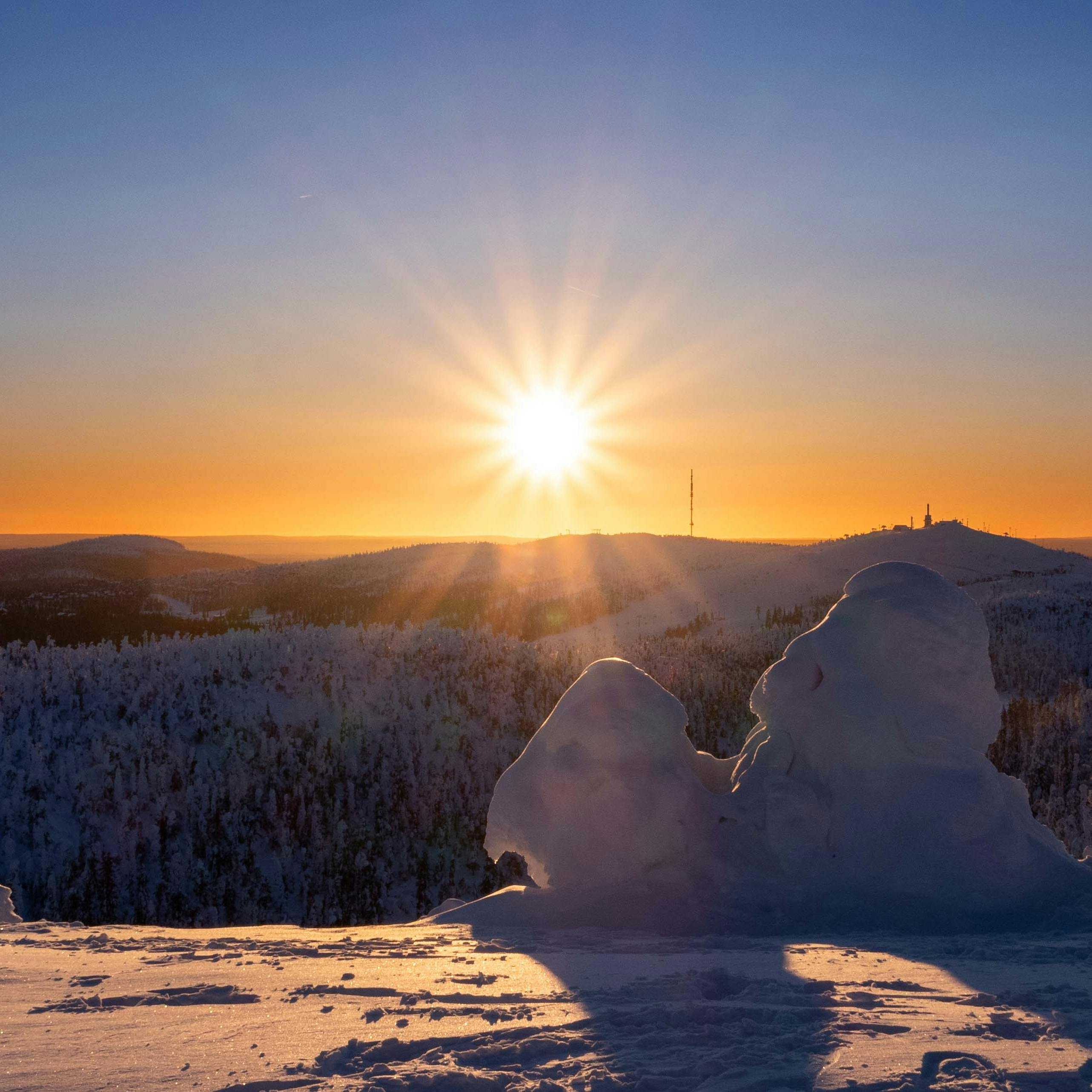
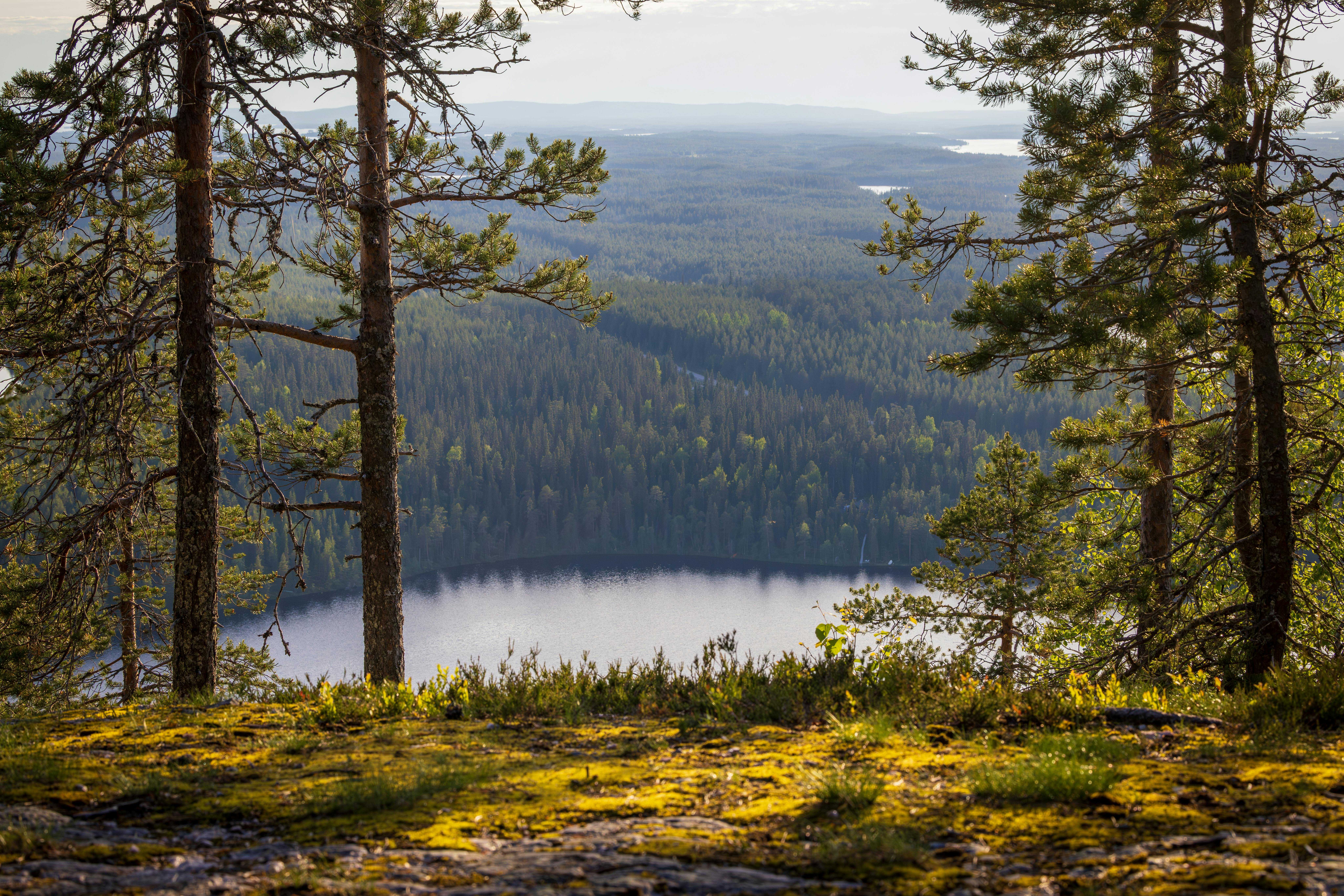
Escape to Pohjois-Pohjanmaa: Where Finnish Tradition Meets Arctic Adventure Nestled in the heart of Finland, bordering the icy Bothnian Bay, Pohjois-Pohjanmaa offers an enchanting blend of cultural immersion, natural won…

#Northern Finland#Scandinavia#Finnish Lapland#Arctic Circle#Outdoor activities
1/8

Top hotels & flights

Hand-picked stays and the best fares into Pohjois-Pohjanmaa.

Top Hotels in Pohjois-Pohjanmaa

Top Flights to Pohjois-Pohjanmaa

Location videos

Real reels from travelers, plus longer watches to get the full picture.

Watch & explore

Practical info

The essentials for planning your time in Pohjois-Pohjanmaa.

Currency
€ | EUR | Euro
Population
The approximate estimated total population of Pohjois-Pohjanmaa, Finland, is 0.4 million.
Languages
Finnish, Finnish, Swedish

Local guide

What travelers love, what to watch for, and a deeper read on Pohjois-Pohjanmaa.

What people love

Pohjois-Pohjanmaa, located in the northern part of Finland, offers a unique travel experience with its stunning natural landscapes and cultural attractions. Some of the pros of traveling to Pohjois-Pohjanmaa include:

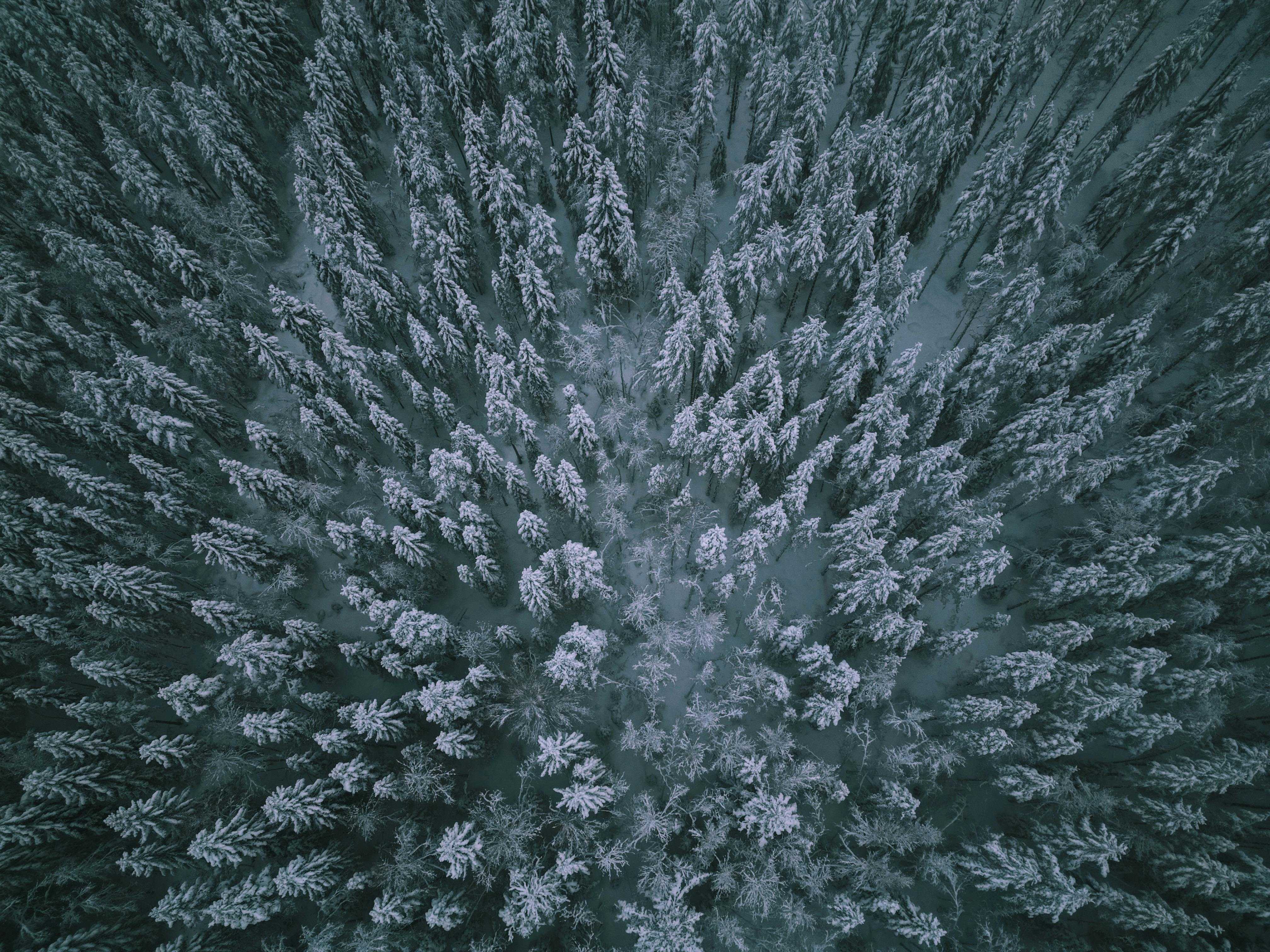
  1. Natural beauty: Pohjois-Pohjanmaa is known for its beautiful landscapes, including vast forests, lakes, and rugged coastline. Visitors can enjoy activities such as hiking, fishing, and wildlife watching in the region's pristine nature.

  2. Outdoor activities: The region offers a wide range of outdoor activities for adventure enthusiasts, including skiing, snowmobiling, and husky safaris in the winter, and hiking, biking, and kayaking in the summer.

  3. Cultural heritage: Pohjois-Pohjanmaa is home to traditional Finnish culture, including the indigenous Sámi culture. Visitors can explore local museums, handicraft shops, and cultural events to learn more about the region's rich heritage.

  4. Culinary delights: The region is known for its delicious local cuisine, including fresh seafood, wild game, and traditional Finnish dishes. Visitors can enjoy farm-to-table dining experiences and sample local delicacies in cozy restaurants.

  5. Peace and tranquility: Pohjois-Pohjanmaa offers a peaceful and relaxing environment away from the hustle and bustle of city life. Visitors can unwind in nature, breathe in the fresh air, and recharge their batteries in this tranquil setting.

Overall, traveling to Pohjois-Pohjanmaa provides an opportunity to immerse yourself in Finnish nature, culture, and cuisine, making it a memorable and rewarding travel destination.

What to know

Pohjois-Pohjanmaa, or Northern Ostrobothnia, is a region in Finland known for its natural beauty, including forests, lakes, and the Bothnian Bay. While it can be a rewarding destination for travelers seeking nature and tranquility, there are some potential downsides to consider:

  1. Weather: The climate can be challenging, especially in winter. Northern Ostrobothnia experiences long, cold winters with heavy snowfall and short daylight hours. This can affect travel plans and outdoor activities.

  2. Limited Urban Attractions: While cities like Oulu offer cultural and urban experiences, the region is predominantly rural. Travelers seeking a bustling city atmosphere may find fewer options for entertainment, dining, and shopping compared to larger cities in Finland.

  3. Accessibility: Some areas in Pohjois-Pohjanmaa may be remote and less accessible, particularly during winter weather conditions. Public transportation options may be limited, making a car necessary to explore the region fully.

  4. Language Barrier: While many Finns speak English, travelers who do not speak Finnish might encounter language barriers, especially in rural areas where English is less commonly spoken.

  5. Mosquitoes: In the summer months, the region can have a significant mosquito presence, particularly in forested and wetland areas. This can be an annoyance for outdoor activities.

  6. Limited Nightlife: For those looking for vibrant nightlife, options may be limited compared to Finland’s larger cities or more tourist-centric regions.

Despite these potential cons, Pohjois-Pohjanmaa offers unique natural landscapes and a peaceful environment, which can be appealing depending on the type of travel experience one is seeking.

Pohjois-Pohjanmaa, also known as Northern Ostrobothnia, is a region in Finland with a rich history and cultural heritage. Here is a detailed overview of its history:

Early History

  • Prehistoric Times: The region has been inhabited since the Stone Age, with archaeological findings indicating settlement along rivers and coastal areas. The land was shaped by the retreat of glaciers, creating fertile grounds for early settlers.
  • Iron Age: During this period, the region saw the development of more permanent settlements. The influence of trade increased, with connections to other parts of the Baltic Sea region.

Middle Ages

  • Swedish Rule: Pohjois-Pohjanmaa came under Swedish control during the Middle Ages. It was part of the vast Swedish Empire, which influenced its administrative and ecclesiastical structures.
  • Christianization: The region, like the rest of Finland, underwent Christianization in the late Middle Ages. Churches were built, and the area became part of the Diocese of Turku.

16th to 18th Century

  • Settlement and Agriculture: The 16th century saw an increase in settlement and the establishment of farming as a primary occupation. The region's rivers were vital for transportation and trade.
  • Swedish-Russian Conflicts: Northern Ostrobothnia was affected by the wars between Sweden and Russia, with several military campaigns passing through the area.

19th Century

  • Autonomous Grand Duchy: After the Finnish War in 1808-1809, Finland became an autonomous Grand Duchy under Russian control. This brought more economic and cultural development to the region.
  • Industrialization: The 19th century saw the beginning of industrialization, with the establishment of sawmills and tar production, which were significant for the region's economy.

20th Century

  • Independence of Finland: In 1917, Finland declared independence from Russia, a significant event that shaped the region's modern identity.
  • World War II: The region played a role in the Winter War and Continuation War, with many locals participating in the defense of Finland.
  • Post-war Development: After the wars, Pohjois-Pohjanmaa underwent significant reconstruction and development, with improvements in infrastructure and education.

Modern Times

  • Economic Growth: The region is known for its dynamic economy, with industries such as technology, renewable energy, and agriculture playing crucial roles.
  • Cultural Significance: Pohjois-Pohjanmaa is known for its vibrant cultural scene, with festivals, museums, and theaters contributing to its rich cultural life.

Historical Figures

  • Pekka Simojoki: A well-known Finnish musician and songwriter from the region, contributing significantly to Finnish gospel music.
  • Olli Rehn: A Finnish politician and economist from the area, who has served in various significant positions in Finnish and European politics.

Important Landmarks

  • Oulu Cathedral: A prominent landmark in Oulu, the region's capital, originally built in 1777.
  • Kierikki Stone Age Centre: An archaeological site and museum offering insights into the Stone Age history of the region.
  • Liminka Bay: A significant bird-watching area, known for its diverse avian population and beautiful natural scenery.

Pohjois-Pohjanmaa's history is marked by its strategic location, natural resources, and cultural contributions, making it a vital part of Finland's national heritage.