
Pisa
· IT

Pisa

Pisa, Tuscany, Italy

Pisa: Beyond the Leaning Tower Awaits a Tuscan Gem Pisa, nestled in the heart of Tuscany, Italy, is a city that effortlessly blends its iconic landmark with a captivating history and vibrant atmosphere. While the Leanin…

#Historic Landmark#Leaning Tower#Tourist Attraction#Italian Architecture#Cultural Heritage
1/8

Top hotels & flights

Hand-picked stays and the best fares into Pisa.

Top Hotels in Pisa

Top Flights to Pisa

Location videos

Real reels from travelers, plus longer watches to get the full picture.

Watch & explore

Practical info

The essentials for planning your time in Pisa.

Currency
€ | EUR | Euro
Population
90,000
Languages
Italian, Italian
Average weather
Pisa
Jan
rain
11°2°
Feb
rain
12°3°
Mar
cloud
15°5°
Apr
cloud
18°8°
May
sun
22°12°
Jun
sun
26°16°
Jul
hot
30°18°
Aug
hot
30°18°
Sep
sun
26°15°
Oct
rain
21°11°
Nov
rain
15°7°
Dec
rain
11°3°

Local guide

What travelers love, what to watch for, and a deeper read on Pisa.

What people love

Pisa, located in Tuscany, Italy, is a popular travel destination known for several attractions. Here are some pros of traveling to Pisa:

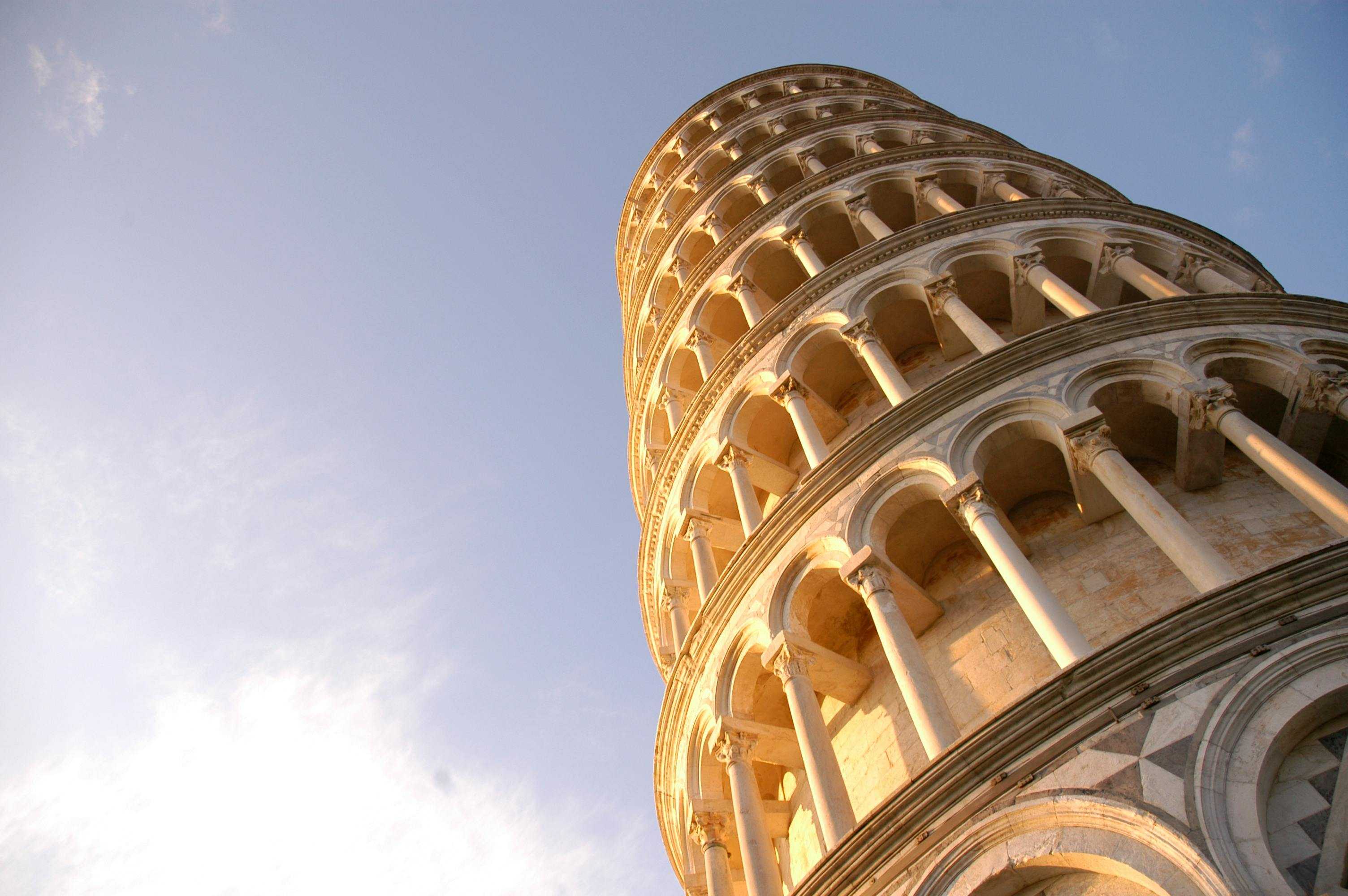
  1. Leaning Tower of Pisa: One of the most famous landmarks in the world, the Leaning Tower of Pisa is a must-visit attraction. Visitors can climb to the top of the tower for a unique view of the city.

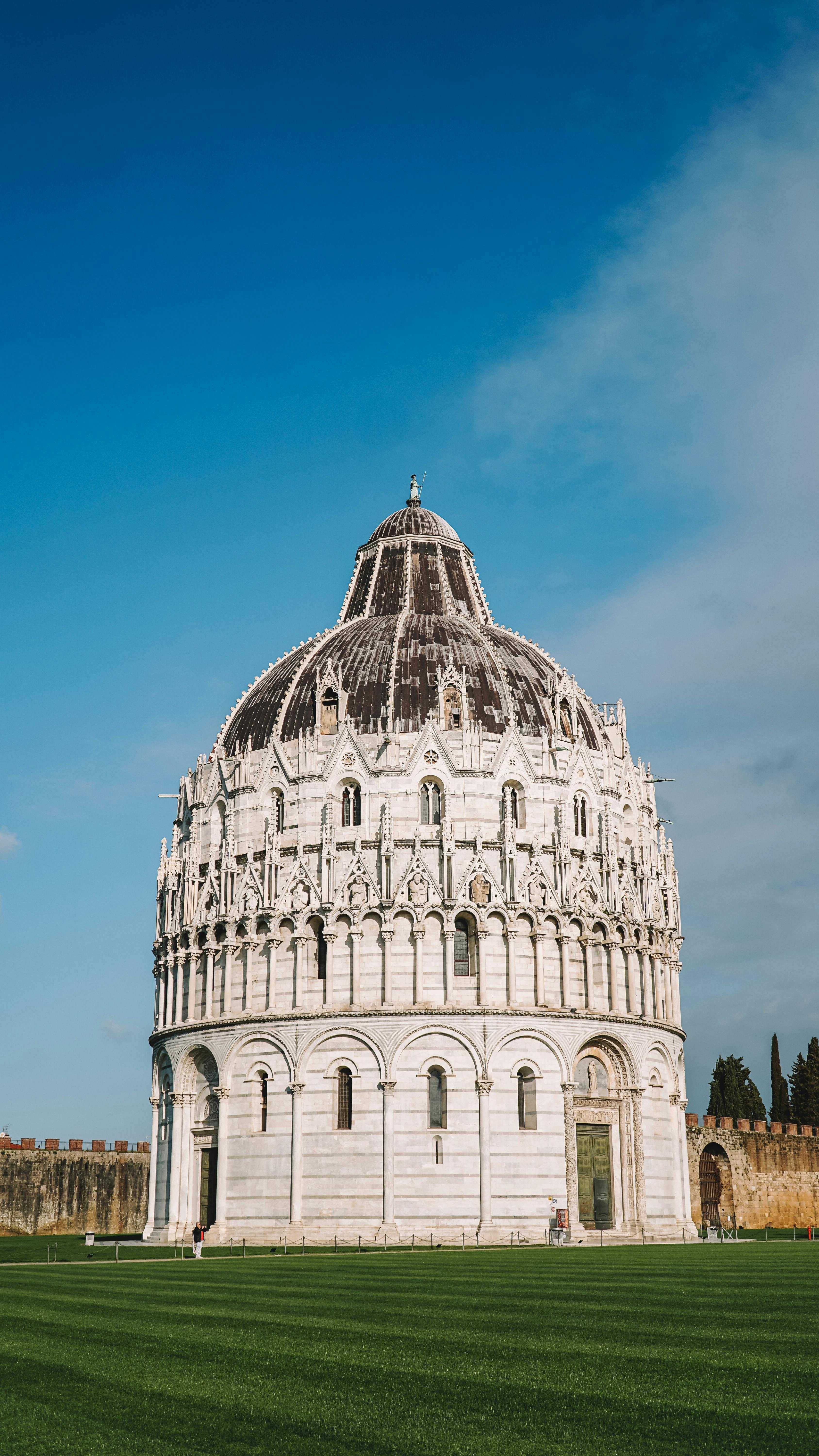
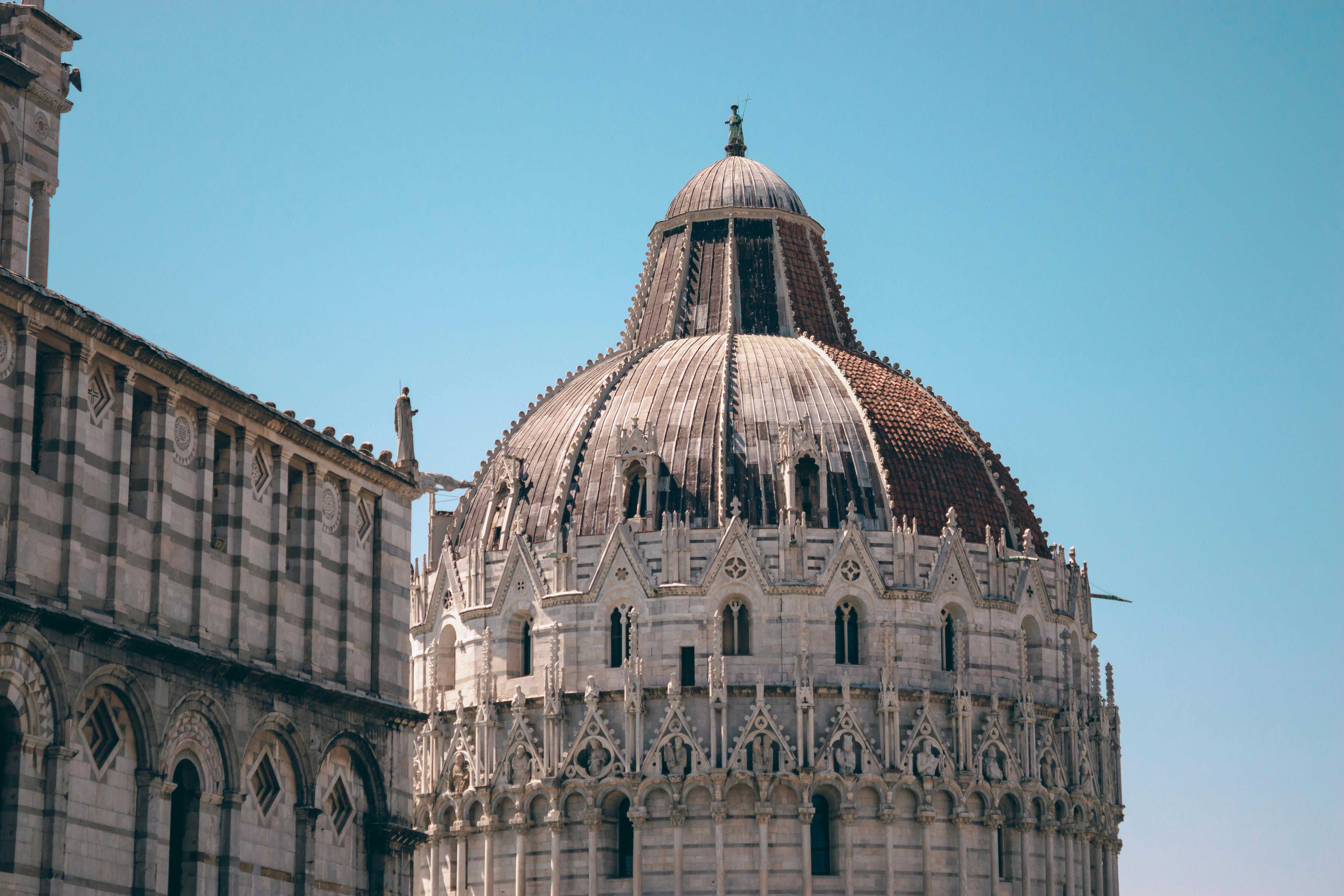
  2. Piazza dei Miracoli: Also known as the Square of Miracles, this UNESCO World Heritage site is home to the Leaning Tower, the Cathedral of Santa Maria Assunta, the Baptistry, and the Camposanto Monumentale.

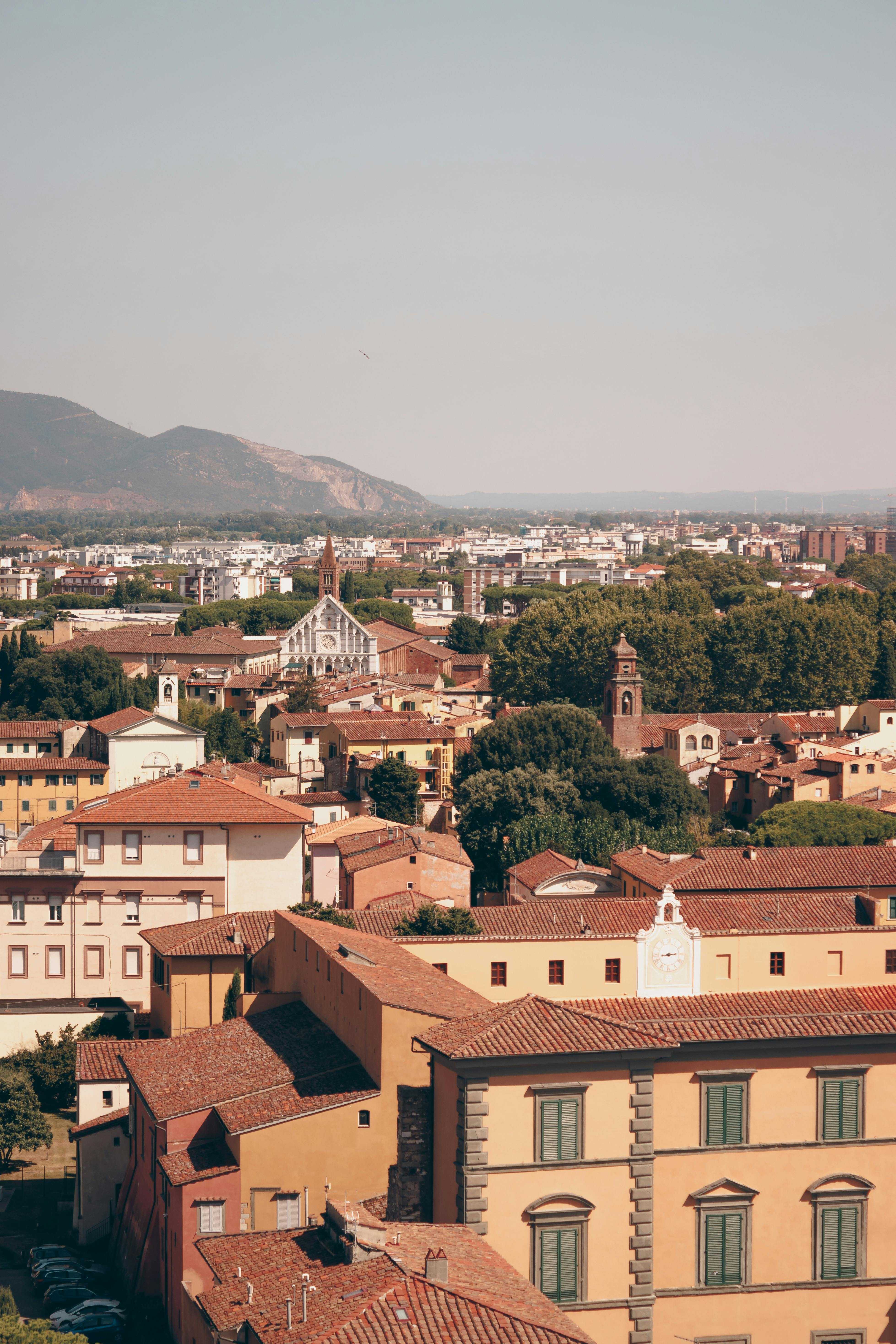
  3. Historic Architecture: Pisa is rich in historic architecture, with beautiful churches, palaces, and squares to explore. The city's medieval and Renaissance buildings offer a glimpse into its past.

  4. University of Pisa: The city is home to one of the oldest universities in Italy, the University of Pisa. Visitors can explore the university campus and its historic buildings.

  5. Cultural Events: Pisa hosts various cultural events throughout the year, including music festivals, art exhibitions, and traditional celebrations. These events provide a glimpse into the local culture and traditions.

  6. Tuscan Cuisine: Pisa offers a variety of delicious Tuscan dishes, including pasta, seafood, and local wines. Visitors can enjoy authentic Italian cuisine at the city's restaurants and cafes.

  7. Day Trips: Pisa is well-connected to other cities in Tuscany, making it a great base for day trips to places like Florence, Lucca, and Siena. Visitors can explore more of the region's attractions while staying in Pisa.

Overall, traveling to Pisa offers a mix of historic landmarks, cultural experiences, and delicious cuisine, making it a rewarding destination for travelers.

What to know

There are a few cons to consider when traveling to Pisa, Italy:

  1. Crowds: Pisa is a popular tourist destination, especially known for the iconic Leaning Tower of Pisa. As a result, the city can get quite crowded, particularly around the main tourist attractions. This can lead to long lines, difficulty finding accommodations, and a less authentic experience of the local culture.

  2. High Prices: Like many tourist hotspots in Italy, prices in Pisa can be higher compared to other parts of the country. This includes accommodations, dining, and souvenirs. Budget-conscious travelers may find it challenging to stick to their travel budget while in Pisa.

  3. Limited attractions: While the Leaning Tower of Pisa is a must-see attraction, the city itself may not offer as many sights and activities compared to other Italian cities like Rome, Florence, or Venice. Some visitors may find that they can explore the main attractions in Pisa in a day or two, leading to a shorter stay than initially planned.

  4. Scams: As with any tourist destination, Pisa has its share of scams targeting unsuspecting visitors. Be cautious of individuals trying to sell fake souvenirs, overpriced tours, or engaging in pickpocketing. It's essential to stay vigilant and be aware of your surroundings while exploring the city.

Overall, while Pisa offers a unique and iconic landmark in the Leaning Tower, visitors should be prepared for crowds, higher prices, limited attractions, and the potential for scams during their stay in the city.

Pisa, located in the region of Tuscany, Italy, is a city with a rich history dating back to ancient times. Here's a detailed history of Pisa, including its significant events, historical figures, and important landmarks:

Ancient and Medieval History

  • Etruscan and Roman Periods: Originally, Pisa was an Etruscan settlement, possibly established as early as the 5th century BC. It became a Roman colony in 180 BC and was an important port city due to its location near the mouth of the Arno River.

  • Early Middle Ages: After the fall of the Roman Empire, Pisa maintained its significance as a port city. During the Lombard period (6th–8th centuries), it became a key maritime center, helping to defend the Italian coast against Saracen raids.

  • The Rise of the Maritime Republic: In the 11th century, Pisa emerged as one of the powerful Maritime Republics of Italy, along with Genoa, Venice, and Amalfi. The city expanded its influence in the Mediterranean, participating in the Crusades and engaging in trade and naval battles.

  • Conflict with Genoa: Pisa's maritime dominance led to rivalries with other cities, notably Genoa. The Battle of Meloria in 1284 was a significant conflict where Pisa suffered a devastating defeat, marking the beginning of its decline as a maritime power.

Renaissance and Modern History

  • Incorporation into Florence: In the 15th century, after a prolonged struggle, Pisa was conquered by Florence in 1406. Despite occasional uprisings, Pisa remained under Florentine control, which eventually became part of the Grand Duchy of Tuscany.

  • University of Pisa: Established in 1343, the University of Pisa is one of the oldest universities in the world. It gained prominence during the Renaissance and is renowned for its contributions to education and science.

  • Galileo Galilei: Pisa is the birthplace of the famed scientist Galileo Galilei (1564–1642), who is credited with significant advancements in the fields of physics, astronomy, and scientific thought. Galileo famously conducted experiments on gravity from the Leaning Tower of Pisa.

Important Landmarks

  • Leaning Tower of Pisa: Perhaps the most famous landmark, the Leaning Tower is the freestanding bell tower of the cathedral of Pisa. Construction began in 1173 and was completed in the 14th century. Due to unstable foundation soil, the tower began to lean, becoming an iconic symbol of the city.

  • Pisa Cathedral and Baptistery: Located in Piazza dei Miracoli, the Pisa Cathedral (Duomo di Pisa) is a masterpiece of Romanesque architecture, consecrated in 1118. The nearby Baptistery, dedicated to St. John the Baptist, is known for its remarkable acoustics.

  • Camposanto Monumentale: This monumental cemetery, located in Piazza dei Miracoli, contains impressive frescoes and sarcophagi, representing a significant historical and artistic heritage.

Modern Era

  • World War II: Pisa suffered damage during World War II, particularly from Allied bombings targeting strategic locations. After the war, the city was rebuilt and restored to its historical glory.

  • Tourism and Education: Today, Pisa is a vibrant city known for its historical sites and the University of Pisa. It attracts tourists from around the world who come to see its architectural wonders.

Throughout its history, Pisa has played a crucial role in the cultural and political landscape of Italy. Its enduring legacy is visible in its architectural achievements and its contributions to science and education.