
Pingtung
· TW

Pingtung

Pingtung, Pingtung, Taiwan

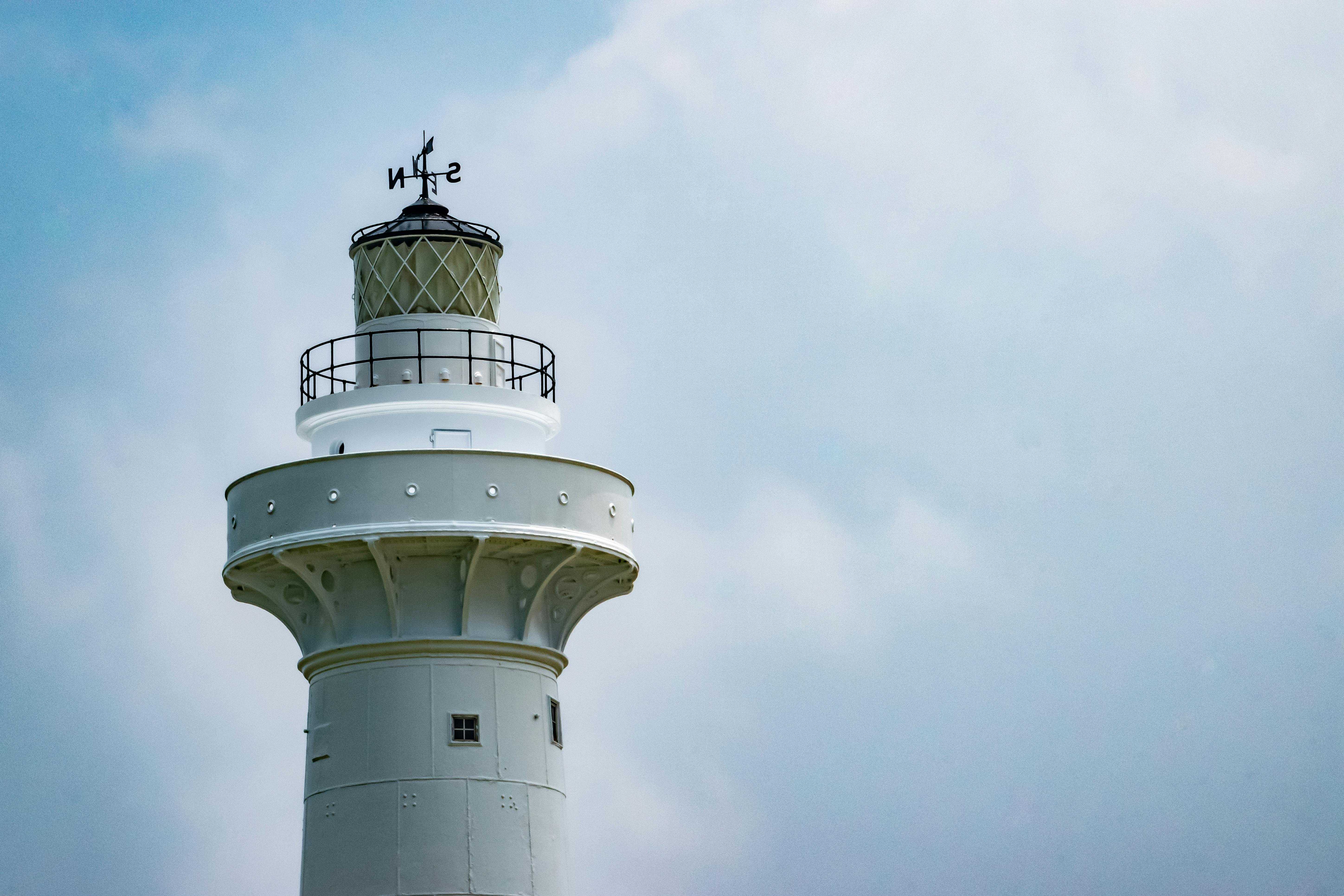
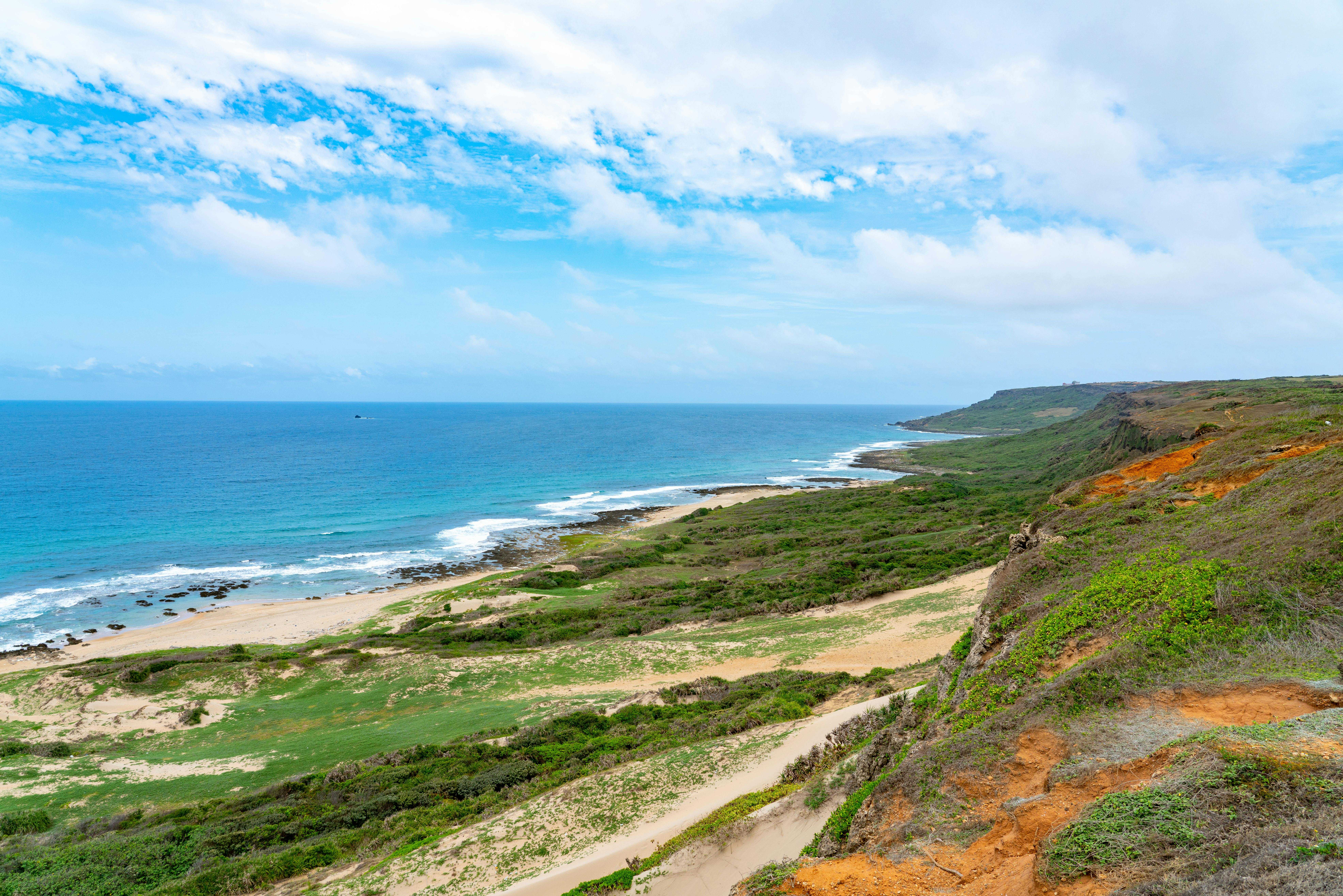
Discover the Sunny Delights of Pingtung, Taiwan Escape the ordinary and embrace the tropical charms of Pingtung, Taiwan's southernmost county. Bathed in sunshine and embraced by the ocean, Pingtung offers a vibrant blend…

#Pingtung#Taiwan#Southern Taiwan#Beach town#Agricultural hub
1/7

Top hotels & flights

Hand-picked stays and the best fares into Pingtung.

Top Hotels in Pingtung

Top Flights to Pingtung

Location videos

Real reels from travelers, plus longer watches to get the full picture.

Watch & explore

Practical info

The essentials for planning your time in Pingtung.

Currency
NT$ | TWD | New Taiwan Dollar
Population
Not Available
Languages
Taiwanese Hokkien, Taiwanese Hokkien, Mandarin
Average weather
Pingtung
Jan
cloud
25°16°
Feb
cloud
26°17°
Mar
cloud
28°19°
Apr
cloud
30°22°
May
rain
32°24°
Jun
rain
32°25°
Jul
rain
33°25°
Aug
rain
32°25°
Sep
rain
31°24°
Oct
cloud
30°23°
Nov
cloud
28°20°
Dec
cloud
26°17°

Local guide

What travelers love, what to watch for, and a deeper read on Pingtung.

What people love

Pingtung, located in the southern part of Taiwan, offers a unique and diverse travel experience with its beautiful landscapes, rich culture, and delicious local cuisine. Here are some pros of traveling to Pingtung:

  1. Natural Beauty: Pingtung is known for its stunning natural landscapes, including Kenting National Park, Taiwan's oldest and southernmost national park. Visitors can explore sandy beaches, coral reefs, lush forests, and dramatic cliffs.

  2. Cultural Heritage: The region is home to several indigenous tribes, such as the Rukai and Paiwan, each with their own traditions and customs. Travelers can learn about the indigenous culture through visits to tribal villages and cultural performances.

  3. Local Cuisine: Pingtung is famous for its fresh seafood, tropical fruits, and traditional Taiwanese dishes. Be sure to try local specialties like oyster omelets, grilled squid, and mango shaved ice.

  4. Festivals and Events: Pingtung hosts various festivals throughout the year, such as the Pingtung Lantern Festival and the Tai Sugar Festival. These events showcase the region's vibrant culture and provide opportunities for visitors to participate in traditional activities.

  5. Outdoor Activities: Outdoor enthusiasts will enjoy a wide range of activities in Pingtung, including snorkeling, diving, surfing, hiking, and cycling. The warm climate and diverse terrain make it an ideal destination for adventure seekers.

Overall, traveling to Pingtung offers a unique blend of natural beauty, cultural experiences, and outdoor adventures that are sure to delight any traveler.

What to know

Pingtung, located in Pingtung, Taiwan, is a beautiful destination with plenty to offer travelers. However, like any destination, there are some potential drawbacks to consider:

  1. Limited public transportation options: While Pingtung has some public transportation options like buses and trains, they may not be as convenient or extensive as in larger cities. Renting a car may be necessary to explore the area fully.

  2. Language barriers: English may not be widely spoken in Pingtung, so communication could be a challenge for travelers who do not speak Mandarin or Taiwanese.

  3. Limited nightlife: Pingtung may not offer as vibrant a nightlife scene as some other cities in Taiwan, so travelers looking for a nightlife experience may be disappointed.

  4. Weather considerations: Pingtung can experience extreme weather conditions at times, including typhoons during certain seasons. Travelers should be aware of weather forecasts and plan accordingly.

Overall, while there are some potential drawbacks to traveling to Pingtung, the destination's natural beauty, cultural attractions, and unique experiences make it a worthwhile place to visit.

Pingtung City, located in Pingtung County, Taiwan, has a rich history that reflects the broader historical changes experienced by Taiwan. Here's an overview of its history, significant events, historical figures, and landmarks:

Historical Background

  1. Early Settlement and Indigenous Peoples:

    • The area now known as Pingtung was originally inhabited by the Paiwan and other indigenous peoples. These communities had their own tribal structures and cultural practices before the arrival of Han settlers.
  2. Qing Dynasty (1683-1895):

    • During the Qing Dynasty, Han Chinese immigrants began to settle in the Pingtung area. The influx increased significantly in the 18th and 19th centuries, primarily from Fujian and Guangdong provinces.
    • The Qing government established administrative control and developed agriculture, which became a primary economic activity.
  3. Japanese Rule (1895-1945):

    • Taiwan, including Pingtung, was ceded to Japan in 1895 after the First Sino-Japanese War. Under Japanese rule, infrastructure was significantly developed, including railways and roads.
    • Pingtung continued to grow as an agricultural center, with sugar production becoming particularly significant.
  4. Post-World War II Era:

    • After World War II, Taiwan was returned to Chinese control, and Pingtung became part of the Republic of China (ROC). The city continued to develop agriculturally and industrially.
  5. Modern Development:

    • Pingtung has continued to grow and modernize, with efforts to preserve its cultural heritage while fostering economic development.

Significant Events

  • 1947: The 228 Incident:
    • The 228 Incident was a significant event in Taiwan's history, leading to an island-wide uprising against the Kuomintang government. While centered in Taipei, its effects were felt throughout Taiwan, including Pingtung.

Historical Figures

  • Chou Tien-ren:
    • A notable agriculturalist who contributed to the agricultural development in Pingtung, particularly in integrating modern farming techniques.

Important Landmarks

  1. Pingtung Night Market:

    • A vibrant destination reflecting Taiwan's night market culture, offering a variety of local foods and goods.
  2. Pingtung Art Museum:

    • Showcases local art and hosts exhibitions that reflect the cultural heritage of the region.
  3. Shuangliou National Forest Recreation Area:

    • A natural landmark offering hiking and outdoor activities, reflecting the region's commitment to preserving its natural beauty.
  4. Chaozhou Sugar Factory:

    • An example of the industrial heritage from the Japanese era, highlighting the importance of sugar production in Pingtung's history.

Conclusion

Pingtung's history is a tapestry of indigenous traditions, colonial influences, and modern developments. The city today balances its historical roots with contemporary growth, making it an interesting place to explore both culturally and historically.