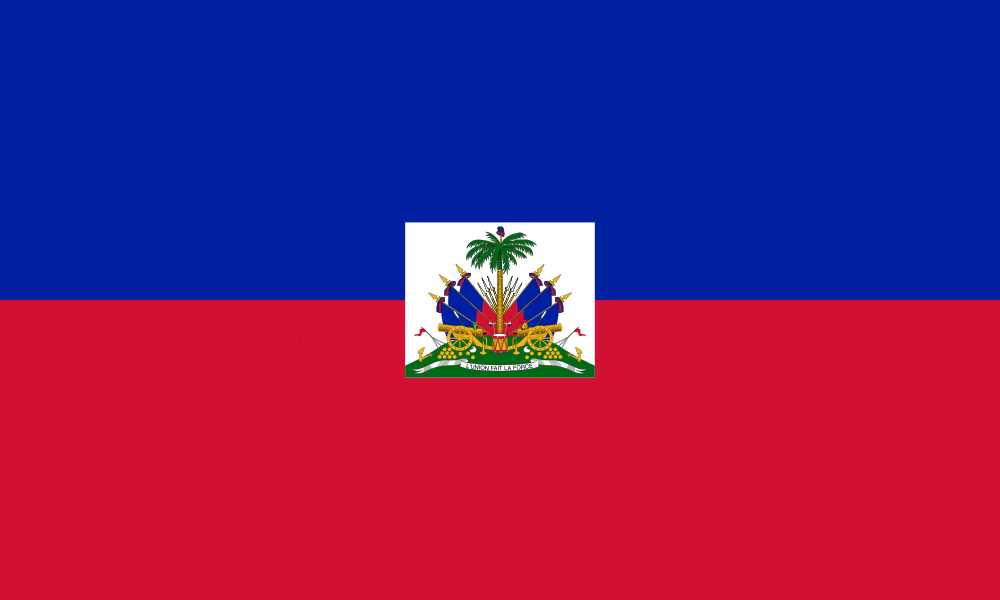
Explore the Historic Fort de la Crête-à-Pierrot
Visit the famous Fort de la Crête-à-Pierrot, a symbol of Haiti's independence.
Hand-picked stays and the best fares into Petite Rivière de l’Artibonite.
Tours, tickets and experiences travelers book most in Petite Rivière de l’Artibonite.
Visit the famous Fort de la Crête-à-Pierrot, a symbol of Haiti's independence.
Explore the vibrant local markets of Petite Rivière de l’Artibonite.
Enjoy a guided hike through the lush landscapes of the Artibonite Valley.
Real reels from travelers, plus longer watches to get the full picture.
The essentials for planning your time in Petite Rivière de l’Artibonite.
What travelers love, what to watch for, and a deeper read on Petite Rivière de l’Artibonite.
Petite Rivière de l’Artibonite is a historical town located in the Artibonite department of Haiti. While specific detailed travel guides might not be readily available, here are some general pros of visiting this location:
Historical Significance: Petite Rivière de l’Artibonite is home to the famous Citadelle of Dessalines, a fortress built by Jean-Jacques Dessalines, one of the leaders of the Haitian Revolution. This site offers insight into Haiti's rich history and the struggle for independence.
Cultural Experience: Visiting this town provides a unique opportunity to experience Haitian culture firsthand, including local customs, traditions, and possibly participating in local festivals or events if your visit coincides with them.
Scenic Beauty: The region around Petite Rivière de l’Artibonite is known for its natural beauty, including lush landscapes and the Artibonite River. This makes for a picturesque setting and opportunities for outdoor activities and exploration.
Local Cuisine: Travelers can enjoy authentic Haitian cuisine, which is rich in flavors and influenced by African, French, and indigenous Taino cultures. Trying local dishes can be a highlight of the visit.
Community Interaction: Visiting less touristy areas like Petite Rivière de l’Artibonite allows for more genuine interactions with local residents, offering a deeper understanding of daily life in Haiti.
Educational Opportunities: For those interested in history and anthropology, visiting historical sites and learning about the Haitian Revolution and its aftermath can be immensely educational.
While these are some potential advantages of visiting Petite Rivière de l’Artibonite, it is important for travelers to conduct further research and plan accordingly, considering factors such as safety, travel advisories, and logistical arrangements.
Traveling to Petite Rivière de l’Artibonite in Haiti can present several challenges, which include:
Infrastructure: The infrastructure in Haiti, especially in more rural areas like Petite Rivière de l’Artibonite, can be underdeveloped. Roads may be in poor condition, and transportation options might be limited or unreliable.
Safety and Security: Haiti has experienced political instability and social unrest, which can affect the safety of travelers. It is important to stay updated on the current situation and follow advice from travel advisories and local authorities.
Healthcare: Access to healthcare facilities in rural areas can be limited, and the quality of care may not meet international standards. Travelers with health concerns should plan accordingly and consider travel insurance.
Language Barrier: While Haitian Creole and French are the official languages, English is not widely spoken, which can create communication challenges for some travelers.
Limited Amenities: Accommodations and amenities such as hotels, restaurants, and tourist services may be limited compared to more developed tourist destinations.
Natural Disasters: Haiti is prone to natural disasters such as hurricanes and earthquakes, which can disrupt travel plans and pose safety risks.
Economic Conditions: The country faces significant economic challenges, which can impact the availability and quality of goods and services.
Travelers should conduct thorough research, prepare adequately, and remain flexible to ensure a safe and enjoyable visit to Petite Rivière de l’Artibonite.


