
Peshawar
· PK

Peshawar

Peshawar, Khyber Pakhtunkhwa, Pakistan

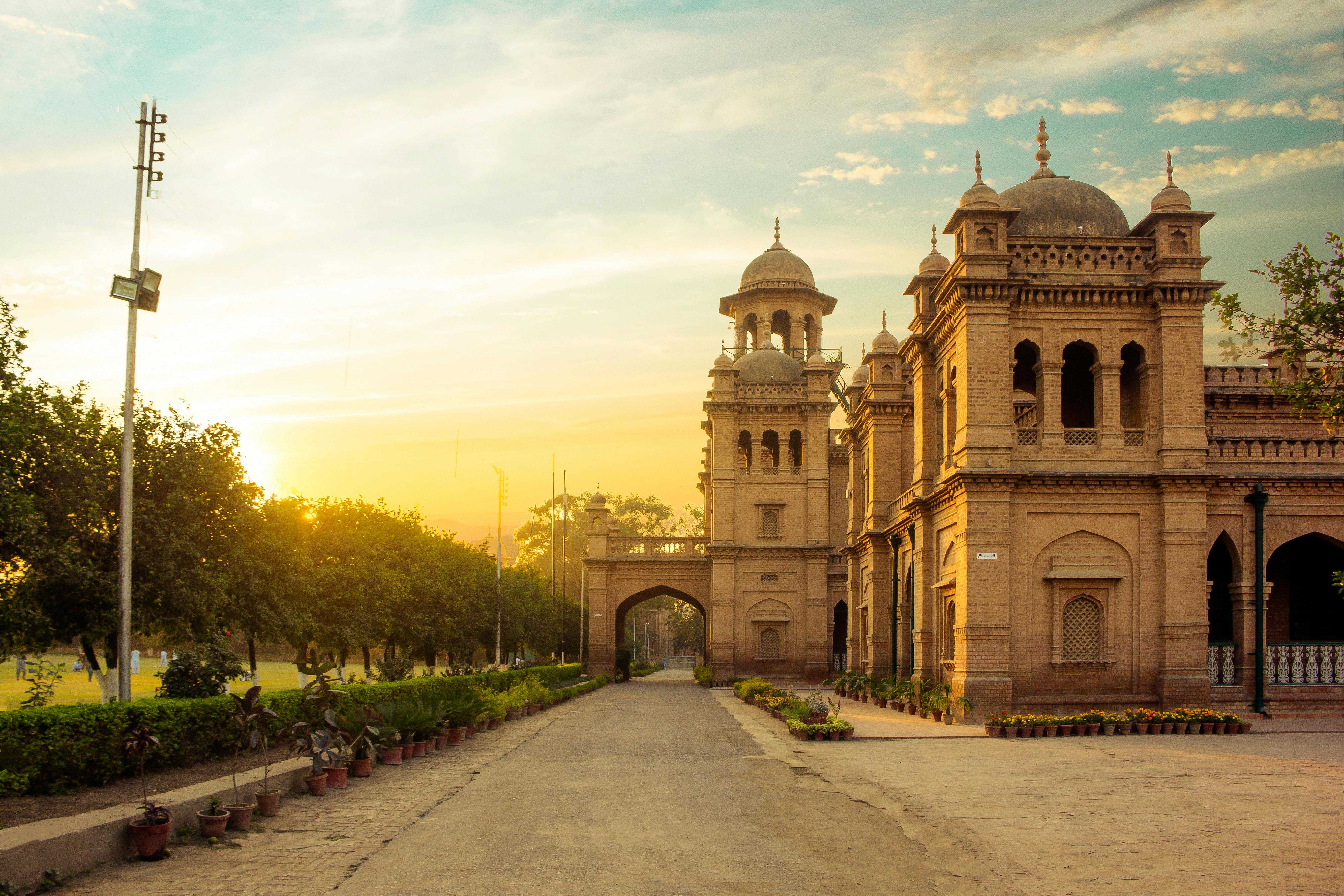
Journey to the Frontier: Discover Peshawar, Pakistan Peshawar, the vibrant capital of Khyber Pakhtunkhwa, is not your typical tourist destination. This ancient city, nestled at the gateway to the legendary Khyber Pass, p…

#Peshawar#Khyber Pakhtunkhwa#Pakistan#Historic City#Cultural Hub
1/5

Top hotels & flights

Hand-picked stays and the best fares into Peshawar.

Top Hotels in Peshawar

Top Flights to Peshawar

Location videos

Real reels from travelers, plus longer watches to get the full picture.

From travelers
Watch & explore

Practical info

The essentials for planning your time in Peshawar.

Currency
₨ | PKR | Pakistani Rupee
Population
1970042.0
Languages
Pashto, Urdu, Hindko, Pashto
Average weather
Peshawar
Jan
clear
18°4°
Feb
clear
20°7°
Mar
clear
25°12°
Apr
clear
31°17°
May
hot
37°22°
Jun
hot
40°26°
Jul
hot
38°26°
Aug
hot
36°25°
Sep
hot
34°21°
Oct
clear
30°15°
Nov
clear
24°9°
Dec
clear
19°5°

Local guide

What travelers love, what to watch for, and a deeper read on Peshawar.

What people love

Peshawar, located in Khyber Pakhtunkhwa, Pakistan, has several pros for travelers:

  1. Rich History and Culture: Peshawar is one of the oldest cities in South Asia and has a rich history dating back to ancient times. Travelers can explore historical sites such as the Peshawar Museum, Qissa Khwani Bazaar, and the Bala Hisar Fort to learn more about the region's cultural heritage.

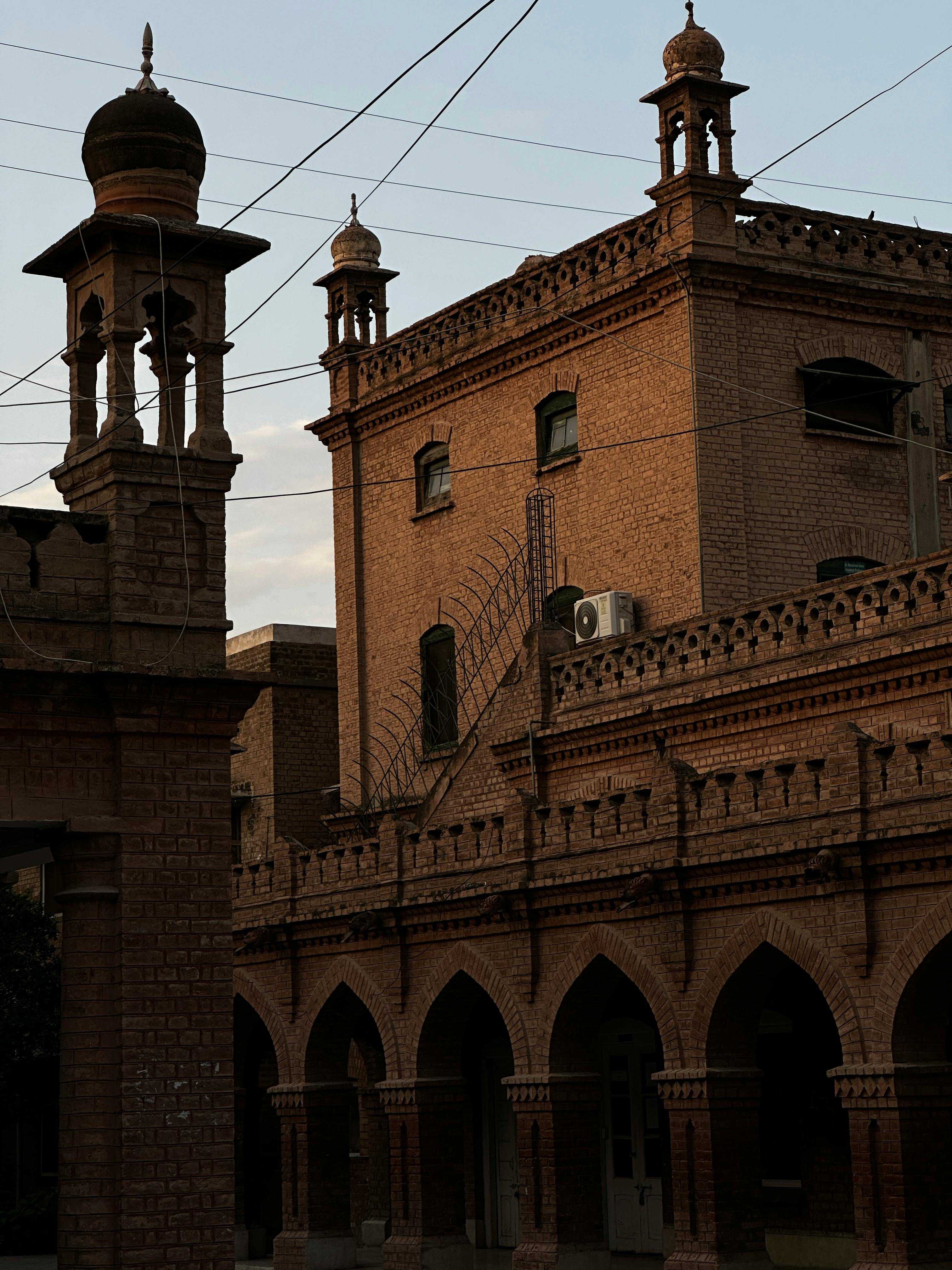
  2. Architectural Marvels: The city is home to stunning architectural marvels such as the Mahabat Khan Mosque, Mohabbat Khan Mosque, and the Jamrud Fort. These sites offer a glimpse into the intricate craftsmanship and architectural styles prevalent in the region.

  3. Authentic Cuisine: Peshawar is known for its delicious and flavorful cuisine, with specialties such as Peshawari chapli kebabs, Peshawari naan, and karahi dishes. Travelers can indulge in authentic Pashtun cuisine at local eateries and experience the unique flavors of the region.

  4. Vibrant Markets: Peshawar is famous for its bustling markets, including the historic Qissa Khwani Bazaar and the Khyber Bazaar. Visitors can shop for traditional handicrafts, jewelry, spices, and textiles while immersing themselves in the vibrant atmosphere of these markets.

  5. Gateway to the Khyber Pass: Peshawar serves as the gateway to the historic Khyber Pass, a mountain pass connecting Pakistan and Afghanistan. Travelers can explore the rugged terrain of the pass, visit the nearby tribal areas, and learn about its strategic significance in history.

Overall, Peshawar offers a unique blend of history, culture, cuisine, and adventure, making it a compelling destination for travelers seeking an authentic experience in Pakistan.

What to know

Some potential cons of traveling to Peshawar, Khyber Pakhtunkhwa, Pakistan may include:

  1. Security concerns: Peshawar has experienced security issues in the past due to its proximity to tribal areas and its history of conflict. Travelers should stay informed about the current security situation and take necessary precautions.

  2. Political instability: The region has faced political instability, which can affect travel plans and safety.

  3. Limited tourist infrastructure: Peshawar may not have the same level of tourist infrastructure as more popular destinations, which can make travel arrangements and accommodations more challenging.

  4. Cultural differences: Travelers may experience cultural differences that can require adjustment and understanding to ensure a positive and respectful experience.

  5. Language barrier: English may not be widely spoken in Peshawar, so communication could be a challenge for travelers who do not speak the local language.

It's important for travelers to conduct thorough research and consider these factors before planning a trip to Peshawar.

Peshawar, the capital of Khyber Pakhtunkhwa province in Pakistan, is one of the oldest cities in South Asia with a rich and varied history that dates back thousands of years. Here is a detailed history of Peshawar, including significant events, historical figures, and important landmarks:

Ancient and Medieval Periods

  1. Foundation and Early History:

    • Peshawar's history can be traced back to at least the 6th century BCE when it was part of the Achaemenid Empire.
    • It became a major center of Buddhism during the Gandhara period. The city was known as Purushapura, meaning the "City of Men."
  2. Mauryan and Kushan Empires:

    • Under the Mauryan Empire (322–185 BCE), particularly during the reign of Ashoka, Buddhism flourished.
    • The Kushan Empire (1st–3rd centuries CE) saw Peshawar rise to prominence. Kanishka the Great, a notable ruler, made it his capital and built a famous stupa, Kanishka Stupa, which was one of the tallest buildings in the ancient world.
  3. Hephthalite and Hindu Shahi Periods:

    • After the decline of the Kushans, Peshawar came under the rule of the Hephthalites (White Huns) and later the Hindu Shahis until the arrival of Muslims in the region.

Islamic and Mughal Periods

  1. Arrival of Islam:

    • In the 7th century, Islam arrived in the region through Arab conquests, though the decisive control over Peshawar was established in the 10th century by the Ghaznavid Empire.
  2. Mughal Empire:

    • The city came under Mughal control in the early 16th century. It was during this period that Peshawar became a key trade center and a frontier city.
    • Mughal emperors, particularly Akbar and Shah Jahan, patronized the construction of various monuments, including the Mohabbat Khan Mosque, built in 1630.

Colonial and Modern Periods

  1. Durrani Empire:

    • In the mid-18th century, Peshawar became part of the Durrani Empire under Ahmad Shah Durrani, who made it his winter capital.
  2. Sikh Rule:

    • The city was captured by the Sikhs in 1834 under Maharaja Ranjit Singh.
  3. British Rule:

    • After the fall of the Sikh Empire, Peshawar came under British control in 1849 following the Second Anglo-Sikh War.
    • The British developed infrastructure, including railway lines, and Peshawar became an important military and administrative center on the frontier of the British Indian Empire.
  4. Post-Independence:

    • After the partition of India in 1947, Peshawar became part of Pakistan.
    • It has since been an administrative and cultural center of the Khyber Pakhtunkhwa province.

Significant Figures

  • Kanishka the Great: A Kushan emperor known for promoting Buddhism and building the Kanishka Stupa.
  • Ahmad Shah Durrani: Founder of the Durrani Empire who made Peshawar a winter capital.
  • Maharaja Ranjit Singh: Leader of the Sikh Empire who annexed Peshawar.

Important Landmarks

  • Kanishka Stupa: Although now in ruins, it was once a towering Buddhist stupa.
  • Mohabbat Khan Mosque: A beautiful example of Mughal architecture built in the 17th century.
  • Bala Hisar Fort: A prominent fort in Peshawar, with origins dating back to the Mughal era and later used by the Sikhs and British.
  • Peshawar Museum: Houses a rich collection of Gandharan art and artifacts from the region's diverse history.

Peshawar remains a city of great historical significance, reflecting a blend of various cultures and empires that have left their mark over the centuries.