
Pescara
· IT

Pescara

Pescara, Abruzzo, Italy

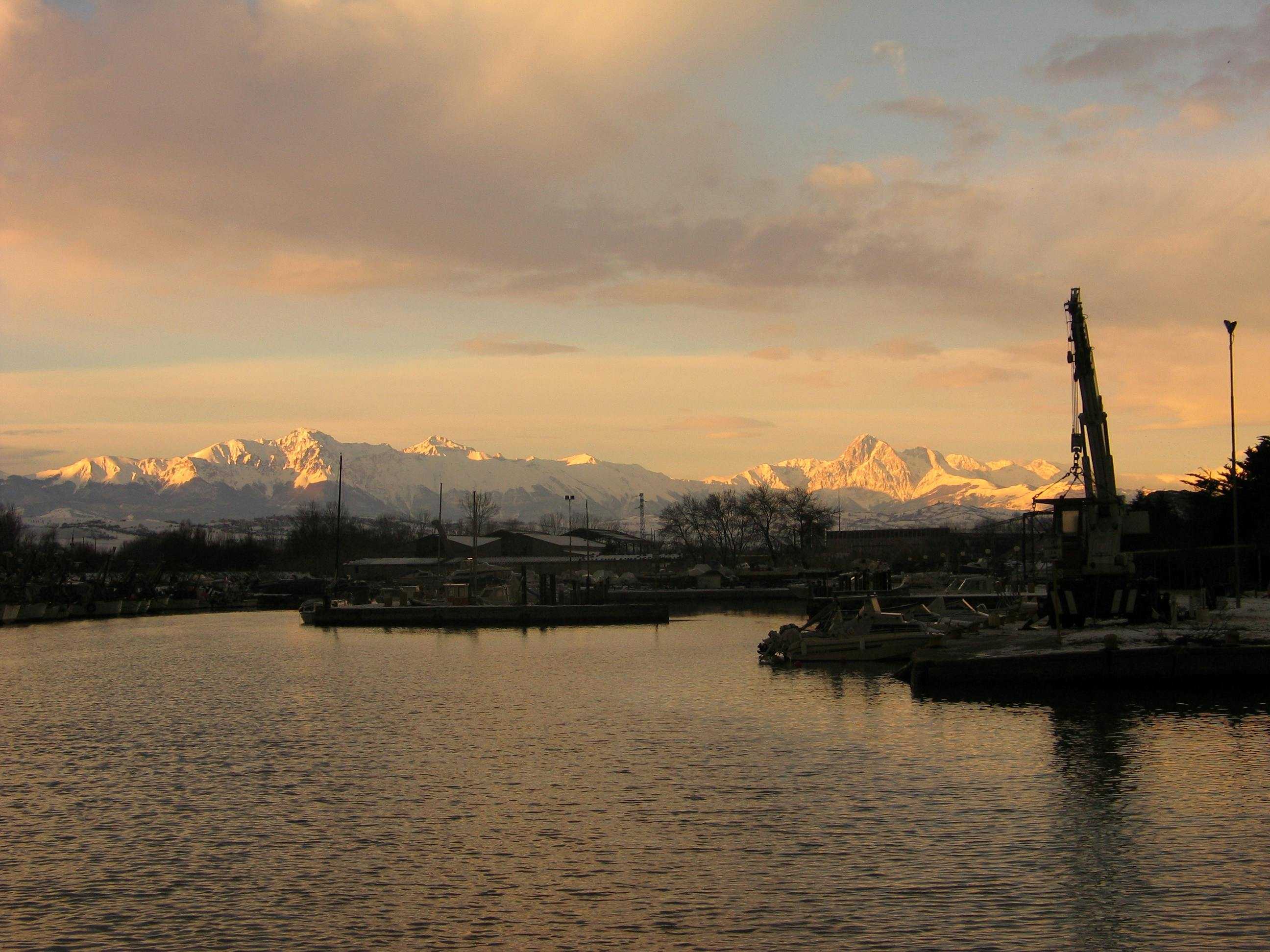
Pescara: Where the Mountains Meet the Sea Escape to Pescara, a vibrant coastal city nestled on the Adriatic coast in the heart of Abruzzo, Italy. Here, the Apennine Mountains dramatically plunge into the turquoise water…

#Coastal city#Beach destination#Cuisine#Historic sites#Outdoor activities
1/9

Top hotels & flights

Hand-picked stays and the best fares into Pescara.

Top Hotels in Pescara

Top Flights to Pescara

Location videos

Real reels from travelers, plus longer watches to get the full picture.

From travelers

Practical info

The essentials for planning your time in Pescara.

Currency
€ | EUR | Euro
Population
The approximate estimated total population of Pescara, Abruzzo, Italy is '0.11 million'.
Languages
Italian, Italian
Average weather
Pescara
Jan
rain
10°3°
Feb
rain
11°3°
Mar
cloud
14°5°
Apr
cloud
17°8°
May
sun
21°12°
Jun
clear
25°16°
Jul
hot
29°19°
Aug
hot
29°19°
Sep
sun
25°16°
Oct
rain
20°12°
Nov
rain
15°8°
Dec
rain
11°4°

Local guide

What travelers love, what to watch for, and a deeper read on Pescara.

What people love

Pescara, located in the Abruzzo region of Italy, offers a unique and charming travel experience with several pros:

  1. Beautiful Beaches: Pescara is a coastal city with stunning sandy beaches along the Adriatic Sea. Visitors can enjoy sunbathing, swimming, and water sports in a picturesque setting.

  2. Vibrant Promenade: The Lungomare is a lively promenade that stretches along the beach, lined with cafes, restaurants, and shops. It's a great place to take a leisurely stroll, enjoy gelato, or watch the sunset.

  3. Delicious Cuisine: Abruzzo is known for its delicious traditional cuisine, and Pescara is no exception. Visitors can savor fresh seafood dishes, local wines, and regional specialties like arrosticini (skewered lamb) and spaghetti alla chitarra.

  4. Cultural Attractions: Pescara has a rich cultural heritage with museums, galleries, and historic landmarks to explore. The birthplace of poet Gabriele D'Annunzio, Pescara also offers insight into Italian literary history.

  5. Proximity to National Parks: Pescara is located near several stunning national parks, including the Majella National Park and the Gran Sasso National Park. Nature lovers can enjoy hiking, wildlife spotting, and breathtaking scenery just a short drive away.

  6. Accessibility: Pescara has its own airport, making it easily accessible for travelers. Additionally, the city is well-connected by train and bus, allowing visitors to explore other parts of Italy.

Overall, Pescara offers a delightful mix of beach relaxation, cultural experiences, and natural beauty, making it a fantastic destination for travelers seeking a diverse Italian getaway.

What to know

Some potential cons of traveling to Pescara, Italy, located in the Abruzzo region, could include:

  1. Limited public transportation: Pescara's public transportation system may not be as extensive or reliable compared to larger cities in Italy. This could make it challenging to navigate the city and surrounding areas without a car.

  2. Language barrier: While many locals in Pescara may speak some English, the primary language is Italian. Travelers who do not speak Italian may encounter communication challenges, especially in more rural areas.

  3. Seasonal tourism: Pescara is a popular summer destination, which means that during peak tourist seasons, the city can become crowded and prices for accommodations and activities may increase.

  4. Limited nightlife: While Pescara offers a vibrant beach scene during the day, the nightlife options may be more limited compared to larger cities like Rome or Milan.

  5. Limited cultural attractions: Pescara is known more for its beaches and outdoor activities rather than its historical or cultural landmarks. Travelers seeking a rich cultural experience may find Pescara lacking in this regard.

Overall, Pescara may be more suitable for travelers looking for a beach-focused vacation rather than those seeking a bustling city experience or rich cultural immersion.

Pescara is a city located in the Abruzzo region of Italy, situated on the Adriatic coast. It serves as the capital of the Province of Pescara. The city's history is rich and spans from ancient times through the modern era.

Ancient and Medieval History:

  • Ancient Times: The area around Pescara has been inhabited since prehistoric times. The city itself traces its origins to the Roman settlement of "Aternum," which was an important port town. Aternum was connected to Rome via the Via Claudia Valeria, which facilitated trade and movement.

  • Middle Ages: After the fall of the Roman Empire, the area experienced a period of decline and was subject to invasions and rule by various powers, including the Lombards and Byzantines. During the medieval period, the settlement was known as "Piscaria," deriving its name from the Latin word for fish, reflecting the importance of its fishing industry.

Renaissance to 19th Century:

  • Renaissance Period: Pescara was part of the Kingdom of Naples during the Renaissance. It was a fortified town due to its strategic position along the Adriatic Sea.

  • 18th-19th Century: The city remained relatively small until the 19th century. In 1814, it was part of the Napoleonic Kingdom of Italy, and after the Congress of Vienna, it returned to the Kingdom of the Two Sicilies.

Modern Era:

  • 20th Century: Pescara played a significant role during the World Wars. It was heavily bombed during World War II due to its strategic importance as a port city.

  • Post-War Development: After the war, Pescara underwent extensive reconstruction and development, transforming into a modern city. It became a center of commerce and industry, with a growing emphasis on tourism.

Notable Historical Figures:

  • Gabriele D'Annunzio: Perhaps the most famous person from Pescara, D'Annunzio was a poet, playwright, and nationalist figure. His influence extends into both Italian literature and politics.

Important Landmarks:

  • Ponte del Mare: A modern pedestrian and cycling bridge that has become a symbol of the city, offering panoramic views of the Adriatic coast.

  • Pescara Cathedral (San Cetteo): Dedicated to the patron saint of the city, Saint Cetteus, the cathedral is a significant religious site.

  • Casa Natale di Gabriele D'Annunzio: The birthplace of Gabriele D'Annunzio, now a museum dedicated to his life and works.

  • Museo delle Genti d'Abruzzo: This museum showcases the cultural and historical heritage of the Abruzzo region, with exhibits on local traditions and history.

Pescara today is known for its beaches, vibrant cultural scene, and as a hub of economic activity in the Abruzzo region. The city's transformation from a small fishing village to a bustling urban center highlights its resilience and adaptability through Italy's complex history.