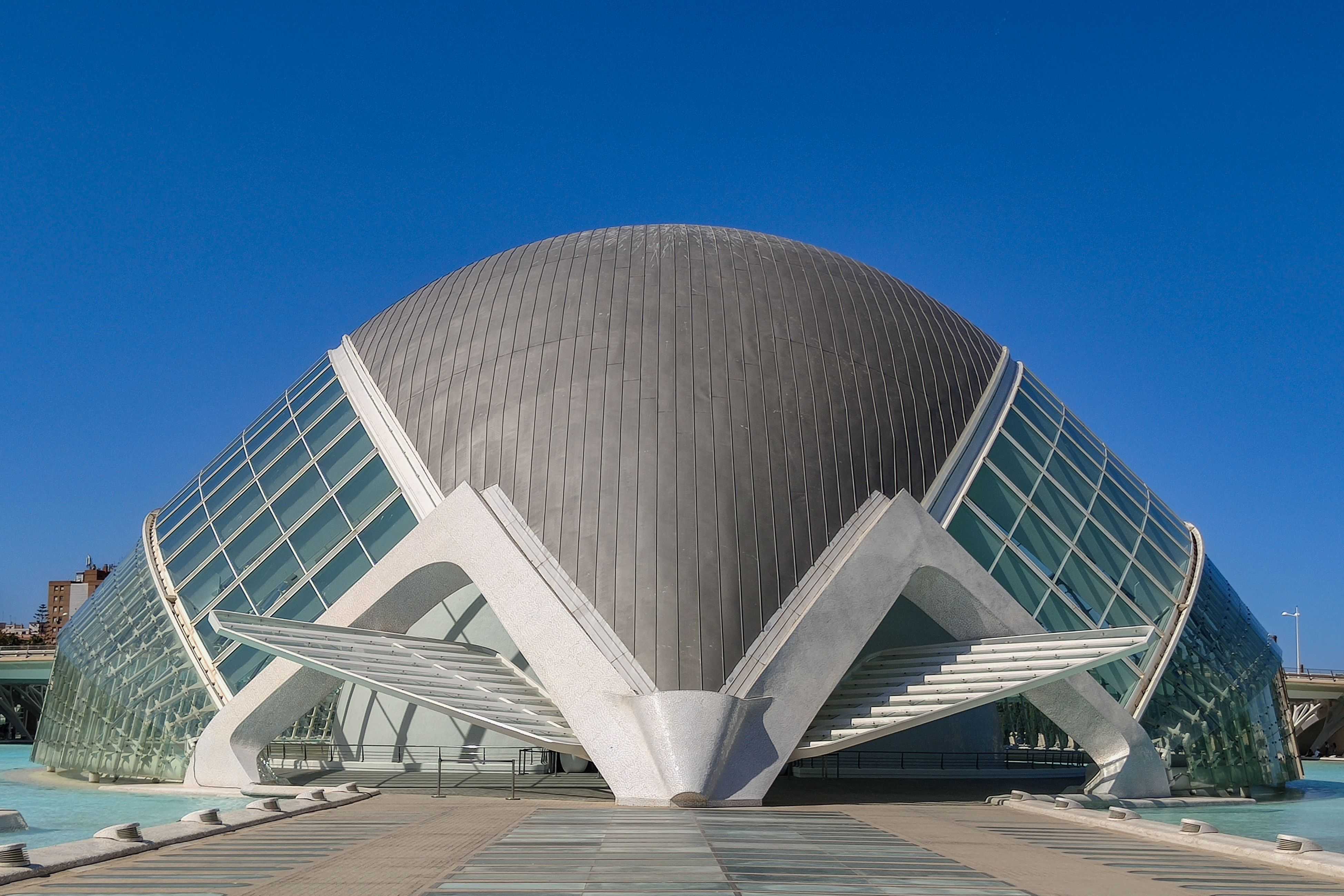

Paterna
· ES

Paterna

Paterna, Valencia, Spain

Paterna: Where History Meets Innovation on the Doorstep of Valencia Just a stone's throw from the vibrant city of Valencia lies Paterna, a captivating blend of ancient history, innovative spirit, and captivating culture.…

#Paterna#Valencia#Spain#Historic#Mediterranean
1/11

Top hotels & flights

Hand-picked stays and the best fares into Paterna.

Top Hotels in Paterna

Top Flights to Paterna

Location videos

Real reels from travelers, plus longer watches to get the full picture.

From travelers

Practical info

The essentials for planning your time in Paterna.

Currency
€ | EUR | Euro
Population
The approximate estimated total population of Paterna, Valencia, Spain is 71,000.
Languages
Valencian, Spanish, English
Average weather
Paterna
Jan
rain
16°6°
Feb
rain
17°7°
Mar
cloud
19°9°
Apr
sun
21°11°
May
sun
24°14°
Jun
clear
28°18°
Jul
hot
31°21°
Aug
hot
31°21°
Sep
sun
28°19°
Oct
cloud
24°15°
Nov
rain
19°10°
Dec
rain
16°7°

Local guide

What travelers love, what to watch for, and a deeper read on Paterna.

What people love

Paterna, located in Valencia, Spain, offers several benefits for travelers:

  1. Proximity to Valencia: Paterna is situated just a short distance away from the vibrant city of Valencia, making it a convenient base for exploring the cultural attractions, historic sites, and culinary delights of the region.

  2. Historic charm: Paterna itself is a charming town with a rich history dating back to Roman times. Visitors can explore historic buildings, churches, and monuments that showcase the town's heritage.

  3. Natural beauty: The surrounding countryside of Paterna is characterized by picturesque landscapes, including lush green hills, orange groves, and vineyards. Outdoor enthusiasts can enjoy hiking, cycling, and nature walks in the area.

  4. Gastronomic experiences: Valencia is renowned for its delicious cuisine, and Paterna is no exception. Visitors can savor authentic Spanish dishes, seafood specialties, and local wines in the town's restaurants and tapas bars.

  5. Cultural events: Paterna hosts various cultural events and festivals throughout the year, providing an opportunity for travelers to immerse themselves in the local traditions and celebrations.

Overall, traveling to Paterna offers a blend of history, natural beauty, gastronomy, and cultural experiences that can appeal to a wide range of travelers.

What to know

Paterna is a municipality located in the province of Valencia in Spain. While Paterna is a beautiful place with its own unique charm, there are some potential cons to consider when traveling there:

  1. Limited Tourist Attractions: Paterna is primarily a residential area, so it may not have as many tourist attractions or historical sites compared to other cities in Spain. Visitors looking for a bustling tourist scene may find Paterna to be quieter in comparison.

  2. Distance from Major Tourist Destinations: While Paterna is located near Valencia, it may be less convenient for travelers looking to visit major tourist destinations such as Barcelona or Madrid, as these cities are further away and may require additional travel time.

  3. Language Barrier: While many people in Paterna may speak English, the primary language spoken in the region is Spanish. Travelers who do not speak Spanish may encounter some challenges communicating with locals, especially in more rural areas.

  4. Limited Public Transportation: While there are public transportation options available in Paterna, such as buses and metro services, the frequency and coverage may not be as extensive as in larger cities. Renting a car may be necessary to explore the surrounding areas.

  5. Weather: Valencia, including Paterna, can experience hot summers with temperatures reaching over 30°C (86°F). Travelers who are sensitive to heat may find the weather uncomfortable during the summer months.

Overall, while Paterna offers a quieter and more authentic Spanish experience, travelers should consider these potential cons when planning their trip.

Paterna is a town located in the province of Valencia, Spain. It has a rich history that dates back to ancient times, with significant developments throughout the centuries.

Early History

Paterna's origins can be traced back to the Iberian period, with evidence of settlement in the area long before the Roman conquest of the Iberian Peninsula. During the Roman period, the region around Paterna was well-integrated into the Roman Empire, benefiting from the infrastructure and trade networks established by the Romans.

Medieval Period

The medieval history of Paterna is marked by the Islamic rule, which began in the early 8th century. During this time, Paterna was part of the Taifa of Valencia, a small Muslim principality. The town was known for its agriculture, particularly the cultivation of crops using the advanced irrigation techniques introduced by the Moors.

In the 13th century, the Christian Reconquista reached Valencia. King James I of Aragon captured Valencia from the Moors in 1238, and Paterna became part of the newly established Kingdom of Valencia. The town was granted to various nobles, and it underwent significant demographic and economic changes as Christians from other parts of the Iberian Peninsula settled in the area.

Modern Era

The modern era brought industrialization to Paterna. In the 19th century, the town became known for its ceramics industry, which was a significant economic driver in the region. Paterna's ceramics became well-regarded, contributing to the town's prosperity.

20th Century to Present

Paterna played a role during the Spanish Civil War (1936-1939). The town and surrounding areas saw significant military activity, and remnants of this period remain, such as bunkers and trenches.

Today, Paterna is a vibrant municipality with a mix of historical sites and modern developments. It is known for its proximity to Valencia and serves as a residential and industrial hub.

Important Landmarks

  • Torre de Paterna: One of the most iconic landmarks in Paterna is the Torre de Paterna, a medieval tower that dates back to the 11th century. It is a symbol of the town and an important reminder of its historical past.
  • Caves of Paterna: These are unique dwellings carved into the rock, reflecting the traditional architecture of the area. Some have been preserved and are open for visitors.
  • Paterna Castle: Although mostly in ruins, it provides an insight into the town's medieval fortifications.

Notable Figures

While Paterna may not be widely known for producing historical figures of national prominence, it has been home to many individuals who have contributed to the local culture and economy.

Paterna today is a blend of historical charm and modern living, with its heritage reflected in its architecture, local festivals, and community life.