
Parma
· IT

Parma

Parma, Emilia-Romagna, Italy

Parma: A Feast for the Senses in Italy's Emilia-Romagna Nestled in the heart of Italy's Emilia-Romagna region, Parma is a city that seduces the senses. Far from the typical tourist trail, it offers an authentic Italian e…

#Parma#Emilia-Romagna#Italy#Culinary capital#Historic architecture
1/1

Top hotels & flights

Hand-picked stays and the best fares into Parma.

Top Hotels in Parma

Top Flights to Parma

Practical info

The essentials for planning your time in Parma.

Currency
€ | EUR | Euro
Population
194,000
Languages
Italian, Italian
Average weather
Parma
Jan
cold
5°-1°
Feb
cloud
8°0°
Mar
rain
13°3°
Apr
cloud
17°6°
May
sun
22°11°
Jun
clear
27°15°
Jul
hot
30°18°
Aug
hot
29°18°
Sep
sun
25°15°
Oct
cloud
18°10°
Nov
rain
11°4°
Dec
cold
6°0°

Local guide

What travelers love, what to watch for, and a deeper read on Parma.

What people love

Parma, located in the Emilia-Romagna region of Italy, is a charming city known for its rich history, beautiful architecture, and delicious food. Here are some of the pros of traveling to Parma:

  1. Cultural Heritage: Parma is home to stunning historic landmarks such as the Palazzo della Pilotta, Parma Cathedral, and the Teatro Farnese. Visitors can immerse themselves in the city's cultural heritage by exploring these architectural marvels.

  2. Art and Music: Parma has a strong artistic and musical tradition, being the birthplace of renowned composer Giuseppe Verdi. The city boasts several art galleries and museums, including the Galleria Nazionale di Parma, which houses a collection of masterpieces by artists like Correggio and Parmigianino.

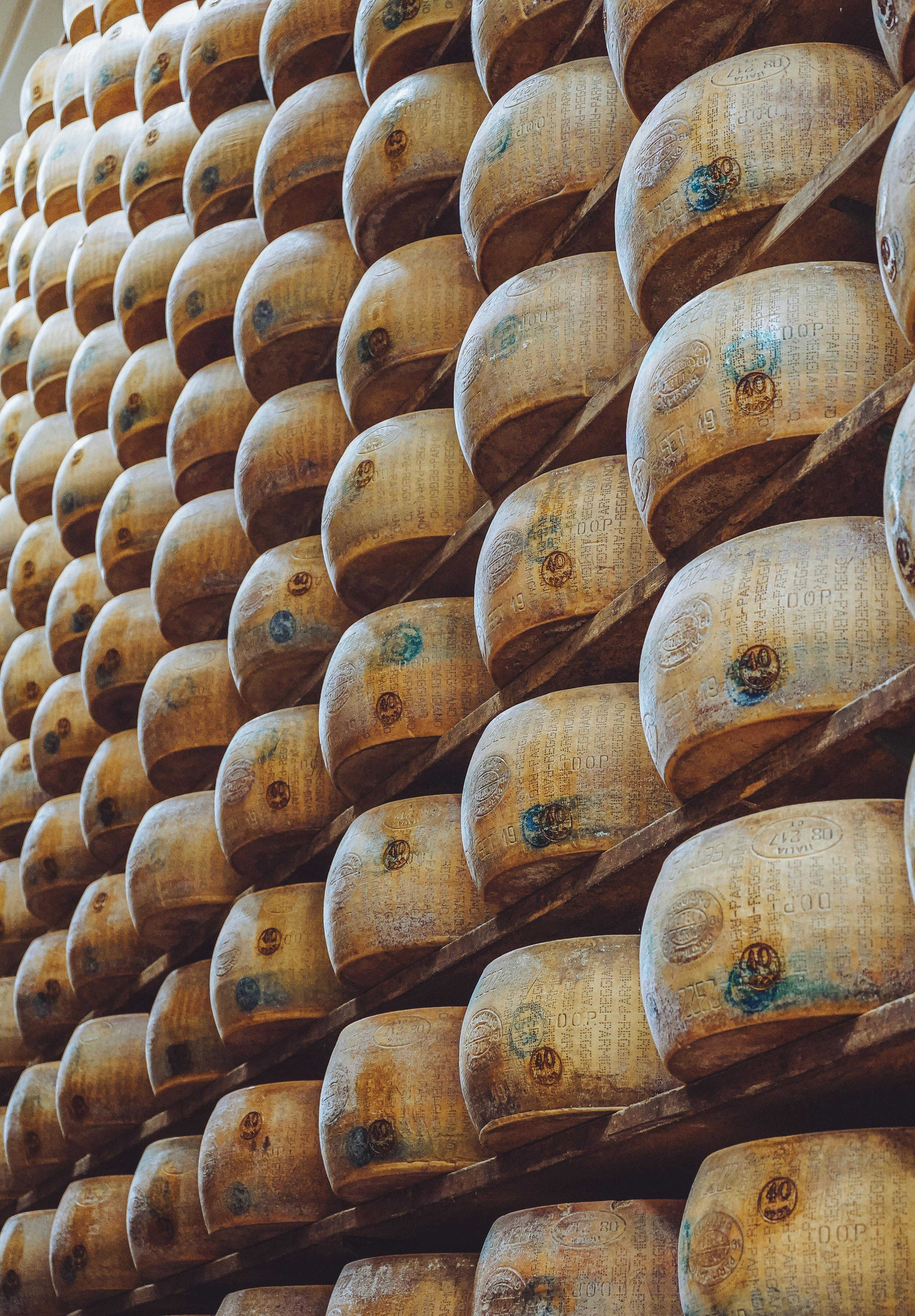
  3. Food and Cuisine: Parma is famous for its culinary delights, particularly its Parmigiano Reggiano cheese and Prosciutto di Parma. Visitors can indulge in authentic Italian cuisine at local trattorias and restaurants, and even take part in food tours or cooking classes to learn more about the region's gastronomic traditions.

  4. Scenic Surroundings: The Emilia-Romagna region is known for its picturesque countryside, and Parma is surrounded by beautiful landscapes, including rolling hills, vineyards, and medieval villages. Visitors can take day trips to explore the region's natural beauty and charming towns.

  5. Shopping and Markets: Parma offers a variety of shopping opportunities, from high-end boutiques to traditional markets selling local produce and crafts. Visitors can shop for souvenirs, fashion, and gourmet products while experiencing the city's vibrant retail scene.

Overall, traveling to Parma offers a unique blend of history, culture, cuisine, and natural beauty, making it a delightful destination for those seeking an authentic Italian experience.

If you need more specific information or assistance with planning your trip to Parma, feel free to ask!

What to know

Some potential cons of traveling to Parma, Italy could include:

  1. Limited public transportation: Parma is a relatively small city, and its public transportation system may not be as extensive or convenient as in larger cities. This could make getting around the city and its surrounding areas more challenging for travelers who rely on public transport.

  2. Limited English spoken: While many people in Parma may speak some English, it is not as widely spoken as in more tourist-heavy areas of Italy. This could pose a communication barrier for English-speaking travelers, especially when trying to navigate or seek assistance.

  3. Limited nightlife: Parma is known for its cultural attractions, historical sites, and culinary experiences, but it may not offer the same vibrant nightlife scene as other Italian cities like Rome or Milan. Travelers looking for a lively nightlife with clubs and late-night entertainment options may find Parma lacking in this aspect.

  4. Limited tourist infrastructure: Parma is not as heavily touristed as other Italian cities, which means that the tourist infrastructure, such as hotels, restaurants, and tour operators, may be more limited. Travelers may need to do more research and planning to ensure a smooth and enjoyable trip to Parma.

  5. Limited shopping opportunities: While Parma offers some unique shopping experiences, it may not have the same range of shopping options as larger Italian cities. Travelers looking for high-end fashion, designer boutiques, or large shopping centers may find Parma lacking in this regard.

Overall, while Parma offers many attractions and experiences for visitors to enjoy, travelers should be aware of these potential cons when planning their trip to the city.

Parma is a city in the Emilia-Romagna region of northern Italy, with a rich history that stretches back over two millennia. Here is a detailed history of Parma, highlighting significant events, historical figures, and important landmarks:

Ancient and Medieval Periods

  • Founding and Roman Era: Parma was founded by the Etruscans and later became a Roman colony in 183 BC. During the Roman era, it was an important hub due to its strategic location along the Via Aemilia, which connected Piacenza to Rimini. Parma flourished as a trade center and was known for its wool production.

  • Middle Ages: After the fall of the Roman Empire, Parma experienced various invasions and dominations, including those by the Goths, Lombards, and Franks. In the 9th century, it became a bishopric, which increased its influence and religious significance. The city was often caught between the Guelphs and Ghibellines factions during the medieval period.

Renaissance and Early Modern Period

  • Renaissance Era: Parma became a cultural and artistic center during the Renaissance. The Farnese family, particularly Alessandro Farnese (later Pope Paul III), played a significant role in this era. The Farnese Dukes ruled Parma and Piacenza from 1545 to 1731, bringing stability and fostering the arts.

  • Notable Figures: One of the most prominent figures was Antonio Allegri, known as Correggio, a Renaissance painter whose works are celebrated for their vivid color and innovative techniques. Correggio created masterpieces in Parma, including the frescoes in the Cathedral and the Church of San Giovanni Evangelista.

18th and 19th Centuries

  • Duchy of Parma: After the Farnese line ended, the duchy passed to the Habsburgs and later to the Bourbons. It was during the Bourbon rule that Parma became known for its refined culture and architecture.

  • Napoleonic Era: In the early 19th century, Parma was annexed to the Napoleonic Empire. After Napoleon's fall, it was given to his wife, Marie Louise of Austria, who ruled it as Duchess from 1816 to 1847. Her reign is remembered for modernization and improvements in infrastructure.

Modern Era

  • Unification of Italy: Parma became part of the Kingdom of Italy in 1861 during the unification process. The city continued to develop as an important agricultural and industrial center.

  • World War II: Parma suffered damage during World War II but quickly recovered in the post-war period. It became known for its food industry, particularly its production of Parmigiano Reggiano cheese and Parma ham.

Landmarks and Culture

  • Parma Cathedral: This Romanesque cathedral, with its stunning frescoes by Correggio, is one of the city's most important landmarks.

  • Baptistery of Parma: An architectural masterpiece of the Romanesque-Gothic transition, the Baptistery is renowned for its pink Verona marble and intricate interior artwork.

  • Teatro Regio: Founded by Marie Louise, the Teatro Regio is one of Italy's most prestigious opera houses, hosting significant cultural events and performances.

  • Palazzo della Pilotta: A large complex housing the National Gallery, the Palatine Library, and the Farnese Theatre, it is a testament to the city's rich artistic heritage.

  • University of Parma: Founded in the 11th century, it is one of the oldest universities in the world and remains an important center for education and research.

Contemporary Parma

Today, Parma is known for its quality of life, cultural heritage, and culinary excellence. It continues to be a vibrant city that attracts tourists interested in history, art, and gastronomy. The city was named the Italian Capital of Culture in 2020, highlighting its ongoing cultural significance.