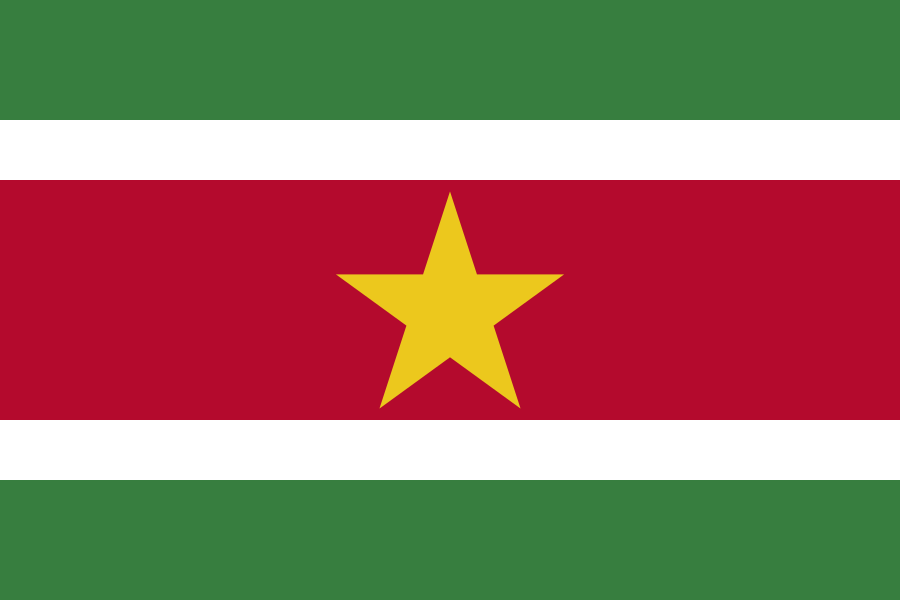
Para is a district in northern Suriname, a country on the northeastern Atlantic coast of South America. The district is known for its natural beauty and proximity to the capital, Paramaribo. Here's a detailed history of Para:
Historical Background
-
Colonial Era: Para's history is closely tied to the colonial history of Suriname. During the Dutch colonial period, the area was not heavily populated but was known for its plantations, particularly in the 17th and 18th centuries. The fertile land was suitable for crops like coffee, cocoa, and sugar.
-
Indigenous Influence: Before European contact, the area was inhabited by indigenous peoples, notably the Arawak and Carib tribes. Their presence and influence remain significant in the cultural landscape of the district.
Significant Events
-
Development of Plantations: The establishment of plantations during the colonial era was a significant event in Para's history. These plantations largely relied on enslaved African labor, and after the abolition of slavery, indentured labor from Asia, particularly from India and Java, was introduced.
-
Post-Independence Changes: After Suriname gained independence from the Netherlands in 1975, there were efforts to develop the district's infrastructure and integrate it more fully into the national economy. The construction of roads and improvement of public services were part of these efforts.
Historical Figures
- Johan Adolf Pengel: While not specifically from Para, Johan Adolf Pengel was a significant political figure in Suriname whose policies impacted the district. He was instrumental in Suriname's push towards independence and modernization.
Important Landmarks
-
Zanderij: This area is notable for housing the Johan Adolf Pengel International Airport, the main international airport of Suriname. The airport is a critical hub for travel and trade in the region.
-
Brownsberg Nature Park: Located near Para, this park is an important ecological and tourist site, showcasing the rich biodiversity of Suriname's rainforests.
-
Blaka Watra: A popular recreational area in the district, known for its natural springs and swimming areas.
Cultural Aspects
-
Diverse Population: The population of Para is ethnically diverse, reflecting the broader multicultural makeup of Suriname. This diversity is a result of the historical waves of migration and labor movements.
-
Cultural Heritage: The district celebrates various cultural festivals and events that reflect its indigenous, African, Indian, and Javanese heritage.
In summary, Para is a district with a rich history rooted in the colonial plantation economy, evolving into a diverse and dynamic part of Suriname. Its significant landmarks and cultural heritage make it an important area for both historical study and tourism.