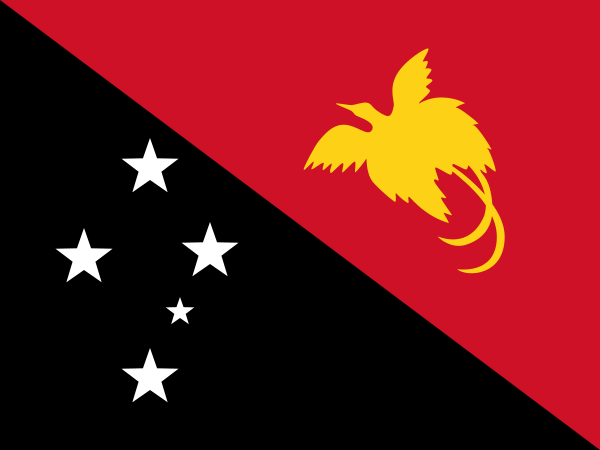
Papua New Guinea
· PG

Papua New Guinea

Papua New Guinea

Papua New Guinea: Where Adventure Meets Authenticity Forget the ordinary. Papua New Guinea is a land of raw beauty, vibrant cultures, and unparalleled adventure. Tucked away in the heart of the South Pacific, this islan…

#Oceania#Melanesia#Pacific Island#Cultural diversity#Tropical climate
1/11

Top hotels & flights

Hand-picked stays and the best fares into Papua New Guinea.

Top Hotels in Port Moresby

Top Flights to Port Moresby

Popular activities

Tours, tickets and experiences travelers book most in Papua New Guinea.

Tours

Port Moresby Nature Park

A beautiful garden and wildlife park showcasing Papua New Guinea's diverse flora and fauna.

Ela Beach

A popular public beach ideal for picnics and casual outings, offering a glimpse of local life.

Varirata National Park

A national park offering stunning viewpoints and birdwatching opportunities.

Rabaul Volcano Observatory

Visit the observatory for a closer look at Papua New Guinea's volcanic activity.

Tari Basin Cultural Experience

Experience the rich culture and traditions of the Huli people in the Tari Basin.

Shopping

Loloata Island Resort

A luxury resort and marine experience just outside of Port Moresby.

Goroka Market

A lively market offering local produce and handmade crafts from the Highlands.

Outdoor

Kokoda Track

A historic trail offering a challenging trekking experience through dense rainforest and rugged terrain.

Mount Wilhelm

The tallest peak in Papua New Guinea, perfect for seasoned mountaineers.

Madang Dive Adventures

Explore the underwater world of Papua New Guinea through exciting diving expeditions.

Location videos

Real reels from travelers, plus longer watches to get the full picture.

From travelers
Watch & explore

Practical info

The essentials for planning your time in Papua New Guinea.

Currency
K | PGK | Papua New Guinean Kina
Population
9.1 million
Languages
English, English, Tok Pisin, Hiri Motu, other languages
Average weather
Papua New Guinea
Jan
rain
31°24°
Feb
rain
31°24°
Mar
rain
31°24°
Apr
rain
31°24°
May
rain
30°24°
Jun
rain
30°23°
Jul
rain
29°23°
Aug
rain
29°23°
Sep
rain
30°23°
Oct
rain
30°24°
Nov
rain
31°24°
Dec
rain
31°24°

Local guide

What travelers love, what to watch for, and a deeper read on Papua New Guinea.

What people love

Certainly! Here are some pros of traveling to Papua New Guinea:

  1. Cultural Diversity: Papua New Guinea is known for its incredible cultural diversity, with over 800 different languages spoken throughout the country. Travelers have the opportunity to experience a wide range of traditional customs, rituals, and art forms.

  2. Natural Beauty: The country is renowned for its stunning landscapes, including pristine beaches, lush rainforests, and towering mountains. Travelers can explore diverse ecosystems, go hiking, diving, or bird watching in some of the most biodiverse areas in the world.

  3. Adventure Activities: Papua New Guinea offers a wide range of adventure activities for thrill-seekers, including trekking the Kokoda Track, one of the most famous World War II battle sites, diving in world-class diving spots, and exploring remote villages and tribal areas.

  4. Authentic Cultural Experiences: Travelers can immerse themselves in the rich cultural heritage of Papua New Guinea by participating in traditional ceremonies, staying in local villages, and interacting with indigenous communities.

  5. Wildlife Watching: The country is home to a wide variety of unique wildlife, including tree kangaroos, cassowaries, and birds of paradise. Travelers can visit national parks and wildlife sanctuaries to observe these fascinating creatures in their natural habitats.

Overall, traveling to Papua New Guinea offers a unique and authentic experience for those seeking adventure, cultural immersion, and natural beauty.

I hope you find this information helpful for your travel plans!

What to know

Traveling to Papua New Guinea can present some challenges and potential cons, including:

  1. Safety Concerns: Papua New Guinea has high crime rates, particularly in urban areas such as Port Moresby and Lae. Visitors should be cautious and avoid walking alone at night, displaying valuable items, or traveling to certain areas known for criminal activity.

  2. Limited Infrastructure: Infrastructure in Papua New Guinea can be limited, especially outside major cities. This can affect transportation, healthcare facilities, and access to basic amenities.

  3. Health Risks: Papua New Guinea has a high prevalence of diseases such as malaria, dengue fever, and tuberculosis. Visitors should take necessary precautions, such as getting vaccinations and taking antimalarial medication.

  4. Cultural Sensitivities: Papua New Guinea is a culturally diverse country with over 800 languages spoken. Visitors should be respectful of local customs and traditions to avoid unintentionally causing offense.

  5. Environmental Challenges: Papua New Guinea faces environmental issues such as deforestation, pollution, and coral reef degradation. Visitors should be mindful of their impact on the environment and support sustainable tourism practices.

Overall, while Papua New Guinea offers unique cultural experiences and stunning natural beauty, travelers should be aware of the potential challenges and take necessary precautions to ensure a safe and enjoyable trip.

Papua New Guinea is a country located in the southwestern Pacific Ocean, occupying the eastern half of the island of New Guinea and numerous offshore islands. It is one of the most culturally diverse countries in the world, with hundreds of indigenous ethnic groups and languages.

Early History

  • Prehistoric Era: The region now known as Papua New Guinea has been inhabited for tens of thousands of years. Archaeological evidence suggests that humans arrived on the island of New Guinea at least 50,000 years ago. These early inhabitants developed complex societies with agriculture and trade networks.

  • Austronesian Expansion: Around 3,000 years ago, Austronesian-speaking peoples began to arrive, bringing with them new technologies and cultural practices.

European Contact and Colonial Era

  • 16th Century: The first known European contact was by Portuguese and Spanish explorers. In 1526-1527, Portuguese explorer Jorge de Meneses named the island "Ilhas dos Papuas" (Islands of the Papuans).

  • 19th Century: By the 19th century, European powers began to show interest in the region. In 1884, Germany formally annexed the northern part of the island as German New Guinea, while the southern part was annexed by Britain as British New Guinea.

  • 1906: British New Guinea was transferred to the newly federated Commonwealth of Australia and was renamed the Territory of Papua.

World War II

  • During World War II, Papua New Guinea was the site of significant military campaigns, particularly between Japanese and Allied forces. The Kokoda Track campaign is one of the most famous battles fought in the region, highlighting the strategic importance of the island during the war.

Path to Independence

  • 1949: After World War II, the territories of Papua and New Guinea were combined into a single territory, administered by Australia.

  • 1964: Papua New Guinea held its first national elections.

  • 1971: The name "Papua New Guinea" was officially adopted.

  • 1975: Papua New Guinea gained full independence from Australia on September 16, 1975. Michael Somare, a prominent political leader, became the country's first Prime Minister.

Post-Independence Era

  • Bougainville Conflict: In the late 1980s, a secessionist conflict erupted on the island of Bougainville, leading to a violent civil war. The conflict was primarily driven by economic and political grievances related to mining operations. A peace agreement was eventually reached in 2001.

  • Political Developments: Papua New Guinea has experienced political instability, with frequent votes of no confidence and changes in leadership. Despite these challenges, the country has maintained a democratic political system.

Significant Figures

  • Michael Somare: Known as the "father of the nation," Somare played a crucial role in Papua New Guinea's journey to independence and served as Prime Minister on multiple occasions.

  • Julius Chan: Another significant political figure, Chan has served as Prime Minister and has been influential in the country's economic policies.

Important Landmarks

  • Port Moresby: The capital city, known for its vibrant markets and cultural centers, such as the National Museum and Art Gallery.

  • Kokoda Track: A historically significant trail that was the site of a major World War II campaign. It is now a popular trekking destination.

  • Mount Wilhelm: The highest peak in Papua New Guinea, offering challenging climbs and stunning views.

  • Trobriand Islands: Known for their unique cultural practices and traditional Kula exchange system.

  • Sepik River: One of the longest rivers in Papua New Guinea, it is home to diverse communities and rich in traditional art and culture.

Cultural Diversity

Papua New Guinea is renowned for its cultural diversity, with over 800 languages spoken. The country celebrates its rich heritage through events such as the Goroka and Mount Hagen shows, which showcase traditional dances, music, and art.

Papua New Guinea continues to navigate the complexities of modern development while preserving its unique cultural identity and natural environment.