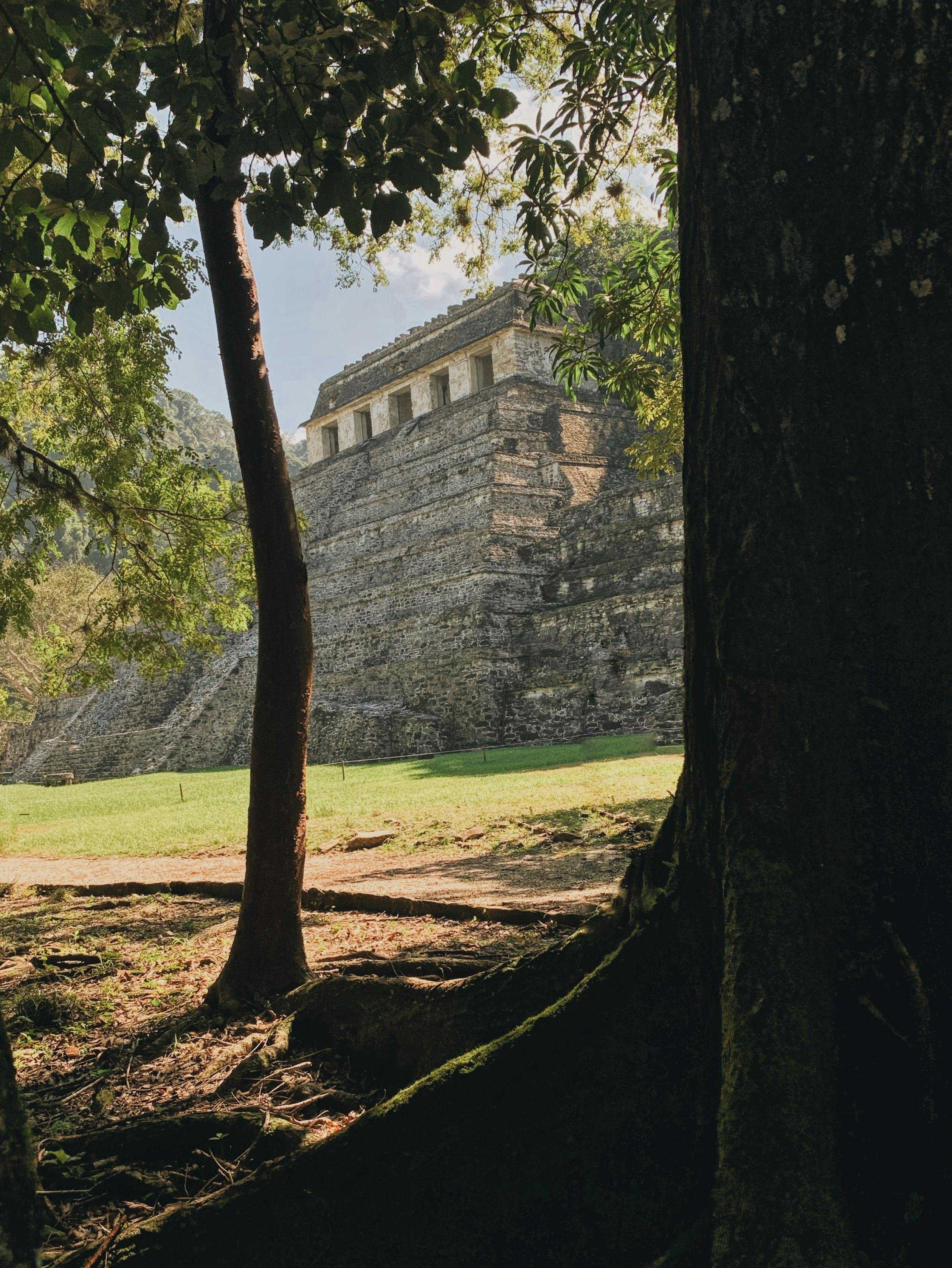

Palenque
· MX

Palenque

Palenque, Chiapas, Mexico

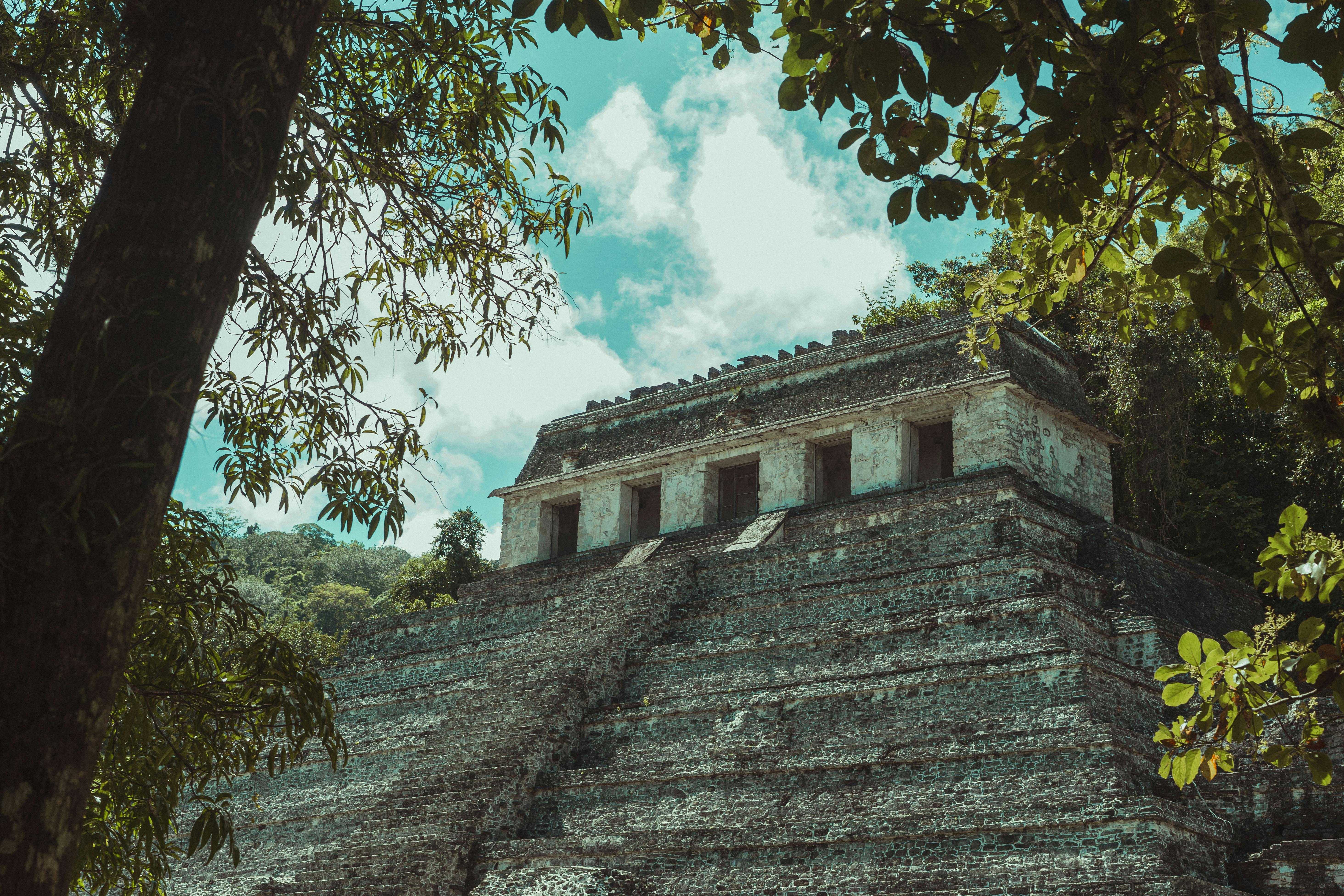
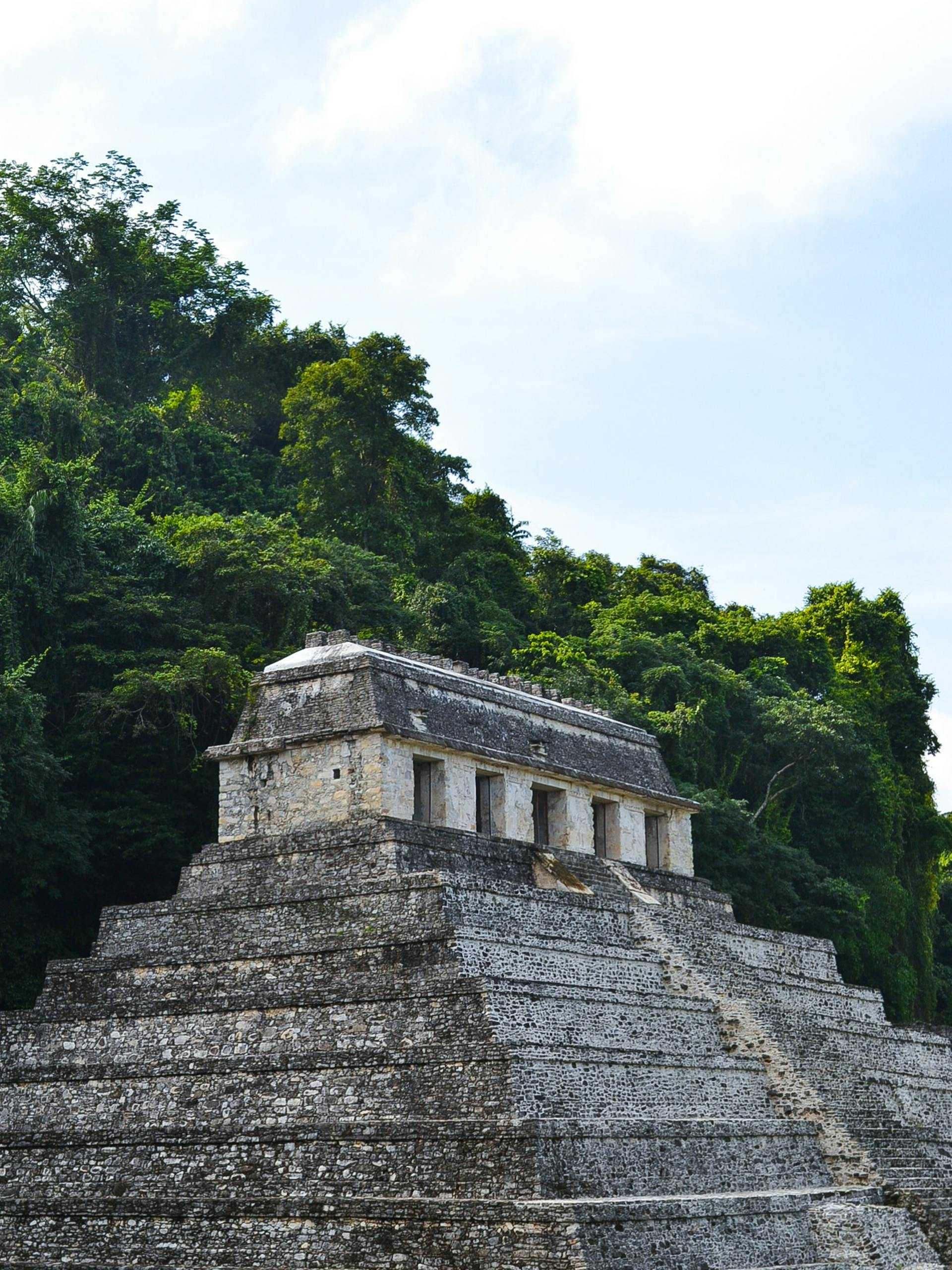
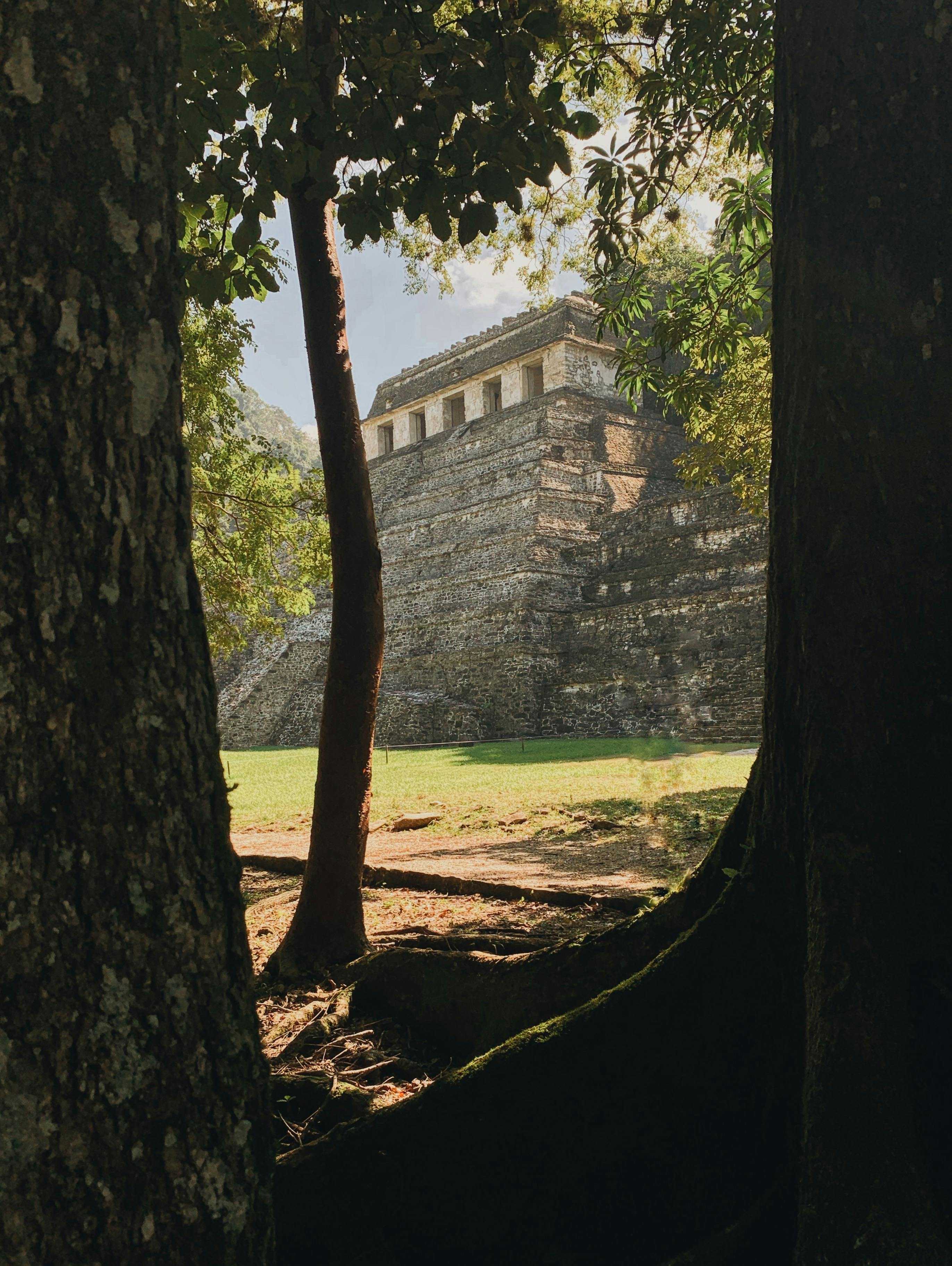
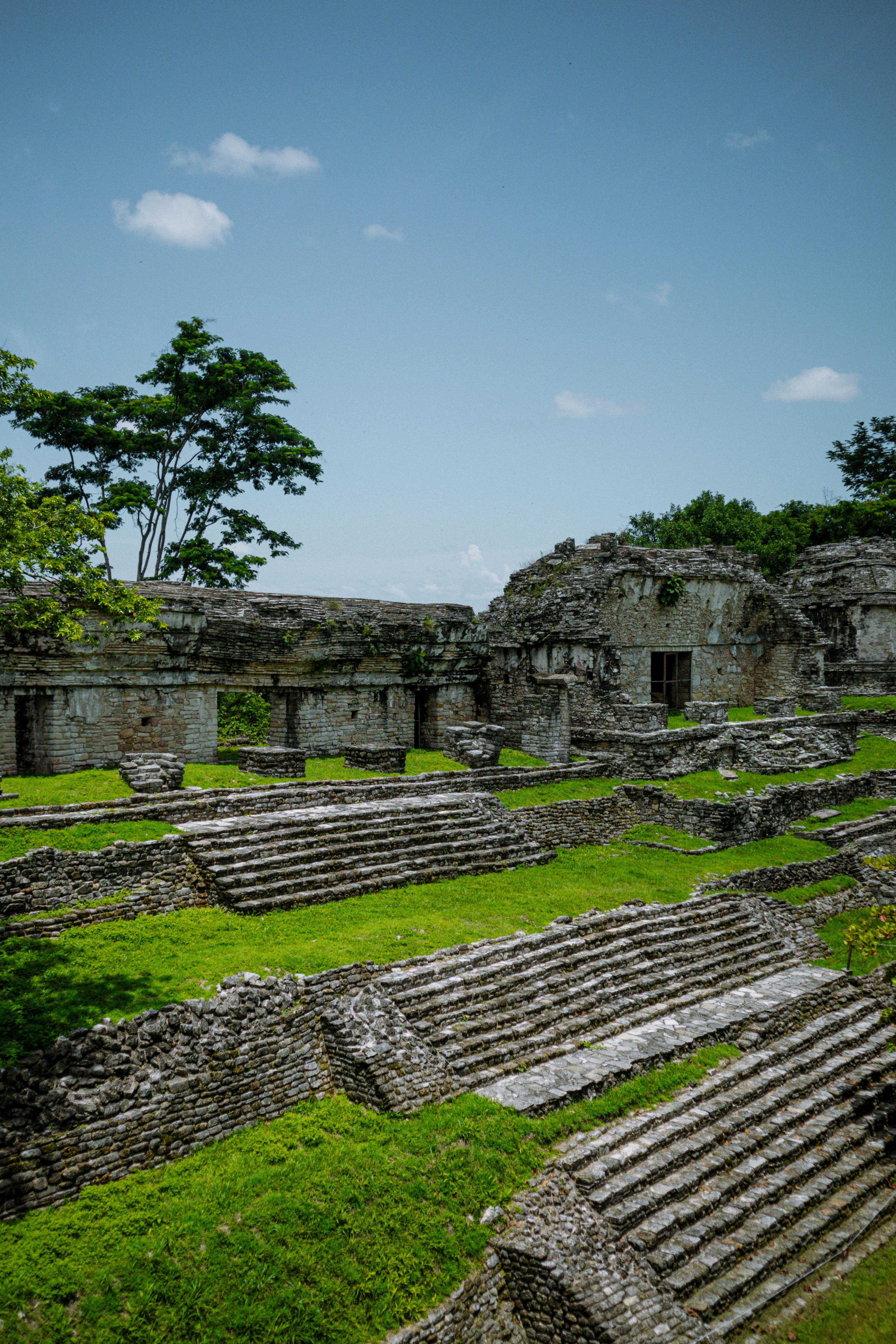
Palenque, located in the lush jungle of Chiapas, Mexico, is a captivating archaeological site that offers a fascinating glimpse into the ancient Mayan civilization. The ruins of Palenque are renowned for their intricate …

#Archaeological site#Mayan ruins#Jungle setting#Historical landmark#Chiapas, Mexico
1/17

Top hotels & flights

Hand-picked stays and the best fares into Palenque.

Top Hotels in Palenque

Top Flights to Palenque

Location videos

Real reels from travelers, plus longer watches to get the full picture.

From travelers
Watch & explore

Practical info

The essentials for planning your time in Palenque.

Currency
$ | MXN | Mexican Peso
Population
nan
Languages
Spanish, Tzeltal, Chol
Average weather
Palenque
Jan
rain
26°18°
Feb
rain
27°18°
Mar
rain
29°19°
Apr
rain
31°21°
May
rain
32°22°
Jun
rain
31°23°
Jul
rain
30°23°
Aug
rain
30°23°
Sep
rain
30°22°
Oct
rain
29°21°
Nov
rain
28°20°
Dec
rain
26°18°

Local guide

What travelers love, what to watch for, and a deeper read on Palenque.

What people love

There are several pros to traveling to Palenque in Chiapas, Mexico:

  1. Archaeological Site: Palenque is home to an impressive ancient Mayan archaeological site, recognized as a UNESCO World Heritage Site. Visitors can explore the well-preserved ruins of temples, palaces, and other structures dating back to the Classic period of Mayan civilization.

  2. Natural Beauty: The town of Palenque is surrounded by lush rainforests and tropical landscapes, offering opportunities for hiking, bird-watching, and exploring nature. Nearby attractions include waterfalls, rivers, and caves.

  3. Cultural Experience: Traveling to Palenque provides a chance to immerse yourself in the rich indigenous culture of Chiapas. Visitors can interact with local communities, try traditional cuisine, and purchase handmade crafts and textiles.

  4. Relaxation: Palenque offers a more laid-back and tranquil atmosphere compared to larger tourist destinations in Mexico. It's a great place to unwind, relax, and escape the hustle and bustle of city life.

  5. Accessibility: Palenque has its own airport, making it relatively easy to reach by air. Additionally, the town is well-connected by road to other major cities in Mexico, such as Merida and Cancun.

Overall, traveling to Palenque provides a unique blend of history, nature, culture, and relaxation, making it a popular destination for travelers seeking a well-rounded experience in Mexico.

What to know

Some potential cons of traveling to Palenque, located in Chiapas, Mexico, may include:

  1. Health Risks: As with any travel destination, there may be health risks to consider such as food and water safety, insect-borne diseases like Zika or dengue fever, and altitude sickness if traveling to higher elevations.

  2. Weather Conditions: Chiapas can have a tropical climate with high levels of humidity and rainfall. This may impact outdoor activities and transportation.

  3. Safety Concerns: While Palenque is a popular tourist destination, it's still important to be cautious of petty theft, scams, and safety concerns that can occur in any tourist area.

  4. Language Barrier: English may not be widely spoken in Palenque, so communication could be challenging if you don't speak Spanish.

  5. Infrastructure: Some areas in Palenque may have limited infrastructure, leading to issues with transportation, accommodations, or access to certain amenities.

  6. Environmental Impact: Like many tourist destinations, there may be concerns about the environmental impact of increased tourism on the local ecosystem and wildlife.

  7. Cultural Sensitivities: Travelers should be respectful of the local culture, customs, and traditions when visiting Palenque to ensure a positive experience for both visitors and locals.

Please note that these are general considerations and may not apply to every traveler's experience. It's always a good idea to research and prepare accordingly before visiting any destination.

Palenque, located in the modern-day state of Chiapas, Mexico, was a Maya city-state that flourished during the Classical period of Mesoamerican history, particularly from the 3rd to the 8th century AD. It is known for its impressive architecture, intricate reliefs, and the wealth of information it has provided about the Maya civilization.

Early History and Foundation

  • Preclassic Period: The area where Palenque was eventually built shows evidence of habitation dating back to the Preclassic period (around 2000 BC to 250 AD), but the city itself began to develop significantly during the Early Classic period (around 250 AD).

Flourishing Period

  • Classical Period (250-900 AD): Palenque reached its peak during the Late Classic period, particularly between 600 and 750 AD. It became one of the most powerful and influential Maya cities in the region.

Significant Events

  • Reign of Pakal the Great (K'inich Janaab' Pakal): One of the most notable rulers of Palenque was K'inich Janaab' Pakal, commonly known as Pakal the Great. He ascended the throne in 615 AD at the age of 12 and ruled until his death in 683 AD. Pakal was responsible for much of the city's architectural and artistic developments, including the construction of the Temple of the Inscriptions.

  • Temple of the Inscriptions: This is the largest pyramid structure in Palenque and contains the tomb of Pakal the Great. The temple's hieroglyphic inscriptions have been crucial for understanding Maya history and chronology.

  • Subsequent Rulers: After Pakal, several other notable rulers continued to enhance the city's status, including his son K'inich Kan B'alam II, who built several important structures such as the Cross Group temples.

Decline

  • Late 8th Century: By the late 8th century, Palenque, like many other Maya cities, began to decline. The reasons for this decline are not entirely clear but may include factors such as environmental changes, overpopulation, or internal strife.

  • Abandonment: The city was eventually abandoned by the end of the 9th century.

Rediscovery and Archaeological Significance

  • 19th Century Rediscovery: European explorers rediscovered Palenque in the late 18th and early 19th centuries. The first detailed descriptions and drawings were made by explorers such as John Lloyd Stephens and Frederick Catherwood in the mid-19th century.

  • Archaeological Explorations: Extensive archaeological work began in the 20th century, revealing the city's architectural and artistic achievements. The work of archaeologists such as Alberto Ruz Lhuillier, who uncovered Pakal's tomb in 1952, has been particularly significant.

Important Landmarks

  • Temple of the Inscriptions: This is the most famous structure in Palenque, with its large hieroglyphic panels and Pakal's tomb.

  • Palace: Known for its distinctive tower and intricate architectural features, the Palace complex includes several courtyards and buildings.

  • Temple of the Cross, Temple of the Sun, and Temple of the Foliated Cross: These are part of the Cross Group of temples, each with its own unique iconography and significance.

  • Aqueducts and Water Management: Palenque is also noted for its sophisticated water management systems, including aqueducts and canals.

Modern Status

  • UNESCO World Heritage Site: Palenque was designated a UNESCO World Heritage Site in 1987, recognizing its importance as a major archaeological and cultural landmark.

Palenque continues to be a vital source of knowledge about the Maya civilization and attracts scholars and tourists from around the world interested in its history and archaeology.