







Top hotels & flights
Hand-picked stays and the best fares into Onomichi.
Top Hotels in Onomichi
Top Flights to Onomichi
Location videos
Real reels from travelers, plus longer watches to get the full picture.
Practical info
The essentials for planning your time in Onomichi.


Local guide
What travelers love, what to watch for, and a deeper read on Onomichi.
What people love
Onomichi, located in Hiroshima Prefecture, Japan, is a charming coastal town known for its scenic beauty, historical sites, and unique atmosphere. Some of the pros of traveling to Onomichi include:
-
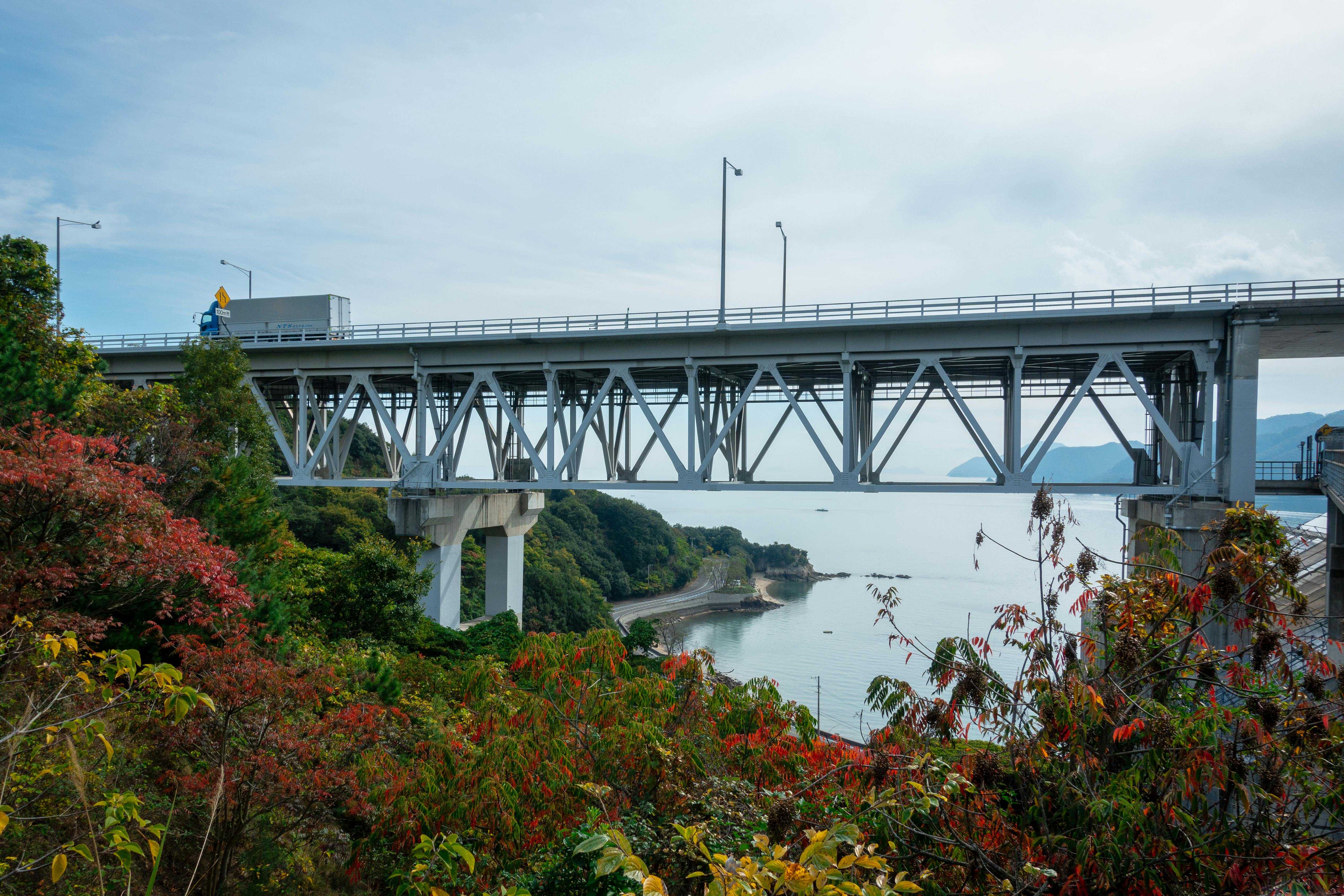
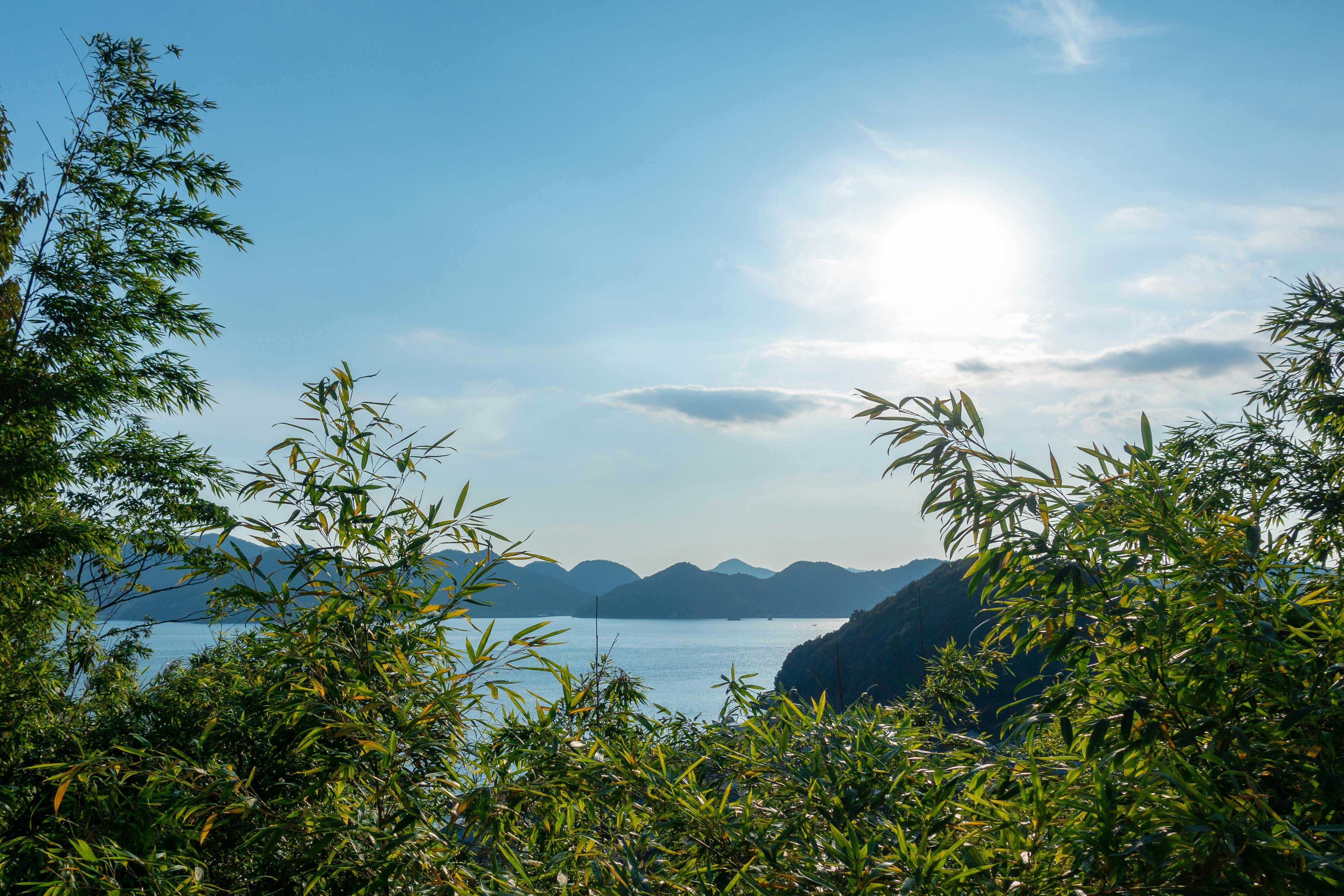
Scenic Views: Onomichi is famous for its picturesque views of the Seto Inland Sea, with its many islands and bridges. The town is built on hillsides, offering stunning vistas of the sea and surrounding landscapes. Visitors can enjoy beautiful sunsets and peaceful walks along the waterfront.
-
Historical Sites: Onomichi has a rich history dating back to the Edo period, and it is home to several historical sites and cultural landmarks. One of the most popular attractions is Senkoji Temple, located on a hill overlooking the town. The temple offers panoramic views of Onomichi and its surroundings.
-
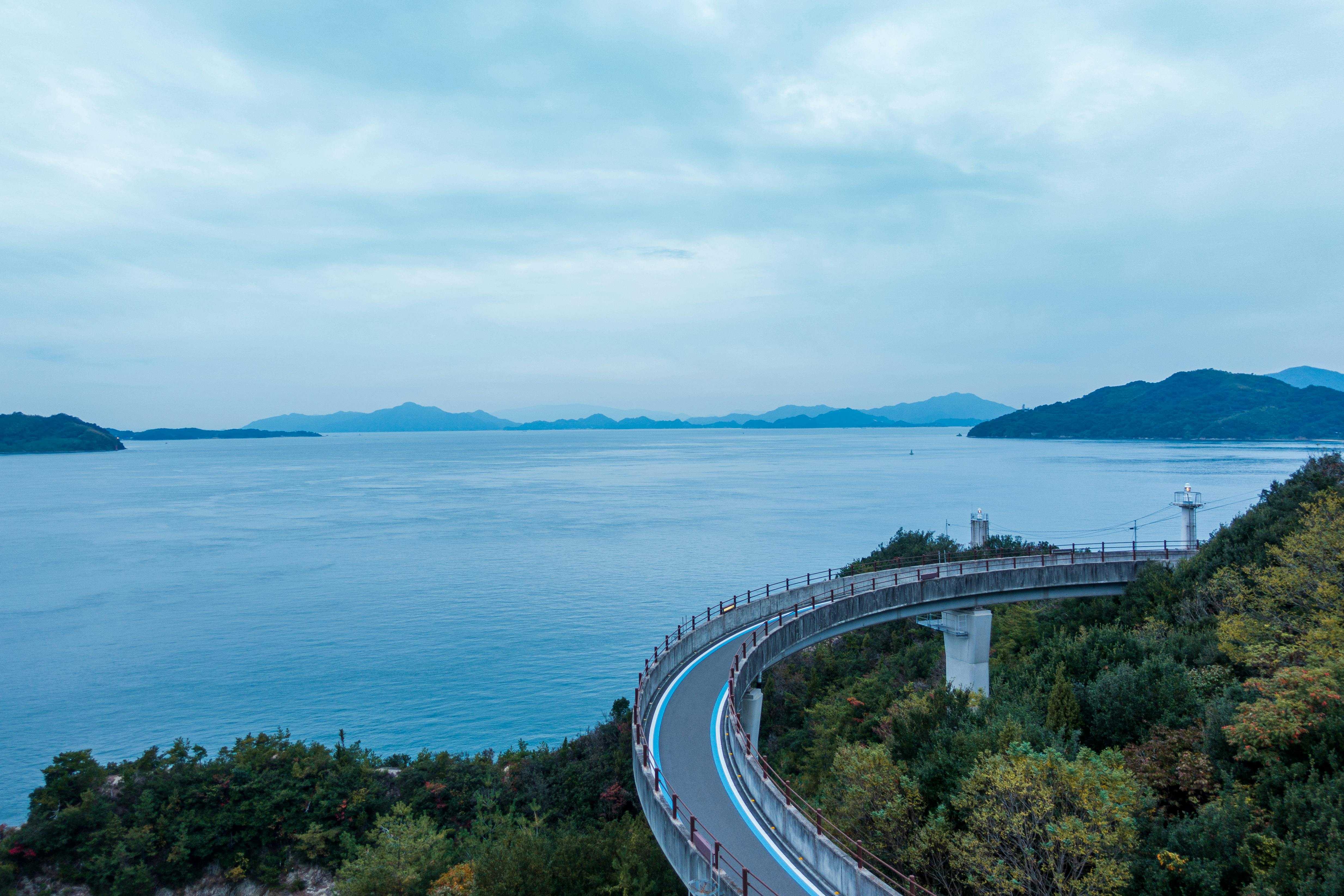
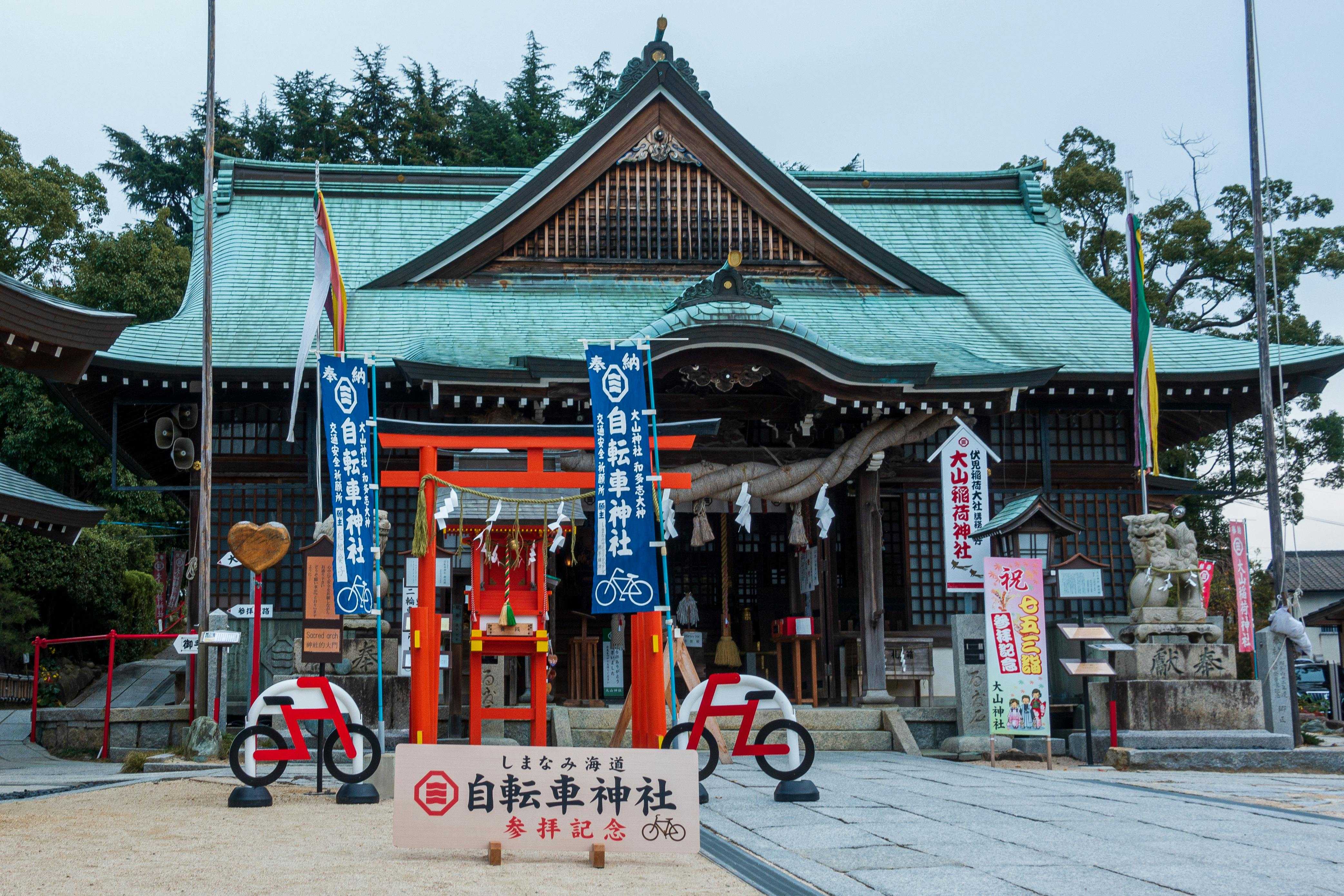
Cycling: Onomichi is a popular destination for cyclists, with its scenic cycling routes that connect the town to neighboring islands such as Shikoku. The Shimanami Kaido cycling route, which starts in Onomichi and crosses multiple islands, is a favorite among cycling enthusiasts.
-
Art and Culture: Onomichi has a vibrant arts scene, with numerous art galleries, museums, and cultural events throughout the year. The town is known for its literary history, being the birthplace of several famous writers and poets. Visitors can explore various creative spaces and attend cultural festivals.
-
Local Cuisine: Onomichi is famous for its fresh seafood, particularly oysters and seafood dishes prepared in a variety of styles. The town also offers a range of local specialties, such as Onomichi ramen and fried oysters, that visitors can enjoy at traditional eateries and street food stalls.
Overall, traveling to Onomichi offers a unique blend of natural beauty, history, culture, and culinary delights, making it a delightful destination for visitors seeking a peaceful and authentic Japanese experience.
What to know
Traveling to Onomichi in Hiroshima, Japan does have some potential drawbacks that travelers should be aware of. Some cons of traveling to Onomichi include:
-
Limited transportation options: Onomichi is a relatively small town, and while it is well-connected by trains and buses, the frequency of services may be limited compared to larger cities. This could lead to longer wait times and less flexibility in travel schedules.
-
Language barrier: Onomichi may not be as tourist-friendly as more popular destinations in Japan, so English proficiency among locals, especially outside of tourist areas, could be limited. This may make communication and navigation more challenging for travelers.
-
Limited entertainment options: Onomichi is known for its historical significance and scenic beauty, but it may lack the variety of entertainment options found in larger cities. Travelers looking for a bustling nightlife or a wide range of dining choices may find Onomichi to be relatively quiet in comparison.
-
Seasonal weather considerations: Like much of Japan, Onomichi experiences seasonal weather changes, with hot and humid summers and cold winters. Travelers should be prepared for the weather conditions during their visit, especially if they are not accustomed to Japan's climate.
-
Potential for crowds during peak tourist seasons: While Onomichi may not be as crowded as major tourist cities like Tokyo or Kyoto, it can still attract a fair number of visitors, especially during popular events or peak travel seasons. Travelers who prefer quieter destinations may find the presence of other tourists to be a downside.
It's worth noting that these cons are relative and may not be significant drawbacks for all travelers. Despite these potential challenges, many visitors find Onomichi to be a charming and peaceful destination with its own unique attractions and cultural experiences.