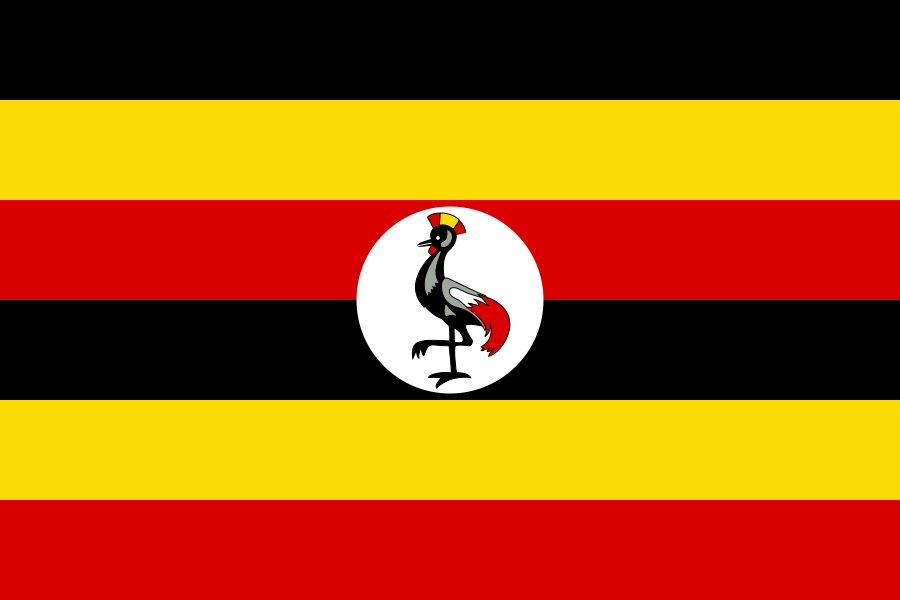
Omoro is a district located in Northern Uganda, established in 2016 after being carved out of Gulu District. It is part of the Acholi sub-region, which has a rich history and cultural heritage. Here is a detailed overview of Omoro's history, significant events, historical figures, and landmarks:
Historical Context:
-
Pre-Colonial Period: The area now known as Omoro was traditionally inhabited by the Acholi people, an ethnic group with a distinct cultural heritage. The Acholi are known for their unique customs, music, and dance. Key aspects of their society included a clan-based system with chiefs and elders playing central roles in governance.
-
Colonial Era: During British colonial rule, Northern Uganda, including the area of Omoro, was significantly affected by colonial policies that often marginalized the region economically and politically.
-
Post-Independence and Conflict: Omoro, like much of Northern Uganda, experienced turmoil due to political instability after Uganda's independence in 1962. The region was severely affected by the Lord's Resistance Army (LRA) insurgency led by Joseph Kony from the late 1980s through the early 2000s. This conflict caused significant displacement and suffering among the local population.
Creation of Omoro District:
- 2016: Omoro was officially established as a district, with its headquarters at Omoro Town. The creation of the district was part of a broader government policy to decentralize administration and bring services closer to the people.
Notable Figures:
-
Ruhakana Rugunda: While not directly from Omoro, Rugunda is an influential figure in Ugandan politics and has been involved in peace processes affecting Northern Uganda. His role in national politics has had indirect impacts on regions like Omoro.
-
Local Leaders and Elders: Various local leaders have played significant roles in the community's recovery and development post-conflict. Their contributions to peacebuilding and local governance have been crucial.
Important Landmarks:
-
Cultural Sites: Omoro, being part of the Acholi sub-region, is home to various cultural sites that are important for the Acholi people. These sites often host traditional ceremonies and gatherings.
-
Memorials and Monuments: The district may feature memorials commemorating those affected by the LRA conflict, serving as reminders of the past and symbols of resilience and hope.
Recent Developments:
-
Post-Conflict Recovery: Since the end of major hostilities in the region, Omoro has been undergoing reconstruction and development. Efforts have been made to improve infrastructure, education, and healthcare services to better the lives of its residents.
-
Cultural Revival: There has been a focus on reviving and preserving Acholi culture, with festivals and events celebrating traditional music, dance, and art.
Challenges and Opportunities:
-
Developmental Challenges: Like many districts in Northern Uganda, Omoro faces challenges related to poverty, education, and healthcare. However, government and non-governmental organizations continue to work towards addressing these issues.
-
Agricultural Potential: The district has potential for agricultural development, which is seen as a key avenue for economic growth and improving livelihoods.
In conclusion, Omoro has a complex history marked by conflict and resilience. The district is now on a path of recovery and development, with a focus on cultural preservation and economic growth.