
Oleggio
· IT

Oleggio

Oleggio, Piedmont, Italy

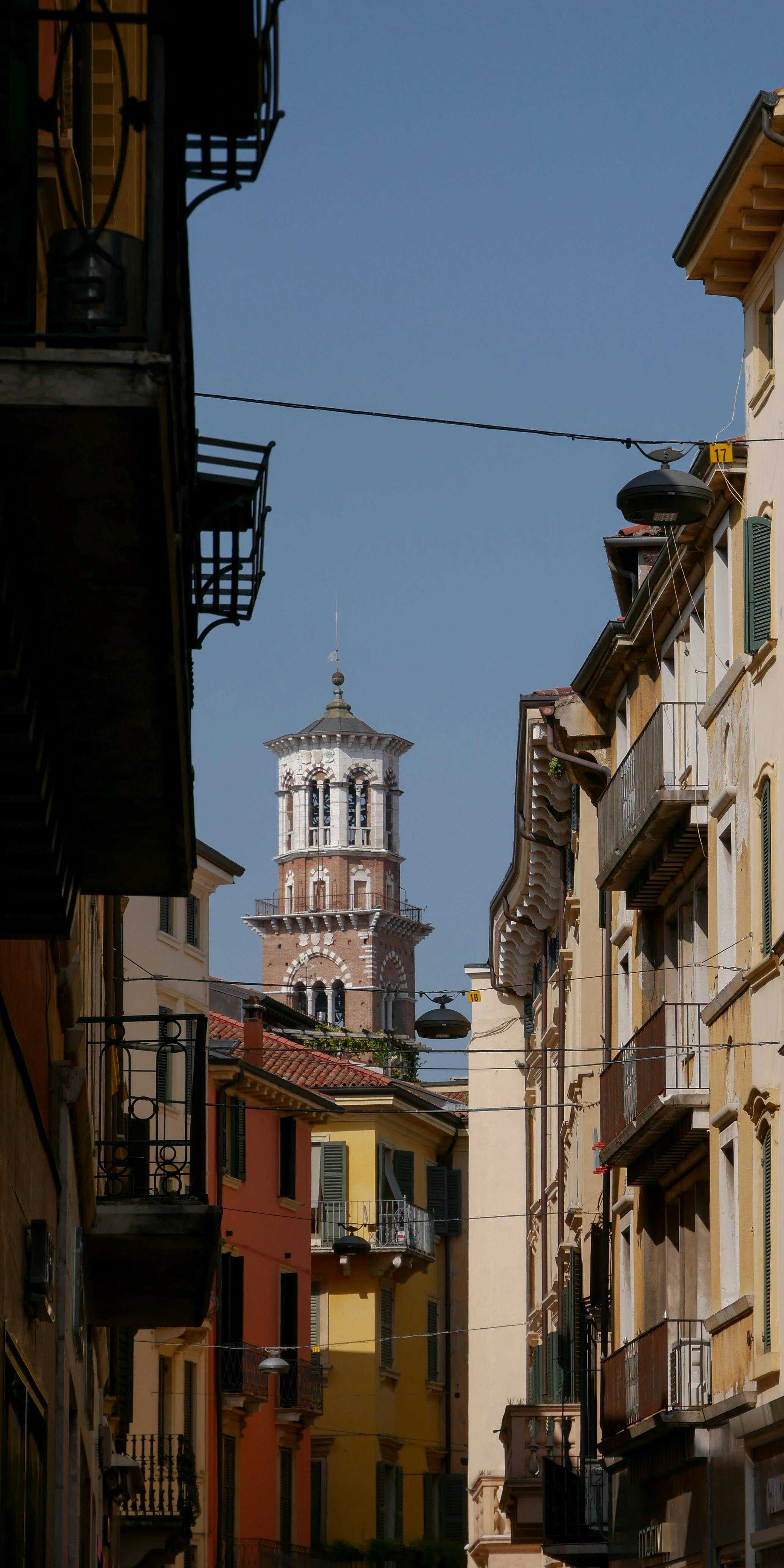
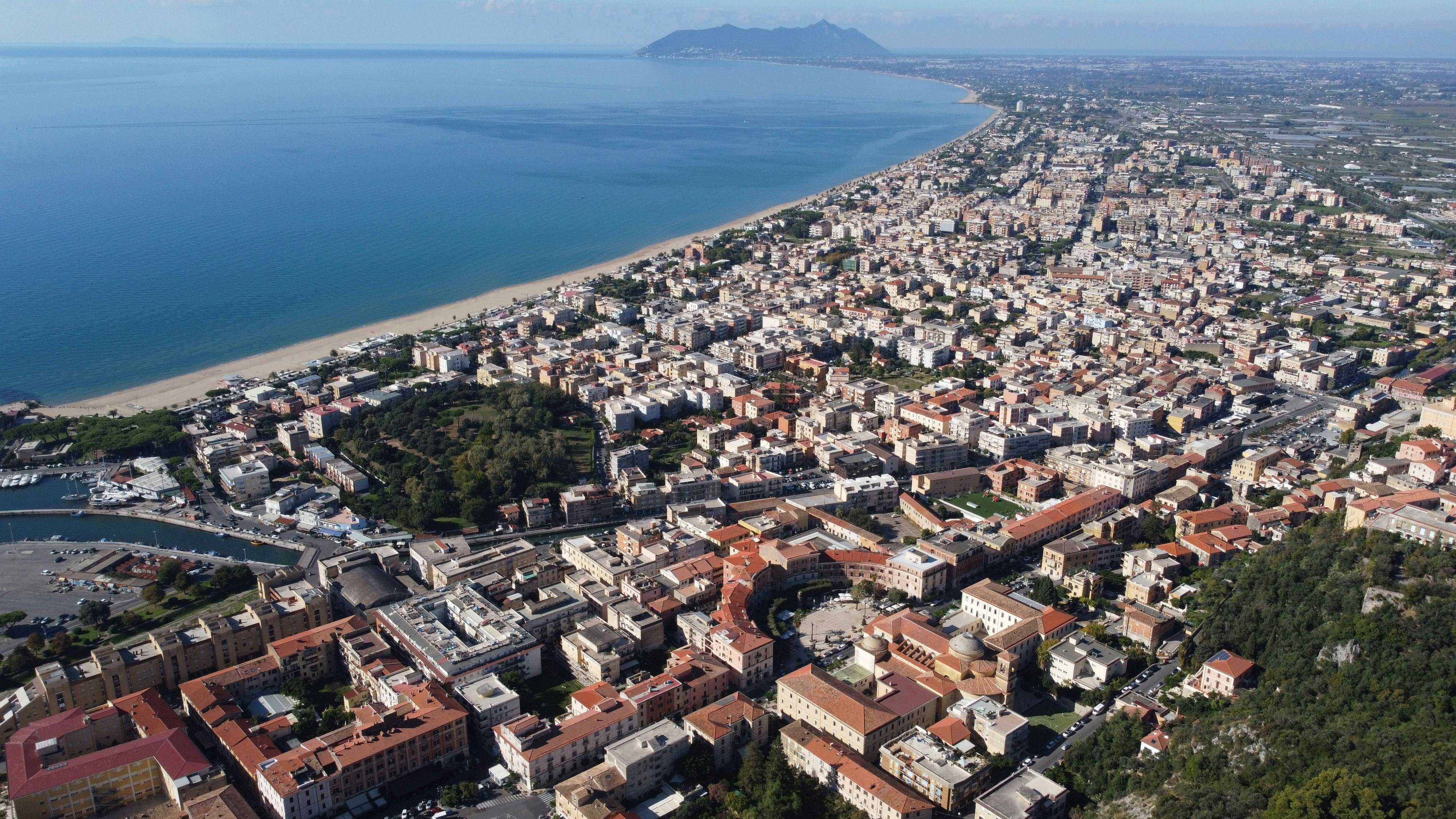
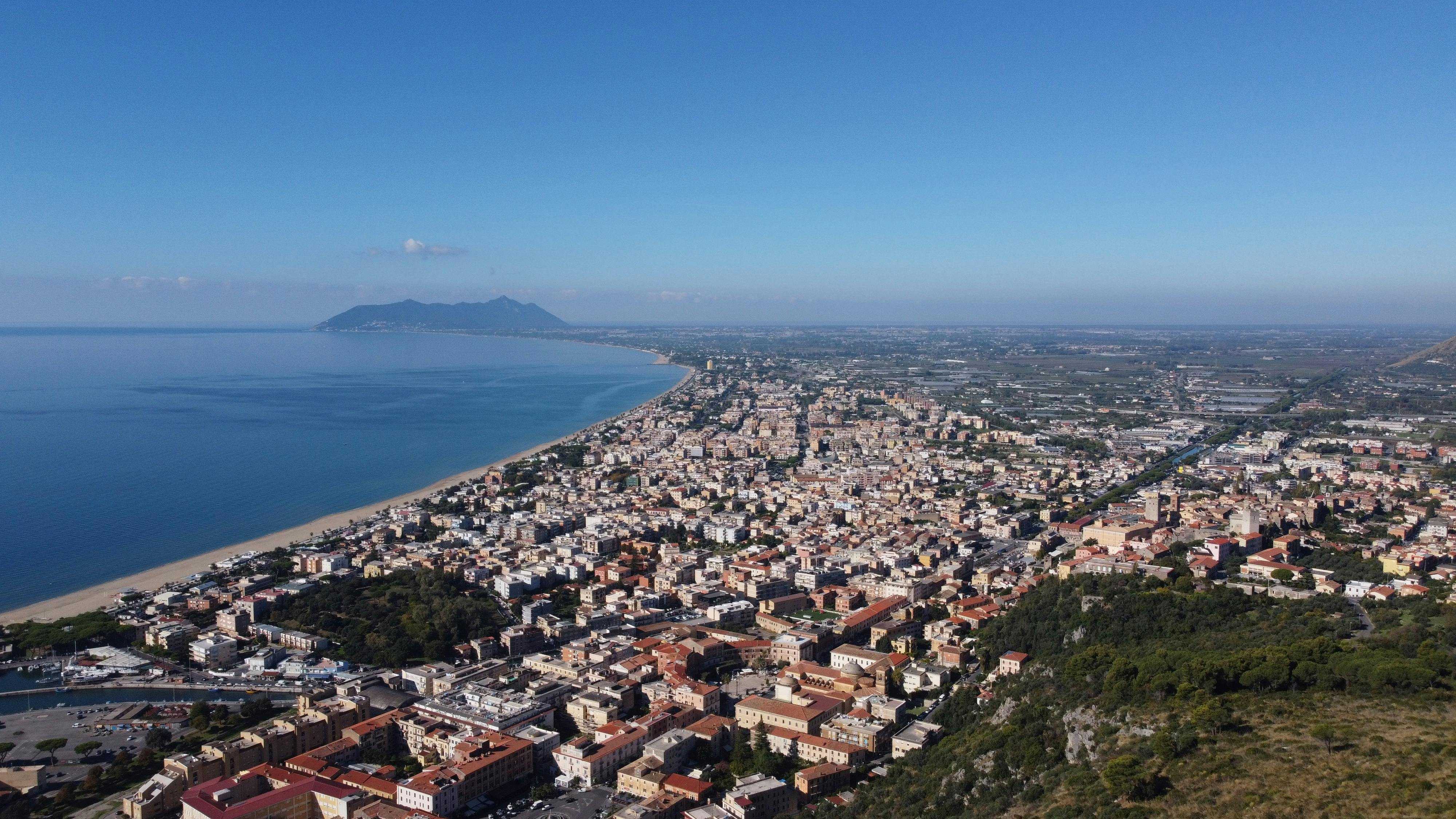
Located in the picturesque region of Piedmont, Italy, Oleggio is a charming town that offers a perfect blend of history, culture, and natural beauty. Situated near the banks of the River Ticino, Oleggio beckons travelers…

#Oleggio#Piedmont#Italy#Small town#Historic
1/9

Top hotels & flights

Hand-picked stays and the best fares into Oleggio.

Top Hotels in Oleggio

Top Flights to Oleggio

Location videos

Real reels from travelers, plus longer watches to get the full picture.

From travelers
Watch & explore

Practical info

The essentials for planning your time in Oleggio.

Currency
€ | EUR | Euro
Population
Not Available
Languages
Italian, Italian
Average weather
Oleggio
Jan
cold
6°-1°
Feb
cold
9°0°
Mar
cloud
14°3°
Apr
rain
17°6°
May
rain
22°11°
Jun
sun
26°15°
Jul
hot
29°18°
Aug
hot
28°18°
Sep
sun
24°15°
Oct
cloud
17°10°
Nov
rain
10°4°
Dec
cold
6°0°

Local guide

What travelers love, what to watch for, and a deeper read on Oleggio.

What people love

Oleggio is actually located in the region of Piedmont, Italy, not in a town called Oleggio. Oleggio is a small town in the province of Novara in the Piedmont region of Italy. Here are some pros of traveling to Oleggio:

  1. Authentic Italian experience: Oleggio offers a more authentic Italian experience compared to larger tourist destinations. You can immerse yourself in the local culture, interact with friendly locals, and enjoy traditional Italian cuisine.

  2. Scenic beauty: Oleggio is surrounded by beautiful countryside and is close to the stunning Lake Maggiore. You can enjoy picturesque views, go for hikes or bike rides, and relax in the peaceful surroundings.

  3. Historical sites: Oleggio has a rich history with several historical sites to explore, such as churches, castles, and museums. You can learn about the town's past and admire its architectural heritage.

  4. Proximity to other attractions: Oleggio is located close to popular tourist destinations in Piedmont, such as Milan, Turin, and the beautiful Lake Maggiore. You can easily take day trips to explore these nearby attractions.

  5. Local markets and festivals: Oleggio hosts various local markets and festivals throughout the year where you can sample local produce, buy unique souvenirs, and experience traditional Italian festivities.

Overall, traveling to Oleggio can offer a peaceful and authentic Italian experience with plenty of opportunities to explore the local culture and natural beauty of the region.

What to know

Information not available.

Oleggio is a town located in the Piedmont region of Italy, specifically in the Province of Novara. It has a rich history that stretches back to ancient times, with its origins dating to Roman and possibly even pre-Roman settlements.

Historical Overview

  • Ancient and Medieval Periods:

    • Oleggio's history can be traced back to the Roman era, as indicated by archaeological finds in the area. During the Middle Ages, it became more structured as a settlement.
    • In the medieval period, Oleggio was part of the Marquisate of Novara. It experienced various feudal lords' influences as the power dynamics in the region changed.
  • Renaissance to 19th Century:

    • The town, like much of the Piedmont region, fell under the control of the Duchy of Savoy. This period saw the development of several significant architectural works, including religious structures.
    • In the 19th century, the unification of Italy brought changes to Oleggio, as it did to the rest of the country. The town became part of the Kingdom of Italy in the 1860s.
  • 20th Century and Beyond:

    • The two World Wars had an impact on Oleggio, though it was not at the forefront of major battles. The town, like many others, witnessed the socio-economic transformations that occurred in Italy during the 20th century.

Significant Landmarks

  • San Michele Church:

    • One of the most notable landmarks in Oleggio is the Church of San Michele. The church features elements from different architectural periods, with parts dating back to the Romanesque era. It is known for its beautiful frescoes and historical significance.
  • Museum of Oleggio (Museo Civico Archeologico Etnografico C.G. Fanchini):

    • This museum offers insights into the local history and culture, with exhibits ranging from archaeological finds to ethnographic collections that showcase the area's traditional lifestyle.
  • Historical Center:

    • The historic center of Oleggio is characterized by its quaint streets and traditional buildings, reflecting the architectural styles of various periods.

Notable Figures

  • While Oleggio might not be the birthplace of internationally renowned historical figures, it has been home to various local figures who contributed to its cultural and historical landscape over time.

Cultural Aspects

  • Festivals and Traditions:
    • Oleggio, like many Italian towns, has its own set of local festivals and traditions, often linked to religious celebrations and local history.

As with many historical towns in Italy, Oleggio's history is intricately linked to the broader historical currents of the region and the nation. It offers a glimpse into the evolution of a typical Piedmontese town through the ages, with its mix of ancient roots and modern development.