
Nola
· IT

Nola

Nola, Campania, Italy

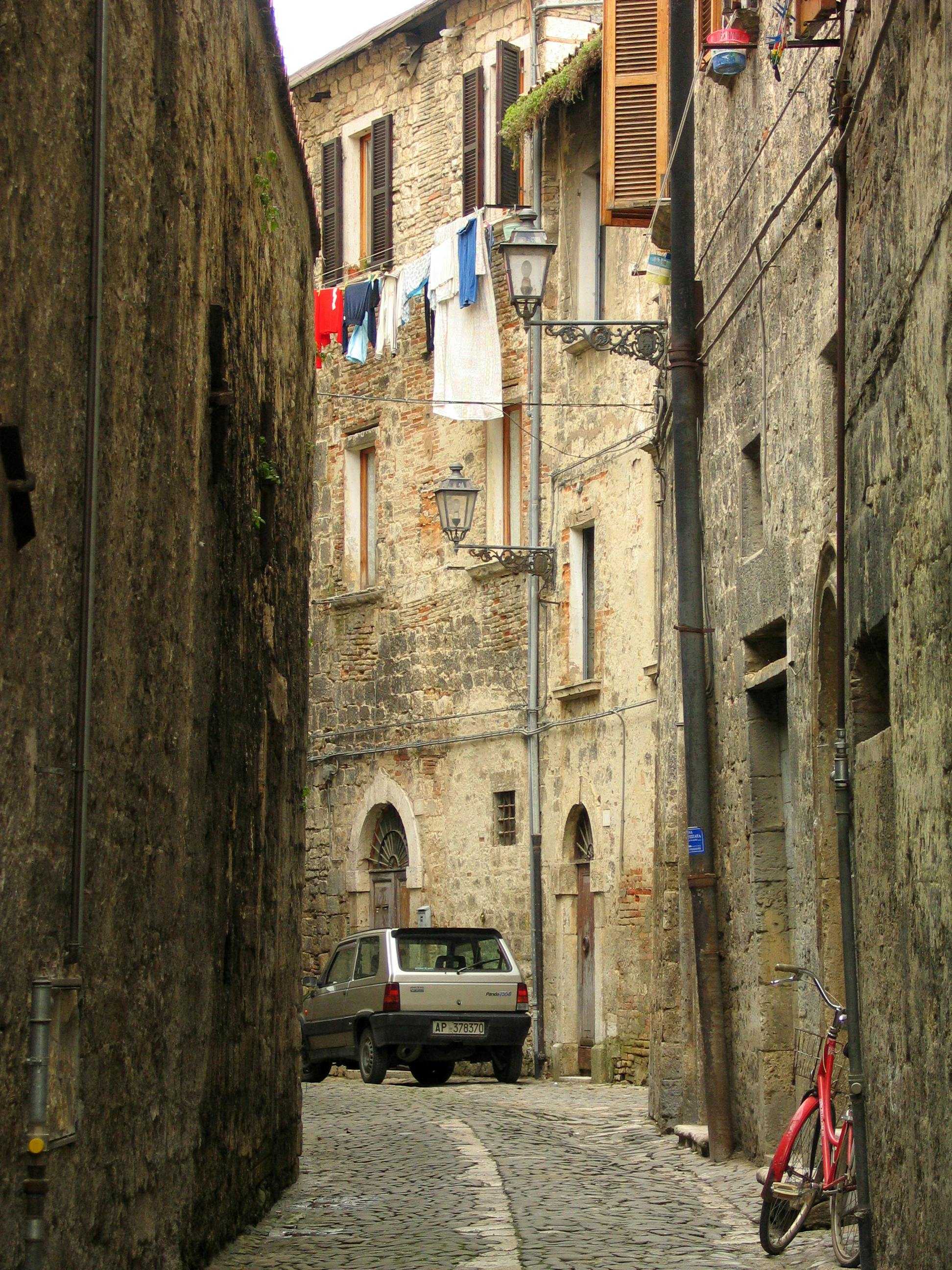
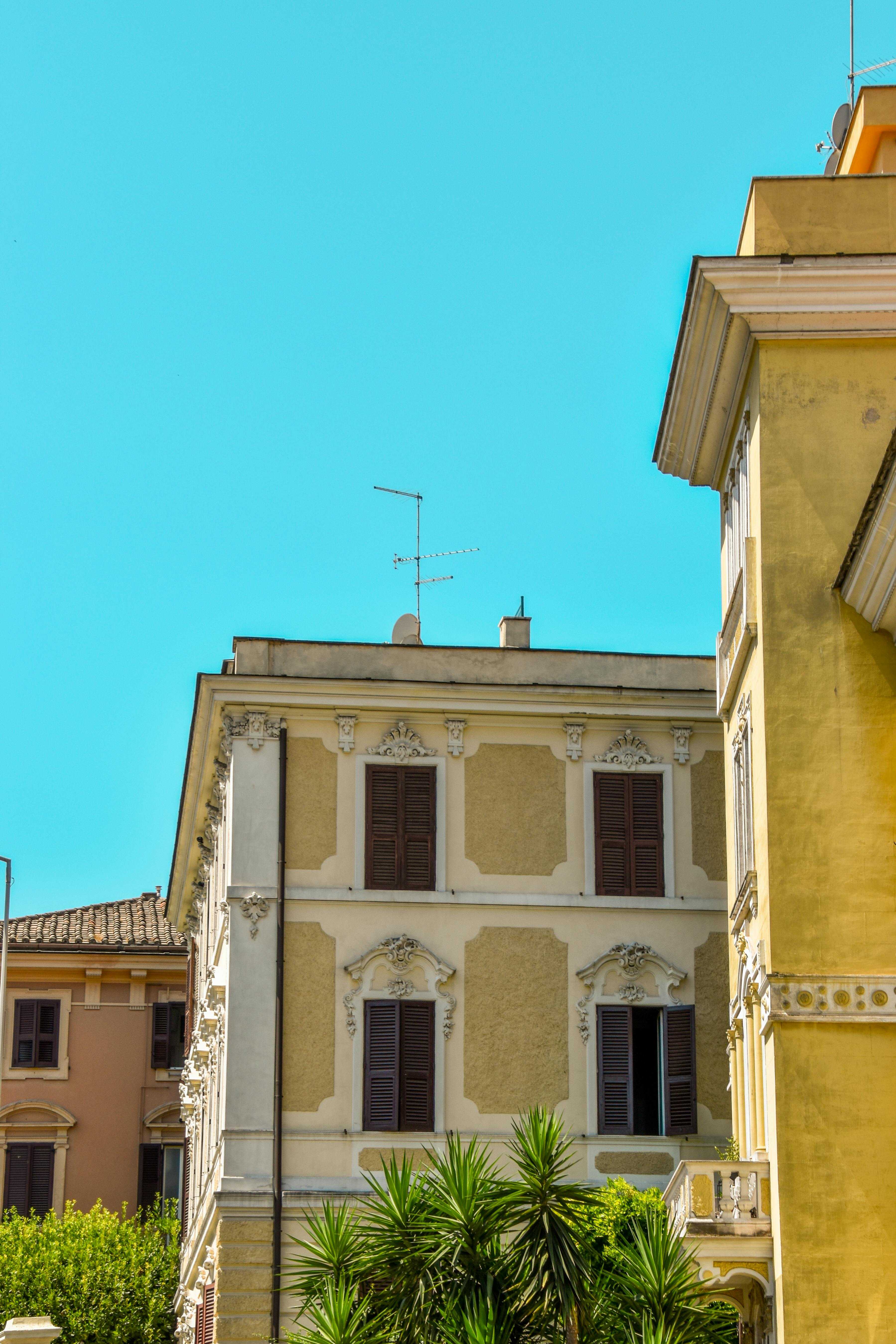
Nestled in the picturesque region of Campania, Italy, Nola is a charming town that captivates visitors with its rich history, vibrant culture, and stunning landscapes. Steeped in ancient roots dating back to the Roman er…

#Nola#Campania#Italy#historic town#cultural heritage
1/6

Top hotels & flights

Hand-picked stays and the best fares into Nola.

Top Hotels in Nola

Top Flights to Nola

Location videos

Real reels from travelers, plus longer watches to get the full picture.

From travelers

Practical info

The essentials for planning your time in Nola.

Currency
€ | EUR | Euro
Population
Not Available
Languages
English, English, French
Average weather
Nola
Jan
cold
11°3°
Feb
cold
12°4°
Mar
cloud
15°6°
Apr
cloud
18°9°
May
sun
23°13°
Jun
sun
27°17°
Jul
hot
30°20°
Aug
hot
30°20°
Sep
sun
26°17°
Oct
cloud
21°13°
Nov
cloud
16°8°
Dec
cold
12°4°

Local guide

What travelers love, what to watch for, and a deeper read on Nola.

What people love

Nola, located in the Campania region of Italy, offers a variety of attractions and features that can make visiting the area a rewarding experience. Here are some of the pros of traveling to Nola:

  1. Historical Significance: Nola is one of the oldest cities in Campania, with a rich history that dates back to ancient times. It was an important urban center during the Roman Empire. Visitors can explore various historical sites and ruins that reflect its past.

  2. Cultural Attractions: Nola is famous for the "Festa dei Gigli" (Festival of the Lilies), an annual event that takes place in honor of St. Paolino. This UNESCO-recognized festival features enormous wooden structures, or "gigli," which are carried through the streets, accompanied by music and dancing. Attending this festival provides a unique insight into local traditions and culture.

  3. Archaeological Sites: The town is near several important archaeological sites, including the remains of ancient Roman amphitheaters and villas. The Nola Archaeological Museum houses artifacts that provide a glimpse into the area's ancient past.

  4. Proximity to Naples and Other Attractions: Nola is conveniently located near Naples, the regional capital, which offers additional attractions such as the famous Naples National Archaeological Museum, the historic center, and access to the islands of Capri and Ischia. It's also a short drive to the ruins of Pompeii and Herculaneum.

  5. Local Cuisine: Campania is known for its delicious cuisine, and Nola offers the opportunity to enjoy authentic Italian food. The region is famous for dishes like pizza, pasta, and seafood, as well as local specialties.

  6. Natural Beauty and Scenery: The surrounding area of Campania is known for its beautiful landscapes, including the Amalfi Coast, the Sorrentine Peninsula, and Mount Vesuvius. Nola provides a good base for exploring these natural attractions.

  7. Less Crowded: Compared to more tourist-heavy areas, Nola offers a more relaxed atmosphere. Visitors can enjoy a more authentic Italian experience without the crowds found in larger cities.

Overall, Nola's historical, cultural, and culinary offerings, combined with its strategic location in Campania, make it a worthwhile destination for travelers interested in exploring this part of Italy.

What to know

Information not available.

Nola is a town and comune in the Metropolitan City of Naples, Campania, southern Italy. Its history dates back to ancient times, and it has been the site of numerous significant events and home to several important historical figures.

Ancient History

  • Origins and Early Inhabitants: Nola's origins are ancient, with evidence of human settlement dating back to the Neolithic period. It was originally inhabited by the Osci, an ancient Italic tribe.

  • Roman Era: Nola became a Roman colony in 313 BC. It was a significant town during the Roman period, known for its strategic location. The town is reputed to be the site where the Roman general and statesman, Gaius Marius, died in 86 BC.

  • Augustus and Christianity: The Roman Emperor Augustus died in Nola in AD 14. Nola is also notable in Christian history as the birthplace of Saint Felix of Nola and for its association with Saint Paulinus of Nola (354–431 AD), who was a bishop and a key figure in early Christianity. Paulinus is credited with introducing the use of church bells.

Middle Ages and Renaissance

  • Medieval Period: During the early medieval period, Nola was invaded by various groups, including the Lombards and Saracens. It later became part of the Duchy of Benevento and the Principality of Salerno.

  • Renaissance: Nola was involved in the cultural movements of the Renaissance. Giordano Bruno, an Italian Dominican friar, philosopher, mathematician, and astronomer, was born in Nola in 1548. He is best known for his cosmological theories, which conceptually extended the then-novel Copernican model.

Significant Landmarks

  • Nola Cathedral: The Cathedral of Nola, dedicated to the Assumption of Mary, is a prominent religious site with origins that date back to early Christianity. It has been rebuilt and renovated several times throughout history.

  • Amphitheater: The ancient Roman amphitheater in Nola, although not as well preserved as other Roman structures, is an important archaeological site that reflects the town's significance during the Roman era.

  • Palazzo Orsini: This historic palace was built in the 15th century and represents the Renaissance architecture of the time. It serves as a reminder of the town's cultural and political importance.

Modern Era

  • Festivals: Nola is famous for its annual festival, the "Festa dei Gigli" (Feast of the Lilies), which is recognized by UNESCO as an intangible cultural heritage. The festival celebrates the return of Saint Paulinus from captivity and features elaborate processions with large wooden structures carried through the streets.

  • World War II: During the Second World War, Nola was heavily bombed by Allied forces due to its proximity to the city of Naples and its strategic importance.

Nola continues to be a town with a rich cultural heritage, reflecting its long and varied history through its architecture, festivals, and the legacy of the historical figures associated with it.