

Ningbo
· CN

Ningbo

Ningbo, Zhejiang, China

Discover Ningbo: Where Ancient History Meets Modern Marvel Escape the ordinary and immerse yourself in the vibrant tapestry of Ningbo, a coastal city in Zhejiang province that effortlessly blends ancient history with mod…

#port city#economic hub#coastal#manufacturing center#cultural heritage
1/8

Top hotels & flights

Hand-picked stays and the best fares into Ningbo.

Top Hotels in Ningbo

Top Flights to Ningbo

Location videos

Real reels from travelers, plus longer watches to get the full picture.

From travelers
Watch & explore

Practical info

The essentials for planning your time in Ningbo.

Currency
¥ | CNY | Chinese Yuan
Population
The approximate estimated total population of Ningbo, Zhejiang, China is 9.6 million.
Languages
Wu Chinese, Ningbo dialect, Mandarin, Wu Chinese
Average weather
Ningbo
Jan
cold
9°2°
Feb
cold
10°3°
Mar
cloud
14°6°
Apr
cloud
20°11°
May
rain
25°16°
Jun
rain
28°21°
Jul
hot
33°25°
Aug
hot
32°25°
Sep
rain
28°21°
Oct
clear
23°15°
Nov
cloud
17°9°
Dec
cold
11°4°

Local guide

What travelers love, what to watch for, and a deeper read on Ningbo.

What people love

Ningbo, located in Zhejiang province, China, offers a unique blend of history, culture, and modern amenities that make it a great destination for travelers. Here are some of the pros of traveling to Ningbo:

  1. Historical Sites: Ningbo has a rich history dating back over 7,000 years, and there are many historical sites to explore such as Tianyi Pavilion, one of the oldest private libraries in China, and the ancient Hemudu archaeological site.

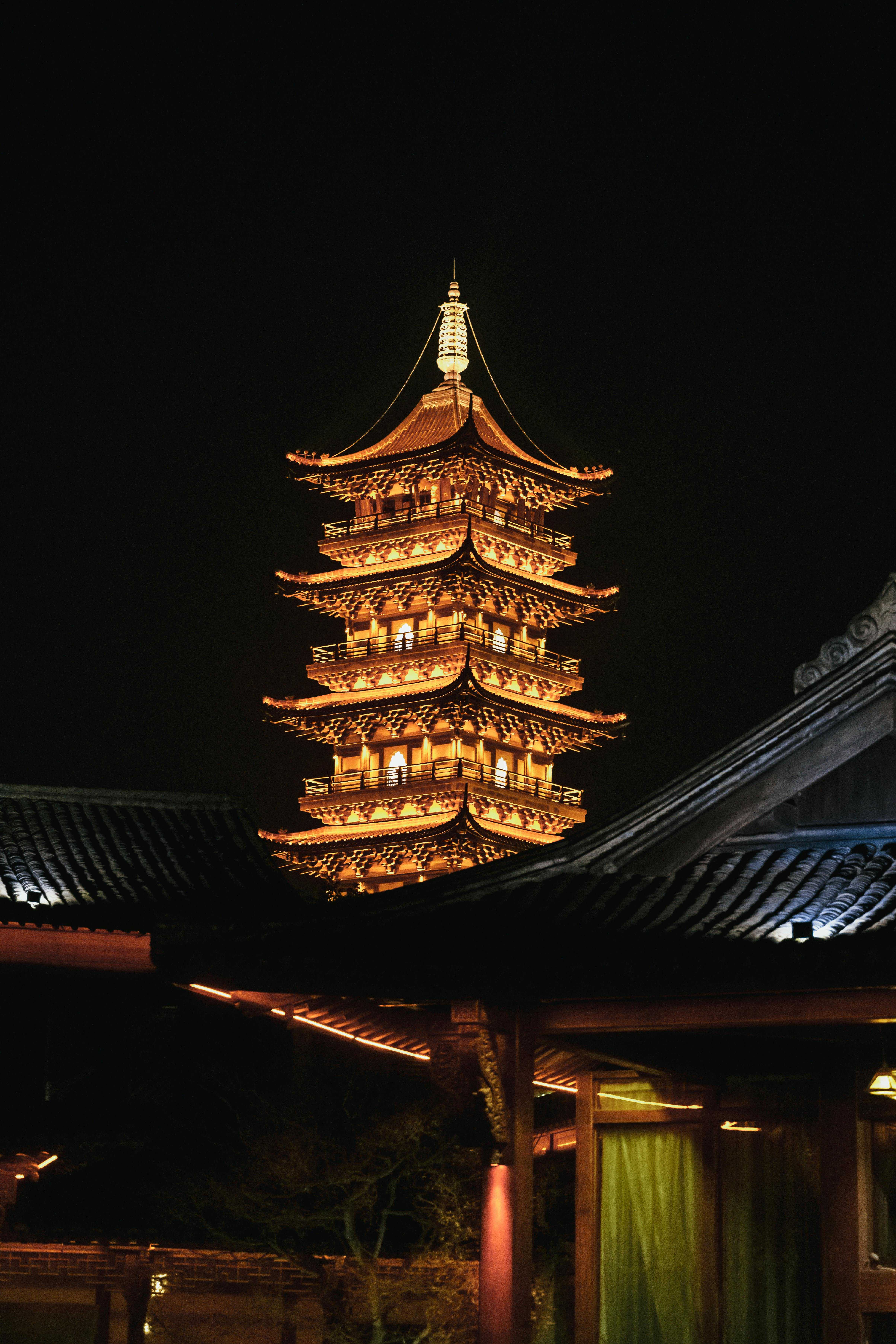
  2. Cultural Attractions: The city is home to various cultural attractions such as the Ningbo Museum, showcasing the region's history and art, as well as traditional temples, pagodas, and gardens that provide insight into Chinese culture.

  3. Scenic Beauty: Ningbo is known for its picturesque landscapes, including the stunning Dongqian Lake, Xuedou Mountain, and the scenic Yaojiang River. Visitors can enjoy nature walks, boat rides, and outdoor activities in these beautiful surroundings.

  4. Shopping and Dining: Ningbo offers a wide range of shopping opportunities, from bustling markets to modern shopping malls, where visitors can find traditional crafts, local products, and international brands. The city also boasts a vibrant food scene with a variety of local specialties and international cuisine.

  5. Convenient Location: Ningbo is well-connected by transportation networks, with an international airport, high-speed rail links, and a major port, making it easy to access from other parts of China and beyond.

Overall, Ningbo offers a diverse range of experiences for travelers, from exploring historical sites to enjoying natural beauty and experiencing local culture and cuisine. It is a destination that appeals to a wide range of interests and provides a memorable travel experience.

Enjoy your trip to Ningbo!

What to know

Traveling to Ningbo, located in Zhejiang, China, may have the following cons:

  1. Language Barrier: English may not be widely spoken in Ningbo, so communication could be a challenge for travelers who do not speak Mandarin or local dialects.

  2. Air Quality: Like many cities in China, Ningbo may experience poor air quality due to pollution, especially in urban areas. This could potentially affect travelers with respiratory issues.

  3. Crowdedness: Ningbo is a bustling city with a large population, so crowded streets, public transportation, and tourist attractions are common. This could be overwhelming for travelers who prefer quieter destinations.

  4. Traffic Congestion: The city's traffic can be notoriously congested, especially during peak hours. Getting around by car or public transportation may be time-consuming and frustrating.

  5. Limited Tourist Infrastructure: Compared to other major tourist destinations in China, Ningbo may have a more limited tourist infrastructure in terms of accommodations, restaurants, and tourist services. This could impact the overall travel experience for some visitors.

  6. Weather: Ningbo experiences a subtropical monsoon climate with hot, humid summers and chilly, damp winters. Travelers should be prepared for extreme weather conditions depending on the time of year they visit.

Please note that these are potential cons based on general information about Ningbo, and individual experiences may vary.

Ningbo, located in Zhejiang province, China, is a city with a rich historical and cultural heritage. Its history dates back to ancient times and has seen significant development over the centuries.

Ancient and Medieval History

  • Origins: Ningbo's history can be traced back to the Hemudu culture around 4800 BC, which was one of the earliest known Neolithic cultures in China. Archaeological findings from this period highlight the early human settlement and development of agriculture in the region.

  • Tang Dynasty (618-907 AD): During the Tang dynasty, Ningbo was known as Mingzhou and became an important port city. Its location along the coast made it a vital point for trade, particularly during the Tang and Song dynasties.

  • Song Dynasty (960-1279 AD): Ningbo continued to flourish as a major trading port. The city was part of the Maritime Silk Road, connecting China with Japan, Korea, and various Southeast Asian countries. The Tianyi Pavilion, one of the oldest private libraries in China, was built during the Ming dynasty and stands as a testament to Ningbo's cultural importance.

Modern History

  • Qing Dynasty (1644-1912): Ningbo was one of the five Chinese treaty ports opened to foreign trade by the Treaty of Nanking in 1842, following the First Opium War. This marked a period of increased foreign influence and economic development.

  • Republic of China and the World Wars: During the early 20th century, Ningbo saw modernization in infrastructure and industry. The city played a strategic role during the Second Sino-Japanese War and World War II, experiencing occupation by Japanese forces.

  • People's Republic of China (1949-present): Post-1949, Ningbo has undergone significant economic reforms, especially after the introduction of the Open Door Policy in 1978. It has become one of China’s most important economic hubs, with a focus on international trade, manufacturing, and technology.

Significant Historical Figures

  • Wang Yangming (1472-1529): A notable philosopher and statesman of the Ming dynasty, Wang Yangming was influential in the development of Neo-Confucianism. He is remembered for his teachings on the unity of knowledge and action.

Important Landmarks

  • Tianyi Pavilion: As mentioned earlier, this is one of the oldest surviving libraries in China, built in 1561. It contains a rich collection of ancient books and is a symbol of Ningbo's long-standing cultural heritage.

  • Baoguo Temple: This ancient temple, dating back to the Eastern Han dynasty, is one of the oldest wooden structures in Southern China. It reflects traditional Chinese architecture and Buddhist culture.

  • Ningbo Museum: Designed by the renowned architect Wang Shu, this museum showcases the history and culture of Ningbo, reflecting its past and present significance.

  • Dongqian Lake: A major scenic area, Dongqian Lake has been a site of historical importance and natural beauty, attracting poets and artists throughout Chinese history.

Ningbo's strategic location and historical significance as a port city have played a central role in its development and cultural heritage, making it an integral part of China's history.