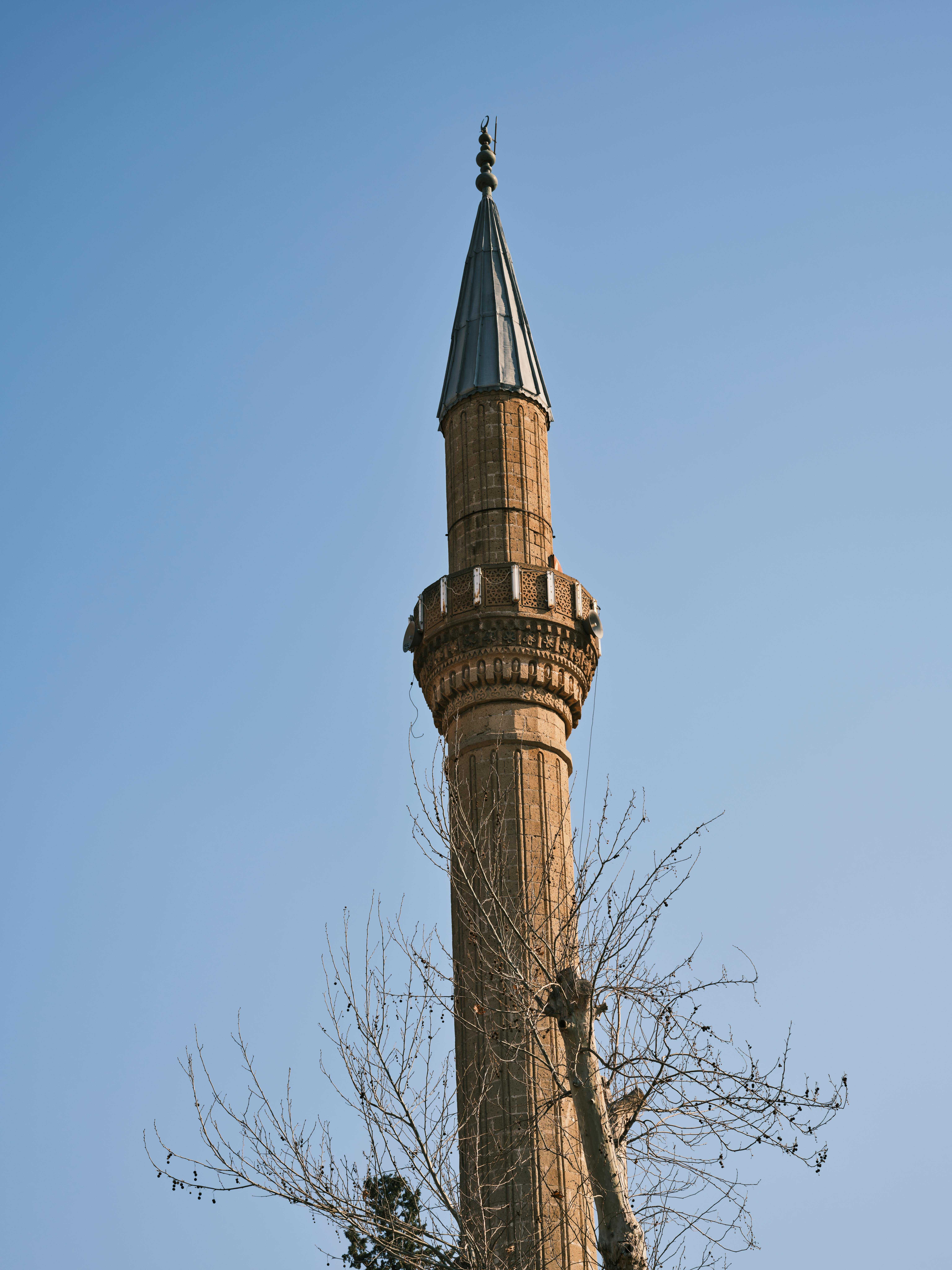
Nawá
· SY

Nawá

Nawa, Dar'a, Syria

Unfortunately, promoting tourism to Nawá, Syria, at this time would be irresponsible and potentially dangerous. The ongoing civil war in Syria has caused widespread destruction and instability throughout the country, and…

#Nawá#Dar'a#Syria#Middle East#War-torn
1/5

Top hotels & flights

Hand-picked stays and the best fares into Nawá.

Top Hotels in Nawá

Top Flights to Nawá

Location videos

Real reels from travelers, plus longer watches to get the full picture.

From travelers
Watch & explore

Practical info

The essentials for planning your time in Nawá.

Currency
£S | SYP | Syrian Pound
Population
Not Available
Languages
Náhuatl, Spanish
Average weather
Nawá
Jan
sun
27°18°
Feb
sun
28°19°
Mar
sun
30°21°
Apr
hot
32°23°
May
hot
34°25°
Jun
rain
33°25°
Jul
rain
31°24°
Aug
rain
31°24°
Sep
rain
31°24°
Oct
cloud
30°22°
Nov
clear
28°20°
Dec
clear
27°18°

Local guide

What travelers love, what to watch for, and a deeper read on Nawá.

What people love

Information not available.

What to know

Traveling to Nawá, located in the Dar'a Governorate of Syria, presents several significant challenges and potential risks. Here are some of the cons to consider:

  1. Security Risks: Syria has been experiencing ongoing civil conflict since 2011. While the intensity of the conflict has varied over time and by region, areas like Dar'a have seen significant unrest. Travelers may face risks from armed conflict, terrorism, and civil unrest.

  2. Safety Concerns: The presence of unexploded ordnance and landmines in some areas poses a severe risk to safety. Additionally, the infrastructure in some regions may be damaged or insufficient, affecting transportation and emergency services.

  3. Travel Restrictions: Many countries have issued travel advisories against traveling to Syria due to the volatile security situation. Visitors might find it challenging to get travel insurance, and consular support may be limited.

  4. Limited Services: Due to the conflict, there may be limited access to basic services such as healthcare, electricity, and clean water. Accommodation options may be scarce or not up to international standards.

  5. Communication Barriers: Internet and mobile phone services might be unreliable or disrupted. Language barriers can also pose challenges, as Arabic is the primary language spoken in the region.

  6. Humanitarian Concerns: The ongoing conflict has led to a humanitarian crisis, with significant portions of the population displaced and in need of aid. This situation can impact the availability of resources for travelers.

  7. Cultural and Political Sensitivities: Travelers need to be aware of and sensitive to the cultural and political dynamics of the region, which may be complex and potentially volatile.

Overall, due to these significant challenges and risks, traveling to Nawá or other parts of Syria is generally not recommended without careful consideration and thorough risk assessment.

Nawá is a town located in the Daraa Governorate in southwestern Syria. The town has a long history, although detailed historical records are limited. Here is an overview of what is known about Nawá:

  1. Ancient History: Nawá is situated in a region with a rich ancient history, part of the broader Levant area that has been inhabited for thousands of years. It likely has roots going back to ancient civilizations that occupied the region, although specific ancient historical records about Nawá are sparse.

  2. Classical Era: During the Roman and Byzantine periods, the area around Nawá was part of the Provincia Arabia, an important frontier region of the Roman Empire. The region saw the construction of roads, cities, and fortifications, but Nawá itself does not have well-documented events from this era.

  3. Islamic Era: With the spread of Islam, the area became part of the rapidly expanding Islamic Caliphates. Nawá's historical significance during the early Islamic period is not well-documented, but the region was generally under Muslim control for centuries, later becoming part of the Ottoman Empire.

  4. Ottoman Period: During Ottoman rule, which lasted from the early 16th century until the end of World War I, Nawá was part of the Ottoman administrative divisions. The Ottomans implemented various administrative reforms, but Nawá remained a relatively small and rural settlement.

  5. Modern Era and the Syrian Civil War: Nawá gained more prominence in recent history due to its involvement in the Syrian Civil War. The town has been a site of conflict between government forces and opposition groups. In the context of the war, Nawá has changed hands several times and experienced significant turmoil and displacement of its population.

  6. Significant Events: In July 2018, Nawá was one of the last towns in the Daraa Governorate to be retaken by the Syrian government forces during a major offensive against rebel-held areas in southern Syria. This event marked a significant point in the Syrian government's efforts to regain control over all parts of the country.

  7. Landmarks: Nawá does not have widely recognized historical landmarks of significant fame on a global scale. However, like many towns in Syria, it likely has local mosques, markets, and residential areas that serve as community focal points.

  8. Cultural and Demographic Aspects: Nawá, being part of the Daraa region, is predominantly inhabited by Sunni Muslims, which reflects the broader demographic composition of the governorate.

Overall, while Nawá has been part of significant regional and historical developments, detailed historical records are limited, especially regarding ancient and medieval periods. The town's most notable recent history is tied to the events of the Syrian Civil War.