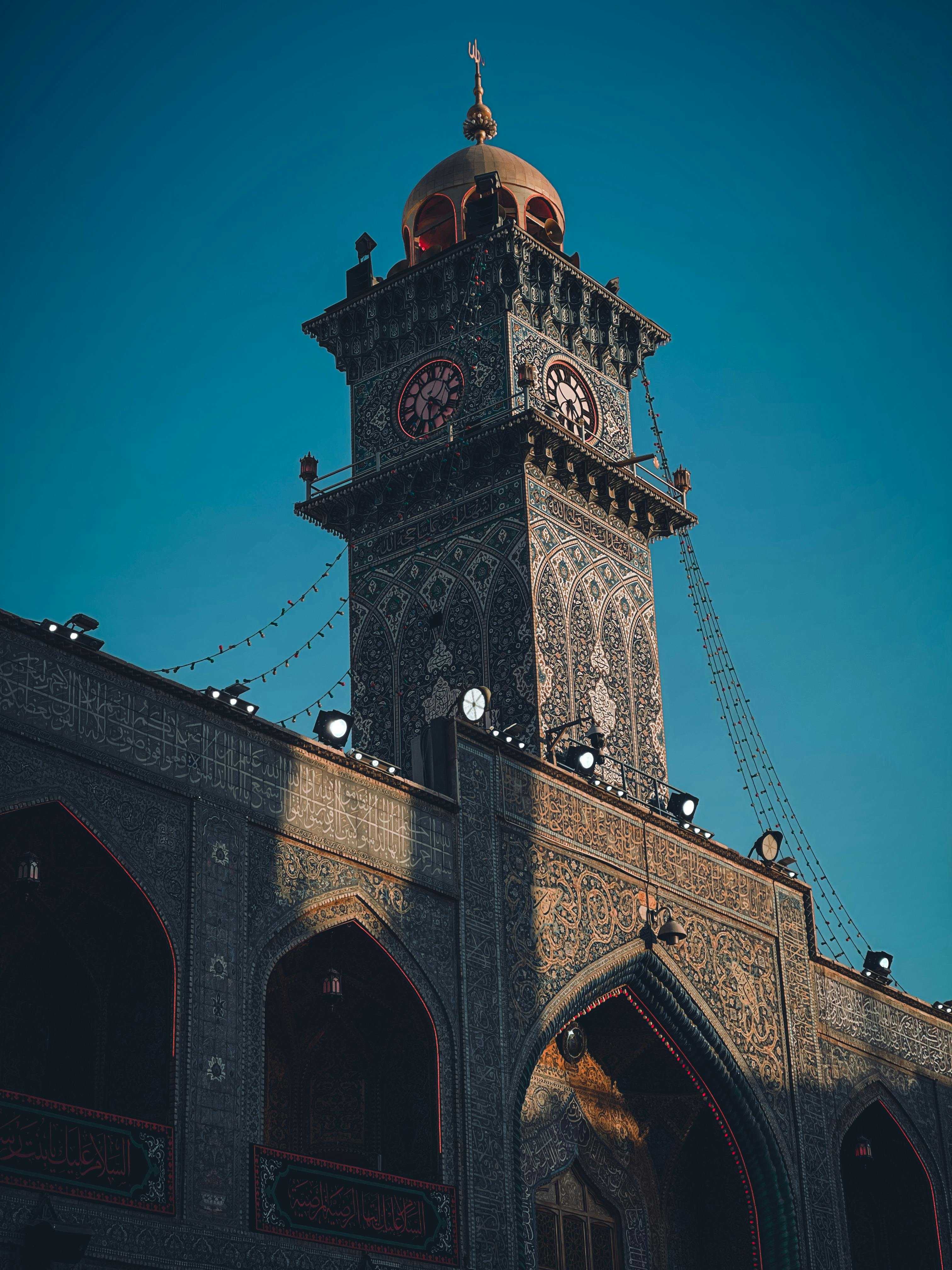

Najafābād
· IR

Najafābād

Najafābād, Eşfahān, Iran

Discover the Hidden Gem of Najafabad, Iran Nestled amidst the arid beauty of central Iran, Najafabad offers a captivating blend of history, culture, and natural splendor. Often overlooked on the tourist trail, this charm…

#Najafābād#Eşfahān#Iran#City#Historic
1/3

Top hotels & flights

Hand-picked stays and the best fares into Najafābād.

Top Hotels in Najafābād

Top Flights to Najafābād

Location videos

Real reels from travelers, plus longer watches to get the full picture.

From travelers
Watch & explore

Practical info

The essentials for planning your time in Najafābād.

Currency
﷼ | IRR | Iranian Rial
Population
Information not available.
Languages
Persian, Persian
Average weather
Najafābād
Jan
cold
8°-1°
Feb
cold
11°1°
Mar
cloud
16°5°
Apr
clear
22°10°
May
sun
28°15°
Jun
hot
34°20°
Jul
hot
37°23°
Aug
hot
36°22°
Sep
clear
32°17°
Oct
clear
25°11°
Nov
cloud
16°5°
Dec
cold
10°1°

Local guide

What travelers love, what to watch for, and a deeper read on Najafābād.

What people love

Najafābād, located in the Isfahan Province of Iran, is a city that offers a unique experience for travelers interested in exploring Iranian culture, history, and local life. Here are some potential pros of traveling to Najafābād:

  1. Cultural Experience: Najafābād provides an opportunity to experience authentic Iranian culture and traditions. The city is less touristy compared to larger cities like Isfahan, which allows for a more genuine interaction with local people and customs.

  2. Historical Significance: While not as famous as Isfahan, Najafābād has its own historical sites and architecture. Exploring these can provide insights into the region's history and development.

  3. Proximity to Isfahan: Najafābād is located relatively close to Isfahan, one of Iran's most famous cities, known for its stunning Islamic architecture, including the Imam Square and Sheikh Lotfollah Mosque. This proximity allows travelers to easily visit Isfahan's attractions while staying in a quieter location.

  4. Local Cuisine: Visitors have the chance to taste local Iranian dishes specific to the region. Trying traditional Persian food in a local setting can be a highlight of the trip.

  5. Friendly Locals: Smaller cities in Iran are often noted for their friendly and hospitable residents, and Najafābād is no exception. Travelers can expect warm interactions and possibly even invitations for tea or meals.

  6. Handicrafts and Shopping: The region may offer local handicrafts that are unique to the area, providing opportunities to purchase authentic souvenirs.

  7. Natural Beauty: The surrounding region of Isfahan Province has beautiful landscapes and natural sites to explore, including mountains and traditional villages.

While Najafābād itself may not be a major tourist destination, these aspects can make it an appealing stop for those interested in an in-depth cultural experience in Iran.

What to know

Information not available.

Najafābād is a city located in the Isfahan Province of Iran. It is one of the major cities in this province and is situated to the west of the city of Isfahan. Historically, Najafābād has been known for its agricultural products, especially pomegranates and grapes.

Historical Overview

  1. Foundation and Early History: Najafābād was founded during the Safavid dynasty, which ruled from 1501 to 1736. Shah Abbas I, one of the most prominent rulers of the Safavid dynasty, is credited with its establishment. The city was developed as part of Shah Abbas's project to create a network of cities that would support Isfahan, which was the capital at the time.

  2. Safavid Era: During the Safavid era, Najafābād grew in importance due to its strategic location and its contribution to the agricultural output of the region. The city was part of the network of towns that were developed to increase the economic prosperity of the Safavid Empire.

  3. Qajar and Pahlavi Eras: In the subsequent centuries, particularly during the Qajar and Pahlavi dynasties, Najafābād continued to thrive as a regional center. The development of road networks and the advent of more modern forms of governance and infrastructure during these periods further integrated Najafābād into the broader economic and political systems of Iran.

  4. Contemporary Period: In modern times, Najafābād has become known for its educational institutions and cultural contributions to the region. It has developed significantly in terms of infrastructure and continues to be an important agricultural hub.

Significant Figures

  • Ayatollah Hossein Ali Montazeri: One of the most notable figures associated with Najafābād is Ayatollah Hossein Ali Montazeri, who was a prominent theologian and political figure in Iran. He was initially designated as the successor to Ayatollah Khomeini but later fell out of favor due to his criticisms of the Iranian government. Montazeri was known for his advocacy for human rights and his opposition to governmental oppression.

Important Landmarks

  • Najafabad Bazaar: Like many traditional Iranian cities, Najafābād has a historical bazaar that serves as a center of commerce and social interaction. The bazaar reflects the city's historical role as a trading and agricultural hub.

  • Jameh Mosque of Najafabad: The city's central mosque is another significant landmark. It embodies traditional Persian architectural styles and serves as an important place of worship and community gathering.

  • Montazeri's House: The house of Ayatollah Montazeri has become a site of interest due to his historical significance.

While Najafābād may not have the same level of international recognition as some other Iranian cities, it plays an important role in the cultural and historical tapestry of the Isfahan province. The city’s development over the centuries reflects broader trends in Iranian history, from the Safavid era to the modern Islamic Republic.