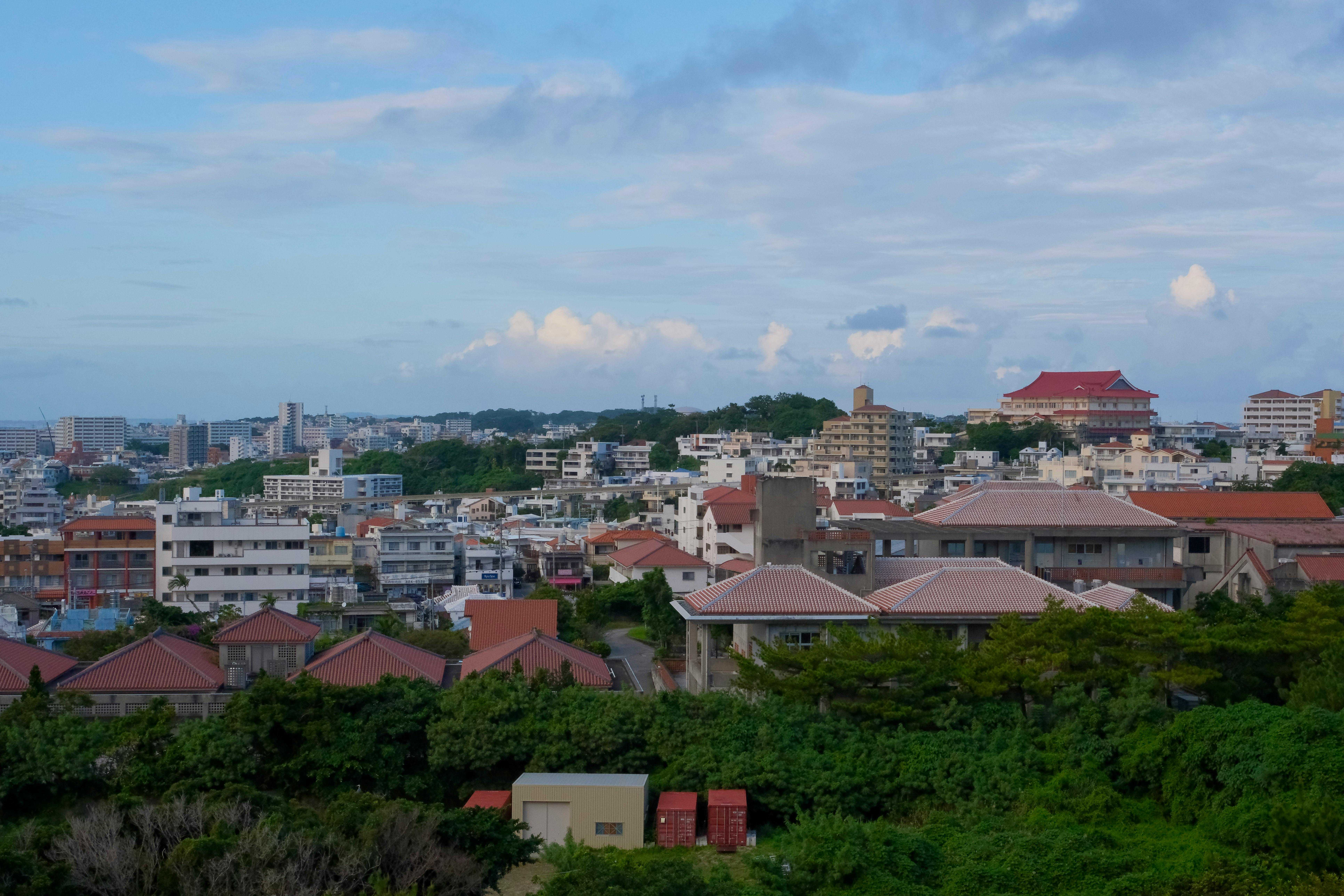

Naha
· JP

Naha

Naha, Okinawa, Japan

Discover Naha: Okinawa's Vibrant Capital Naha, the bustling capital of Okinawa, Japan, offers a unique blend of history, culture, and island charm. Nestled on the southern coast of Okinawa Island, Naha welcomes visitors …

#Naha#Okinawa#Japan#beaches#historic sites
1/3

Top hotels & flights

Hand-picked stays and the best fares into Naha.

Top Hotels in Naha

Top Flights to Naha

Location videos

Real reels from travelers, plus longer watches to get the full picture.

From travelers
Watch & explore

Practical info

The essentials for planning your time in Naha.

Currency
¥ | JPY | Japanese Yen
Population
Not Available
Languages
Japanese, Okinawan
Average weather
Naha
Jan
cloud
19°14°
Feb
cloud
19°14°
Mar
cloud
21°16°
Apr
rain
24°19°
May
rain
26°22°
Jun
rain
29°25°
Jul
hot
31°26°
Aug
hot
31°26°
Sep
rain
30°25°
Oct
rain
28°23°
Nov
cloud
25°20°
Dec
cloud
21°16°

Local guide

What travelers love, what to watch for, and a deeper read on Naha.

What people love

Naha, located in Okinawa, Japan, has several pros for travelers:

  1. Rich History and Culture: Naha is the capital city of Okinawa Prefecture and is steeped in history and culture. Visitors can explore historical sites such as Shurijo Castle, which was once the royal palace of the Ryukyu Kingdom.

  2. Beautiful Beaches: Okinawa is known for its stunning beaches with crystal-clear waters and white sand. Naha is a great base for exploring some of these beautiful beaches, such as Naminoue Beach and Sunset Beach.

  3. Local Cuisine: Okinawan cuisine is unique and delicious, with influences from Japan, China, and Southeast Asia. Naha is a great place to sample local dishes such as Okinawa soba, taco rice, and goya champuru.

  4. Shopping and Entertainment: Naha offers a range of shopping opportunities, from traditional markets like Makishi Public Market to modern shopping malls like Kokusai Dori. The city also has a vibrant nightlife scene with bars, restaurants, and live music venues.

  5. Easy Access to Other Islands: Naha is a transportation hub with easy access to other islands in the Okinawa Prefecture, such as Ishigaki and Miyako. This makes it a convenient base for island-hopping adventures.

Overall, traveling to Naha offers a mix of history, culture, natural beauty, and culinary delights, making it a great destination for a memorable vacation.

What to know

Traveling to Naha, located in Okinawa, Japan, may have some cons that are worth considering:

  1. Weather: Naha experiences a subtropical climate with hot and humid summers, and occasional typhoons during the summer and early fall. This might affect outdoor activities and sightseeing plans.

  2. Language Barrier: While many people in Naha might speak some English, the primary language is Japanese. Communication might be a challenge, especially in more remote areas.

  3. Cost of Living: Okinawa, including Naha, can be more expensive compared to other parts of Japan. Accommodation, dining, and transportation costs might be higher.

  4. Crowds: Naha is a popular tourist destination, especially during peak seasons. Expect crowded attractions and busy streets, which can impact your overall travel experience.

  5. Limited Public Transportation: While Naha has public transportation options like buses and monorail, they might not cover all areas, and schedules could be limited.

  6. Cultural Differences: Okinawa has a unique culture and history distinct from mainland Japan. Some travelers might find it challenging to adapt to these cultural differences.

  7. Health Concerns: Like any other destination, travelers should be aware of potential health risks such as mosquito-borne diseases or food-related illnesses.

It's important to note that these cons are general considerations and might not apply to every traveler's experience. Researching and planning ahead can help mitigate some of these challenges.

Naha, the capital city of Okinawa Prefecture in Japan, has a rich and complex history that stretches back centuries. It is located on the southern part of Okinawa Island, which is the largest in the Ryukyu Islands chain. Here is a detailed history of Naha:

Early History

  • Ryukyu Kingdom Era (1429–1879): Naha was a major port city and commercial center during the Ryukyu Kingdom period. It played a significant role in regional trade, particularly with China, Japan, Korea, and Southeast Asia. The Ryukyu Kingdom was a tributary state of China, and this relationship greatly influenced its culture and political structure.
  • Shuri Castle: Located near Naha, Shuri Castle was the royal palace of the Ryukyu Kingdom. It served as the political and religious center of the kingdom. The castle is a UNESCO World Heritage site and has been reconstructed multiple times, most recently after a fire in 2019.

Meiji Restoration and Annexation

  • Annexation by Japan (1879): In the late 19th century, during the Meiji Restoration, Japan formally annexed the Ryukyu Kingdom, transforming it into Okinawa Prefecture. This led to significant changes in governance, culture, and economics.

World War II

  • Battle of Okinawa (1945): One of the most significant events in Naha's history was the Battle of Okinawa during World War II. It was one of the bloodiest battles in the Pacific Theater, resulting in massive destruction and loss of life. Naha was heavily bombed and largely destroyed during the battle.

Post-War Era

  • U.S. Occupation (1945–1972): After the war, Okinawa, including Naha, was under U.S. military occupation until 1972. During this time, the U.S. established several military bases on the island, which continue to be a point of contention and cultural exchange.

Reversion to Japan

  • Reversion (1972): Okinawa was returned to Japanese control in 1972. Since then, Naha has undergone significant redevelopment and modernization.

Modern Naha

  • Economy and Culture: Today, Naha is a vibrant city known for its unique blend of Ryukyu and Japanese culture. It is a tourist destination with attractions such as the Naha Kokusai Dori (International Street), Shurijo Castle Park, and the Okinawa Prefectural Museum & Art Museum.
  • Cultural Festivals: The city hosts several cultural festivals, including the Naha Tug-of-War Festival, which is recognized by the Guinness World Records as the largest tug-of-war event.

Significant Landmarks

  • Shurijo Castle: As mentioned earlier, it is a symbol of the Ryukyu Kingdom's history and a UNESCO World Heritage site.
  • Naminoue Shrine: A Shinto shrine located atop a cliff overlooking the sea, significant both spiritually and historically.
  • Tamaudun Mausoleum: The royal mausoleum of the Ryukyu Kingdom, another UNESCO World Heritage site.

Historical Figures

  • Sho Hashi: The first king of the unified Ryukyu Kingdom, who established the Ryukyu Kingdom's first capital in Shuri, near Naha.
  • Sho Tai: The last king of the Ryukyu Kingdom before its annexation by Japan.

Naha continues to play a critical role as the political, economic, and cultural hub of Okinawa Prefecture, balancing its historical heritage with modern development.