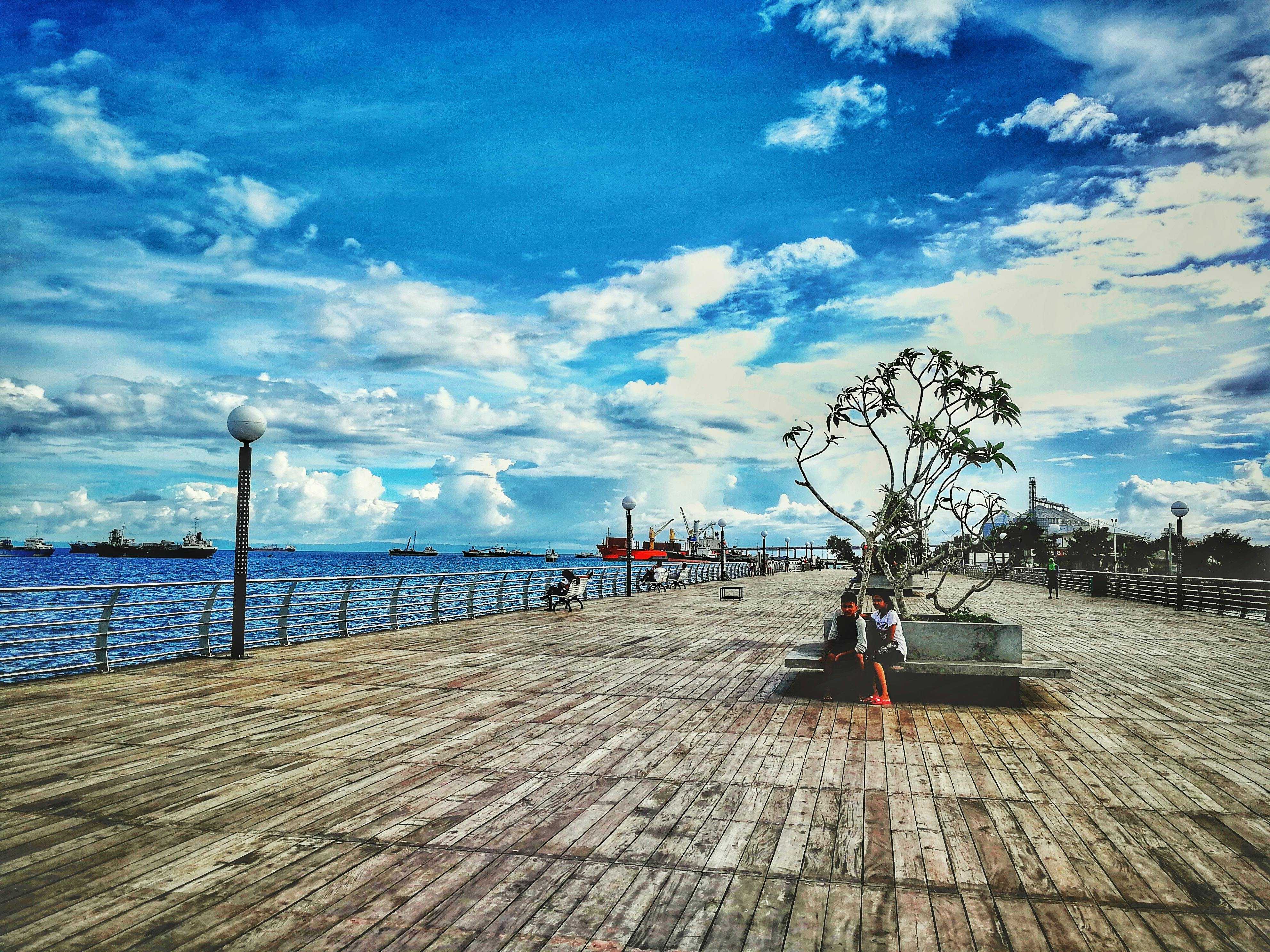

Naga City
· PH

Naga City

Naga City, Naga, Philippines

Discover the Heart of Bicol: Naga City, Philippines Naga City, nestled in the heart of the Bicol region, offers a captivating blend of history, culture, and natural beauty. Known as the "Pilgrim City", Naga is a vibrant …

#Naga City#Philippines#Bicol Region#Historic#Cultural
1/1

Top hotels & flights

Hand-picked stays and the best fares into Naga City.

Top Hotels in Naga City

Top Flights to Naga City

Location videos

Real reels from travelers, plus longer watches to get the full picture.

From travelers
Watch & explore

Practical info

The essentials for planning your time in Naga City.

Currency
₱ | PHP | Philippine Peso
Population
342769.0
Average weather
Naga City
Jan
rain
30°22°
Feb
rain
31°22°
Mar
sun
32°23°
Apr
sun
33°24°
May
rain
33°25°
Jun
rain
32°25°
Jul
rain
31°25°
Aug
rain
31°25°
Sep
rain
31°25°
Oct
rain
31°24°
Nov
rain
31°24°
Dec
rain
30°23°

Local guide

What travelers love, what to watch for, and a deeper read on Naga City.

What people love

Naga City, located in the Philippines, offers a unique and culturally rich travel experience for visitors. Here are some of the pros of traveling to Naga City:

  1. Religious and Cultural Sites: Naga City is known for its strong religious and cultural heritage. Visitors can explore significant sites such as the Naga Metropolitan Cathedral, Our Lady of Peñafrancia Basilica Minore, and the historic Naga City Hall.

  2. Festivals: Naga City is famous for the Peñafrancia Festival, one of the largest Marian pilgrimages in Asia. The festival, held in September, attracts thousands of devotees and tourists who come to witness the colorful processions and cultural performances.

  3. Culinary Delights: Naga City is a food lover's paradise, offering a variety of local dishes and delicacies. Don't miss trying the iconic dishes like Bicol Express (spicy pork dish), laing (taro leaves cooked in coconut milk), and kinunot (shark meat cooked in coconut milk).

  4. Natural Attractions: Naga City is surrounded by natural beauty, including stunning waterfalls, hot springs, and beaches. Visit Malabsay Falls, Panicuason Hot Springs, and Bagasbas Beach for a relaxing and scenic getaway.

  5. Warm Hospitality: The people of Naga City are known for their warm and welcoming nature. Visitors can experience the genuine hospitality of the locals and immerse themselves in the community's vibrant culture.

Overall, traveling to Naga City offers a blend of religious, cultural, culinary, and natural experiences that make it a worthwhile destination for travelers seeking an authentic Philippine experience.

Enjoy your trip to Naga City!

What to know

There are a few potential cons to consider when traveling to Naga City in the Philippines:

  1. Weather: Naga City experiences a tropical climate with high humidity and frequent rainfall, especially during the wet season from June to November. Travelers may need to adjust their plans accordingly and pack appropriate clothing for the weather.

  2. Traffic congestion: Like many urban areas in the Philippines, Naga City can experience traffic congestion, especially during peak hours. This may affect travel times and transportation options within the city.

  3. Language barrier: While English is widely spoken in the Philippines, especially in tourist areas, there may still be some language barriers when communicating with locals in Naga City. Learning a few basic phrases in Filipino (the national language) can be helpful.

  4. Safety concerns: As with any travel destination, it's important to remain vigilant and aware of your surroundings in Naga City. Petty theft and scams can occur, so travelers should take precautions to protect their belongings and personal safety.

  5. Limited tourist infrastructure: Naga City may not have as many tourist amenities and services compared to more popular tourist destinations in the Philippines. Travelers should plan ahead and be prepared for potentially limited options for accommodations, dining, and activities.

Overall, while Naga City has much to offer visitors in terms of culture, history, and natural beauty, travelers should be aware of these potential cons and plan accordingly for a smooth and enjoyable trip.

Naga City, located in the province of Camarines Sur in the Philippines, has a rich and vibrant history. Here is a detailed account of its historical background, significant events, historical figures, and important landmarks:

Early History and Spanish Colonial Period

  • Pre-Colonial Era: Before Spanish colonization, the area where Naga City is located was already a significant settlement. It was known as "Naga" after the narra trees that were abundant in the region.

  • Spanish Colonization: In 1573, the Spanish conquistador Juan de Salcedo arrived in the region. Naga became one of the centers of Spanish colonization in the Bicol region. The city was originally named "Ciudad de Nueva Cáceres" in 1575 by Captain Pedro de Chavez, named after the birthplace of the then Spanish governor-general of the Philippines, Francisco de Sande, who was from Cáceres, Spain.

  • Religious Influence: The city became a religious center when the Diocese of Nueva Cáceres was established in 1595, making it one of the oldest dioceses in the Philippines. This marked the beginning of Naga's role as a focal point for Catholicism in the region.

19th Century and the Philippine Revolution

  • Economic Development: Throughout the 19th century, Naga served as the center of commerce and trade in the Bicol region, with agriculture as its main economic activity.

  • Philippine Revolution: During the Philippine Revolution against Spain in the late 19th century, Naga was an active site of resistance. The city's citizens participated in the Bicol Rebellion and contributed to the eventual overthrow of Spanish rule.

American Period and World War II

  • American Rule: Under American colonization, Naga continued to grow. The Americans established public schools and infrastructure, which led to increased educational and economic opportunities for the locals.

  • World War II: During World War II, Naga was occupied by Japanese forces. The city suffered significant damage, and many locals joined the guerrilla movement to resist the occupation.

Post-War Period and Cityhood

  • Independence and Reconstruction: After the war, Naga began rebuilding and eventually became a city on June 18, 1948, through Republic Act No. 305. The name was shortened from Nueva Cáceres to Naga.

  • Economic and Cultural Hub: In the latter half of the 20th century, Naga solidified its role as the economic and cultural center of the Bicol region.

Contemporary Naga

  • Peñafrancia Festival: One of the most significant cultural and religious events in Naga is the annual Peñafrancia Festival, which honors Our Lady of Peñafrancia, the patroness of Bicol. It attracts thousands of pilgrims and tourists every September.

  • Landmarks: Key landmarks in the city include the Naga Metropolitan Cathedral, the oldest cathedral in Luzon outside Metro Manila, and the Basilica Minore of Our Lady of Peñafrancia, a major pilgrimage site.

  • Historical Figures: Among the notable figures associated with Naga is Jesse Robredo, who served as mayor of Naga City for six terms and was known for his transformative governance. He later became the Secretary of the Interior and Local Government until his untimely death in 2012.

Modern Developments

  • Educational Institutions: Naga is home to major educational institutions such as Ateneo de Naga University and the University of Nueva Caceres, which play a crucial role in the educational landscape of the region.

  • Economic Growth: Today, Naga continues to thrive as a hub of commerce, education, and culture in the Bicol region, maintaining its historical charm while embracing modernity.

This history encapsulates the significant developments of Naga City, highlighting its transformation from a pre-colonial settlement to a modern urban center.