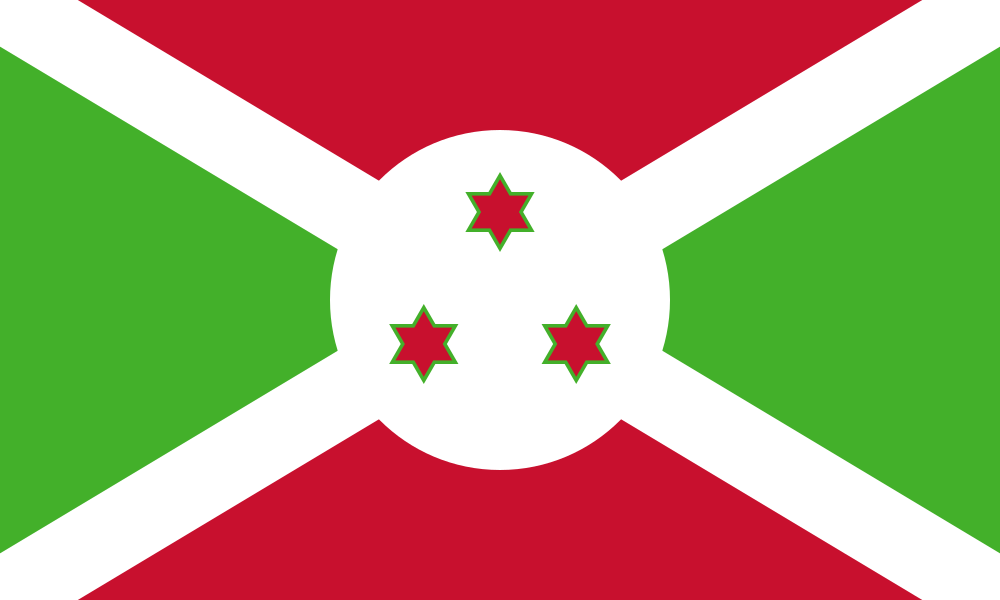
Muramvya, located in the central region of Burundi, holds significant historical and cultural importance in the country. Historically, it has been one of the royal cities in Burundi and a center of power and influence.
Historical Significance:
-
Royal Capital: Muramvya was one of the traditional capitals of the Burundian monarchy. It was a site where the kings (Mwami) of Burundi resided and ruled. The region is associated with the royal court and is known for its historical ties to the monarchy, which played a crucial role in the governance and cultural life of the Burundian people.
-
Colonial Era: During the German and later Belgian colonial periods, Muramvya, like other parts of Burundi, underwent significant changes. The colonial powers influenced the political and social structures, impacting the traditional systems that were in place.
-
Independence and Post-Independence: With Burundi's independence from Belgium in 1962, Muramvya continued to be an important region, although the abolition of the monarchy in 1966 marked the end of its status as a royal center.
Historical Figures:
- Mwami (Kings): Various kings ruled from Muramvya, but specific notable figures include King Mwambutsa IV, who reigned during the transition from colonial rule to independence.
Important Landmarks:
-
Royal Sites: There are traditional sites associated with the monarchy, which hold cultural and historical value. These sites may include royal residences, burial grounds, and places of traditional ceremonies.
-
Natural Beauty: Muramvya is located in a region of Burundi known for its hilly landscape and natural beauty, attracting visitors interested in ecotourism and hiking.
-
Cultural Heritage: The region is rich in traditional Burundian culture, including music, dance, and crafts, reflecting its historical importance as a cultural center.
Cultural Significance:
Muramvya remains a symbol of Burundi’s royal past and cultural heritage. Efforts to preserve and promote this heritage continue as part of broader initiatives to foster national identity and pride.
In summary, Muramvya is a region steeped in history, particularly as a former royal capital. Its cultural and historical landmarks continue to be of great significance to the people of Burundi.