
Mulhouse
· FR

Mulhouse

Mulhouse, Grand Est, France

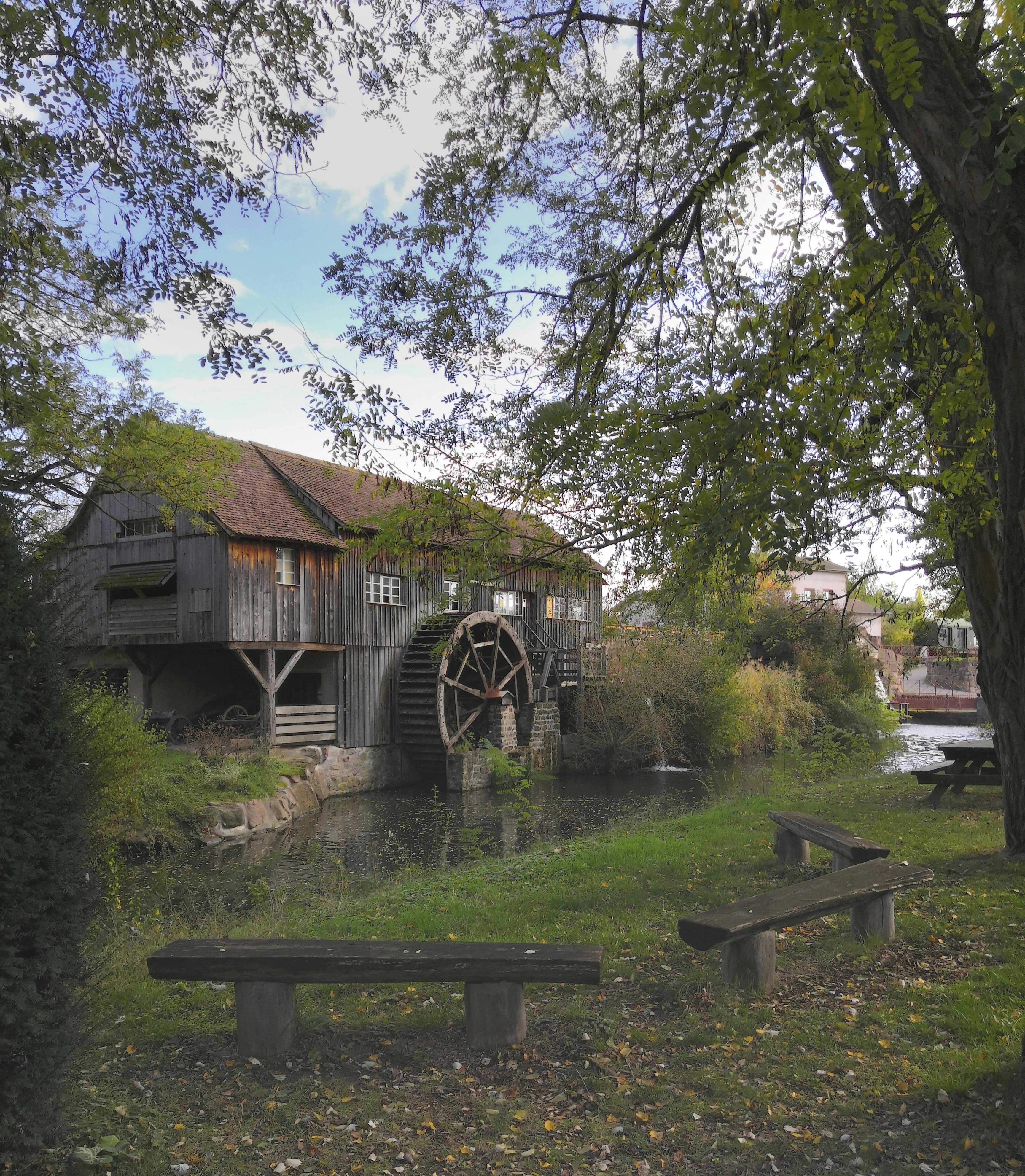
Mulhouse: Where Industrial Heritage Meets Artistic Innovation Nestled in the heart of the Alsace region, Mulhouse (Grand Est, France) is a city that effortlessly blends its industrial past with a vibrant, forward-thinkin…

#Mulhouse#Grand Est#France#Historic city#Cultural attractions
1/2

Top hotels & flights

Hand-picked stays and the best fares into Mulhouse.

Top Hotels in Mulhouse

Top Flights to Mulhouse

Location videos

Real reels from travelers, plus longer watches to get the full picture.

From travelers
Watch & explore

Practical info

The essentials for planning your time in Mulhouse.

Currency
€ | EUR | Euro
Population
112,000
Languages
French, French, German, Alsatian
Average weather
Mulhouse
Jan
cold
4°-1°
Feb
cold
6°0°
Mar
cloud
11°2°
Apr
rain
15°5°
May
rain
19°9°
Jun
sun
23°13°
Jul
sun
26°15°
Aug
sun
26°14°
Sep
cloud
21°11°
Oct
cloud
15°7°
Nov
rain
9°3°
Dec
cold
5°0°

Local guide

What travelers love, what to watch for, and a deeper read on Mulhouse.

What people love

Mulhouse, located in the Grand Est region of France, has several attractions and features that make it a great travel destination. Here are some of the pros of traveling to Mulhouse:

  1. Mulhouse is known for its rich industrial history, particularly in the textile industry. Visitors can explore the city's industrial heritage through museums like the Cité de l'Automobile (National Museum of the Automobile) and the Cité du Train (French National Railway Museum).

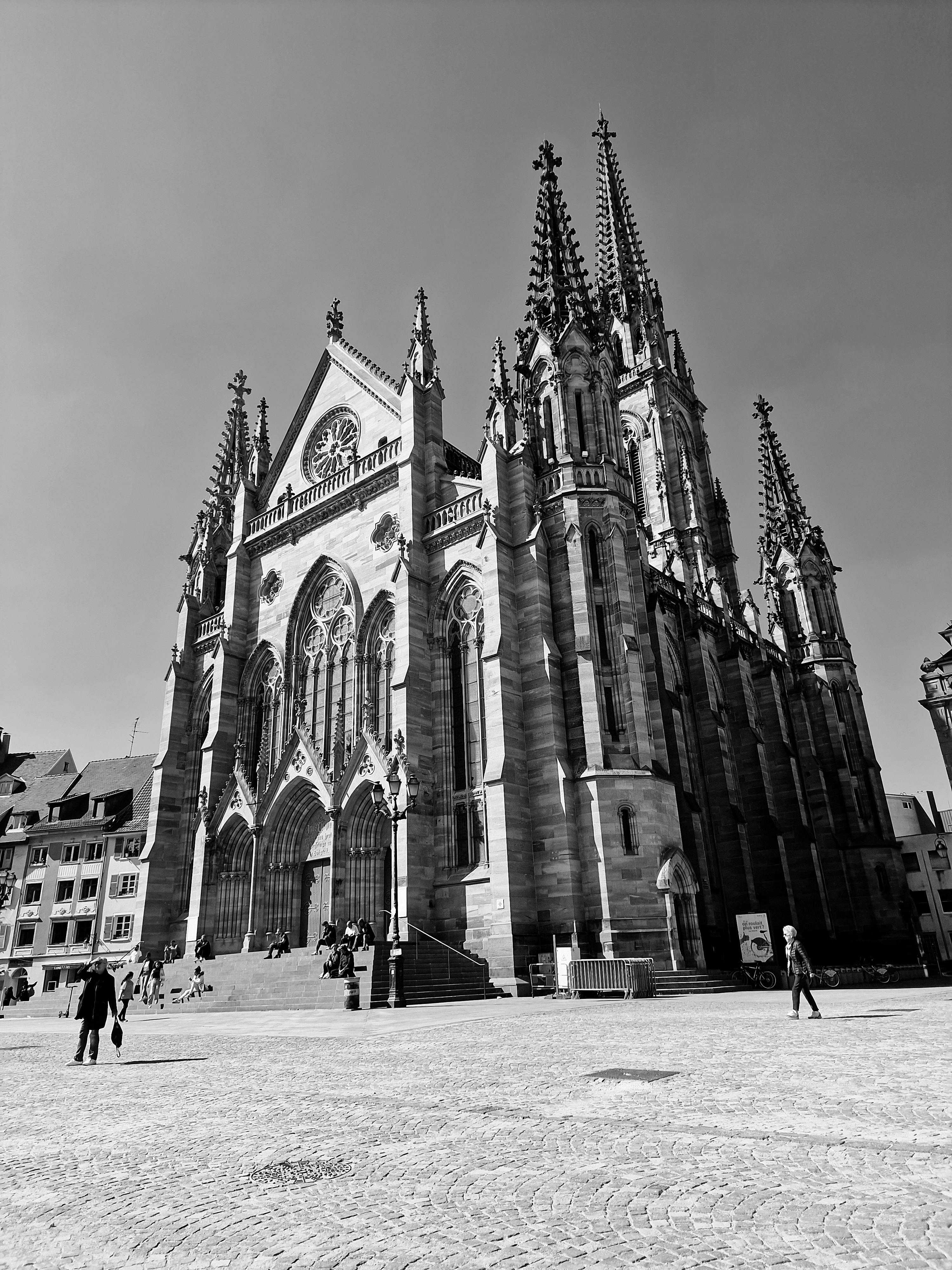
  2. The city is home to beautiful architecture, including the Mulhouse Town Hall and the Temple Saint-Étienne, a stunning Protestant church. Walking around the city, visitors can admire the mix of historic and modern buildings.

  3. Mulhouse is located near the beautiful Vosges Mountains, offering opportunities for outdoor activities such as hiking, biking, and skiing in the winter months. The region is also known for its picturesque vineyards, making it a great destination for wine enthusiasts.

  4. The city hosts various cultural events and festivals throughout the year, celebrating music, art, and local traditions. Visitors can immerse themselves in the vibrant culture of Mulhouse by attending these events.

  5. Mulhouse is well-connected by public transportation, making it easy to explore the city and its surrounding areas. The city also has a diverse culinary scene, with restaurants offering traditional Alsatian cuisine as well as international dishes.

Overall, Mulhouse offers a unique blend of history, culture, and natural beauty, making it a compelling travel destination in the Grand Est region of France.

What to know

Traveling to Mulhouse, located in Grand Est, France, may have some potential cons to consider:

  1. Weather: The weather in Mulhouse can be unpredictable, with cold winters and hot summers. Travelers may need to pack accordingly and be prepared for varying weather conditions.

  2. Language Barrier: While French is the official language in France, not everyone in Mulhouse may speak English fluently. Travelers who do not speak French may face some communication challenges.

  3. Limited Tourist Infrastructure: Mulhouse is not as well-known as other tourist destinations in France, so the city may have limited tourist infrastructure compared to larger cities like Paris or Nice. This could potentially result in fewer amenities and services catered specifically to tourists.

  4. Transportation: While Mulhouse has a public transportation system, it may not be as extensive or convenient as in larger cities. Travelers may need to plan their transportation carefully to get around the city and surrounding areas.

  5. Limited Tourist Attractions: While Mulhouse has some interesting museums and cultural sites, it may not offer as many tourist attractions as other cities in France. Travelers looking for a wide range of activities and sights to see may find Mulhouse to be more limited in this regard.

Overall, while Mulhouse has its own charm and unique attractions, travelers should be aware of these potential cons when planning a trip to the city.

Mulhouse, located in the Grand Est region of France, has a rich history that reflects its unique position in Europe, particularly at the crossroads of French, German, and Swiss cultures.

Early History

  • Roman Era: The area around Mulhouse was inhabited during the Roman times, but little is documented about the city's early history.
  • First Mention: Mulhouse is first mentioned in historical documents in the 12th century, specifically in 803 AD as "Mulinhuson."

Middle Ages

  • City Rights: In the 12th century, Mulhouse was granted city rights.
  • Free Imperial City: By the 13th century, Mulhouse had become a free imperial city within the Holy Roman Empire, allowing it a degree of autonomy.

Renaissance to 18th Century

  • Reformation: In the 16th century, Mulhouse adopted the Protestant Reformation, aligning more closely with the Swiss cantons.
  • Republic of Mulhouse: In 1515, Mulhouse joined the Swiss Confederation as an associate, becoming a republic that maintained its independence for several centuries.

19th Century

  • Annexation to France: In 1798, during the French Revolutionary Wars, Mulhouse voted to join the French Republic, leaving the Swiss Confederation.
  • Industrialization: The 19th century saw Mulhouse rise as a major industrial center, particularly in textiles. It became known as the "Manchester of France" due to its booming cotton industry.

20th Century

  • World Wars: Mulhouse, due to its proximity to Germany, changed hands several times during the World Wars. It was part of Germany from 1871 to 1918, then returned to France after World War I, occupied by Nazi Germany during World War II, and liberated by Allied forces in 1944.
  • Post-war Development: After World War II, Mulhouse developed as a hub for education and culture in the Alsace region.

Notable Historical Figures

  • Jean-Jacques Henner: A renowned 19th-century painter born near Mulhouse.
  • Alfred Dreyfus: An infamous figure in French history, known for the Dreyfus Affair, was born in Mulhouse.

Cultural and Historical Landmarks

  • Place de la Réunion: The central square with the historic Town Hall (Hôtel de Ville) dating back to the Renaissance period.
  • Temple Saint-Étienne: A Protestant church with neo-Gothic architecture, located in the Place de la Réunion.
  • Cité de l'Automobile: Also known as the National Automobile Museum, it houses one of the largest collections of cars in the world.
  • Cité du Train: The largest railway museum in Europe, showcasing the history of the French railways.
  • Musée de l’Impression sur Étoffes: A museum dedicated to the history of fabric printing, reflecting Mulhouse's industrial heritage.

Modern Mulhouse

Today, Mulhouse is a city that celebrates its diverse cultural heritage and its industrial past. It continues to be a vital part of the Alsace region, known for its educational institutions and vibrant cultural scene.