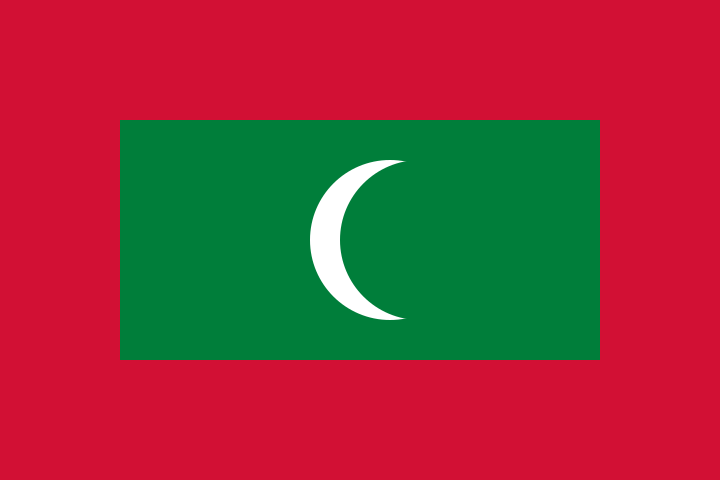
Mula is a small island located in the Maldives, known for its pristine beaches and crystal-clear waters. The history of Mula is deeply intertwined with the broader history of the Maldives archipelago. While specific details about Mula's individual history may be limited, we can provide a general overview of the region.
Significant Events:
-
Colonization: Like many islands in the Maldives, Mula was likely inhabited by early settlers who arrived by sea. The Maldives has a long history of trading with civilizations from around the Indian Ocean region, including Arabs, Persians, and South Asians.
-
Islamic Conversion: The Maldives embraced Islam in the 12th century, and this conversion had a profound impact on the culture and society of the islands, including Mula.
-
British Protectorate: In the 19th century, the Maldives became a British protectorate, which influenced the political and economic landscape of the islands.
Historical Figures:
-
Sultan Mohamed Fareed: He was a prominent ruler of the Maldives who played a key role in modernizing the country in the early 20th century.
-
President Maumoon Abdul Gayoom: Gayoom served as the President of the Maldives for three decades, from 1978 to 2008, and is considered a significant figure in the country's recent history.
Important Landmarks:
-
Mula Mosque: The mosque in Mula is likely a focal point for the local community, serving as a place of worship and social gathering.
-
Beaches: Mula is known for its stunning beaches, which attract tourists from around the world seeking relaxation and natural beauty.
-
Coral Reefs: The waters around Mula are home to vibrant coral reefs, offering opportunities for snorkeling and diving to explore the marine life.
While specific details about Mula may be limited, the island's historical and cultural connections to the broader Maldivian context provide a rich tapestry of heritage and natural beauty for visitors to experience.