
Montbéliard
· FR

Montbéliard

Montbeliard, Bourgogne-Franche-Comte, France

Montbéliard, located in the picturesque region of Bourgogne-Franche-Comté, France, is a charming town that beckons travelers with its rich history and captivating beauty. Steeped in tradition and boasting a unique blend …

#Historic town#French culture#Castle#Christmas market#Industrial heritage
1/11

Top hotels & flights

Hand-picked stays and the best fares into Montbéliard.

Top Hotels in Montbéliard

Top Flights to Montbéliard

Location videos

Real reels from travelers, plus longer watches to get the full picture.

Watch & explore

Practical info

The essentials for planning your time in Montbéliard.

Currency
€ | EUR | Euro
Population
Not Available
Languages
French, French
Average weather
Montbéliard
Jan
snow
4°-1°
Feb
cold
6°0°
Mar
cloud
10°2°
Apr
rain
14°5°
May
cloud
19°9°
Jun
sun
23°13°
Jul
sun
26°15°
Aug
sun
25°14°
Sep
cloud
21°11°
Oct
rain
15°7°
Nov
cloud
8°3°
Dec
snow
4°0°

Local guide

What travelers love, what to watch for, and a deeper read on Montbéliard.

What people love

Montbéliard, located in the Bourgogne-Franche-Comté region of France, offers a charming and picturesque destination for travelers. Here are some of the pros of traveling to Montbéliard:

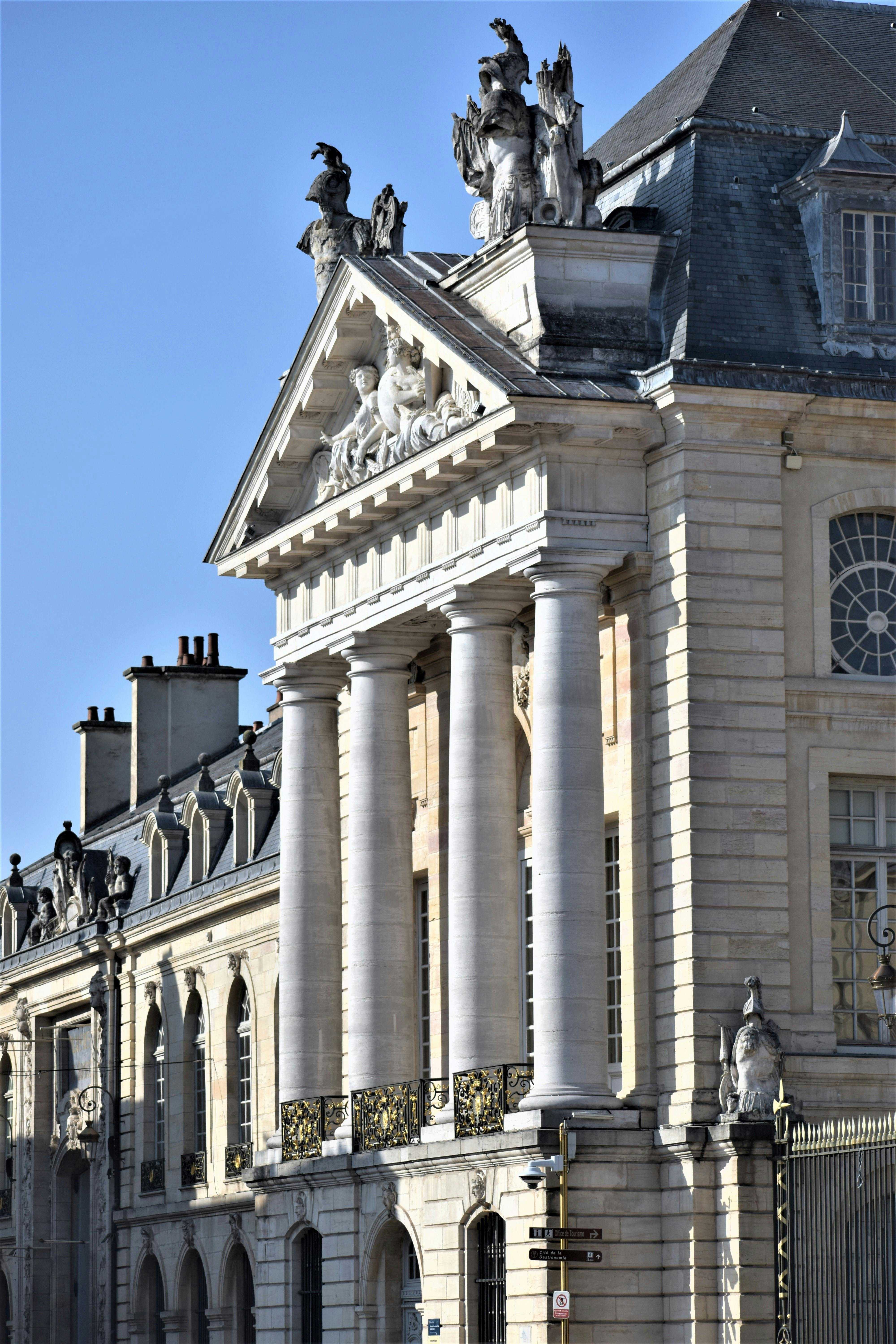
  1. Rich History: Montbéliard has a rich history dating back to the medieval times, with well-preserved architecture and historical sites to explore. The Château de Montbéliard, a beautiful castle overlooking the town, is a must-see attraction.

  2. Cultural Heritage: The town is known for its cultural heritage, with a vibrant arts scene, museums, and festivals that showcase the local traditions and customs. Visitors can immerse themselves in the local culture through music, dance, and culinary experiences.

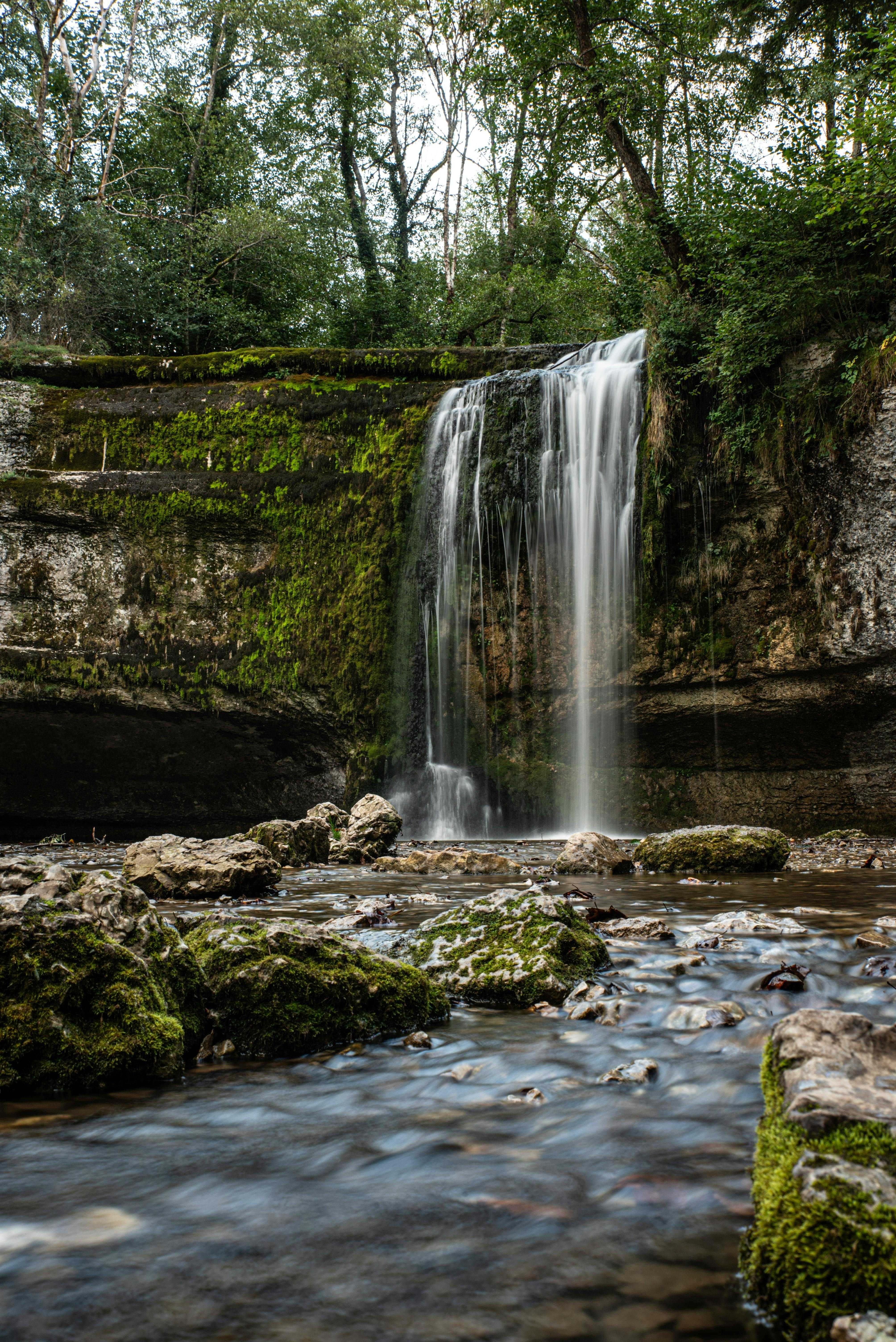
  3. Scenic Beauty: Montbéliard is surrounded by picturesque landscapes, including rolling hills, vineyards, and forests. Outdoor enthusiasts can enjoy hiking, cycling, and exploring the natural beauty of the region.

  4. Gastronomy: The region is renowned for its gastronomy, with delicious local specialties such as Comté cheese, Morteau sausage, and Vin Jaune wine. Visitors can indulge in the local cuisine at charming cafes, restaurants, and markets.

  5. Convenient Location: Montbéliard is conveniently located near other popular destinations in France, such as Besançon and Belfort. It serves as a great base for exploring the Bourgogne-Franche-Comté region and beyond.

Overall, Montbéliard offers a unique blend of history, culture, natural beauty, and gastronomy, making it a delightful destination for travelers seeking an authentic French experience.

What to know

Montbéliard is actually located in the region of Bourgogne-Franche-Comté in eastern France, not in the town of Montbéliard. Montbéliard itself is a charming town with many attractions and a rich history. However, like any destination, there may be some cons to traveling to Montbéliard. Here are some potential drawbacks to consider:

  1. Limited transportation options: Montbéliard is not a major transportation hub, so getting there may require multiple connections or limited options for travel.

  2. Language barrier: While many people in Montbéliard may speak English, the primary language is French. If you are not fluent in French, communication may be a challenge.

  3. Seasonal limitations: Some attractions in Montbéliard may have limited opening hours or be closed during certain seasons. It's important to check ahead of time to avoid disappointment.

  4. Limited nightlife: Montbéliard is a smaller town, so the nightlife options may be more limited compared to larger cities.

  5. Possible lack of diversity in cuisine: While French cuisine is renowned worldwide, there may be limited options for international or diverse cuisines in Montbéliard.

Overall, Montbéliard is a beautiful destination with much to offer, but it's important to be aware of these potential cons to ensure a smooth and enjoyable trip.

Montbéliard is a town located in the Bourgogne-Franche-Comté region of eastern France. It has a rich history that dates back to the Middle Ages and has been influenced by various cultures and political changes over the centuries.

Early History

  • Medieval Period: Montbéliard was first mentioned in historical records in the 10th century. It became the seat of a county in the Holy Roman Empire and was ruled by the Counts of Montbéliard.

House of Württemberg

  • 1397: Montbéliard entered into a significant phase when it came under the control of the House of Württemberg, a German ducal family. This association lasted for several centuries and left a lasting impact on the town's culture and architecture.
  • Protestant Reformation: The influence of the Württemberg family, who were Protestant, led to Montbéliard becoming a Protestant enclave in a predominantly Catholic region. The town adopted the Reformation in the 16th century.

17th - 18th Century

  • Thirty Years' War: Montbéliard was affected by the Thirty Years’ War (1618-1648), which caused significant turmoil throughout Europe. However, the town managed to maintain a degree of autonomy due to its strategic alliances.
  • French Influence: Over the years, Montbéliard began to fall under increasing French influence, though it remained officially a part of the Holy Roman Empire until the late 18th century.

French Revolution and Integration into France

  • 1793: During the French Revolution, Montbéliard was annexed to France. It was officially integrated into the French state in 1796, and its connection to the House of Württemberg was severed.

Industrial Era

  • 19th Century: The town became an important industrial center, particularly known for its production of automobiles. The Peugeot family, originally from Montbéliard, founded the Peugeot automobile company, which played a major role in the town's economy.

20th Century to Present

  • World Wars: Montbéliard, like much of France, was affected by both World War I and World War II, experiencing occupation and resistance.
  • Modern Developments: In recent years, Montbéliard has developed into a modern town, balancing its industrial base with cultural and educational developments.

Significant Landmarks

  • Château de Montbéliard: This castle, originally built in the Middle Ages, was expanded and modified over the centuries. It now houses a museum with exhibits on local history and art.
  • Temple Saint-Martin: Built in 1601, it is the oldest Protestant church in France.
  • Peugeot Museum: Located nearby in Sochaux, it showcases the history of the Peugeot company and its products.

Notable Figures

  • Georg of Württemberg-Mömpelgard: A count who played a key role during the Protestant Reformation in the region.
  • Jules Viette: A notable French politician and journalist from Montbéliard.

Montbéliard’s history reflects a unique blend of Germanic and French influences, evident in its architecture, culture, and traditions. It is a town that celebrates its historical heritage while also embracing modernity.