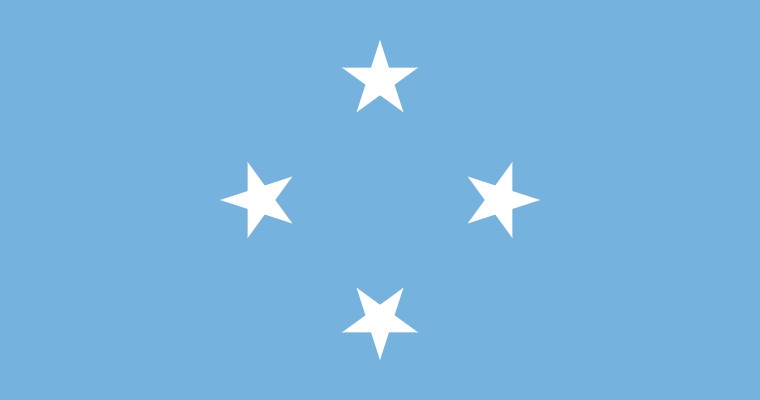
Micronesia, Federated States of
· FM

Micronesia, Federated States of

Micronesia, Federated States of

Welcome to Micronesia, Federated States of, a hidden gem in the Pacific Ocean waiting to be explored! This stunning group of islands is made up of four states - Yap, Chuuk, Pohnpei, and Kosrae - each offering a unique bl…

#Pacific Islands#Tropical#Remote#Island Nation#Cultural Diversity
1/2

Top hotels & flights

Hand-picked stays and the best fares into Micronesia, Federated States of.

Top Hotels in Pohnpei

Top Flights to Pohnpei

Popular activities

Tours, tickets and experiences travelers book most in Micronesia, Federated States of.

Tours

Nan Madol Ruins

Explore the ancient city built on a series of small artificial islands linked by a network of canals.

Kosrae Nautilus Resort

Stay and relax at one of Kosrae's most beautiful beachside resorts.

Yap Stone Money Banks

Visit the famous stone money banks of Yap, known for massive stone discs used as currency.

Lelu Ruins Exploration

Tour the ancient ruins on Lelu Island, a site of historical significance in Kosrae.

Weno Island Cultural Experience

Immerse yourself in the cultural traditions and practices of Weno Island.

Shopping

Kolonia Town Shopping

Explore a variety of local shops and markets in the capital of Pohnpei.

Outdoor

Pohnpei Island Trek

Experience hiking through lush rainforests to reach waterfalls and other natural attractions.

Yap Traditional Canoe Experience

Get hands-on experience learning to sail traditional Yapese canoes.

Chuuk Lagoon Diving

Dive in a world-renowned location featuring WWII shipwrecks and vibrant marine life.

Ant Atoll Snorkeling

Snorkel among vibrant coral reefs in the crystal-clear waters of Ant Atoll.

Location videos

Real reels from travelers, plus longer watches to get the full picture.

From travelers
Watch & explore

Practical info

The essentials for planning your time in Micronesia, Federated States of.

Currency
$ | USD | US Dollar
Population
The approximate estimated total population of the Federated States of Micronesia is '0.1 million'.
Languages
English, Chuukese, Kosraean, Pohnpeian, Yapese, Ulithian, Woleaian, Nukuoro, Kapingamarangi
Average weather
Micronesia, Federated States of
Jan
rain
30°25°
Feb
rain
30°25°
Mar
rain
31°26°
Apr
rain
31°26°
May
rain
31°26°
Jun
rain
31°26°
Jul
rain
31°26°
Aug
rain
31°26°
Sep
rain
31°26°
Oct
rain
31°26°
Nov
rain
31°26°
Dec
rain
30°25°

Local guide

What travelers love, what to watch for, and a deeper read on Micronesia, Federated States of.

What people love

Micronesia, Federated States of is a unique and beautiful destination with several pros for travelers:

  1. Stunning Natural Beauty: Micronesia, Federated States of is known for its pristine beaches, crystal-clear waters, and diverse marine life. It offers excellent opportunities for snorkeling, diving, and other water activities.

  2. Rich Cultural Heritage: The islands of Micronesia, Federated States of have a rich cultural heritage with traditional dances, music, and crafts that visitors can experience and learn about.

  3. Remote and Unspoiled: Micronesia, Federated States of is relatively untouched by mass tourism, making it an ideal destination for travelers looking for a more authentic and off-the-beaten-path experience.

  4. Friendly Locals: The people of Micronesia, Federated States of are known for their warm hospitality and friendliness towards visitors, making it a welcoming destination for travelers.

  5. Unique Cuisine: Visitors to Micronesia, Federated States of can enjoy a variety of local dishes and seafood delicacies, offering a unique culinary experience.

  6. Outdoor Activities: In addition to water activities, Micronesia, Federated States of also offers opportunities for hiking, birdwatching, and exploring the lush tropical landscapes.

Overall, traveling to Micronesia, Federated States of can provide a memorable and enriching experience for those seeking natural beauty, cultural immersion, and adventure.

What to know

Some potential cons of traveling to Micronesia, Federated States of may include:

  1. Limited infrastructure: Micronesia, Federated States of consists of many small islands, some of which have limited infrastructure such as transportation, accommodation, and healthcare facilities. This could make travel logistics more challenging.

  2. Remote location: Micronesia is quite remote and isolated in the Pacific Ocean, which could result in limited access to certain goods and services, as well as longer travel times to reach the destination.

  3. Climate and weather: The region is prone to tropical storms and typhoons, particularly during certain times of the year. Travelers may need to be prepared for potential disruptions to their travel plans due to adverse weather conditions.

  4. Limited tourist amenities: Micronesia is not as developed for tourism as some other destinations, so travelers may find fewer amenities, activities, and services compared to more popular tourist spots.

  5. Language barrier: While English is one of the official languages in Micronesia, local languages are also widely spoken. Travelers who do not speak the local languages may encounter communication barriers in some areas.

Overall, while Micronesia offers unique cultural and natural attractions, travelers should be prepared for a more rustic and less developed travel experience compared to more mainstream tourist destinations.

Please note that traveling conditions and circumstances can change, so it's always a good idea to check for updated travel advisories and guidance before planning a trip to Micronesia.

The Federated States of Micronesia (FSM) is a country in the western Pacific Ocean comprising more than 600 islands. It is part of the larger region of Micronesia, which includes several other island nations and territories. The history of the FSM is rich and complex, involving various cultural influences, colonial periods, and political developments.

Early History

  • Pre-European Contact: The islands of Micronesia were settled by Austronesian-speaking people over 3,000 years ago. These early settlers developed complex societies with sophisticated navigation skills, allowing them to travel between islands.

European Exploration

  • 16th Century: European contact began with the arrival of Spanish explorers in the early 16th century. Ferdinand Magellan was among the first Europeans to encounter the islands in 1521 during his circumnavigation of the globe.

  • Colonial Influence: Spain claimed the islands as part of its vast Pacific territories. However, effective Spanish control was limited.

German and Japanese Rule

  • 1899: Spain sold its Pacific territories, including the Caroline Islands, to Germany following the Spanish-American War.

  • World War I: During the war, Japan occupied the islands, and after the war, the League of Nations granted Japan a mandate over them.

World War II

  • 1940s: The islands were strategic locations during World War II. Major battles, such as those in Chuuk Lagoon (formerly Truk Lagoon), were significant due to the Japanese military presence.

Post-War and Trust Territory

  • 1947: After World War II, the United Nations established the Trust Territory of the Pacific Islands, administrated by the United States. This included the FSM islands.

Road to Independence

  • 1979: The Federated States of Micronesia adopted its constitution, marking the beginning of self-government. The FSM comprises four states: Yap, Chuuk, Pohnpei, and Kosrae.

  • 1986: The FSM signed a Compact of Free Association with the United States, granting it independence while allowing the U.S. to provide defense and financial assistance.

Significant Events and Figures

  • Amended Compact: In 2004, an amended Compact of Free Association was signed, providing continued financial assistance and economic benefits.

  • Joseph J. Urusemal: Served as the president of the FSM from 2003 to 2007, playing a key role in negotiating the terms of the amended Compact.

Important Landmarks

  • Nan Madol: Located on Pohnpei, this ancient city built on a series of small artificial islands is one of the most significant archaeological sites in Micronesia and a UNESCO World Heritage site.

  • Chuuk Lagoon: Known for its underwater shipwrecks from World War II, it is a popular site for divers and historians.

  • Lelu Ruins: Located on Kosrae, these ruins are from a pre-colonial city that provides insight into the island's historical governance.

The FSM continues to navigate its future, balancing traditional ways of life with modern challenges. Its rich cultural heritage and strategic location in the Pacific remain integral to its identity.