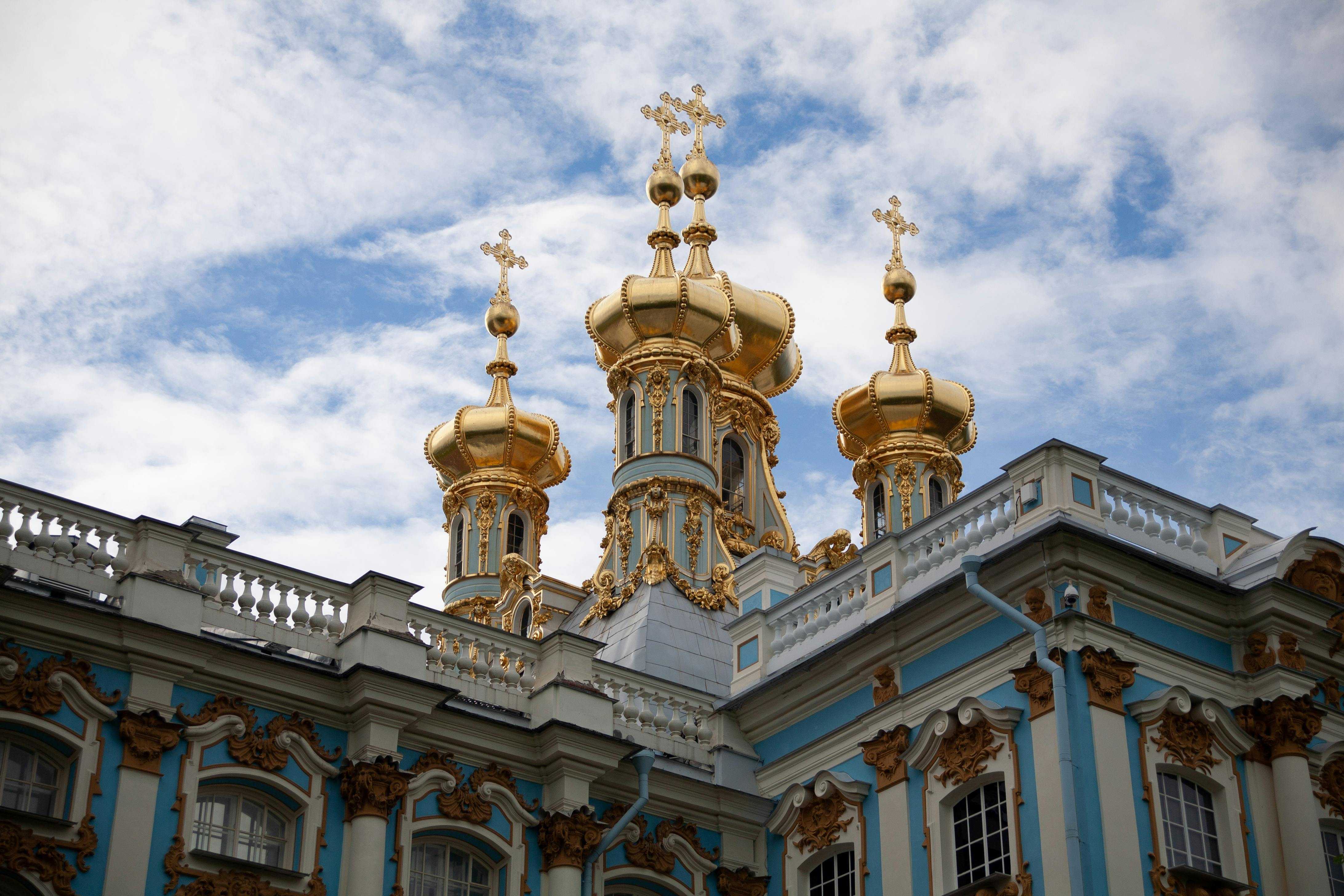

Mariinskiy Posad
· RU

Mariinskiy Posad

Mariinskiy Posad, Chuvashiya, Russia

Mariinskiy Posad, located in Chuvashiya, Russia, is a picturesque destination that offers a perfect blend of natural beauty and rich cultural heritage. This charming town is nestled in the heart of the Russian countrysid…

#Mariinskiy Posad#Chuvashiya#Russia#rural#historic
1/4

Top hotels & flights

Hand-picked stays and the best fares into Mariinskiy Posad.

Top Hotels in Mariinskiy Posad

Top Flights to Mariinskiy Posad

Location videos

Real reels from travelers, plus longer watches to get the full picture.

From travelers

Practical info

The essentials for planning your time in Mariinskiy Posad.

Currency
₽ | RUB | Russian Ruble
Population
8755.0
Languages
Russian, Chuvash, Russian
Average weather
Mariinskiy Posad
Jan
snow
-8°-14°
Feb
snow
-6°-13°
Mar
snow
0°-8°
Apr
cloud
8°-1°
May
rain
17°6°
Jun
rain
22°11°
Jul
sun
24°14°
Aug
sun
22°12°
Sep
cloud
16°7°
Oct
rain
8°2°
Nov
cloud
0°-5°
Dec
snow
-6°-12°

Local guide

What travelers love, what to watch for, and a deeper read on Mariinskiy Posad.

What people love

Mariinskiy Posad is a small town located in the Chuvash Republic of Russia. While it may not be widely known as a major tourist destination, it can offer some unique experiences for travelers interested in exploring less-visited areas of Russia. Here are some potential pros of traveling to Mariinskiy Posad:

  1. Cultural Experience: Visiting a small town like Mariinskiy Posad gives travelers the opportunity to experience the local culture and way of life in the Chuvash Republic. This region has a unique cultural heritage, with its own traditions, language, and cuisine.

  2. Scenic Beauty: Mariinskiy Posad is situated along the Volga River, providing picturesque views and opportunities for riverside walks. The natural surroundings can be quite peaceful and offer a chance to enjoy the tranquility of rural Russia.

  3. Historical Sites: The town may have historical buildings and sites that reflect its history and development over the years. Exploring these can provide insights into the local history and architecture.

  4. Local Cuisine: Travelers can sample local Chuvash cuisine, which might include traditional dishes and ingredients native to the region. This can be an interesting culinary experience for those interested in trying new foods.

  5. Authentic Russian Experience: Visiting smaller towns like Mariinskiy Posad allows for a more authentic experience of Russia, away from the more tourist-centric cities like Moscow and St. Petersburg. It can offer a more genuine look at everyday life in Russia.

  6. Warm Hospitality: Smaller towns often have a reputation for friendly and welcoming locals. Visitors might find the hospitality in Mariinskiy Posad to be warm and inviting.

  7. Off the Beaten Path: For travelers who enjoy destinations that are off the beaten path and less crowded, Mariinskiy Posad could be an appealing choice. It offers a chance to explore a part of Russia that is not frequently covered in travel guides.

As always, when planning travel to more remote areas, it's advisable to research current travel advisories and local conditions, and to ensure that accommodations and services meet your needs.

What to know

Information not available.

Mariinskiy Posad is a town in the Chuvash Republic, Russia, located on the right bank of the Volga River. It has a rich history that reflects the broader historical developments of the region.

Historical Background:

  • Foundation and Early History: The area around Mariinskiy Posad has been inhabited since ancient times by various Finno-Ugric tribes. The town itself was founded in the 17th century. Originally, it was a small settlement that developed due to its strategic location on the Volga River.

  • Name and Development: The town was officially named in 1856 after Empress Maria Alexandrovna, the wife of Emperor Alexander II of Russia. The name "Posad" refers to a type of settlement that was common in Russia.

  • 19th Century Growth: In the 19th century, Mariinskiy Posad became an important trading hub due to its position on the Volga River. It facilitated trade and transportation, contributing to its growth and prosperity.

  • Soviet Era: During the Soviet period, Mariinskiy Posad underwent industrialization like many other parts of the Soviet Union. Industry and collective farming became significant aspects of its economy.

Significant Events:

  • World War II: Like many towns in the Soviet Union, Mariinskiy Posad contributed to the war effort during World War II. Its industries were involved in supporting the front lines.

  • Post-War Development: After the war, the town continued to develop industrially. The Soviet era brought about changes in the infrastructure and social services in the town.

Historical Figures:

  • Local Leaders and Influences: While there might not be internationally renowned figures specifically from Mariinskiy Posad, local leaders and figures have contributed to its development, especially in the areas of trade, agriculture, and local governance.

Important Landmarks:

  • Churches and Architecture: The town has several historical buildings that reflect its past. Orthodox churches and wooden houses are notable landmarks. These buildings are representative of the architectural styles prevalent during their respective periods.

  • Volga River: The Volga River remains a vital part of the town's identity and economy, serving as a natural landmark and a source of trade and transportation.

  • Cultural and Historical Museums: Museums in the town and surrounding region offer insights into the cultural and historical heritage of Mariinskiy Posad and the Chuvash Republic.

Modern Era:

In recent years, Mariinskiy Posad continues to maintain its local traditions while also integrating modern developments. It remains a small town with a close-knit community, preserving its historical legacy while adapting to contemporary challenges.

Overall, Mariinskiy Posad's history is a reflection of its geographical location and the broader historical currents that have shaped the Chuvash Republic and Russia as a whole.