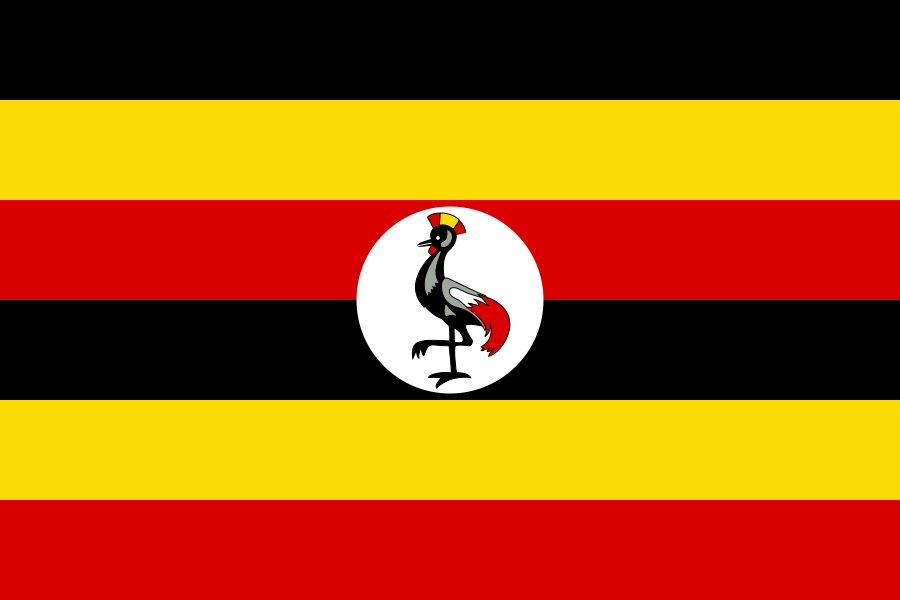
Manafwa is a district located in the Eastern Region of Uganda. It was established in 2005, carved out from the larger Mbale District. The district is named after the Manafwa River, which flows through the area and is a significant geographical feature of the region.
Historical Background
-
Pre-Colonial and Colonial Periods: The area now known as Manafwa has been traditionally inhabited by the Bagisu (or Bamasaba) people, a Bantu ethnic group known for their rich cultural traditions, including the famous Imbalu circumcision ritual. During the colonial period, the region was part of the larger Bugisu District under British administration.
-
Post-Independence: Following Uganda's independence in 1962, the region continued to be part of the larger Mbale District until it was split to form Manafwa District in 2005. The creation of the district was part of a broader national initiative to decentralize governance and bring services closer to the people.
Significant Events
-
Formation of Manafwa District (2005): The district was officially formed to improve administrative efficiency and local governance. This was part of a national policy aimed at creating smaller and more manageable administrative units.
-
Cultural Festivals: The region is known for the biannual Imbalu circumcision ceremonies, which are a significant cultural event for the Bagisu people. These ceremonies attract thousands of participants and spectators and are integral to the cultural heritage of the area.
Historical Figures
- Cultural Leaders: The Bagisu people have traditional leaders and elders who play important roles in cultural ceremonies, particularly the Imbalu rituals. These figures are respected within the community for their knowledge and leadership.
Important Landmarks
-
Mount Elgon National Park: Although primarily associated with the neighboring Mbale District, parts of Mount Elgon and its national park extend into Manafwa District. The park is a significant natural landmark and is known for its biodiversity and unique geological features.
-
Manafwa River: This river is a key geographical feature of the district, providing water for agriculture and other uses. It is also central to the identity of the district.
Current Development
-
Agriculture: Manafwa District is predominantly agricultural, with crops such as coffee, bananas, and maize being the mainstay of the economy. Efforts have been made to improve agricultural productivity and market access for local farmers.
-
Education and Health Services: Since its formation, the district has seen improvements in education and health services, with the establishment of schools and health centers aimed at improving the quality of life for residents.
While Manafwa may not have widely recognized historical figures or global landmarks, its cultural heritage and natural features are of great significance to its residents and to the cultural tapestry of Uganda.