
Malo
· IT

Malo

Malo, Veneto, Italy

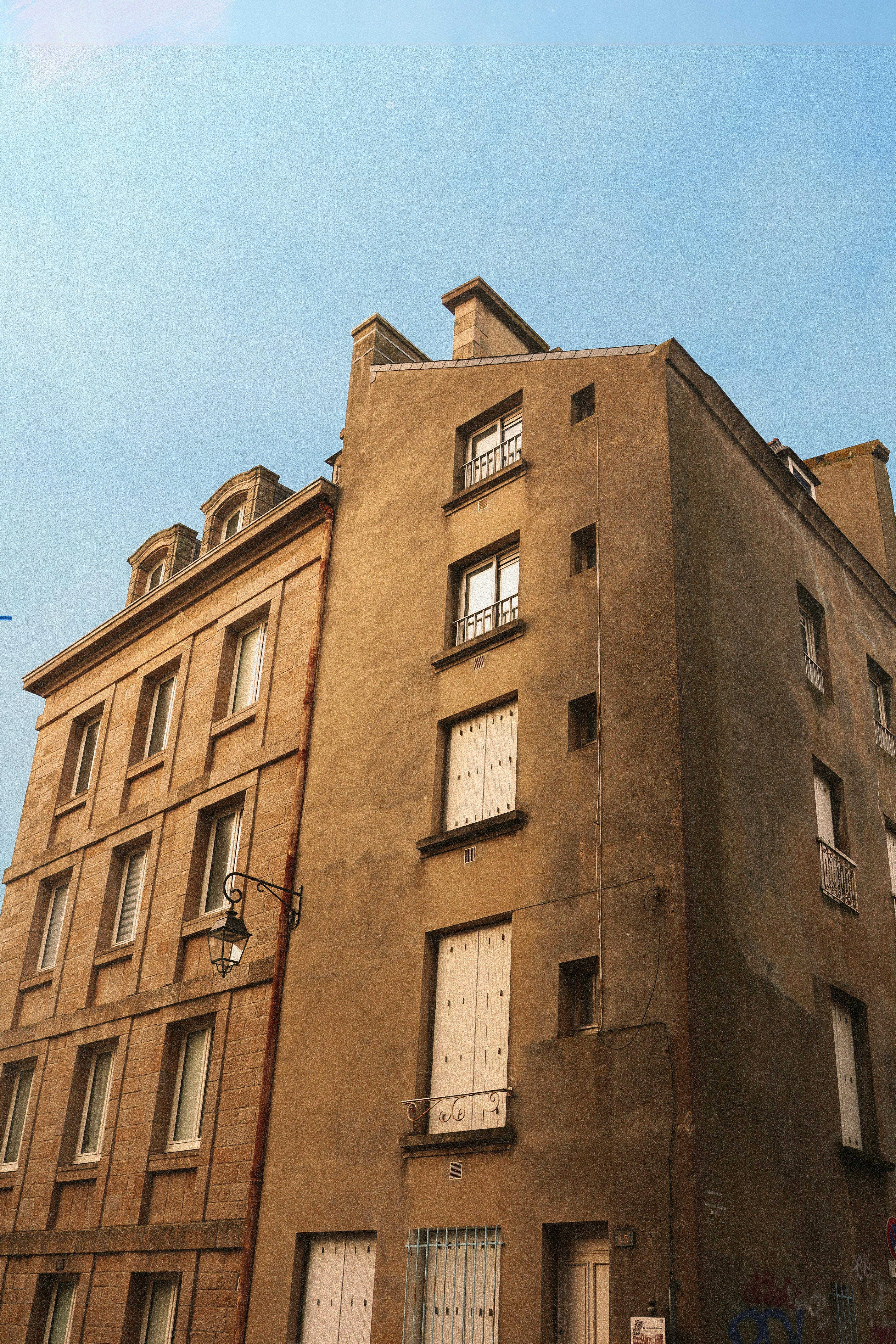
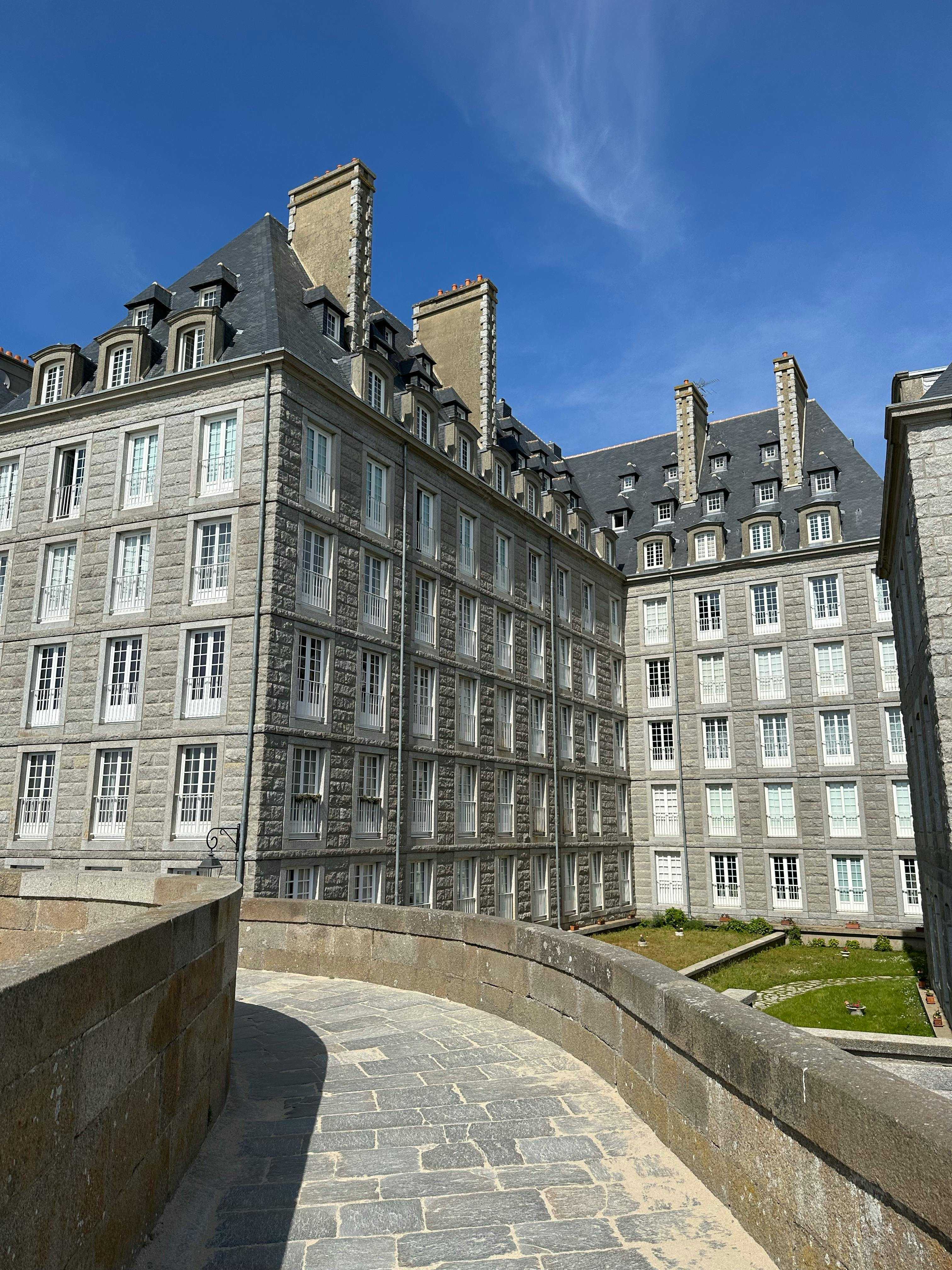
Malo, a charming town located in the Veneto region of Italy, offers visitors a delightful blend of history, culture, and natural beauty. Nestled in the rolling hills of the Venetian countryside, Malo is a destination tha…

#Malo#Veneto#Italy#Small town#Historic architecture
1/8

Top hotels & flights

Hand-picked stays and the best fares into Malo.

Top Hotels in Malo

Top Flights to Malo

Location videos

Real reels from travelers, plus longer watches to get the full picture.

From travelers
Watch & explore

Practical info

The essentials for planning your time in Malo.

Currency
€ | EUR | Euro
Population
Not Available
Languages
English, French, Spanish
Average weather
Malo
Jan
cold
7°1°
Feb
cold
9°2°
Mar
cloud
13°5°
Apr
cloud
16°8°
May
sun
21°12°
Jun
sun
25°16°
Jul
hot
28°18°
Aug
hot
28°18°
Sep
sun
24°15°
Oct
cloud
18°11°
Nov
rain
11°6°
Dec
cold
7°2°

Local guide

What travelers love, what to watch for, and a deeper read on Malo.

What people love

Malo is a charming town located in the Veneto region of Italy. Here are some pros of traveling to Malo:

  1. Rich history and culture: Malo has a long history dating back to the Roman times, and you can explore historic sites such as churches, palaces, and museums that showcase the town's cultural heritage.

  2. Beautiful scenery: Malo is surrounded by picturesque countryside, with rolling hills, vineyards, and olive groves. The natural beauty of the area makes it a great destination for outdoor activities like hiking and cycling.

  3. Local cuisine: Veneto is known for its delicious food and wine, and Malo is no exception. You can sample traditional dishes like risotto, polenta, and local cheeses, as well as wines from the nearby vineyards.

  4. Quaint atmosphere: Malo is a small town with a relaxed and friendly atmosphere. Strolling through the cobblestone streets, you can soak in the authentic Italian charm and hospitality of the locals.

  5. Proximity to other attractions: Malo is located within easy reach of other popular destinations in Veneto, such as Vicenza, Verona, and Lake Garda. You can easily take day trips to explore these nearby attractions.

Overall, traveling to Malo offers a blend of history, culture, natural beauty, and gastronomic delights, making it a wonderful destination for travelers looking to experience the authentic Italian lifestyle.

What to know

Malo is a small town in the Veneto region of Italy. While it may offer a quaint and authentic Italian experience, there are potential downsides to visiting such a small location:

  1. Limited Attractions: Malo is a small town, so there might be fewer tourist attractions and activities compared to larger cities. Visitors looking for a bustling nightlife, a wide variety of museums, or numerous historical sites might find the options limited.

  2. Transportation: Public transportation options may be limited, making it more challenging to get around without a car. This could be inconvenient for travelers who rely on trains or buses to explore the area.

  3. Language Barrier: In smaller towns like Malo, fewer locals may speak English fluently. This could pose a challenge for travelers who do not speak Italian.

  4. Accommodation Options: There may be fewer hotels and accommodations available, which could limit choices in terms of price range, amenities, and style.

  5. Dining and Shopping: The variety of dining and shopping options might be limited compared to larger urban areas. Those looking for diverse culinary experiences or extensive shopping may need to travel to nearby cities.

  6. Seasonal Limitations: Depending on the time of year, some attractions or local events might be closed or less frequent, reducing the number of activities available.

  7. Connectivity: Smaller towns may have less reliable internet connectivity or fewer facilities for digital nomads or those needing to stay connected for work.

These potential cons should be weighed against the benefits of visiting a small, authentic Italian town, such as experiencing local culture and traditions, which can be quite rewarding for many travelers.

Malo is a town located in the Veneto region of northern Italy, within the province of Vicenza. While not as famous as some other towns and cities in Italy, Malo has its own unique history and cultural significance. Here is a detailed account of its history and notable features:

Historical Overview

  1. Early History:

    • The area around Malo has been inhabited since ancient times. Archaeological findings suggest that it was settled during the Roman period, given its proximity to major Roman roads and settlements.
  2. Middle Ages:

    • During the Middle Ages, the town was part of the Lombard Kingdom and later the Holy Roman Empire. It was influenced by the various political and military conflicts that characterized northern Italy during this time.
    • The territory of Malo was under the control of various feudal lords, and the town developed around a central castle, which served as a defensive stronghold.
  3. Venetian Rule:

    • In the early 15th century, Malo became part of the Republic of Venice. This period brought relative stability and prosperity to the area, as Venice was a major trade power and maintained control over much of the Veneto region.
  4. Napoleonic and Austrian Rule:

    • After the fall of the Venetian Republic in 1797, Malo was influenced by the shifting powers of the Napoleonic era and later became part of the Austrian Empire following the Congress of Vienna in 1815.
    • It was incorporated into the Kingdom of Italy in 1866, following the Third Italian War of Independence.

Significant Events

  • 20th Century Developments:
    • Like much of Italy, Malo was affected by the two World Wars. The town underwent reconstruction and modernization in the post-war period.
    • The latter half of the 20th century saw economic growth and industrial development, which transformed Malo from a primarily agricultural community to a more industrial and service-oriented economy.

Historical Figures

  • Local Figures:
    • While Malo may not have produced figures of national fame, its history is marked by local leaders and families who played significant roles in its development over the centuries.

Important Landmarks

  1. Church of San Benedetto Abate:

    • This is one of the main religious sites in Malo. The church is known for its artistic and architectural value, reflecting the styles that have influenced the region over the centuries.
  2. Historical Center:

    • The town's historical center features traditional Veneto architecture, with narrow streets and old buildings that tell the story of its past.
  3. Local Museums and Cultural Sites:

    • Malo has local museums and cultural sites that preserve its history and traditions, showcasing artifacts and exhibits related to the town’s past.

Cultural and Social Aspects

  • Malo, like many towns in the Veneto region, celebrates various local festivals and events that reflect its cultural heritage and community spirit.
  • The town is also known for its local cuisine, which is typical of the Veneto region, featuring a variety of traditional Italian dishes.

Information on Malo is not as extensive as larger cities, but it still holds a significant place in the rich tapestry of Italian history.