
Lyndhurst
· US

Lyndhurst

Lyndhurst, New Jersey, United States

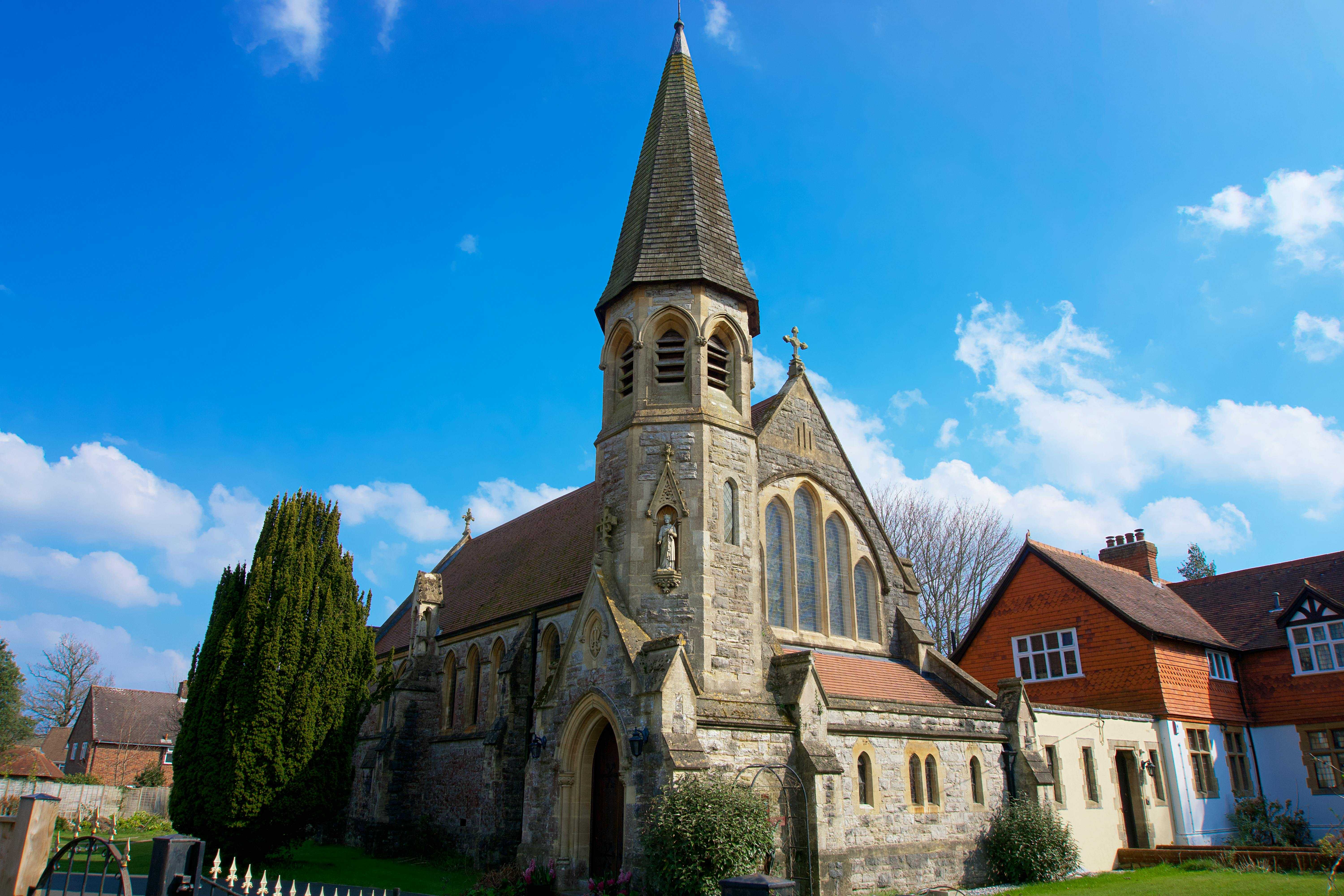
Lyndhurst, located in New Jersey, United States, is a charming town that offers a perfect blend of history, culture, and natural beauty for visitors to explore. Situated in Bergen County, Lyndhurst boasts a rich historic…

#Lyndhurst#New Jersey#United States#Suburban#Residential area
1/1

Top hotels & flights

Hand-picked stays and the best fares into Lyndhurst.

Top Hotels in Lyndhurst

Top Flights to Lyndhurst

Location videos

Real reels from travelers, plus longer watches to get the full picture.

From travelers

Practical info

The essentials for planning your time in Lyndhurst.

Currency
$ | USD | US Dollar
Population
Information not available.
Languages
English, English
Average weather
Lyndhurst
Jan
cold
7°1°
Feb
cold
8°1°
Mar
cloud
11°3°
Apr
cloud
14°5°
May
sun
17°8°
Jun
sun
20°11°
Jul
sun
23°13°
Aug
sun
23°13°
Sep
cloud
20°11°
Oct
cloud
15°8°
Nov
rain
11°4°
Dec
cold
8°2°

Local guide

What travelers love, what to watch for, and a deeper read on Lyndhurst.

What people love

Lyndhurst, located in New Jersey, United States, offers several benefits for travelers:

  1. Proximity to New York City: Lyndhurst is conveniently located just a short distance away from New York City, making it a great base for exploring the Big Apple while staying in a quieter and more affordable area.

  2. Meadowlands Sports Complex: Sports fans will appreciate the close proximity to the Meadowlands Sports Complex, home to MetLife Stadium (home of the New York Giants and New York Jets) and the Meadowlands Racetrack.

  3. Parks and Outdoor Recreation: Lyndhurst offers several parks and outdoor spaces for visitors to enjoy, such as Riverside County Park and DeKorte Park, which provide opportunities for hiking, picnicking, and birdwatching.

  4. Historical Landmarks: History buffs will enjoy visiting Lyndhurst's historic sites, such as the Lyndhurst Historical Society and the Meadowlands Museum, to learn more about the area's past.

  5. Dining and Shopping: The town of Lyndhurst has a variety of dining options, from cozy cafes to family-owned restaurants, as well as shopping opportunities in local boutiques and malls.

Overall, traveling to Lyndhurst can offer a mix of urban and natural attractions, making it a versatile destination for a range of interests.

What to know

Some potential cons of traveling to Lyndhurst, New Jersey, may include:

  1. Traffic congestion: Lyndhurst is located in the densely populated northeastern region of the United States, which can lead to heavy traffic, especially during rush hours.

  2. Limited public transportation options: While Lyndhurst is served by buses and trains, the public transportation system may not be as extensive or convenient as in larger cities, making it challenging to get around without a car.

  3. Limited tourist attractions: Lyndhurst is primarily a residential area, so there may be fewer tourist attractions and entertainment options compared to larger cities or popular tourist destinations.

  4. Higher cost of living: New Jersey, in general, has a higher cost of living compared to other parts of the United States, so travelers may find expenses such as accommodation, dining, and transportation to be relatively more expensive.

  5. Weather considerations: Depending on the time of year, travelers to Lyndhurst should be prepared for varying weather conditions, including cold winters and hot, humid summers.

It's important to note that these potential cons may not apply to all travelers, and some visitors may find Lyndhurst to be a peaceful and pleasant destination for their trip.

Lyndhurst, New Jersey, is a township located in Bergen County, with a rich history that dates back to the 17th century. Initially part of the territory inhabited by the Lenape Native Americans, the area now known as Lyndhurst was settled by Europeans in the latter part of the 17th century.

Early History:

  • Formation and Early Settlement: The area was originally part of New Barbadoes Township, which was established in 1693. It became part of Lodi Township when it was formed in 1826. The present-day boundaries of Lyndhurst were established in 1917 when it became an independent township.

  • Industrial Growth: In the late 19th and early 20th centuries, Lyndhurst experienced significant industrial growth, largely due to its proximity to the Passaic River and the development of railroads. This industrial boom attracted many immigrants, contributing to the township's growth and diversity.

Significant Events and Historical Figures:

  • Meadowlands Development: The development of the New Jersey Meadowlands in the 20th century had a profound impact on Lyndhurst. While much of the area was initially marshland, it was transformed for industrial and residential purposes, which included the controversial Meadowlands Sports Complex development in the 1970s.

  • Herman A. Metz: A notable historical figure associated with Lyndhurst is Herman A. Metz, a businessman and politician who served as the New York City Comptroller. He was influential in the early 20th century and had ties to the area through his business ventures.

Important Landmarks:

  • Riverside County Park: This park is a significant recreational area in Lyndhurst, offering various sports facilities, walking paths, and scenic views along the Passaic River.

  • Kingsland Manor: A historical house museum located in Lyndhurst, Kingsland Manor is a restored 18th-century mansion that provides a glimpse into the area's colonial past. It is listed on the National Register of Historic Places.

  • The Boiling Springs: The township was once known for its natural springs, which were a significant local feature. While the springs themselves are no longer prominent, they played a role in the early development of the area.

Modern Lyndhurst:

Today, Lyndhurst is a suburban community that balances residential living with industrial and commercial activities. Its location near major highways and proximity to New York City makes it a desirable place for commuters. The township continues to evolve, maintaining its historical roots while adapting to modern needs.

While Lyndhurst may not have a plethora of historical monuments, its development over the centuries from a marshland into a thriving suburban community is a testament to its significant role in the region's history.