
Lugo
· IT

Lugo

Lugo, Emilia-Romagna, Italy

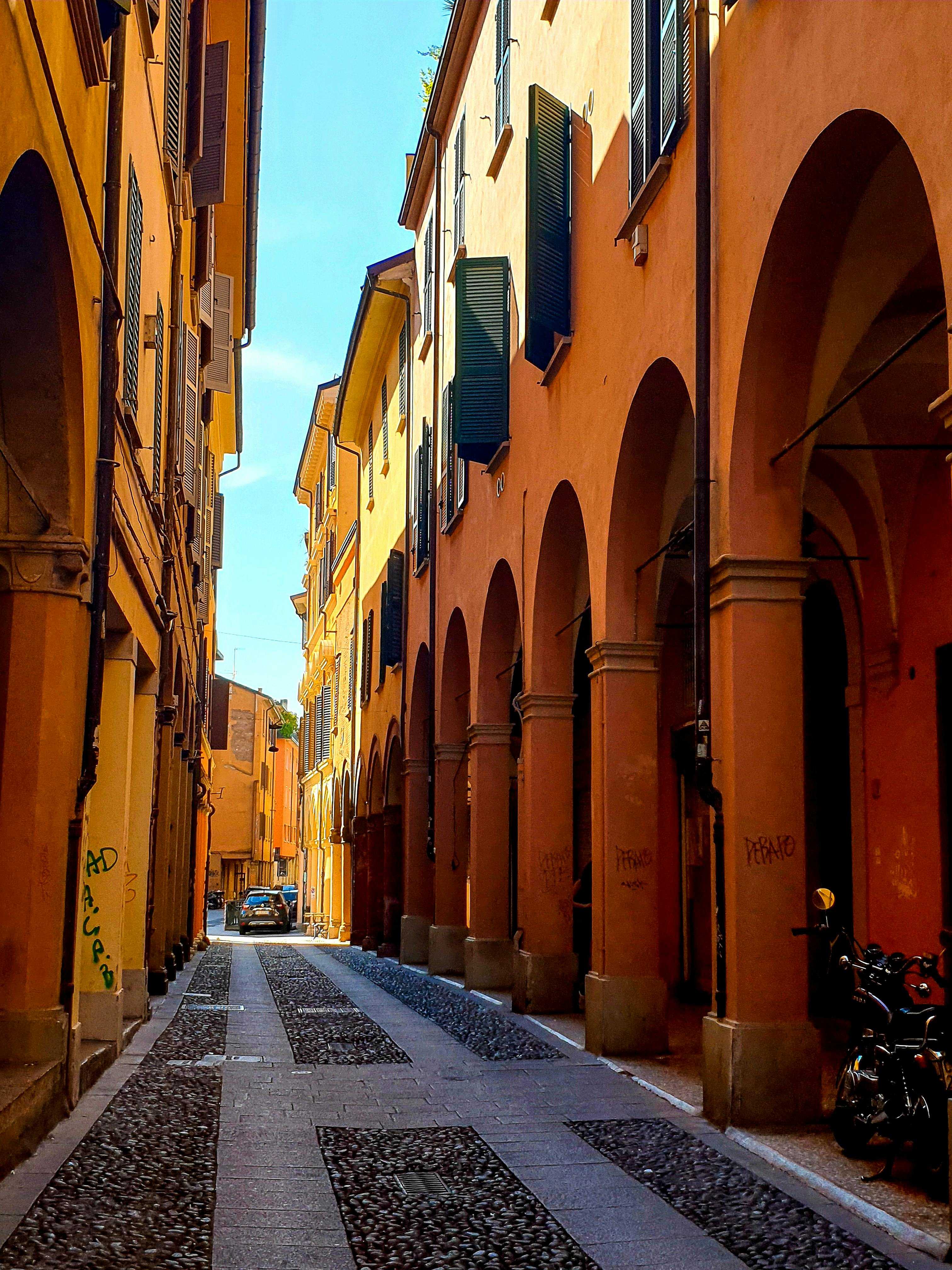
Lugo, a charming town located in the Emilia-Romagna region of Italy, is a hidden gem waiting to be explored by curious travelers. Steeped in rich history and surrounded by picturesque landscapes, Lugo offers a perfect bl…

#Lugo#Emilia-Romagna#Italy#Historic town#Cultural heritage
1/5

Top hotels & flights

Hand-picked stays and the best fares into Lugo.

Top Hotels in Lugo

Top Flights to Lugo

Location videos

Real reels from travelers, plus longer watches to get the full picture.

From travelers

Practical info

The essentials for planning your time in Lugo.

Currency
€ | EUR | Euro
Population
'Not Available'
Languages
Galician, Spanish
Average weather
Lugo
Jan
rain
10°3°
Feb
rain
11°3°
Mar
cloud
14°4°
Apr
rain
15°6°
May
cloud
18°8°
Jun
sun
22°11°
Jul
sun
24°13°
Aug
sun
25°13°
Sep
cloud
23°12°
Oct
rain
18°9°
Nov
rain
13°6°
Dec
rain
10°4°

Local guide

What travelers love, what to watch for, and a deeper read on Lugo.

What people love

I'm sorry, but Lugo is actually a town located in the region of Emilia-Romagna, Italy, rather than a specific city within Lugo. Lugo itself is a charming town that offers a more relaxed and authentic Italian experience compared to larger tourist destinations. Some potential pros of traveling to Lugo, Emilia-Romagna, Italy, could include:

  1. Historical Sites: Lugo boasts a rich history, with attractions such as the Rocca Estense, a medieval fortress, and the Basilica of San Vitale, a beautiful church dating back to the 6th century.

  2. Local Cuisine: Emilia-Romagna is known as the gastronomic heart of Italy, and Lugo is no exception. You can savor delicious local dishes such as fresh handmade pasta, Parmigiano Reggiano cheese, and traditional balsamic vinegar.

  3. Scenic Beauty: The surrounding countryside of Emilia-Romagna is picturesque, with rolling hills, vineyards, and charming villages. Lugo is a great base for exploring the natural beauty of the region.

  4. Authentic Experience: Lugo is not as heavily touristed as other cities in Italy, so you can enjoy a more authentic and peaceful experience, interacting with locals and immersing yourself in the local culture.

Overall, traveling to Lugo, Emilia-Romagna, Italy, can offer a unique and memorable experience for those looking to explore a lesser-known destination in Italy.

What to know

Information not available.

Lugo is a town situated in the Emilia-Romagna region of northern Italy, in the province of Ravenna. It has a rich history that reflects the wider historical developments of the region and Italy as a whole.

Historical Overview:

  • Ancient and Medieval Period: Lugo's origins date back to ancient times, with evidence of Roman and possibly even earlier settlements. The strategic location of Lugo made it an important site throughout history. During the Middle Ages, Lugo was part of the Papal States, which controlled much of central Italy. The town's development was influenced by its location on key trade routes.

  • Renaissance and Early Modern Period: In the Renaissance, Lugo flourished under the rule of various noble families. The Este family, who ruled Ferrara, also had an influence in the region. The town was fortified and developed a strong agricultural economy.

  • 19th Century: The 19th century was a period of significant change for Lugo, as it was for much of Italy, with the unification of Italy in 1861. Lugo became part of the newly unified Kingdom of Italy, and its economy and infrastructure were modernized.

  • 20th Century: Lugo, like many Italian towns, was affected by both World Wars. During World War II, it was occupied by German forces and experienced damage from Allied bombings. The post-war period saw reconstruction and economic development, contributing to the modern town seen today.

Historical Figures:

  • One notable historical figure associated with Lugo is Francesco Baracca, Italy's top fighter ace of World War I. He was born near Lugo, in the nearby town of Lugo di Romagna. Baracca became a national hero for his aerial victories and is remembered with a museum in his honor in Lugo.

Important Landmarks:

  • Rocca Estense: The Estense Castle, or Rocca, is one of Lugo's most prominent historical landmarks. It dates back to the 14th century and was an important defensive structure during the town's time under the Este family and the Papal States.

  • Pavaglione: This is a large, covered market area in the center of Lugo, originally built in the 18th century. It is a symbol of the town's historical importance as a trade center and continues to be a focal point for commerce and events.

  • Baracca Museum: Dedicated to Francesco Baracca, this museum houses artifacts and memorabilia related to his life and the history of aviation.

  • Church of San Francesco: This church is notable for its architecture and historical significance in the town.

Lugo today is a blend of its historical heritage and modern development, reflecting the wider historical and cultural trends of the Emilia-Romagna region and Italy.