
Liverpool
· GB

Liverpool

Liverpool, Liverpool, United Kingdom

Discover the Undisputed Charm of Liverpool Liverpool, a vibrant city nestled on the River Mersey in northwest England, pulsates with a unique energy born from a rich history and an unwavering passion for music, football,…

#city#port#culture#football#music
1/9

Top hotels & flights

Hand-picked stays and the best fares into Liverpool.

Top Hotels in Liverpool

Top Flights to Liverpool

Location videos

Real reels from travelers, plus longer watches to get the full picture.

Watch & explore

Practical info

The essentials for planning your time in Liverpool.

Currency
£ | GBP | Pound Sterling
Population
The approximate estimated total population of Liverpool, United Kingdom is '0.5 million'.
Languages
English, English
Average weather
Liverpool
Jan
rain
7°2°
Feb
rain
8°2°
Mar
cloud
10°3°
Apr
cloud
12°5°
May
cloud
15°8°
Jun
cloud
18°11°
Jul
sun
20°13°
Aug
sun
20°13°
Sep
cloud
18°11°
Oct
rain
14°8°
Nov
rain
10°5°
Dec
rain
8°3°

Local guide

What travelers love, what to watch for, and a deeper read on Liverpool.

What people love

There are several pros to traveling to Liverpool, United Kingdom:

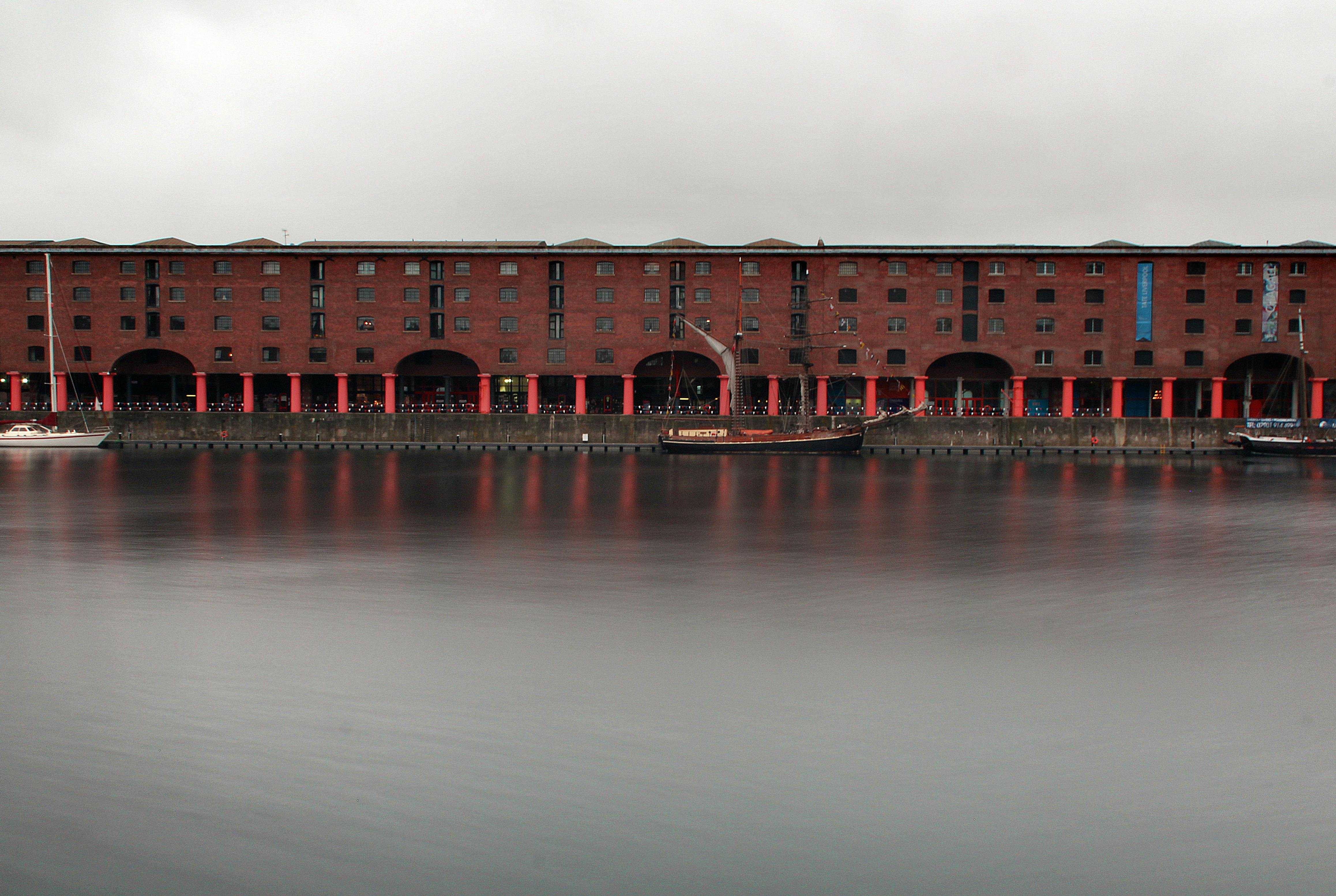
  1. Rich history: Liverpool has a rich history, especially in terms of its maritime heritage. Visitors can explore the historic Albert Dock, the World Museum, and the Merseyside Maritime Museum to learn about the city's past.

  2. The Beatles: Liverpool is famously known as the birthplace of the Beatles. Fans of the iconic band can visit The Beatles Story museum, take a Magical Mystery Tour to see key locations associated with the band, and even visit the childhood homes of John Lennon and Paul McCartney.

  3. Vibrant cultural scene: Liverpool has a thriving cultural scene, with numerous art galleries, theaters, and music venues. The city is also home to the Liverpool Philharmonic Orchestra and hosts various festivals and events throughout the year.

  4. Shopping and dining: Liverpool offers a diverse range of shopping options, from high-end designer stores to independent boutiques. The city also has a vibrant food scene, with a wide variety of restaurants and cafes serving everything from traditional British fare to international cuisine.

  5. Football: Liverpool is a city passionate about football, with two Premier League teams, Liverpool FC and Everton FC. Football fans can visit Anfield Stadium, home of Liverpool FC, or Goodison Park, home of Everton FC, to experience the excitement of a match day.

Overall, Liverpool offers a mix of history, culture, entertainment, and culinary delights, making it a great destination for travelers looking to explore a dynamic and vibrant city.

What to know

Traveling to Liverpool, located in the United Kingdom, may have some potential cons that you should be aware of:

  1. Weather: Liverpool is known for its rainy weather, with precipitation occurring throughout the year. Be prepared for damp and potentially gloomy conditions during your visit.

  2. Crowds: Liverpool is a popular tourist destination, especially during peak seasons. This can lead to crowds at popular attractions, restaurants, and public transportation, which may impact your overall experience.

  3. Cost: Like many popular cities in the UK, Liverpool can be quite expensive for tourists. Accommodation, dining, and transportation costs may be higher than in other parts of the country.

  4. Traffic: Liverpool's city center can experience heavy traffic congestion, especially during rush hours. Navigating the city by car may be challenging, and parking can be limited and costly.

  5. Safety: While Liverpool is generally a safe city for tourists, as with any destination, it's important to remain vigilant and aware of your surroundings to avoid any potential risks or incidents.

  6. Limited Public Transport: While Liverpool does have a public transportation system, it may not be as extensive or efficient as in some larger cities. Depending on your itinerary, you may find yourself relying more on taxis or private transportation.

Please note that these potential cons are based on general factors that travelers to Liverpool may encounter. Individual experiences may vary, and it's always a good idea to research specific details related to your trip to make the most of your visit.

Liverpool, located in the northwest of England, is a city with a rich and varied history. Its development as a major port and cultural hub has played a significant role in the economic and social history of the United Kingdom.

Early History

  • Founding and Growth: Liverpool was founded as a borough by King John in 1207. Initially a small fishing village, it gradually grew over the centuries, especially benefiting from its strategic position on the River Mersey.

18th Century

  • Port Development: Liverpool became a major port during the 18th century, significantly involved in the transatlantic slave trade. It was during this period that the city's wealth began to surge, leading to its growth in population and infrastructure.
  • Slave Trade: Liverpool was one of the main British ports involved in the triangular trade, where goods, slaves, and cash crops were traded between Europe, Africa, and the Americas.

19th Century

  • Industrial Revolution: The Industrial Revolution further spurred Liverpool’s growth, making it one of the most important ports in the world. It facilitated the export of goods such as cotton, coal, and textiles.
  • Irish Immigration: During the Great Famine of the 1840s, many Irish immigrants arrived in Liverpool, significantly impacting the city’s demographic and cultural landscape.
  • Landmarks: Notable landmarks from this period include St. George's Hall (opened in 1854), a neoclassical building used for concerts and civic events.

20th Century

  • World Wars: Liverpool played a crucial role during both World Wars, serving as a vital port for the Royal Navy and the Allied forces. The city suffered heavy bombing during the Blitz in World War II.
  • Post-war Period: Following World War II, Liverpool's port declined due to the rise of containerization and changes in global trade routes. This led to economic hardships and social challenges.
  • Cultural Renaissance: The 1960s saw Liverpool emerge as a cultural hub, most famously as the birthplace of The Beatles, who became a global phenomenon and put the city on the map for music and culture.

Late 20th Century to Present

  • Regeneration and UNESCO: Extensive regeneration projects in the late 20th and early 21st centuries transformed Liverpool's waterfront and city center. In 2004, the Liverpool Maritime Mercantile City was designated a UNESCO World Heritage Site (though this status was revoked in 2021).
  • European Capital of Culture: In 2008, Liverpool was named the European Capital of Culture, further boosting its profile as a vibrant cultural destination.
  • Sports: Liverpool is also known for its sporting culture, particularly football, with two major Premier League teams: Liverpool FC and Everton FC.

Important Landmarks

  • Royal Liver Building: An iconic symbol of Liverpool, part of the city's famous Three Graces on the waterfront.
  • Albert Dock: A complex of dock buildings and warehouses, it is a major tourist attraction featuring museums like the Merseyside Maritime Museum and Tate Liverpool.
  • Liverpool Cathedral: The largest cathedral in Britain, known for its impressive architecture and stunning views from its tower.
  • The Cavern Club: A music venue associated with The Beatles and the Merseybeat music scene.

Historical Figures

  • William Gladstone: Four-time British Prime Minister, born in Liverpool.
  • The Beatles: John Lennon, Paul McCartney, George Harrison, and Ringo Starr, who profoundly influenced music and popular culture.

Liverpool's resilience and capacity for reinvention are evident in its rich history, making it a city of significant cultural and historical importance in the United Kingdom.