




Top hotels & flights
Hand-picked stays and the best fares into Le Bourget.
Top Hotels in Le Bourget
Top Flights to Le Bourget
Location videos
Real reels from travelers, plus longer watches to get the full picture.
Practical info
The essentials for planning your time in Le Bourget.


Local guide
What travelers love, what to watch for, and a deeper read on Le Bourget.
What people love
Le Bourget, located in Île-de-France, France, is a charming town with several pros for travelers. Here are some detailed reasons why traveling to Le Bourget could be a great experience:
-
Historical Significance: Le Bourget is known for its rich aviation history. It is home to the Musée de l'Air et de l'Espace (Air and Space Museum), which showcases a vast collection of historic aircraft and artifacts. Aviation enthusiasts will find this museum particularly fascinating.
-
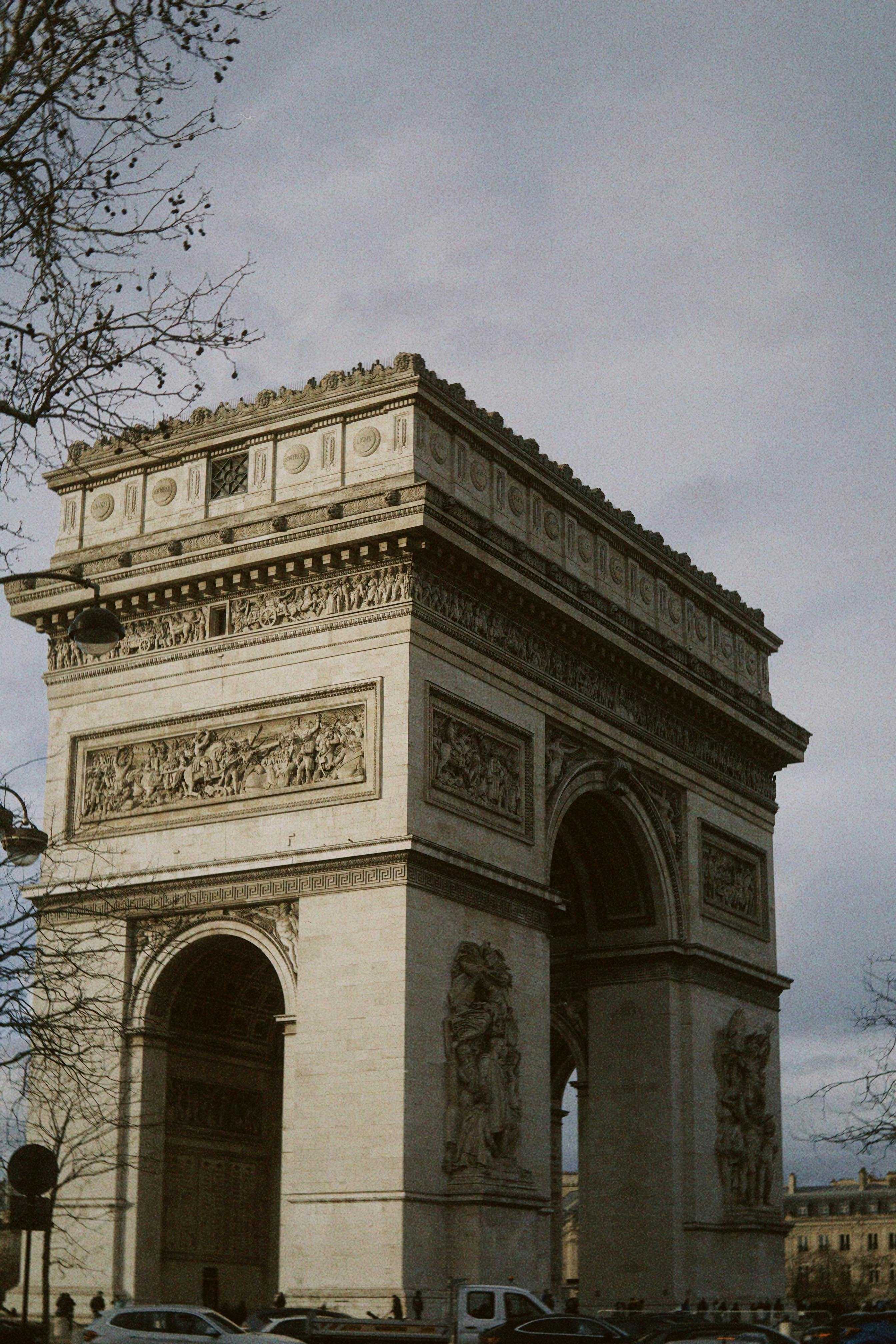
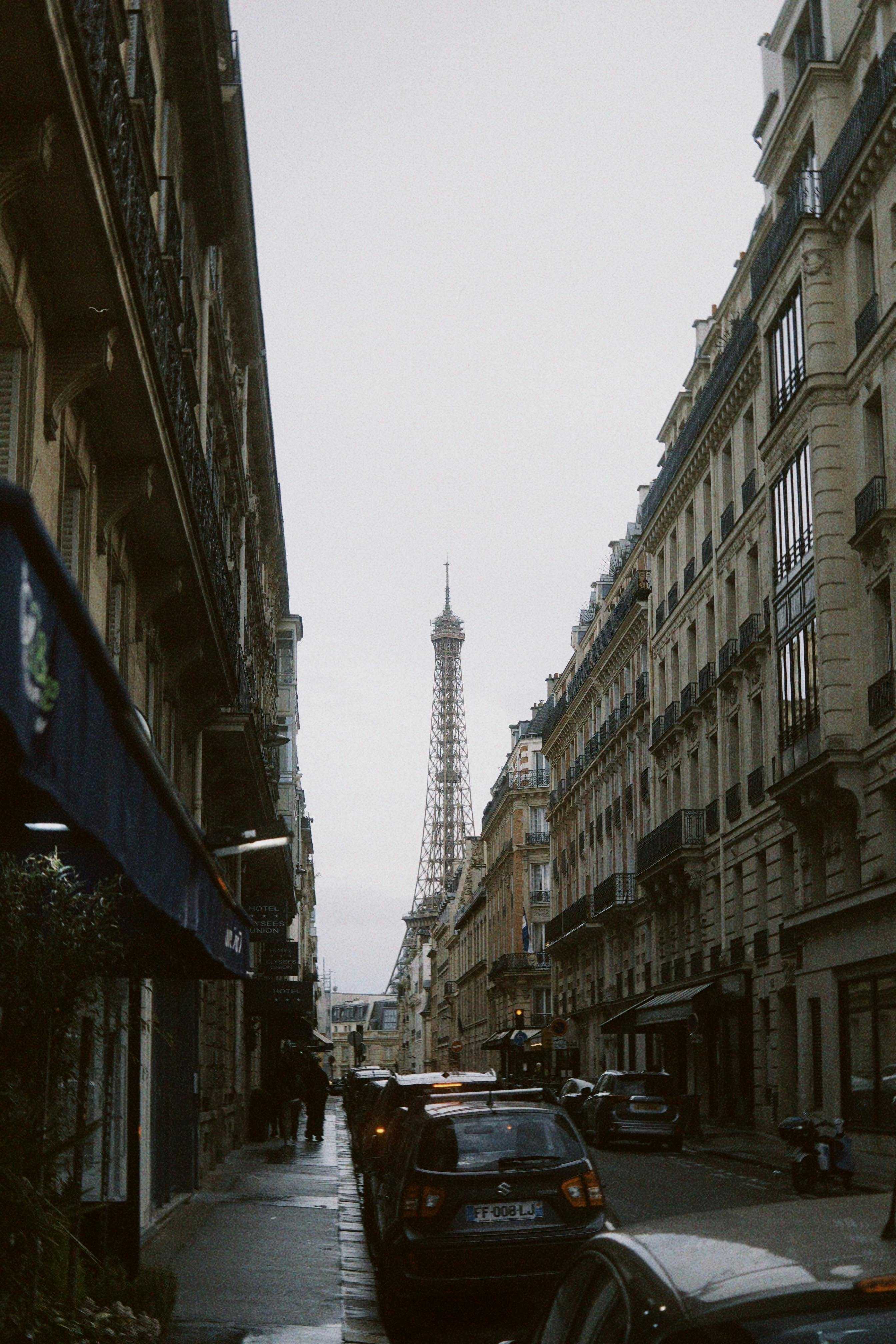
Proximity to Paris: Le Bourget is located very close to Paris, making it a convenient base for exploring the French capital. You can easily access Paris's attractions, such as the Eiffel Tower, Louvre Museum, and Champs-Élysées, while enjoying a quieter atmosphere in Le Bourget.
-
Air Shows: Le Bourget is famous for hosting the Paris Air Show, one of the largest and oldest air shows in the world. If you visit during the air show, you can witness impressive aerial displays, see the latest aerospace technologies, and experience the excitement of this international event.
-
Cultural Immersion: Traveling to Le Bourget allows you to immerse yourself in French culture away from the hustle and bustle of major tourist destinations. You can explore local markets, cafes, and restaurants to experience authentic French cuisine and interact with friendly locals.
-
Parks and Green Spaces: Le Bourget offers several parks and green spaces where you can relax and enjoy nature. Parc de la Courneuve, located nearby, is a vast park with gardens, walking trails, and recreational facilities, perfect for a leisurely day outdoors.
-
Accessibility: Le Bourget is well-connected by public transportation, making it easy to travel to and from the town. You can use trains, buses, or taxis to explore the surrounding areas or venture into Paris for more sightseeing opportunities.
Overall, traveling to Le Bourget can provide a unique blend of history, culture, and convenience for visitors looking to experience a different side of France.
What to know
Le Bourget, located in the Île-de-France region, is known for its airport, which primarily serves private and business aviation, as well as being the location for the Paris Air Show. While it can be an interesting place to visit, there are some potential cons to consider when traveling to Le Bourget:
-
Limited Tourist Attractions: Le Bourget itself is not a major tourist destination compared to Paris or other nearby areas. Its primary attraction is the Musée de l'Air et de l'Espace (Air and Space Museum), which might not appeal to everyone.
-
Accessibility: While Le Bourget is relatively close to Paris, transportation options may be limited compared to more central locations. It can take time and planning to reach Paris’s main attractions from Le Bourget, especially if relying on public transport.
-
Accommodation Options: The range of hotels and accommodations in Le Bourget might be limited in comparison to Paris. Visitors seeking a wide variety of lodging options, from budget to luxury, might find better choices in the city center.
-
Airport Noise: Being close to an airport, visitors and residents might experience noise from air traffic. This can be a consideration for those sensitive to noise pollution.
-
Business-Centric Environment: As a hub for business aviation and events like the Paris Air Show, the area may cater more to business travelers than tourists, which can affect the types of services and amenities available.
-
Less Vibrant Nightlife: For those interested in nightlife, Le Bourget may not offer the same variety and vibrancy as Paris. Travelers looking for entertainment options might need to commute to the city.
-
Traffic Congestion: Like many areas near major cities, Le Bourget can experience traffic congestion, especially during major events or peak travel times.
These potential drawbacks should be weighed against personal preferences and travel goals. If your interests align with what Le Bourget offers, it can still be a worthwhile destination.