
Lai Châu
· VN

Lai Châu

Lai Chau, Lai Chau, Vietnam

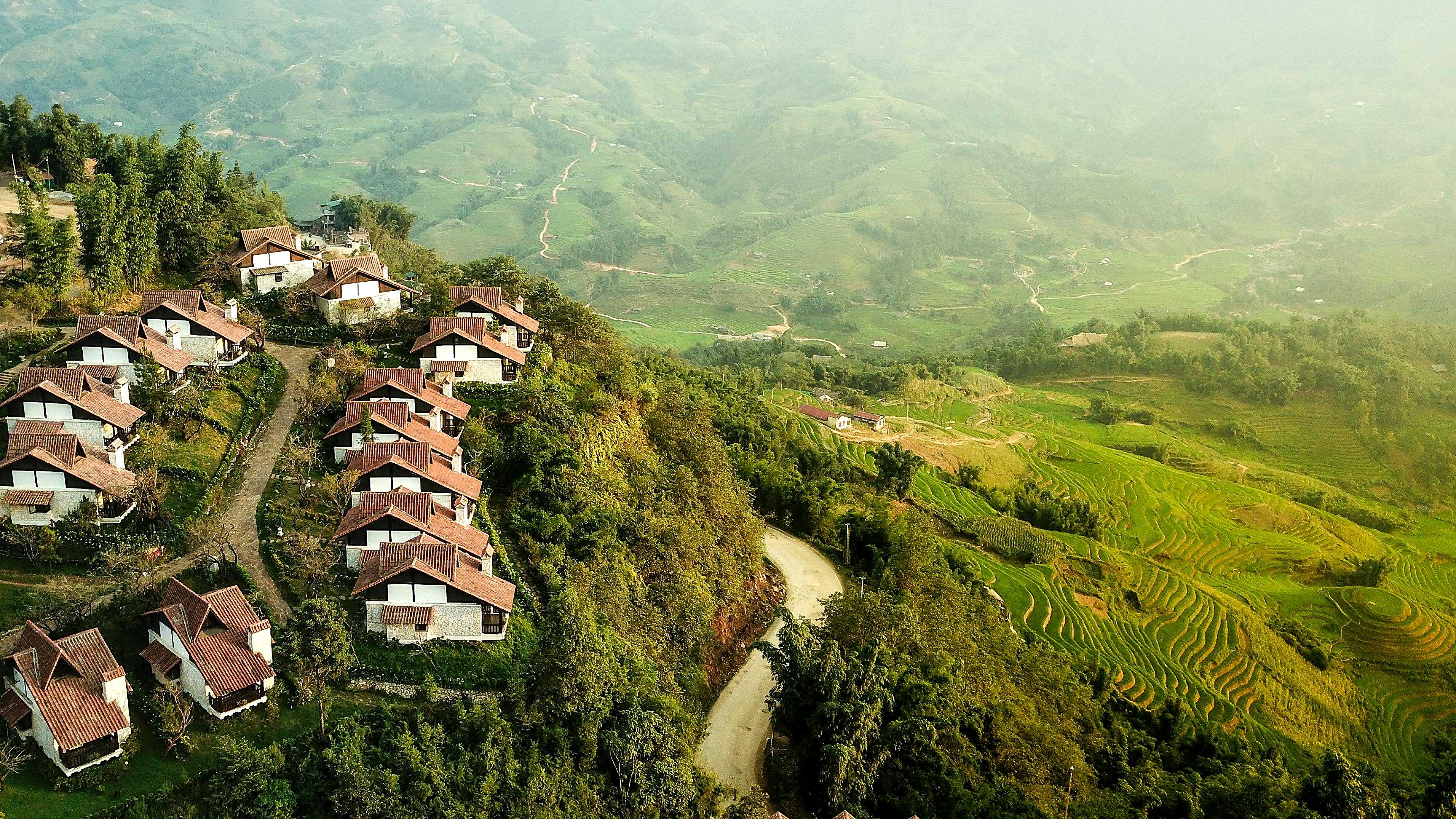
Lai Châu, located in the breathtaking mountainous region of northwestern Vietnam, is a hidden gem waiting to be explored by adventurous travelers seeking a unique cultural experience. Surrounded by towering peaks, lush f…

#mountains#ethnic minorities#rivers#trekking#remote
1/5

Top hotels & flights

Hand-picked stays and the best fares into Lai Châu.

Top Hotels in Lai Châu

Top Flights to Lai Châu

Location videos

Real reels from travelers, plus longer watches to get the full picture.

From travelers
Watch & explore

Practical info

The essentials for planning your time in Lai Châu.

Currency
₫ | VND | Vietnamese đồng
Population
Not Available
Languages
Vietnamese, Vietnamese, Hmong, Dao, Thai
Average weather
Lai Châu
Jan
cloud
18°10°
Feb
cloud
20°11°
Mar
cloud
23°14°
Apr
rain
26°18°
May
rain
28°20°
Jun
rain
29°22°
Jul
rain
29°22°
Aug
rain
29°22°
Sep
rain
27°21°
Oct
cloud
25°18°
Nov
cloud
22°15°
Dec
cloud
19°11°

Local guide

What travelers love, what to watch for, and a deeper read on Lai Châu.

What people love

Lai Châu, located in the northern region of Vietnam, offers a unique and authentic travel experience for those looking to explore off-the-beaten-path destinations. Here are some pros of traveling to Lai Châu:

  1. Stunning Scenery: Lai Châu is surrounded by majestic mountains, lush forests, and picturesque valleys. Travelers can enjoy breathtaking views of terraced rice fields, winding rivers, and ethnic minority villages.

  2. Cultural Immersion: The province is home to various ethnic minority groups such as the H'mong, Thai, and Dao people. Visitors have the opportunity to learn about their traditional customs, crafts, and way of life. Homestays with local families provide a genuine cultural experience.

  3. Adventure Activities: Lai Châu offers a range of outdoor activities for adventure enthusiasts. Trekking, hiking, and mountain biking are popular options for exploring the rugged terrain and remote villages. The region also has several waterfalls and hot springs for relaxation.

  4. Authentic Cuisine: Travelers can savor local delicacies unique to the region, such as smoked buffalo meat, bamboo shoots, and wild herbs. Food lovers will appreciate the flavors and ingredients used in traditional dishes.

  5. Peaceful Atmosphere: Lai Châu is less touristy compared to other destinations in Vietnam, allowing visitors to enjoy a serene and tranquil environment. The slower pace of life and untouched nature make it an ideal place to unwind and disconnect from the hustle and bustle of city life.

Overall, traveling to Lai Châu provides an opportunity to explore a hidden gem in Vietnam, immerse oneself in local culture, and appreciate the natural beauty of the region.

What to know

Lai Châu is a remote and rural province in Vietnam, known for its beautiful landscapes and diverse ethnic cultures. However, there are some potential cons to consider when traveling to Lai Châu:

  1. Limited tourist infrastructure: Lai Châu is less developed for tourism compared to other popular destinations in Vietnam. This means that the availability of modern amenities such as hotels, restaurants, and transportation options may be limited.

  2. Language barriers: English is not widely spoken in Lai Châu, especially in more rural areas. This can make communication challenging for travelers who do not speak Vietnamese or the local ethnic minority languages.

  3. Limited tourist attractions: While Lai Châu is known for its stunning natural beauty, there may be fewer established tourist attractions and activities compared to other destinations in Vietnam. Travelers looking for a wide range of sightseeing options and entertainment may find Lai Châu lacking in this regard.

  4. Remote location: Lai Châu is located in a mountainous region in northern Vietnam, making it more difficult and time-consuming to access compared to other destinations. Travelers should be prepared for long and potentially challenging journeys to reach Lai Châu.

  5. Weather conditions: The weather in Lai Châu can be unpredictable, especially during the rainy season. Travelers should be prepared for sudden changes in weather and potential disruptions to travel plans.

Overall, while Lai Châu offers unique cultural experiences and natural beauty, travelers should be aware of the potential challenges and limitations of visiting this remote province in Vietnam.

Lai Châu is a mountainous province located in the Northwest region of Vietnam. Its history is shaped by its geographical position and diverse ethnic composition, which includes groups such as the Hmong, Thai, and Dao. Here is a detailed history of Lai Châu:

Historical Overview:

  1. Pre-Colonial Period:

    • The region that is now Lai Châu has long been inhabited by various ethnic minority groups. The Thai people were among the earliest settlers, and they established their own local governance systems, often in the form of small chiefdoms.
  2. Colonial Era:

    • During the French colonial period, Lai Châu was part of the broader French-controlled territory in Indochina. The French established a presence in the area, primarily for administrative purposes.
    • The region's rugged terrain and remote location meant that it was less developed compared to other parts of Vietnam, but it was strategically important due to its proximity to China and Laos.
  3. Vietnam War:

    • Lai Châu was affected by the broader conflict during the Vietnam War, as the region was used as a corridor for the movement of troops and supplies. The area saw limited direct combat but was strategically significant.
  4. Post-War Period:

    • After the reunification of Vietnam in 1975, Lai Châu gradually developed, with investments in infrastructure and education aimed at improving the living standards of its diverse population.
    • The province was split in 2004, forming Lai Châu and the new province of Điện Biên. The division was part of a national effort to improve local governance and development.

Important Landmarks:

  1. Pu Sam Cap Caves:

    • This is a famous natural attraction in Lai Châu, consisting of a series of caves known for their impressive stalactites and stalagmites. They are a popular destination for both tourists and researchers interested in geology.
  2. Hoang Lien Son Mountain Range:

    • The Hoang Lien Son range includes Vietnam's highest peak, Fansipan, though it is technically located in neighboring Lào Cai province. The range is a significant geographical feature that influences the climate and biodiversity of Lai Châu.
  3. Sin Ho Plateau:

    • Known as the "roof of Lai Châu," the Sin Ho Plateau offers stunning panoramic views and is a cultural heartland for several ethnic minority communities. It is also a center for local markets.

Cultural Significance:

  • Ethnic Diversity:

    • Lai Châu is noted for its rich tapestry of ethnic cultures, each with its own distinct traditions, festivals, and crafts. The province celebrates various cultural festivals that reflect the customs and traditions of its ethnic groups.
  • Local Festivals:

    • Festivals such as the Thai’s Xen Muong (a celebration of community and kinship) and the Hmong’s Gau Tao (a festival for health and prosperity) are important cultural events that attract visitors.

Modern Developments:

  • In recent years, Lai Châu has seen development in infrastructure, including road networks and educational institutions, aimed at integrating the province more closely with the national economy.
  • The focus on sustainable tourism has increased, with efforts to promote Lai Châu's natural beauty and cultural heritage to a wider audience.

Notable Figures:

  • While specific historical figures from Lai Châu may not be widely recognized nationally, local leaders and cultural figures play important roles within their communities, especially in preserving and promoting the unique cultural heritage of the province.

Information about specific historical figures from Lai Châu is limited, which reflects the province's focus on communal and ethnic identity rather than individual prominence.

Overall, Lai Châu's history is defined by its ethnic diversity, strategic geographic location, and the gradual integration into the national framework of Vietnam.