Laghmān
· AF

Laghmān

Laghmān, Afghanistan

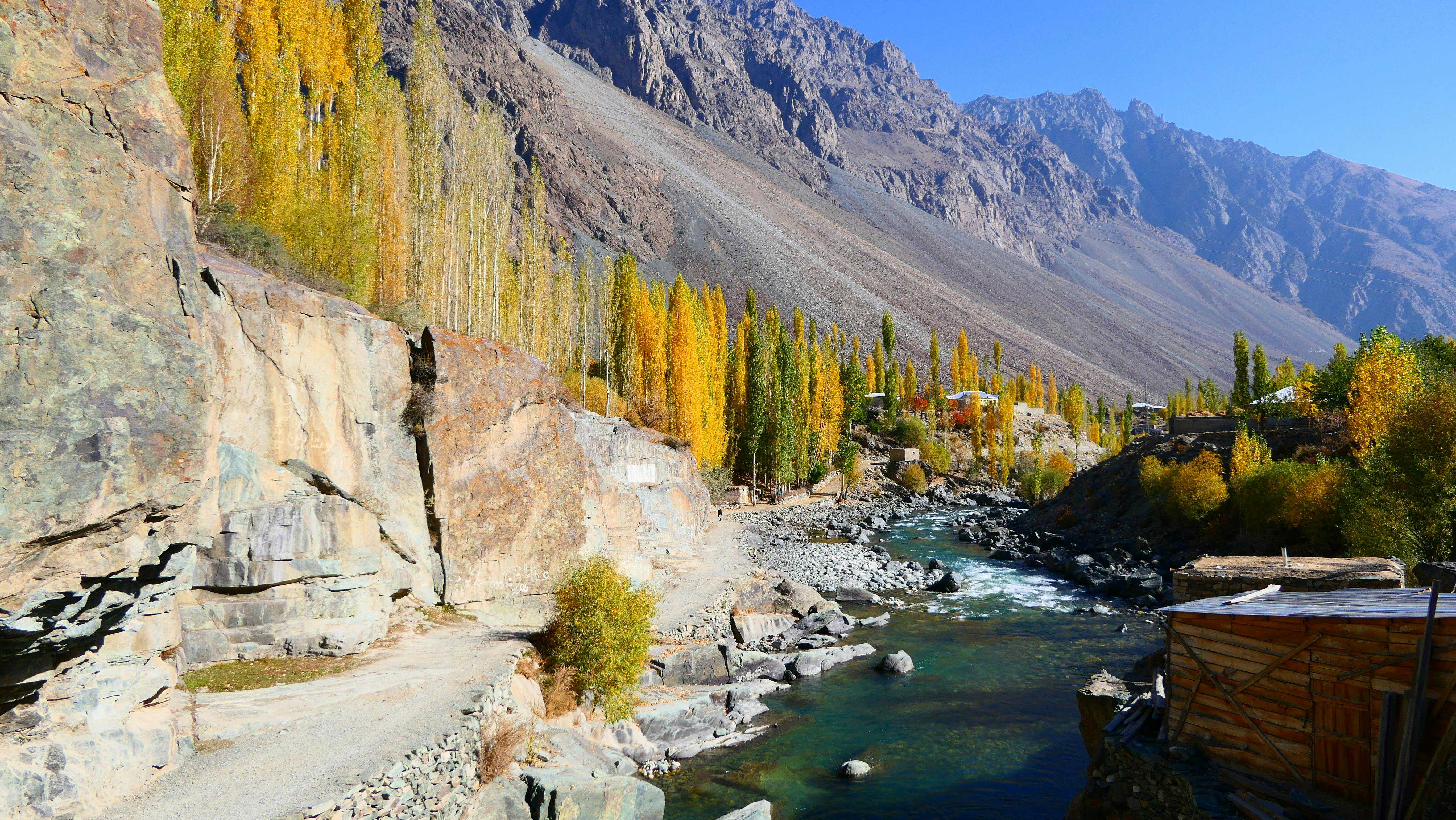
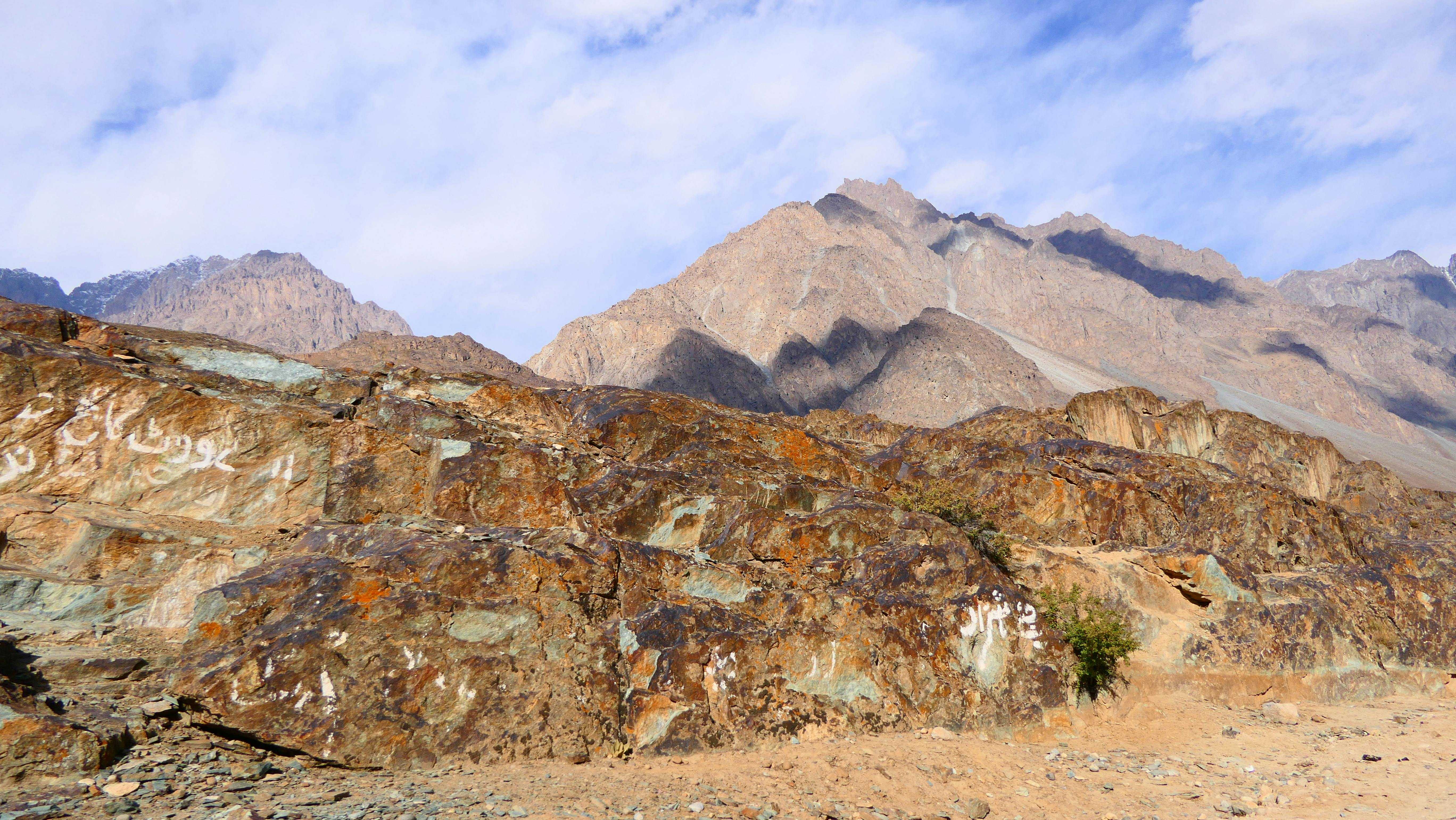
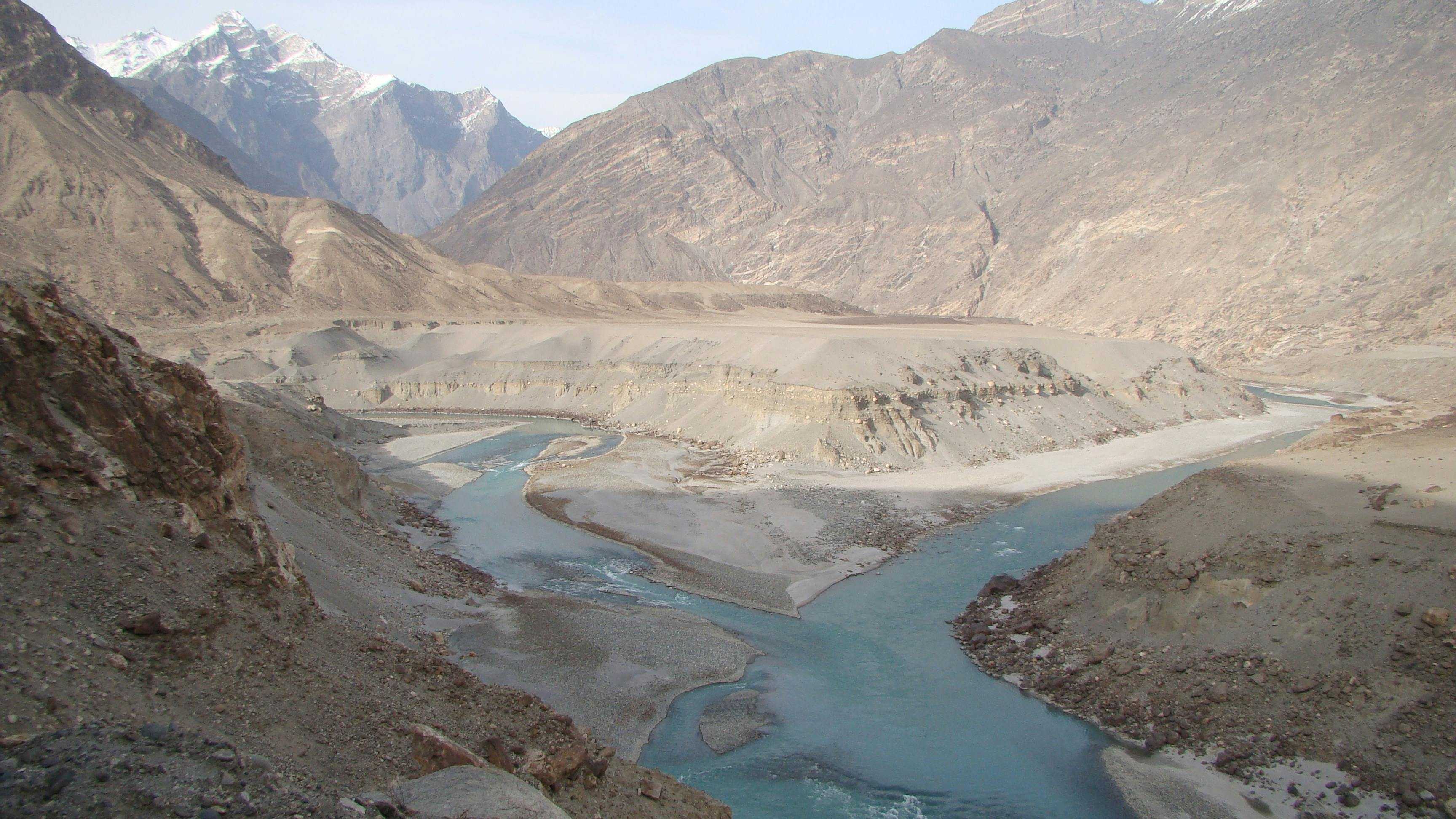
Journey to the Heart of Afghanistan: Discover Laghmān Province Nestled amidst the soaring peaks of the Hindu Kush, Laghmān province offers a captivating blend of natural beauty, ancient history, and authentic Afghan hosp…

#Laghmān#Afghanistan#mountains#rivers#agriculture
1/5

Top hotels & flights

Hand-picked stays and the best fares into Laghmān.

Top Hotels in Laghmān

Top Flights to Laghmān

Location videos

Real reels from travelers, plus longer watches to get the full picture.

From travelers
Watch & explore

Practical info

The essentials for planning your time in Laghmān.

Currency
؋ | AFN | Afghan afghani
Population
Information not available.
Languages
Pashto, Pashto, Dari

Local guide

What travelers love, what to watch for, and a deeper read on Laghmān.

What people love

Information not available.

What to know

Traveling to Laghmān, Afghanistan, or any region in Afghanistan, can present several challenges and potential risks. Here are some cons and considerations:

  1. Security Concerns: Afghanistan has been experiencing ongoing conflict and instability for many years. The security situation in Laghmān, like many other provinces, can be volatile. There are risks of insurgent activity, including attacks, kidnappings, and armed conflict.

  2. Political Instability: The political situation in Afghanistan is complex and subject to rapid changes. This instability can affect travel plans and safety.

  3. Travel Restrictions: Many countries have travel advisories in place for Afghanistan, often recommending against all travel. It's important to check with your government’s travel advisory for the latest updates and restrictions.

  4. Infrastructure: The infrastructure in Laghmān may be underdeveloped. Roads might be in poor condition, and public transportation could be limited or unreliable.

  5. Limited Facilities: Accommodations and healthcare facilities might be basic or lacking, which can be challenging for travelers used to more developed amenities.

  6. Cultural Sensitivity: Afghanistan has a rich cultural heritage, but travelers need to be aware of and respect local customs, traditions, and religious practices, which may be very different from their own.

  7. Communication Barriers: Language can be a barrier, as English is not widely spoken. Pashto and Dari are the main languages, and it might be challenging to communicate without knowledge of these languages.

  8. Access to Information: Reliable information about local conditions might be difficult to obtain, making planning and navigating the region challenging.

Given these factors, it's crucial for anyone considering travel to Laghmān to conduct thorough research and consider safety precautions. Consulting with experts on the region and adhering to governmental travel advisories is highly recommended.

Laghmān, located in eastern Afghanistan, is a province known for its rich history and cultural significance. Its capital is Mehtarlam, and it is bordered by the provinces of Nangarhar, Kabul, Kapisa, and Kunar. The region has been historically significant due to its strategic location and fertile lands.

Historical Overview

  1. Ancient History:

    • Laghmān is believed to have been part of the ancient region of Gandhara, which was a center of Buddhist culture and learning. The area was influenced by various empires, including the Achaemenid Empire, the Maurya Empire, and later the Kushan Empire.
    • It is thought that Alexander the Great passed through this region during his campaigns in the 4th century BCE.
  2. Islamic Conquests:

    • In the 7th and 8th centuries, the region came under Islamic influence as Muslim armies expanded into Central Asia. Laghmān became part of various Islamic empires, including the Ghaznavid and Ghurid dynasties.
  3. Medieval Period:

    • During the medieval period, Laghmān was part of several significant empires, including the Timurid Empire and later the Mughal Empire. The region remained a crossroads of trade and culture.
  4. Modern History:

    • In the 19th century, Laghmān came under the control of the Afghan Emirate. The region was affected by the Anglo-Afghan wars, though it remained largely under local control.
    • Throughout the 20th century, Laghmān saw periods of conflict and development, particularly during the Soviet-Afghan War in the 1980s and the subsequent civil war.

Significant Events

  • Soviet-Afghan War (1979-1989): Laghmān was a significant site of resistance against Soviet forces. Mujahideen groups operated extensively in the province.
  • Afghan Civil War (1989-present): Post-Soviet withdrawal, the province has experienced ongoing conflict, including Taliban insurgency and counter-insurgency operations by Afghan and international forces.

Historical Figures

  • Zahiruddin Muhammad Babur: The founder of the Mughal Empire, Babur is said to have passed through Laghmān as he expanded his empire into the Indian subcontinent.
  • Local Leaders: Various tribal leaders have played significant roles in the region's history, particularly during times of conflict.

Important Landmarks

  • Buddhist Stupas and Monasteries: Remnants of ancient Buddhist sites are found in the region, though many have been damaged or lost due to conflict.
  • Mehtarlam Baba Shrine: A significant religious site in the province, it is associated with a revered local saint.

Laghmān’s history is characterized by its position as a cultural and strategic crossroads. While much of its ancient heritage has been overshadowed by recent conflicts, it remains an area with a deep historical legacy.