
Kozan
· TR

Kozan

Kozan, Adana, Turkey

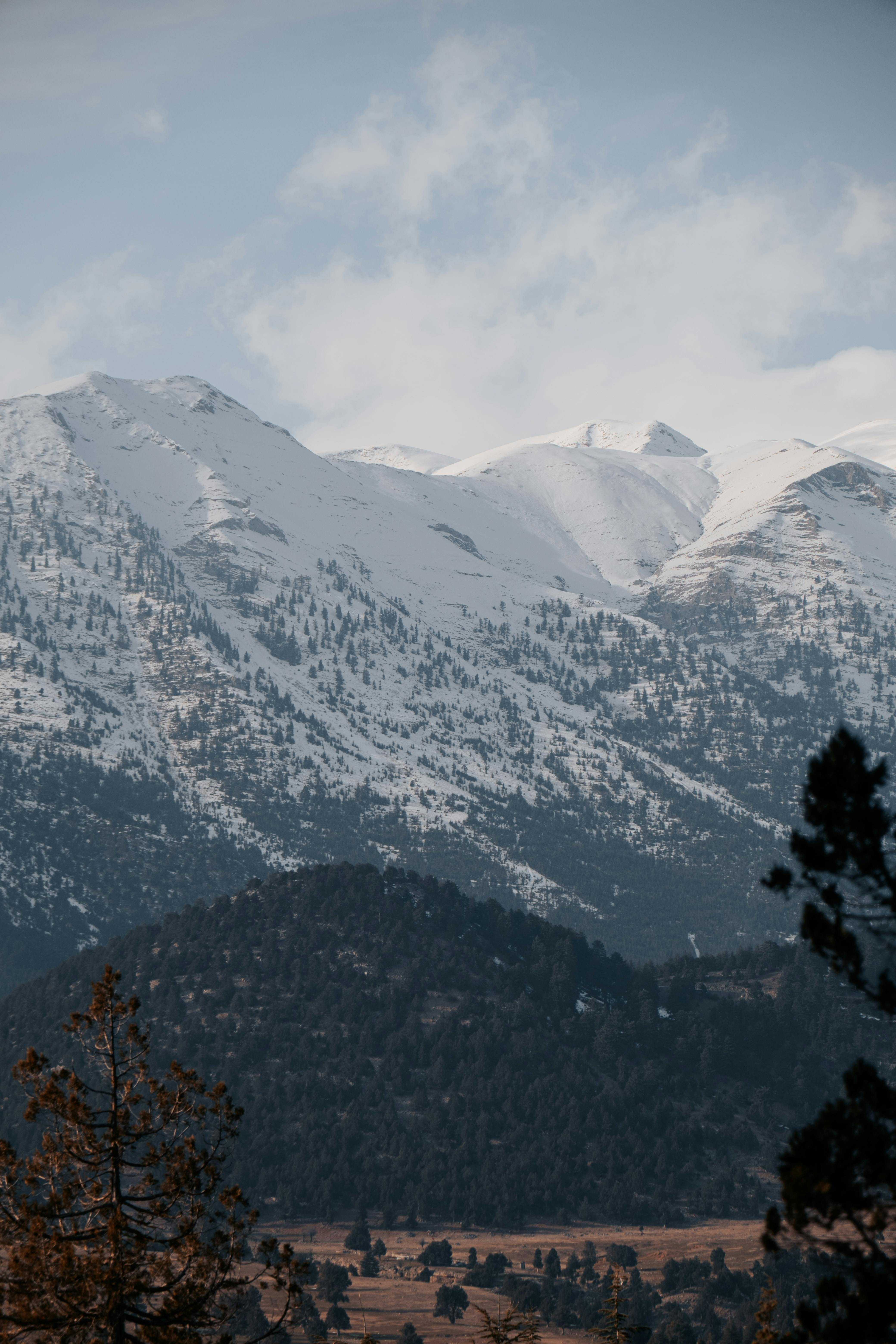
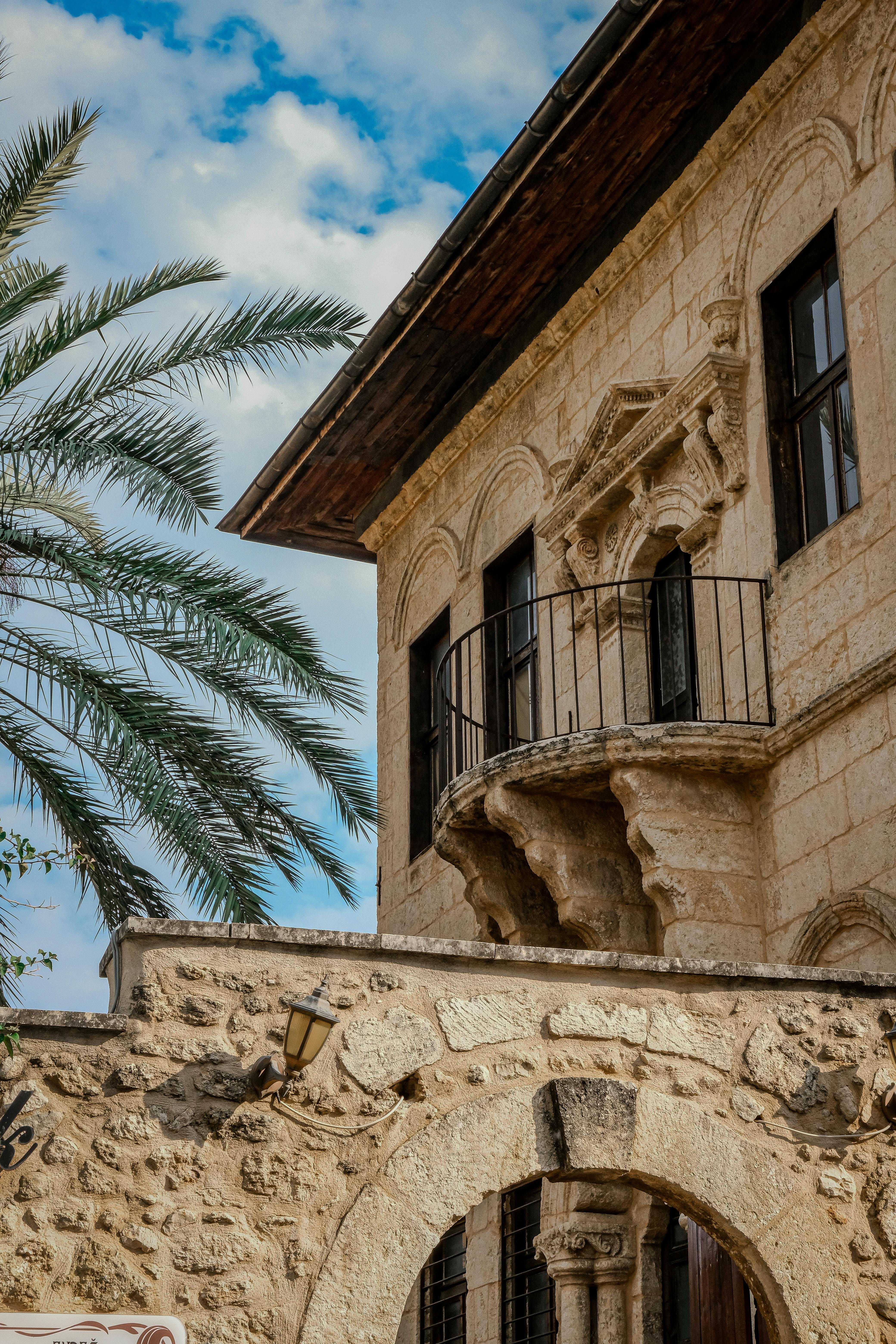
Discover the Hidden Gem of Kozan, Turkey Nestled amidst the Taurus Mountains and the fertile plains of Çukurova, Kozan offers a captivating blend of history, nature, and authentic Turkish charm. Located in the Adana prov…

#Kozan#Adana#Turkey#Historic#Cultural
1/4

Top hotels & flights

Hand-picked stays and the best fares into Kozan.

Top Hotels in Kozan

Top Flights to Kozan

Location videos

Real reels from travelers, plus longer watches to get the full picture.

Watch & explore

Practical info

The essentials for planning your time in Kozan.

Currency
₺ | TRY | Turkish Lira
Population
The approximate estimated total population of Kozan, Adana, Turkey, is about 130,000.
Languages
Turkish, Turkish
Average weather
Kozan
Jan
rain
11°2°
Feb
rain
13°3°
Mar
cloud
17°6°
Apr
sun
21°10°
May
sun
26°14°
Jun
hot
31°18°
Jul
hot
34°21°
Aug
hot
34°21°
Sep
sun
31°18°
Oct
sun
26°14°
Nov
cloud
19°9°
Dec
rain
13°4°

Local guide

What travelers love, what to watch for, and a deeper read on Kozan.

What people love

Kozan, located in Adana, Turkey, offers several advantages for travelers. Some of the pros of traveling to Kozan include:

  1. Historical and Cultural Attractions: Kozan is rich in history and culture, with several historical sites such as the Kozan Castle, Kozan Mosque, and Kozan Ethnography Museum. Visitors can explore these attractions to learn more about the region's heritage.

  2. Natural Beauty: Kozan is surrounded by beautiful landscapes, including mountains, forests, and rivers. Nature lovers will appreciate the opportunity to go hiking, trekking, or simply enjoy the scenic views.

  3. Authentic Turkish Experience: Kozan is a relatively undiscovered gem in Turkey, offering visitors the chance to experience authentic Turkish culture and hospitality. Travelers can interact with locals, taste traditional cuisine, and immerse themselves in the local way of life.

  4. Peaceful Environment: Compared to larger tourist destinations in Turkey, Kozan offers a more peaceful and laid-back atmosphere. It's an ideal place for those seeking a quiet retreat away from the hustle and bustle of city life.

  5. Accessibility: Kozan is well-connected to other parts of Turkey, with transportation options such as buses and trains available for travelers. This makes it convenient for visitors to explore the surrounding areas as well.

Overall, traveling to Kozan can provide a unique and enriching experience for those looking to discover a lesser-known destination in Turkey.

What to know

Kozan, located in Adana, Turkey, is a beautiful destination with many attractions and historical sites. However, like any travel destination, there are some potential drawbacks to consider:

  1. Limited transportation options: Kozan may not have as many transportation options as larger cities, making it slightly more challenging to explore the surrounding areas.
  2. Language barrier: English may not be widely spoken in Kozan, so communication could be a bit difficult for travelers who do not speak Turkish.
  3. Limited tourist infrastructure: Kozan may not have as many tourist amenities or facilities compared to more popular tourist destinations, so travelers may need to be more self-sufficient.
  4. Weather extremes: Adana province, where Kozan is located, can experience hot and dry summers, which may not be comfortable for everyone.

Overall, while Kozan has its unique charm and attractions, travelers should be prepared for some challenges that come with visiting a less touristy destination.

Kozan, located in the Adana Province in southern Turkey, has a rich and varied history that dates back to ancient times. Below is a detailed overview of its historical background, significant events, historical figures, and important landmarks:

Ancient and Medieval History

  1. Antiquity:

    • Ancient Name: Kozan was formerly known as Sis in antiquity. It was an important city in the ancient region of Cilicia.
    • Significant Influence: The area was influenced by various civilizations, including the Hittites, Assyrians, Persians, and later the Greeks and Romans.
  2. Byzantine Era:

    • During the Byzantine period, Sis was part of the Byzantine Empire and served as a significant stronghold in the region.
  3. Armenian Kingdom of Cilicia:

    • In the 11th century, Sis became the capital of the Armenian Kingdom of Cilicia. This period lasted until the late 14th century.
    • Important Figures: King Leo I and King Leo II of Cilicia were significant rulers during this time.
    • Cultural Hub: Sis was a vibrant cultural and economic center, with a flourishing Armenian population.
  4. Mamluk and Ottoman Periods:

    • The Mamluks captured Sis in 1375, which marked the end of the Armenian Kingdom of Cilicia.
    • The Ottomans took control of the area in the 16th century, integrating it into the expanding Ottoman Empire.

Modern History

  1. 20th Century:
    • During World War I, the region was affected by the Armenian Genocide, which led to substantial demographic changes.
    • Post World War I, Kozan became part of the Republic of Turkey following the Turkish War of Independence.

Landmarks and Cultural Heritage

  1. Kozan Castle:

    • An impressive medieval castle that dominates the landscape. It offers insight into the military architecture of the time and provides panoramic views of the area.
  2. The Armenian Cathedral of St. Sophia:

    • Originally built during the Armenian Kingdom of Cilicia, this cathedral later became a mosque.
  3. Historical Armenian Churches:

    • The region around Kozan is dotted with remnants of ancient Armenian churches, reflecting its past as a significant Armenian cultural hub.
  4. Natural Beauty:

    • Kozan is surrounded by picturesque landscapes, including the Taurus Mountains, which add to its historical and touristic appeal.

Conclusion

Kozan's historical significance is marked by its role as a capital of the Armenian Kingdom of Cilicia, its strategic importance through various empires, and its rich cultural heritage. Its landmarks, such as Kozan Castle and the Armenian Cathedral, are testaments to its vibrant past.